


Introduction: Why Explore Gaudí’s Barcelona?
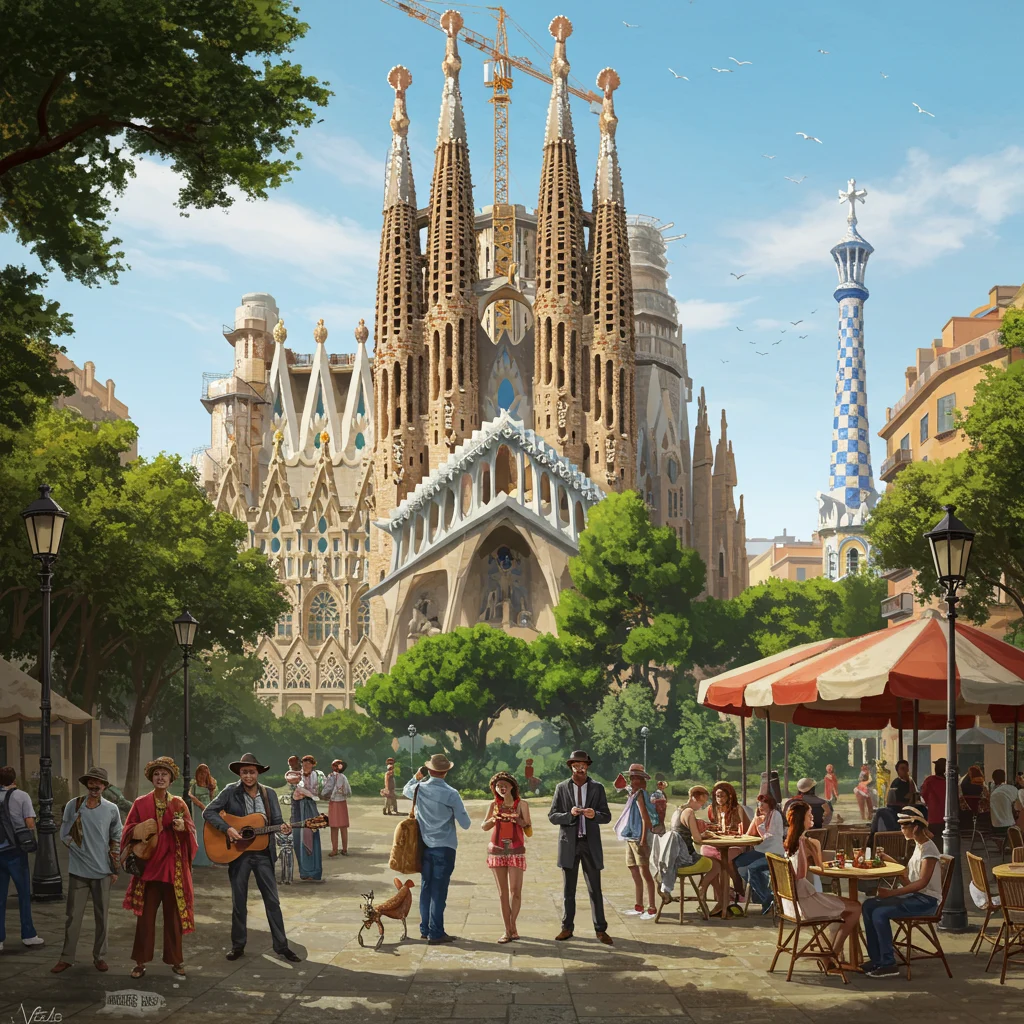
Barcelona is a city known for its rich culture, exceptional cuisine, and most notably, its architecture. Among the city’s many celebrated figures, Antoni Gaudí stands out as a visionary whose works have come to define the city’s skyline. His buildings are not only iconic but also deeply intertwined with the spirit and history of Barcelona.
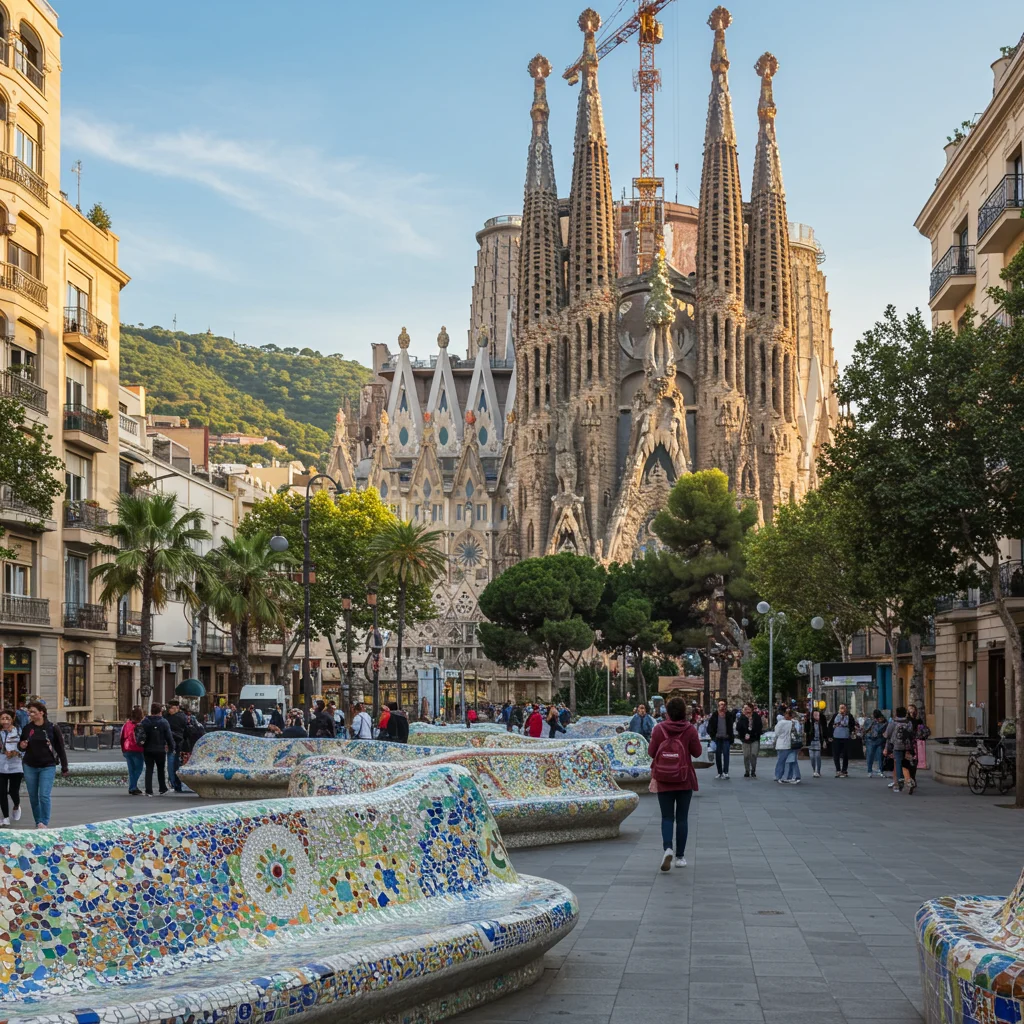
We believe that experiencing Gaudí’s architecture is essential for understanding Barcelona’s unique character. His creations, from the soaring spires of Sagrada Família to the whimsical curves of Park Güell, offer more than visual delight—they tell the story of a city that values creativity and innovation. In this guide, we’ll walk through everything you need to know to enjoy a Gaudí-focused tour, whether you’re a first-time visitor or returning for a deeper appreciation.
Who Was Antoni Gaudí?
Antoni Gaudí was a Catalan architect born in 1852. Throughout his career, he developed a distinct architectural language that combined Gothic influences with organic forms and innovative structural solutions. His works go far beyond mere buildings—they are statements of artistry and imagination.
Gaudí’s dedication to his craft was matched only by his spiritual convictions, which increasingly influenced his later projects. By the end of his life, he had become one of the most recognized architects in Spain, leaving a legacy that continues to inspire designers and visitors alike.
What Makes Gaudí’s Architecture Unique?
Gaudí’s architecture stands apart for its inventive use of color, texture, and structure. He was a master at integrating natural elements into his designs, often using curves and asymmetrical shapes that mimic those found in nature. His approach to construction was both artistic and scientific, relying on detailed models and innovative engineering techniques.
Another defining feature is Gaudí’s commitment to craftsmanship. He collaborated closely with artisans and craftsmen, incorporating ceramics, stained glass, wrought iron, and wood into his buildings. This attention to detail is visible in every project, from the grandest basilica to the smallest decorative tile.
The Influence of Nature on Gaudí’s Designs
Nature was Gaudí’s greatest muse. He found inspiration in the forms, patterns, and colors of the natural world, which is evident throughout his body of work. The interplay between architecture and the environment is central to Gaudí’s philosophy.
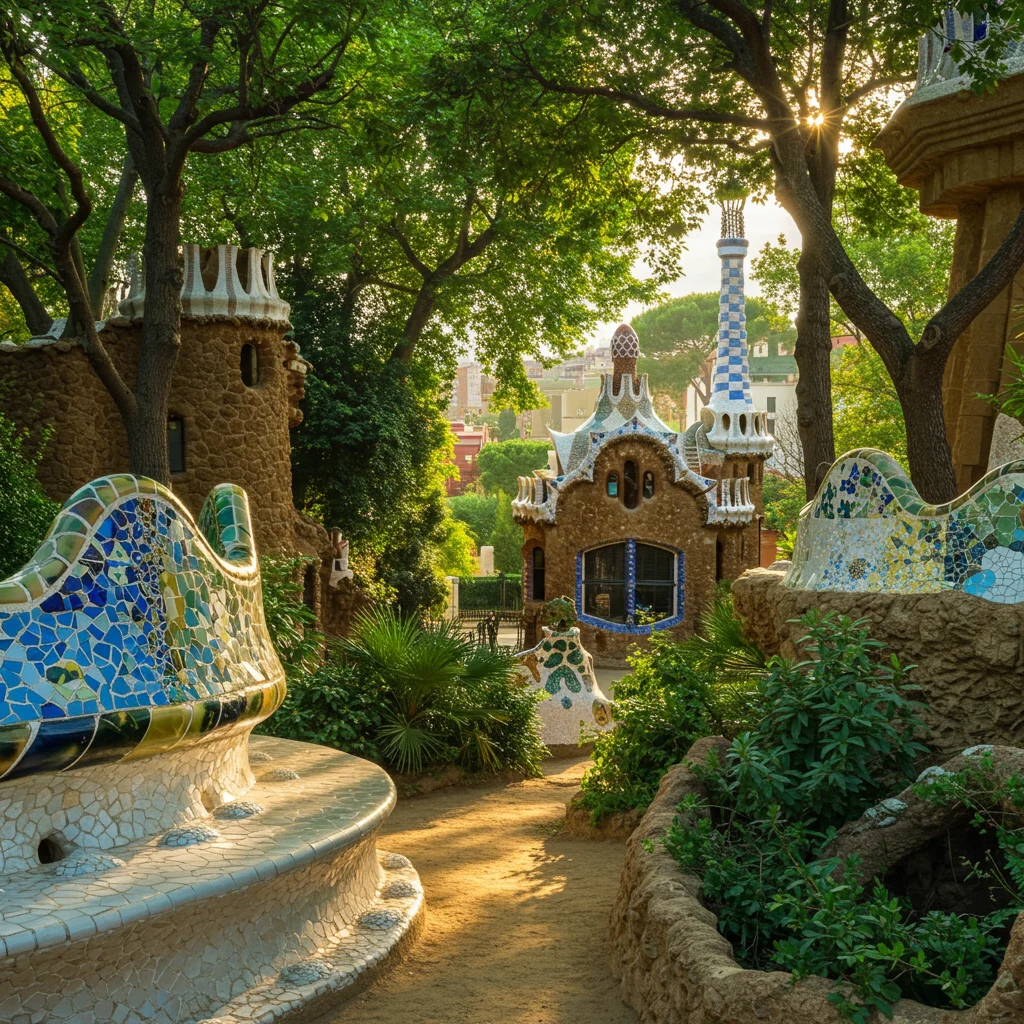
We see this influence in his use of organic shapes, such as the bone-like columns in Sagrada Família or the undulating façade of Casa Batlló. Gaudí often said that “originality consists of returning to the origin,” emphasizing the importance of natural forms and structures in design.
Planning Your Gaudí Tour: Essential Tips
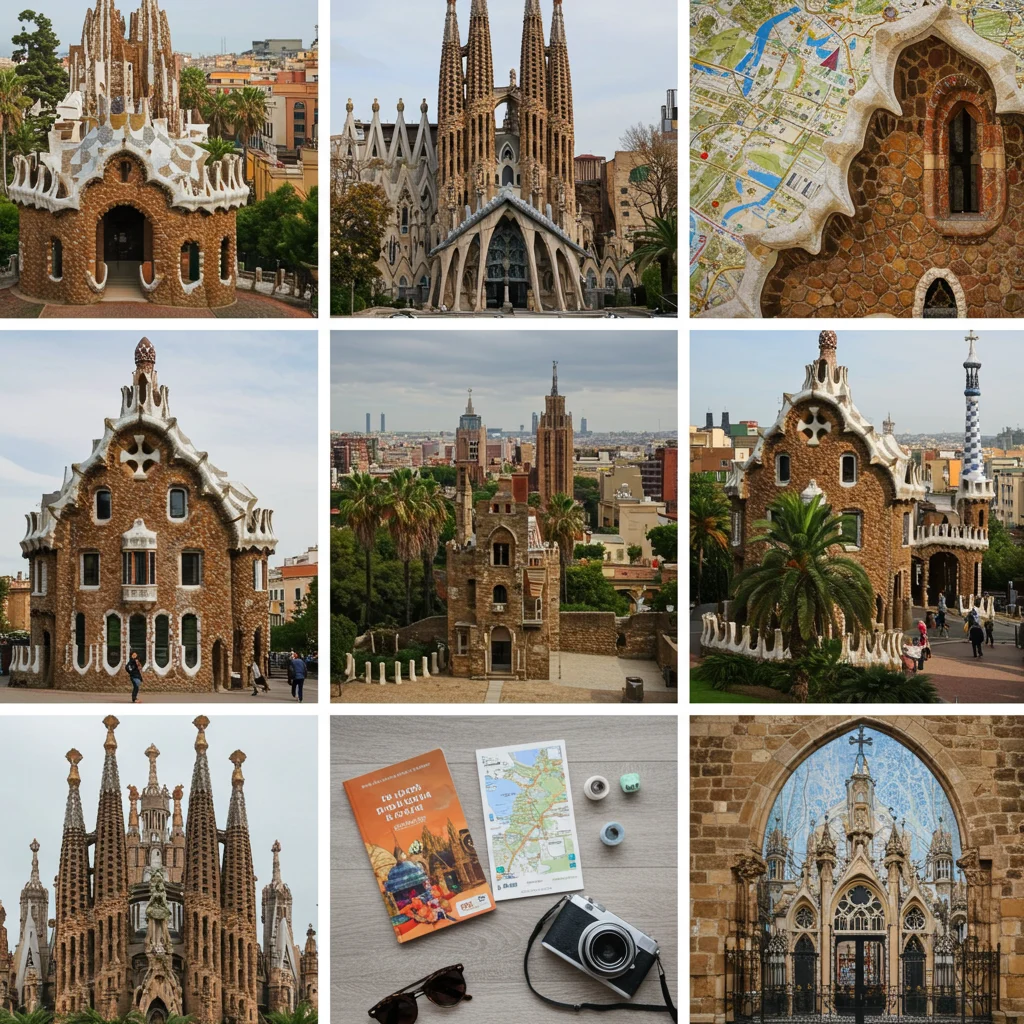
Planning a tour of Gaudí’s masterpieces requires some forethought. With several sites spread across Barcelona, understanding logistics and ticketing can help you maximize your time and enjoy each landmark without stress. Below, we share practical advice to help you craft a smooth and memorable Gaudí experience.
When Is the Best Time to Visit Gaudí Sites in Barcelona?
Timing can make a significant difference in your Gaudí tour. Barcelona is a popular destination, and Gaudí’s landmarks attract visitors year-round. We recommend visiting during the shoulder seasons, such as late spring or early autumn, when the weather is pleasant and the crowds are lighter.
If you visit during peak summer months, consider scheduling your visits early in the morning or later in the evening. This approach not only helps you avoid crowds but also allows you to appreciate the changing light on Gaudí’s intricate surfaces.
How to Get Around: Transport Options for Your Tour
Barcelona offers a comprehensive public transport network, making it easy to travel between Gaudí sites. The metro, buses, and trams are reliable and well-connected. Many of the main attractions are within walking distance of each other in central Barcelona.
For those who prefer flexibility, taxis and ride-sharing services are readily available. Bicycle rentals are another excellent option, especially for those who wish to enjoy the city at a leisurely pace. If you are interested in comparing city transport experiences, you might enjoy our insights on navigating Venice by tour, which highlights the benefits of various local transport options.
Must-Have Tickets and Passes
To avoid long lines and guarantee entry, we highly recommend purchasing tickets in advance for Gaudí’s most popular sites. Some attractions, like Sagrada Família and Park Güell, require timed entry, so plan accordingly. Combination tickets and city passes are available, offering savings if you plan to visit multiple sites.
Consider guided tours for a deeper understanding, or opt for skip-the-line options where available. Booking online is often the most convenient way to secure your spot and avoid last-minute disappointments.
Sagrada Família: Gaudí’s Unfinished Masterpiece
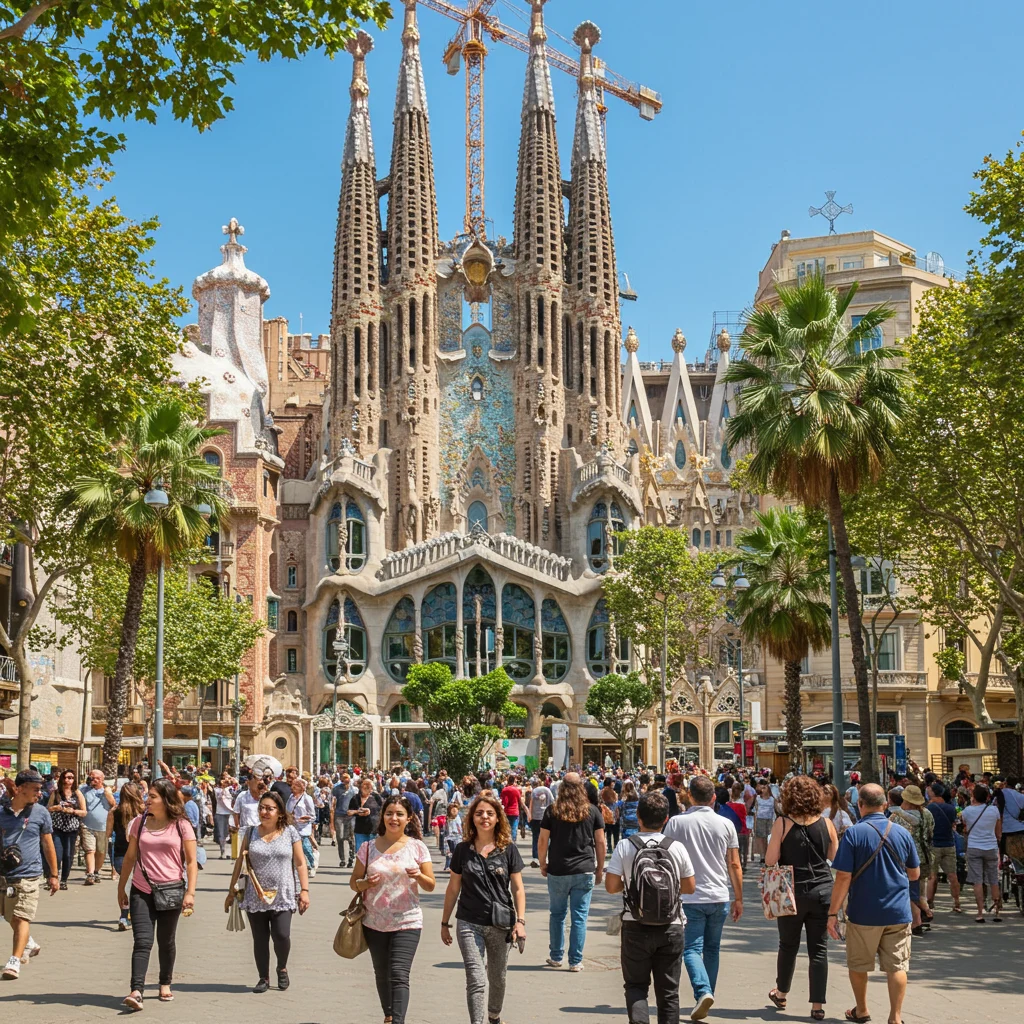
No visit to Barcelona is complete without seeing the Sagrada Família. This basilica is Gaudí’s most ambitious project and remains under construction more than a century after work began. Its soaring towers and intricate facades are instantly recognizable, symbolizing both the city and Gaudí’s creative vision.
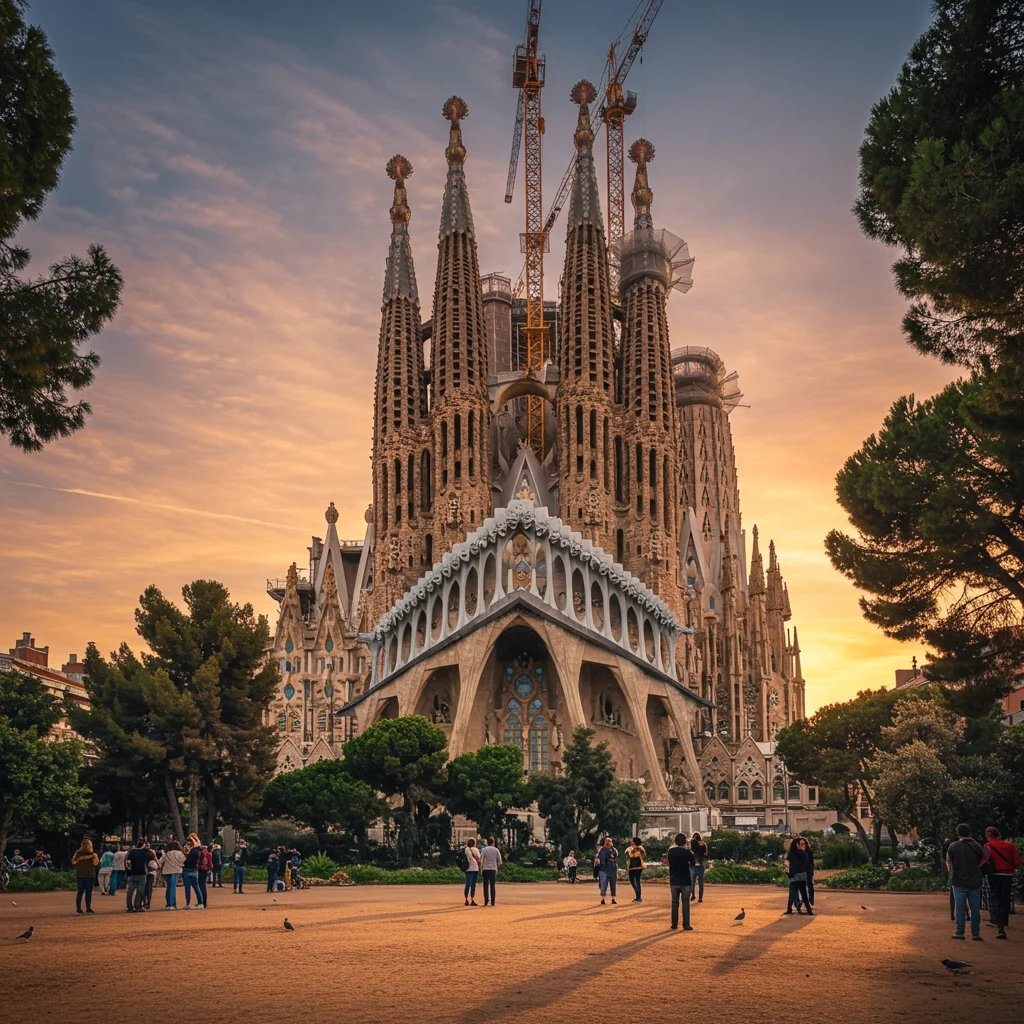
Let’s look closer at the history, highlights, and practical tips for visiting this architectural marvel.
History and Construction of Sagrada Família
Construction on the Sagrada Família began in 1882, originally under architect Francisco de Paula del Villar. Gaudí took over the project in 1883, transforming it with his unique vision. He worked on the basilica for more than 40 years, dedicating the last 15 years of his life exclusively to it.
The project has continued long after Gaudí’s death in 1926, relying on his detailed plans and models. Today, the Sagrada Família is funded entirely by private donations and ticket sales, with completion anticipated in the coming years. Its ongoing construction is a testament to Gaudí’s enduring influence and the dedication of those who have carried on his work.
What to See Inside Sagrada Família?
The basilica’s interior is a breathtaking forest of columns, bathed in colored light from stunning stained-glass windows. Gaudí designed the columns to mimic tree trunks, creating a sense of walking through a natural grove. The ceiling soars overhead, featuring geometric patterns inspired by nature.
Don’t miss the Nativity and Passion facades, each telling a different chapter of the biblical story through intricate sculptures. The museum beneath the basilica provides fascinating insights into Gaudí’s process, including models, drawings, and personal artifacts.
Tips for Visiting Sagrada Família
We suggest booking tickets well in advance, particularly if you wish to climb the towers for panoramic views of Barcelona. Arrive early or late in the day to avoid peak crowds and enjoy the changing light through the stained glass.
Dress modestly, as the Sagrada Família is an active place of worship. Audio guides and guided tours are highly recommended for a richer understanding of the basilica’s symbolism and construction. For those interested in efficient entry, our article about skip-the-line strategies at Chapultepec Castle offers useful tips that are equally relevant here.
Park Güell: A Colorful Wonderland
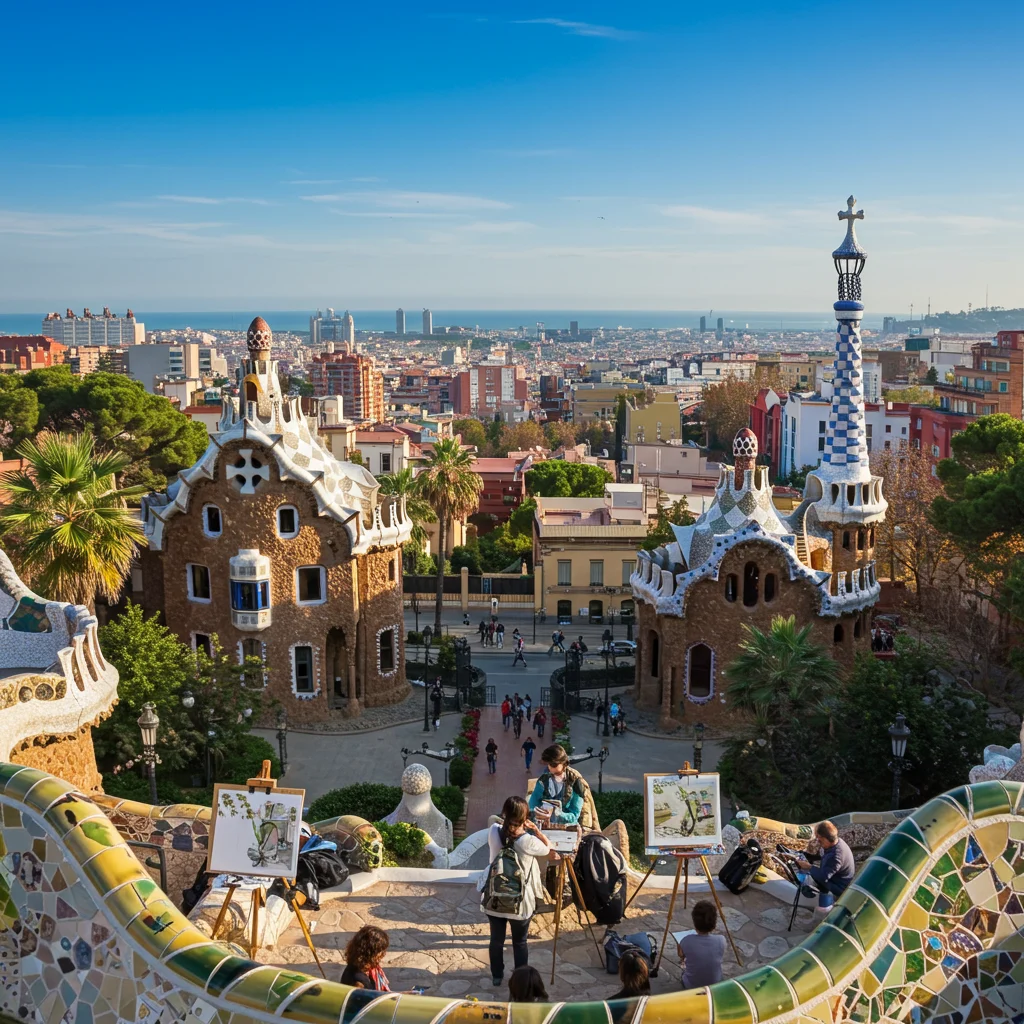
Perched on a hillside overlooking Barcelona, Park Güell is one of Gaudí’s most playful and imaginative creations. Originally conceived as a residential project, the park is now a public space filled with vibrant mosaics, whimsical sculptures, and panoramic views.
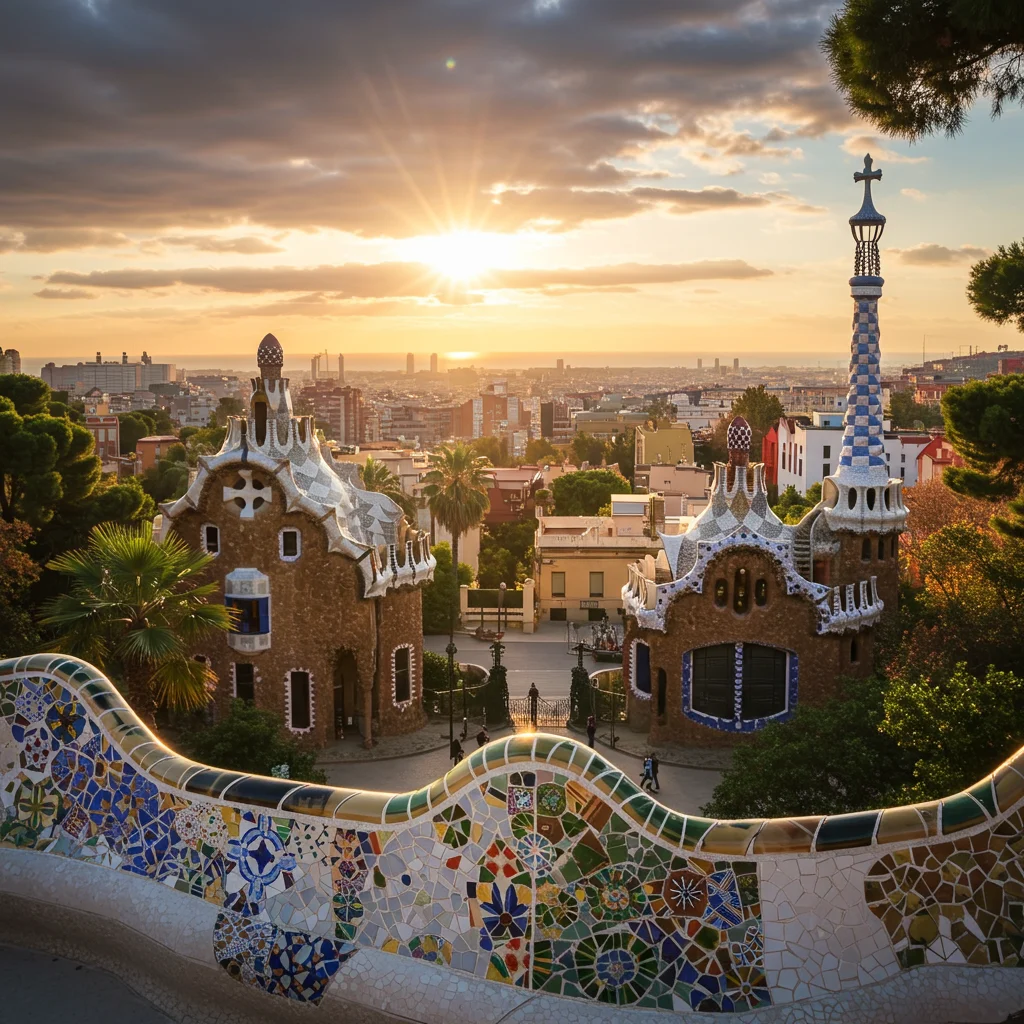
Park Güell’s blend of architecture and landscape makes it a favorite for visitors of all ages. Below, we explore its origins, top features, and navigation tips.
The Story Behind Park Güell
Park Güell began in 1900 as a collaboration between Gaudí and his patron, Eusebi Güell. The vision was to create a garden city for Barcelona’s elite, though only a few houses were ever built. The project was converted into a public park in 1926, the same year Gaudí died.
Today, the park stands as a monument to Gaudí’s creativity, with its meandering paths, colorful tiles, and organic forms. It is recognized as a UNESCO World Heritage Site, attracting millions of visitors annually.
Top Features Not to Miss in Park Güell
Be sure to visit the park’s iconic mosaic lizard, known as “El Drac,” which greets visitors at the main entrance. The serpentine bench, covered in vibrant trencadís (broken tile mosaics), offers not only a unique place to rest but also sweeping views of the city and sea.
The Hypostyle Room, with its forest of Doric columns, and the Austria Gardens are other highlights. Each area showcases Gaudí’s talent for integrating architecture with the natural landscape.
How to Navigate Park Güell Efficiently
Park Güell is spread across a hillside, so comfortable shoes are essential. Start at the main entrance to see the most famous landmarks, then make your way upward, pausing at scenic overlooks along the way.
Timed tickets are required for the Monumental Zone, which includes the park’s most celebrated features. Arriving early helps you avoid crowds and lets you enjoy the park’s tranquil atmosphere. For those who appreciate walking tours, our article on Old San Juan strolls offers insights into making the most of pedestrian-friendly landmarks.
Casa Batlló: The House of Bones
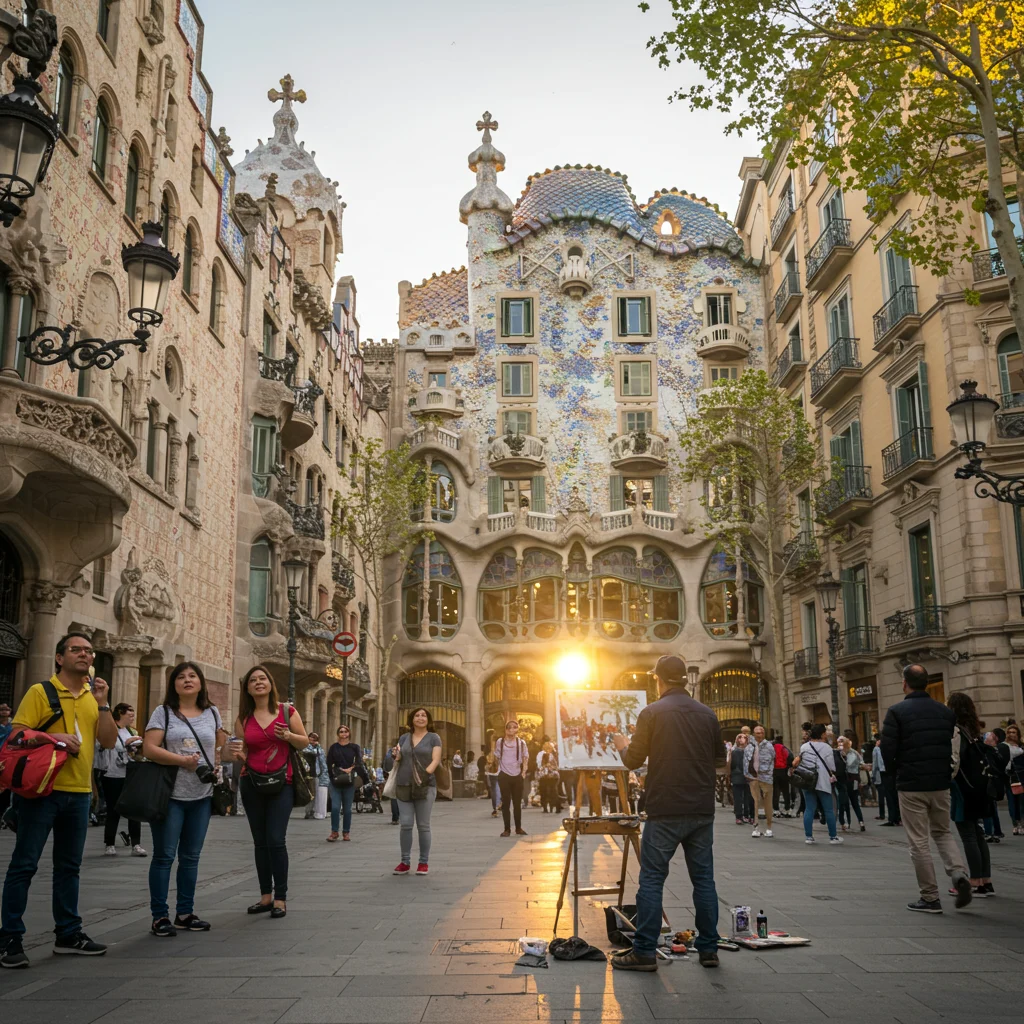
Casa Batlló is one of the most striking buildings on Barcelona’s Passeig de Gràcia. Known locally as the “House of Bones,” its façade is a riot of color and shape, with undulating balconies and mosaic tiles that evoke the sea.
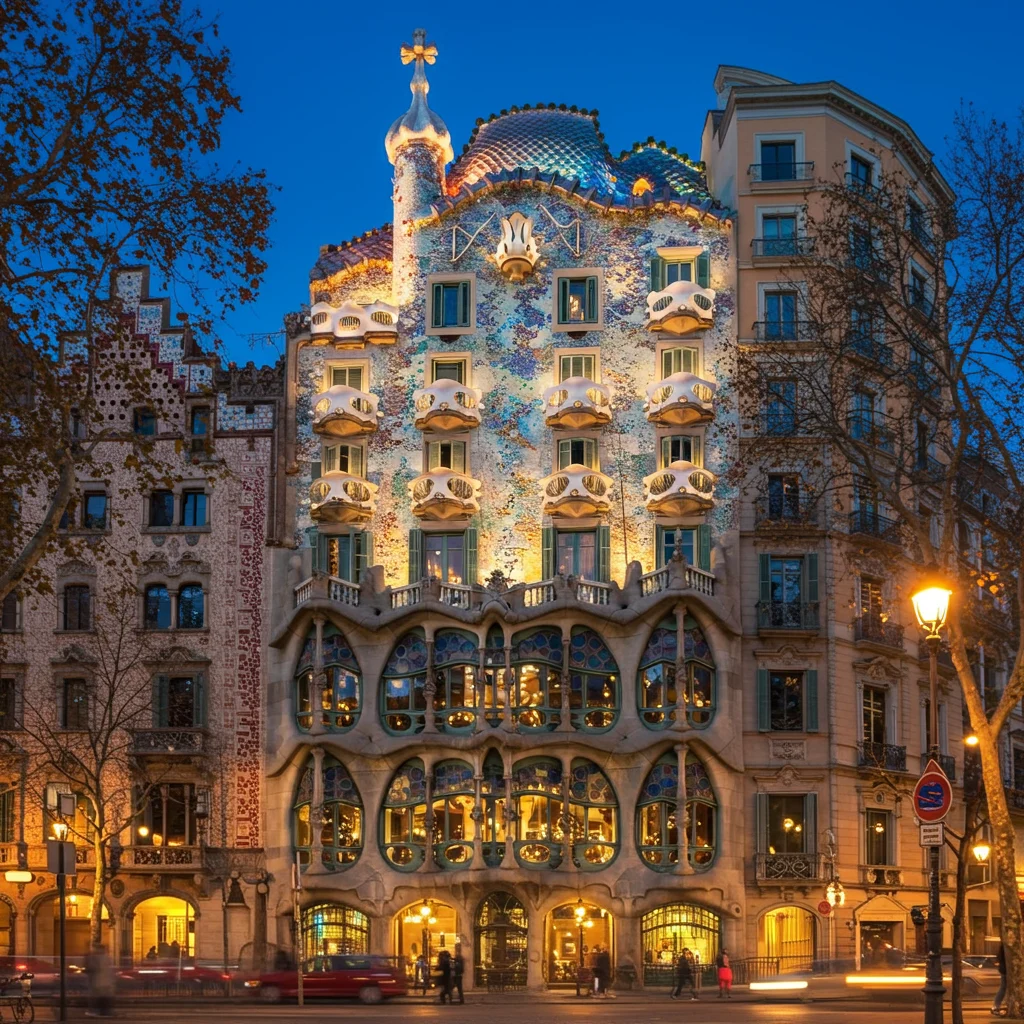
Inside, Gaudí’s creativity shines through in every detail, from the swirling staircases to the playful light wells. Here’s what you can expect during your visit.
What’s Inside Casa Batlló?
The interior of Casa Batlló is a masterclass in design. The Noble Floor features spacious rooms with curved walls and stained-glass windows, while the attic’s catenary arches showcase Gaudí’s structural genius. The roof terrace is home to the famous dragon-backed chimney, a nod to Catalan legends.
Interactive exhibits and immersive audio guides help visitors understand Gaudí’s vision and the building’s history. Temporary exhibitions and cultural events are often held here, adding even more interest for repeat visitors.
Casa Batlló’s Iconic Facade Explained
The façade of Casa Batlló is a visual feast, covered in a mosaic of colored glass and ceramic tiles. The balconies resemble skulls, while the columns evoke bones, lending the building its nickname. Gaudí drew inspiration from marine life, with shapes that suggest waves and underwater creatures.
The roof is equally distinctive, with its scaly surface and cross-topped turret. Many believe it represents the back of the dragon slain by Saint George, Catalonia’s patron saint. This combination of symbolism and artistry makes Casa Batlló a must-see for architecture lovers.
Casa Milà (La Pedrera): The Stone Quarry
Casa Milà, often called La Pedrera, is another of Gaudí’s masterpieces on Passeig de Gràcia. Its name, meaning “The Stone Quarry,” refers to the building’s rugged, undulating stone façade. This apartment block was groundbreaking in both design and function.
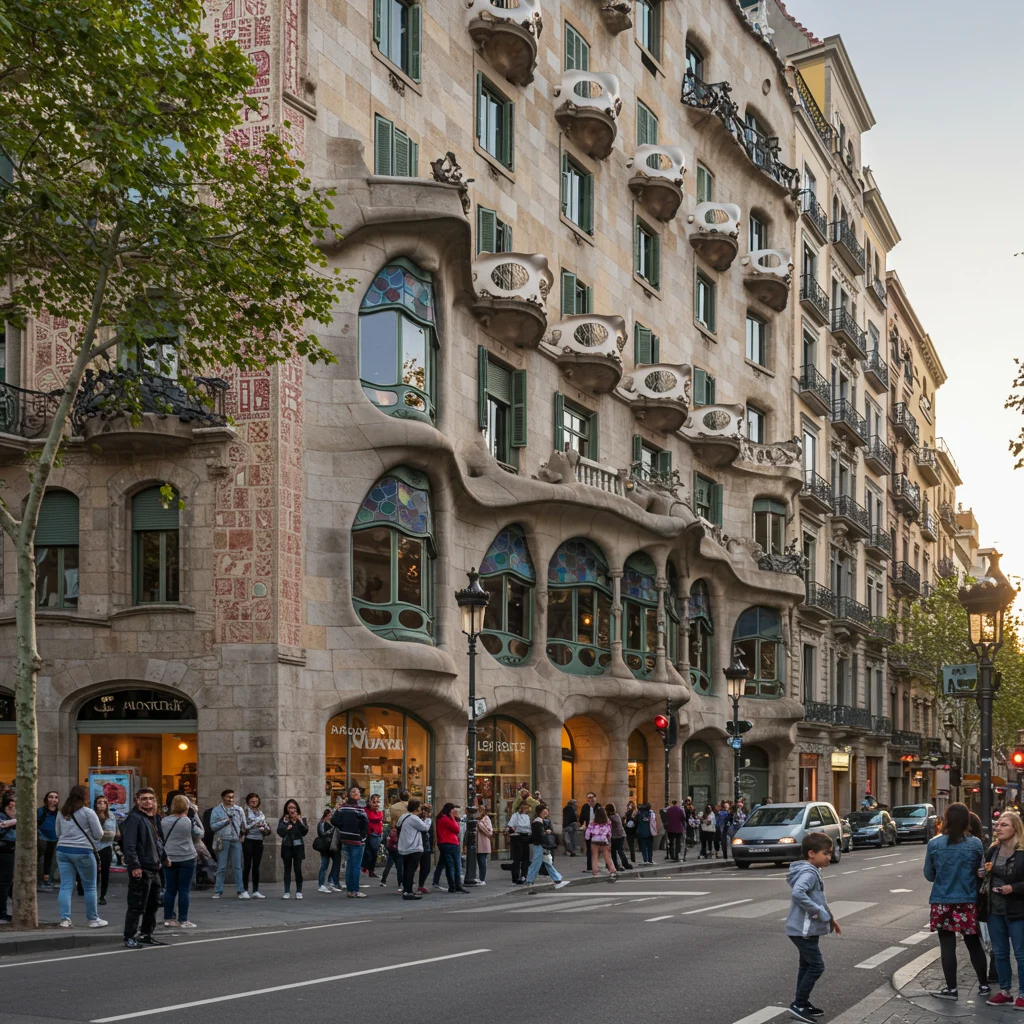
La Pedrera is celebrated for its rooftop, innovative ventilation, and light-filled courtyards. Let’s look at its most compelling features.
Exploring the Rooftop of Casa Milà
The rooftop of Casa Milà is unlike any other in Barcelona. Here, Gaudí created a surreal landscape of twisting chimneys and ventilation towers, many of which resemble helmeted warriors. The rooftop offers panoramic views of the city, making it a favorite spot for photographers.
Visitors can walk along pathways that wind between the sculptural elements, gaining new perspectives on both the architecture and the city below. The rooftop is particularly atmospheric in the evening, when special light shows are sometimes held.
Inside the Apartments: What to Expect
Casa Milà’s apartments are designed to maximize light and ventilation, with open floor plans and large windows. The building’s central courtyards bring natural light to every corner, a feature ahead of its time when constructed in the early 20th century.
The Espai Gaudí exhibition, located in the attic, provides a comprehensive overview of Gaudí’s life and work. Original furniture, models, and photographs offer valuable context for understanding his genius.
Palau Güell: A Hidden Gem in the City Center
Palau Güell is one of Gaudí’s early commissions and a lesser-known treasure in the heart of Barcelona. Built for the industrialist Eusebi Güell, this urban mansion showcases Gaudí’s flair for dramatic spaces and ornate details.
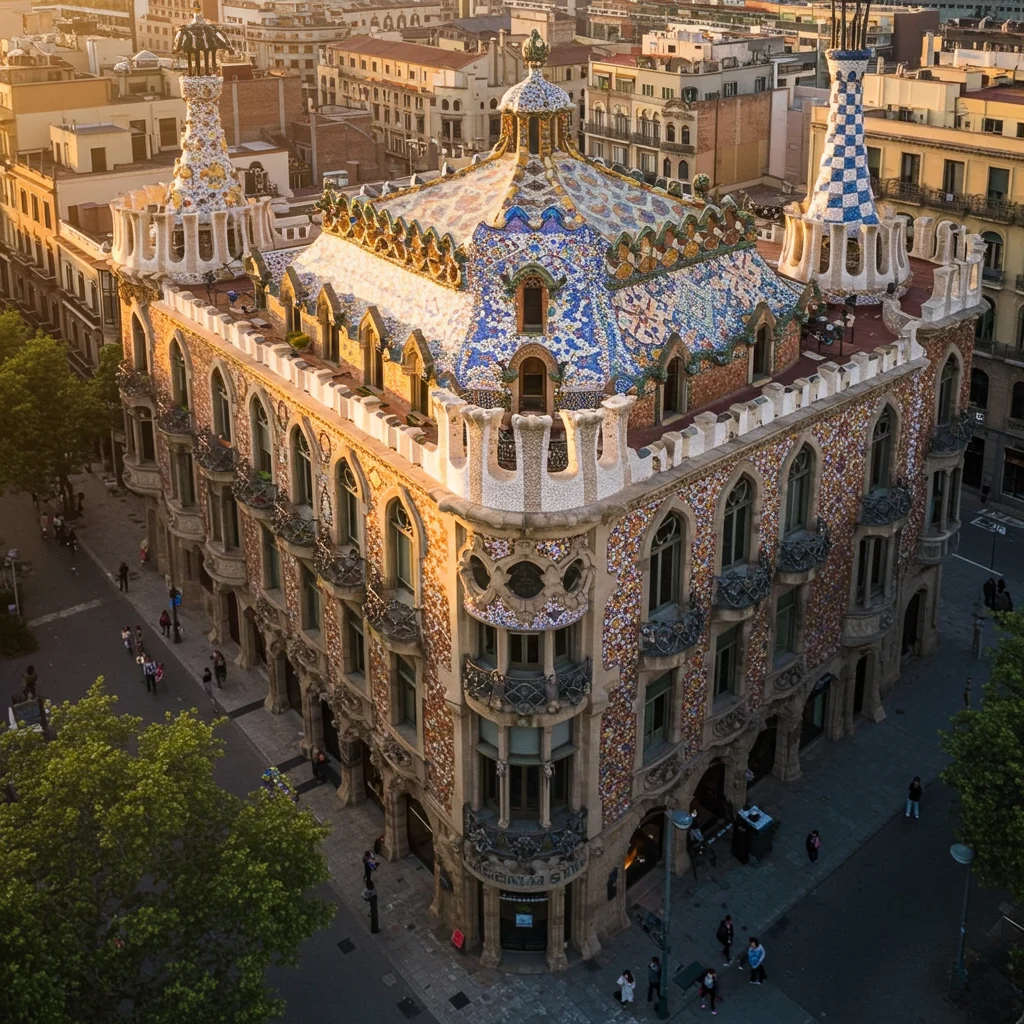
Despite its central location near La Rambla, Palau Güell is often overlooked by visitors, making it an excellent choice for those seeking a quieter Gaudí experience.
Palau Güell’s Unique Features
The mansion features a grand entrance hall designed to accommodate horse-drawn carriages, leading to opulent reception rooms. The central hall, crowned by a parabolic dome, is a highlight, with stained-glass windows casting colorful patterns on the walls.
The rooftop is adorned with twenty chimneys, each uniquely decorated with ceramics and glass. Gaudí’s attention to detail is evident in every element, from the wrought-iron gates to the mosaic-tiled ceilings.
Visiting Palau Güell: What You Need to Know
Palau Güell is open to the public year-round, with multilingual audio guides available. It’s less crowded than other Gaudí sites, so spontaneous visits are often possible. However, we recommend checking opening hours and ticket availability in advance, especially during peak travel seasons.
Guided tours provide a richer understanding of the building’s history and design. Photography is allowed in most areas, but flash is restricted to protect delicate materials.
Gaudí’s Lesser-Known Works in Barcelona
While Sagrada Família, Park Güell, and the Passeig de Gràcia houses draw the most attention, Gaudí’s portfolio in Barcelona includes several lesser-known gems. These sites offer unique insights into his evolving style and are well worth seeking out for enthusiasts.
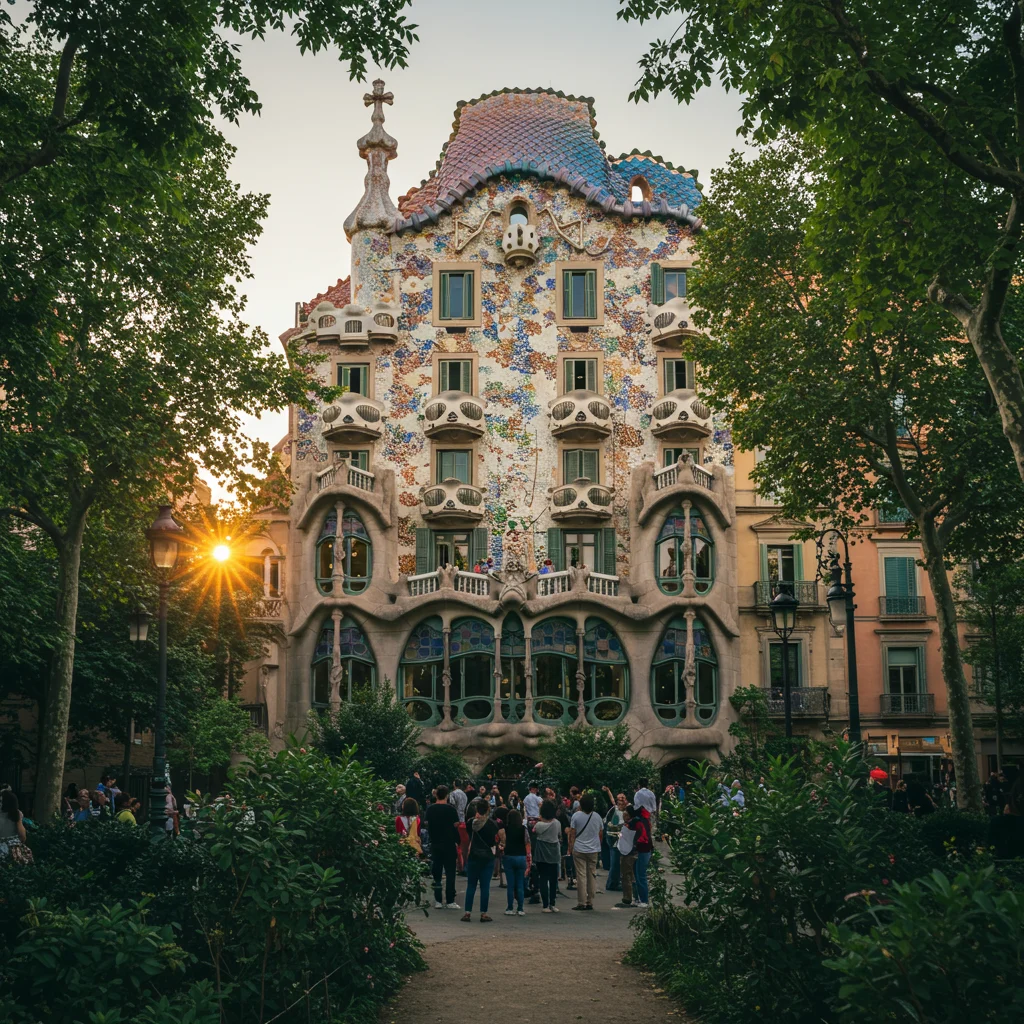
Below, we introduce three of Gaudí’s lesser-visited works, each with its own fascinating story.
Torre Bellesguard: The Medieval-Inspired Mansion
Torre Bellesguard sits at the foot of the Collserola mountains, blending modernist design with medieval references. Gaudí built this residence between 1900 and 1909 on the site of a former royal castle. Its pointed arches, stone towers, and decorative mosaics evoke the region’s history.
Visitors can tour the interiors and gardens, learning about the building’s royal connections and Gaudí’s creative process. The site is less crowded than central Barcelona landmarks, offering a peaceful atmosphere for reflection and photography.
Colònia Güell and the Crypt
Located in the suburb of Santa Coloma de Cervelló, Colònia Güell is a former industrial village designed for workers of Eusebi Güell’s textile factory. Gaudí was commissioned to create a church for the community, resulting in the extraordinary Crypt of Colònia Güell.
The crypt features experimental brickwork, hyperbolic arches, and stained glass. Though the church was never completed, the crypt stands as a masterpiece of structural ingenuity. Audio guides and interpretive exhibits provide context for Gaudí’s innovative techniques.
Casa Vicens: Where Gaudí’s Career Began
Casa Vicens, completed in 1885, marks the beginning of Gaudí’s professional career. This colorful residence in the Gràcia district showcases influences from Moorish and oriental styles, with intricate tilework and lush gardens.
The house is now open to the public, offering guided tours and exhibitions on Gaudí’s early influences. Casa Vicens provides a fascinating contrast to his later works, highlighting the evolution of his distinctive style.
Gaudí’s Workshop and Personal Life
Understanding Gaudí’s personal life and working habits adds depth to any tour of his buildings. Gaudí was known for his devotion to his craft, often living on-site during the construction of his major projects.
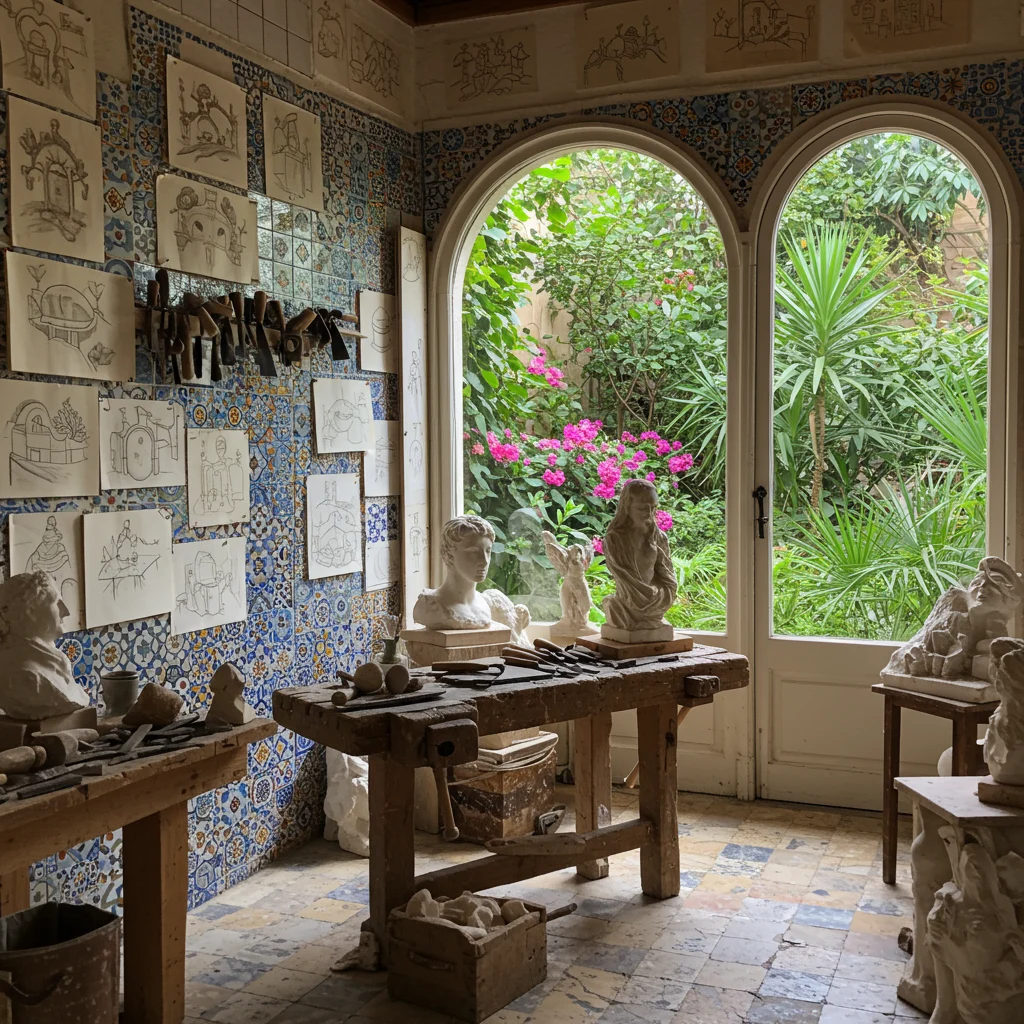
His daily routines, workspaces, and inspirations reveal much about the man behind the masterpieces.
Where Did Gaudí Live and Work?
Gaudí spent much of his later life at the Sagrada Família construction site, immersing himself in the project. Before that, he lived in several apartments around Barcelona, including a house within Park Güell, which now serves as a museum.
His workshop was always filled with models, drawings, and materials, reflecting his hands-on approach. Gaudí preferred to experiment with physical models rather than rely solely on plans, a method that allowed for greater creativity and flexibility.
Gaudí’s Daily Routines and Inspirations
Gaudí was deeply spiritual, beginning each day with prayer and attending mass regularly. He maintained a strict routine, dedicating long hours to design and construction. Friends and colleagues noted his modest lifestyle and unwavering focus on his work.
Nature, faith, and Catalan culture were his main sources of inspiration. Gaudí’s walks in the countryside and study of natural forms influenced everything from structural solutions to decorative motifs.
The Gaudí House Museum in Park Güell
The Gaudí House Museum, located within Park Güell, offers an intimate glimpse into the architect’s personal world. Gaudí lived here from 1906 to 1925, furnishing the house with pieces he designed himself.
Exhibits include original furniture, photographs, and personal artifacts, providing context for his life and work. The museum’s garden is also worth a visit, with views over the park and city.
How Has Gaudí Influenced Modern Architecture?
Gaudí’s impact on modern architecture cannot be overstated. His innovative use of materials, structural forms, and integration of art and engineering have inspired generations of architects worldwide.
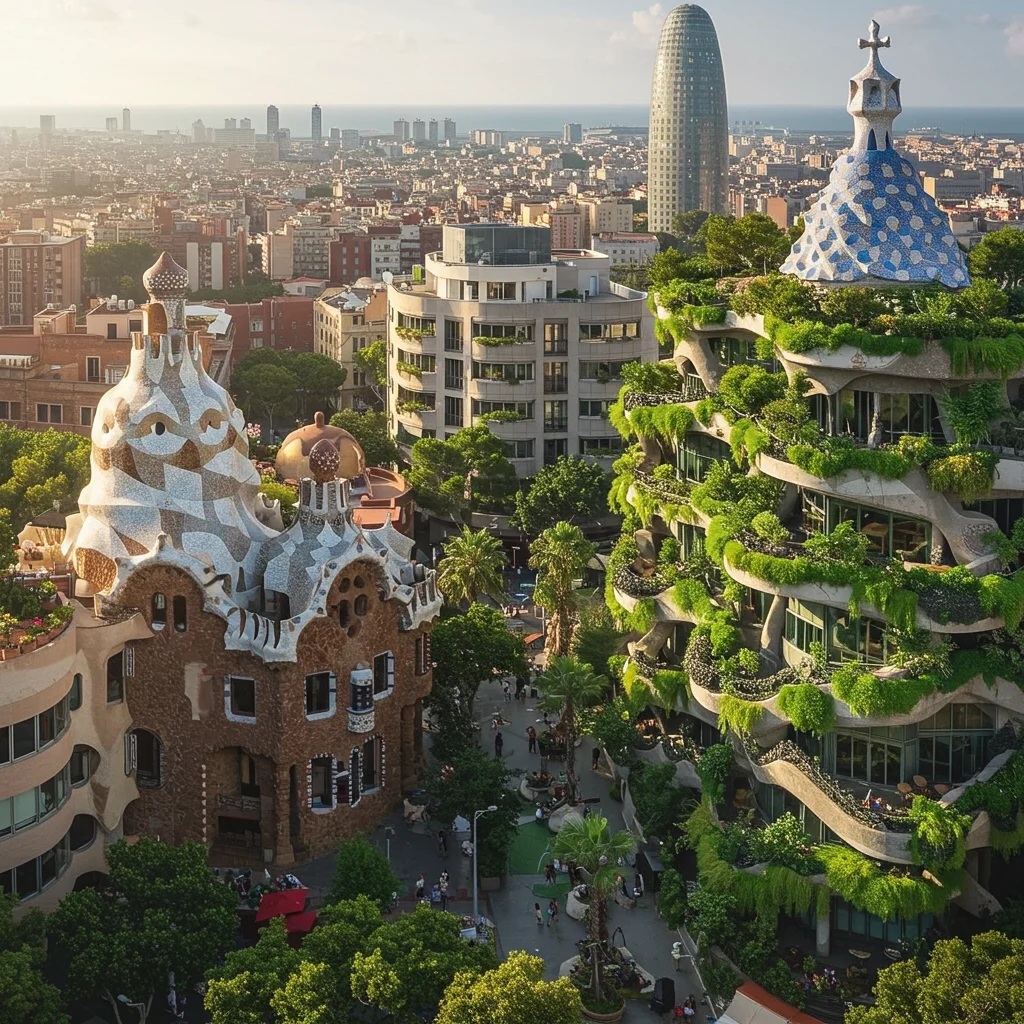
We see echoes of his work in movements such as Art Nouveau, Modernisme, and even contemporary organic architecture. His emphasis on sustainability and harmony with nature remains especially relevant today.
Gaudí’s Legacy in Contemporary Design
Many architects cite Gaudí’s approach as a key influence on their own work. His willingness to challenge convention and experiment with new forms has paved the way for creative freedom in design.
Contemporary buildings that prioritize sustainability, biomimicry, and artisanal craftsmanship owe much to Gaudí’s legacy. His influence is visible not only in Barcelona but in cities around the world, much as Miami’s architectural evolution reflects its own unique history, as discussed in our article on touring Miami’s Art Deco district.
Gaudí’s UNESCO World Heritage Sites
Several of Gaudí’s works have been recognized as UNESCO World Heritage Sites, underscoring their universal value and cultural significance. These sites attract millions of visitors each year and are carefully preserved for future generations.
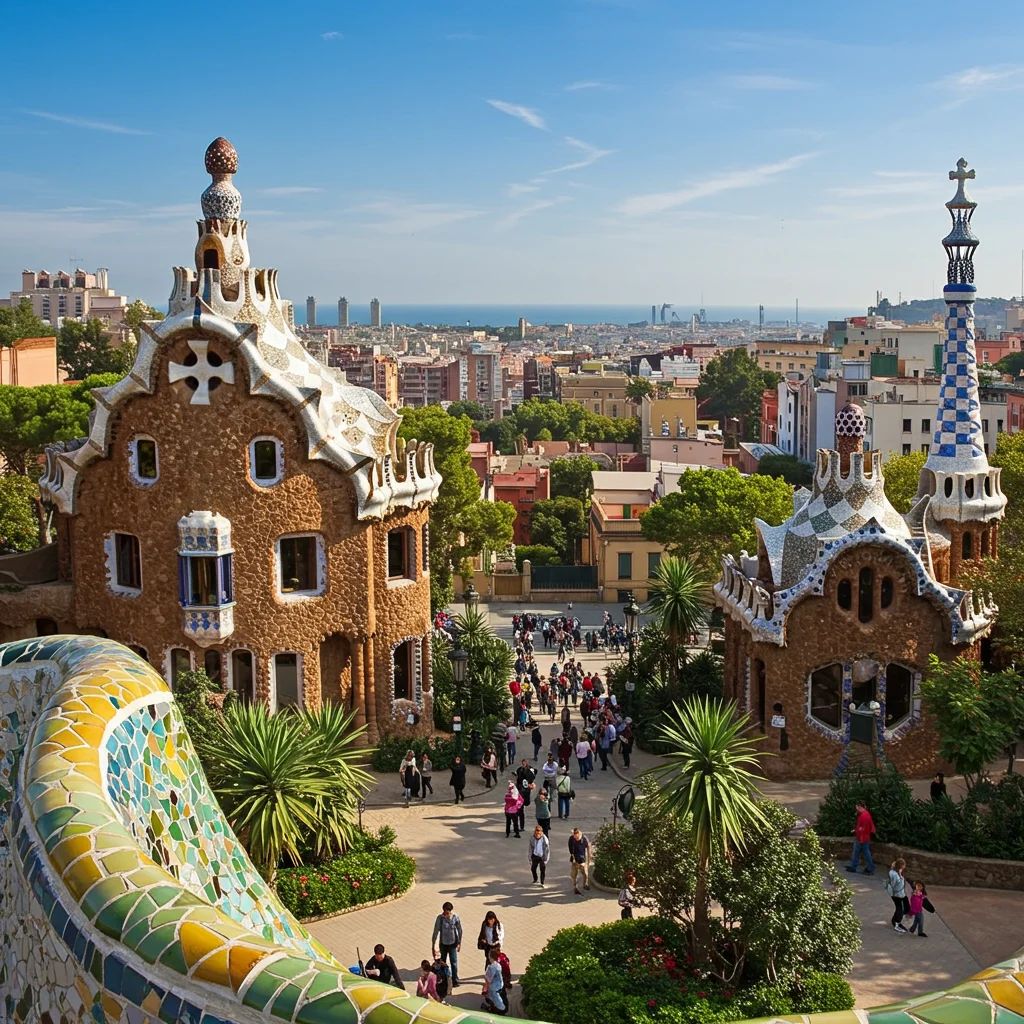
If you’re interested in seeing the best of Gaudí’s legacy, these are the places to prioritize.
Which Gaudí Sites Are UNESCO Recognized?
UNESCO has granted World Heritage status to seven of Gaudí’s works in and around Barcelona. These include Sagrada Família, Park Güell, Casa Batlló, Casa Milà (La Pedrera), Palau Güell, Casa Vicens, and the Crypt of Colònia Güell.
Each site was chosen for its artistic innovation, technical mastery, and contribution to modern architecture. Visiting these landmarks offers a comprehensive view of Gaudí’s genius.
How to Visit All of Gaudí’s UNESCO Sites in Barcelona
With careful planning, it’s possible to visit all of Gaudí’s UNESCO sites in a few days. Many are located within central Barcelona, making them accessible by public transport or on foot. We recommend grouping nearby sites into daily itineraries to minimize travel time.
Advance ticket purchases and early morning visits help you avoid crowds and enjoy each site at your own pace. Guided tours can provide additional context, especially for sites with limited interpretive materials on display.
Guided Tours vs. Self-Guided Gaudí Experiences
Deciding between a guided or self-guided Gaudí tour depends on your interests and travel style. Both options have advantages, and the best choice often comes down to personal preference and the amount of time you have available.
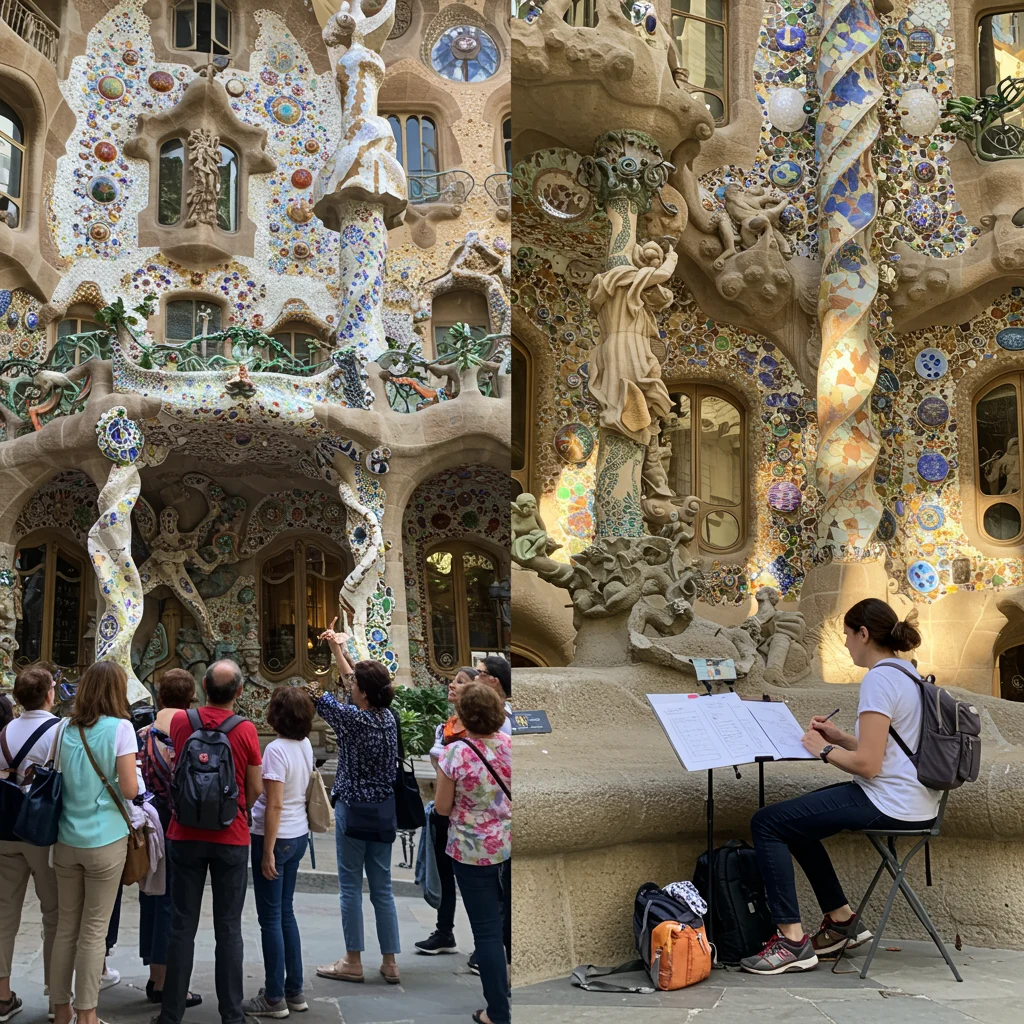
Below, we outline what to consider when planning your visit to Barcelona’s architectural treasures.
Should You Book a Guided Gaudí Tour?
Guided tours offer expert insights, historical context, and access to areas not always open to the public. They are ideal for first-time visitors or those who want a deeper understanding of Gaudí’s work. Guides can answer questions and adapt tours to your interests.
Group sizes and durations vary, so check details before booking. Some tours combine multiple sites, saving you time and providing a cohesive experience.
Recommended Self-Guided Routes
Self-guided tours offer flexibility and the freedom to linger at your favorite sites. Many Gaudí landmarks provide detailed audio guides and interpretive materials, making it easy to explore independently. We suggest starting with central sites such as Casa Batlló and Casa Milà, then branching out to Park Güell and the Sagrada Família.
For inspiration on crafting your own walking itinerary, consider our approach in Miami Uncovered, where we share strategies for balancing must-see attractions with local discoveries.
Family-Friendly Gaudí Activities in Barcelona
Gaudí’s colorful, imaginative buildings are naturally appealing to children. Many sites offer activities designed specifically for families, making Barcelona a great destination for visitors of all ages.

Interactive exhibits, scavenger hunts, and creative workshops help bring Gaudí’s world to life for young travelers.
Interactive Experiences for Kids
Several Gaudí sites offer family-friendly audio guides, activity booklets, and hands-on workshops. Park Güell and Casa Batlló, in particular, have interactive exhibits that encourage children to engage with architecture and design.
Look for special events and educational programs during school holidays. Many museums and cultural centers in Barcelona also feature Gaudí-themed activities, ensuring fun and learning for the whole family.
Gaudí for Art and History Lovers
For those with a passion for art and history, Barcelona offers a wealth of opportunities to deepen your understanding of Gaudí’s life and legacy. In addition to visiting his buildings, you can attend lectures, workshops, and special exhibitions dedicated to his work.
Local universities and cultural institutions frequently host events that explore Gaudí’s techniques, influences, and impact on modern architecture.
Workshops, Lectures, and Special Exhibitions
The Sagrada Família and Casa Batlló often organize talks and workshops for visitors interested in architectural history and design. Temporary exhibitions provide new perspectives on Gaudí’s work, featuring original plans, models, and photographs.
Check the event calendars of Barcelona’s museums and cultural centers for upcoming lectures and guided tours. These experiences offer valuable opportunities for learning and discussion.
Where to Find Gaudí-Inspired Souvenirs
Bringing home a souvenir is a wonderful way to remember your time in Barcelona. The city is filled with shops and markets offering Gaudí-inspired gifts, from ceramics and jewelry to art prints and books.
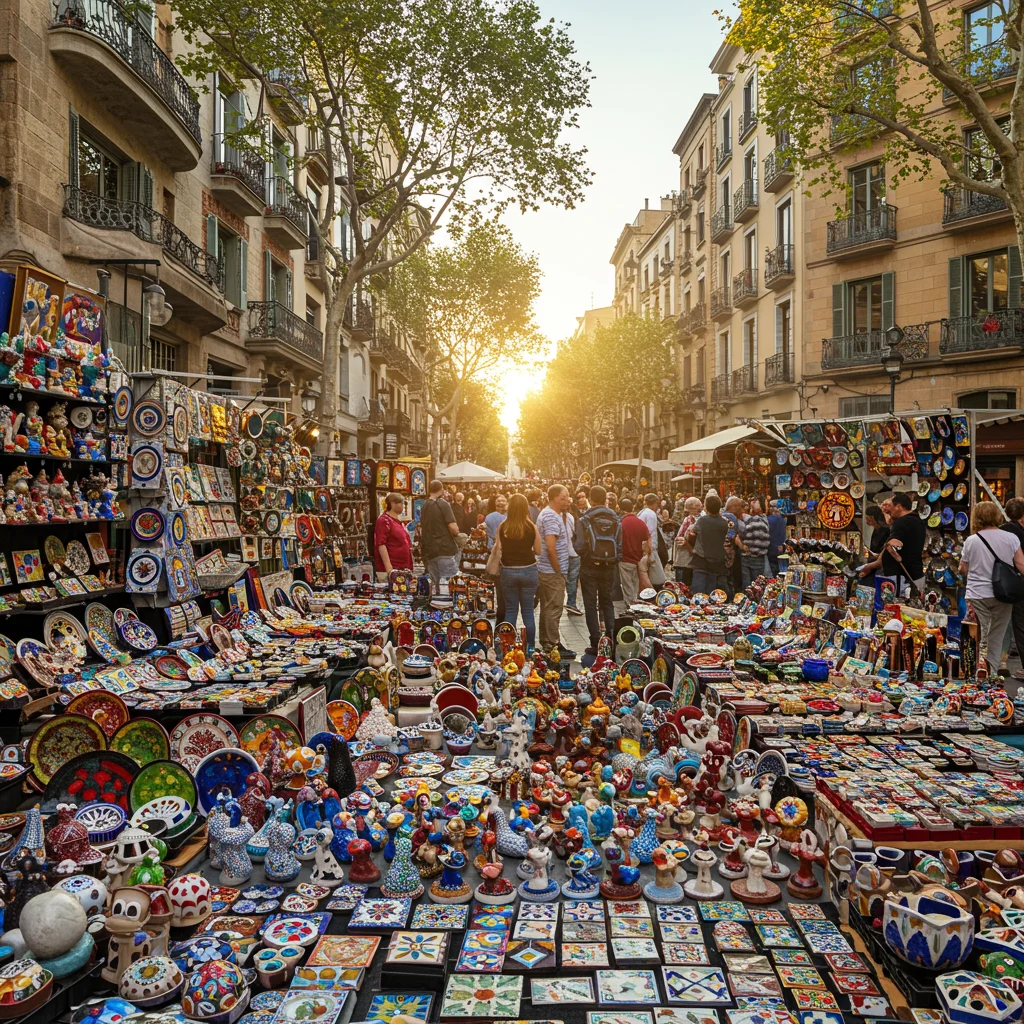
Whether you’re looking for a unique keepsake or a special gift, you’ll find plenty of options near the major Gaudí sites.
Best Shops and Markets for Gaudí Memorabilia
Official gift shops at Sagrada Família, Park Güell, and Casa Batlló offer high-quality reproductions and exclusive merchandise. You’ll find everything from mosaic-patterned mugs to scale models of Gaudí’s buildings.
For a broader selection, visit artisan markets such as Mercat de la Boqueria or El Born Cultural Center. These venues feature local craftspeople who create one-of-a-kind pieces inspired by Gaudí’s art.
Dining Near Gaudí’s Landmarks
Barcelona’s culinary scene is as diverse as its architecture. After a day spent touring Gaudí’s masterpieces, you’ll find numerous restaurants and cafés nearby offering everything from traditional Catalan dishes to international cuisine.
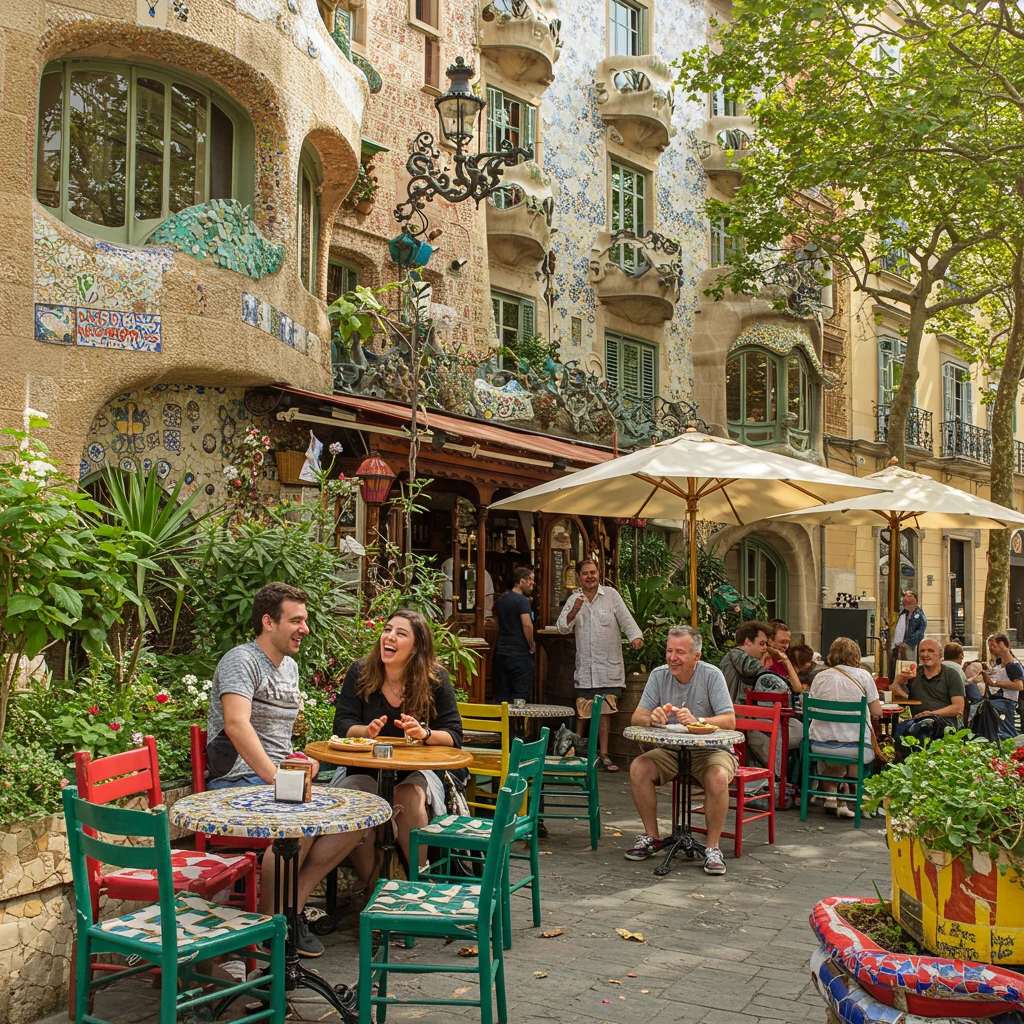
Many eateries are located within walking distance of the main attractions, making it easy to enjoy a relaxing meal without straying far from your itinerary.
Top Restaurants and Cafés Close to Major Gaudí Sites
Near Sagrada Família, you’ll find several casual cafés and bakeries known for their excellent coffee and pastries. For a more substantial meal, try restaurants on Carrer de Mallorca or Avinguda Diagonal, which offer both local and fusion menus.
Passeig de Gràcia, home to Casa Batlló and Casa Milà, is lined with stylish bistros and tapas bars. Many offer terrace seating with views of Gaudí’s buildings, allowing you to enjoy the architecture while dining. Reservations are recommended during busy periods.
Photography Tips: Capturing Gaudí’s Creations
Gaudí’s buildings are a dream for photographers, with their vibrant colors, intricate details, and dramatic forms. Capturing their essence requires a blend of technical skill and creative vision.
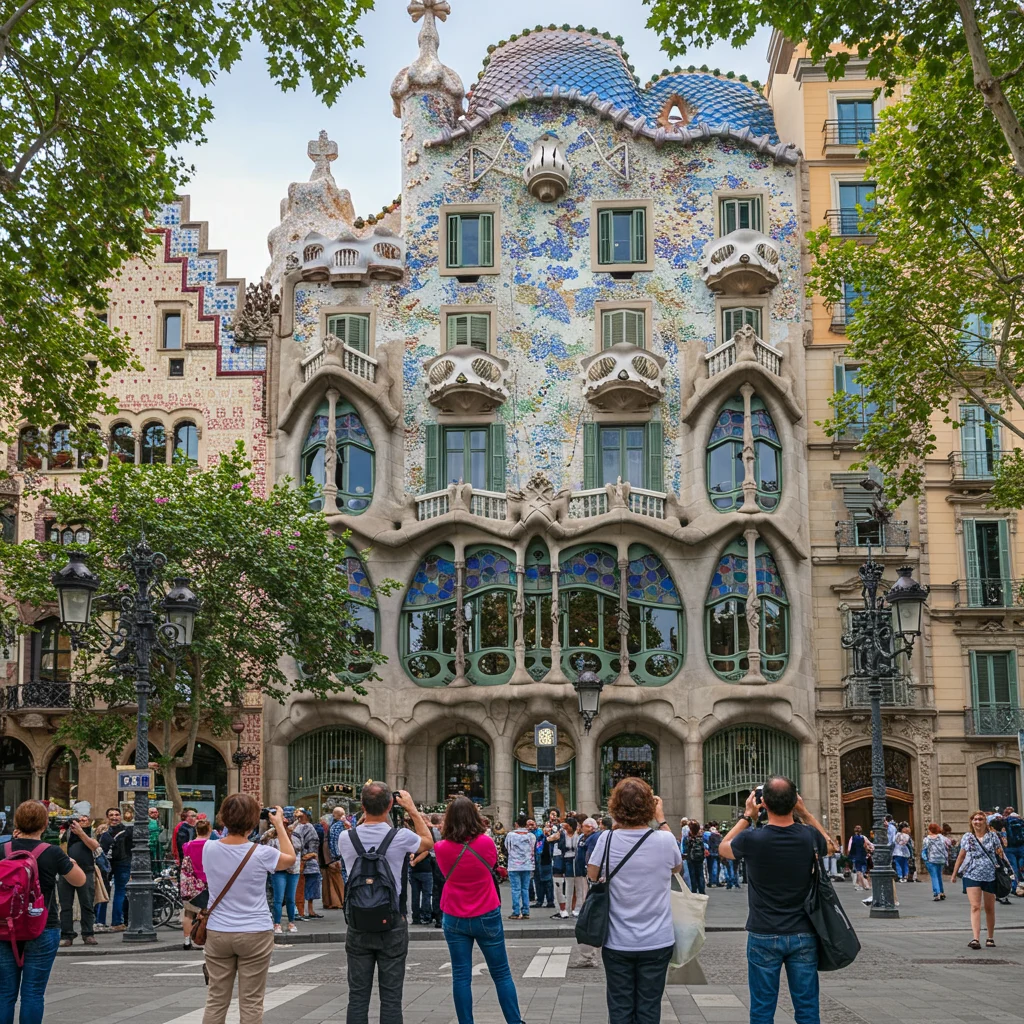
We share practical tips for photographing each of the main sites, ensuring you return home with stunning images.
Best Photo Spots at Each Gaudí Landmark
At Sagrada Família, the best exterior shots are from Plaça de Gaudí and Plaça de la Sagrada Família, where you can capture the basilica reflected in the pond. Inside, look for the interplay of light and columns for dramatic compositions.
Park Güell’s main terrace offers panoramic views of the city, framed by the colorful serpentine bench. For Casa Batlló and Casa Milà, shoot from across Passeig de Gràcia to include the full façade in your frame. Early morning and late afternoon offer the best light for exterior photos.
How to Avoid the Crowds When Touring Gaudí’s Barcelona
Barcelona’s popularity means that Gaudí’s landmarks can become crowded, especially during peak travel seasons. With a few strategic choices, you can enjoy a more peaceful and rewarding experience.
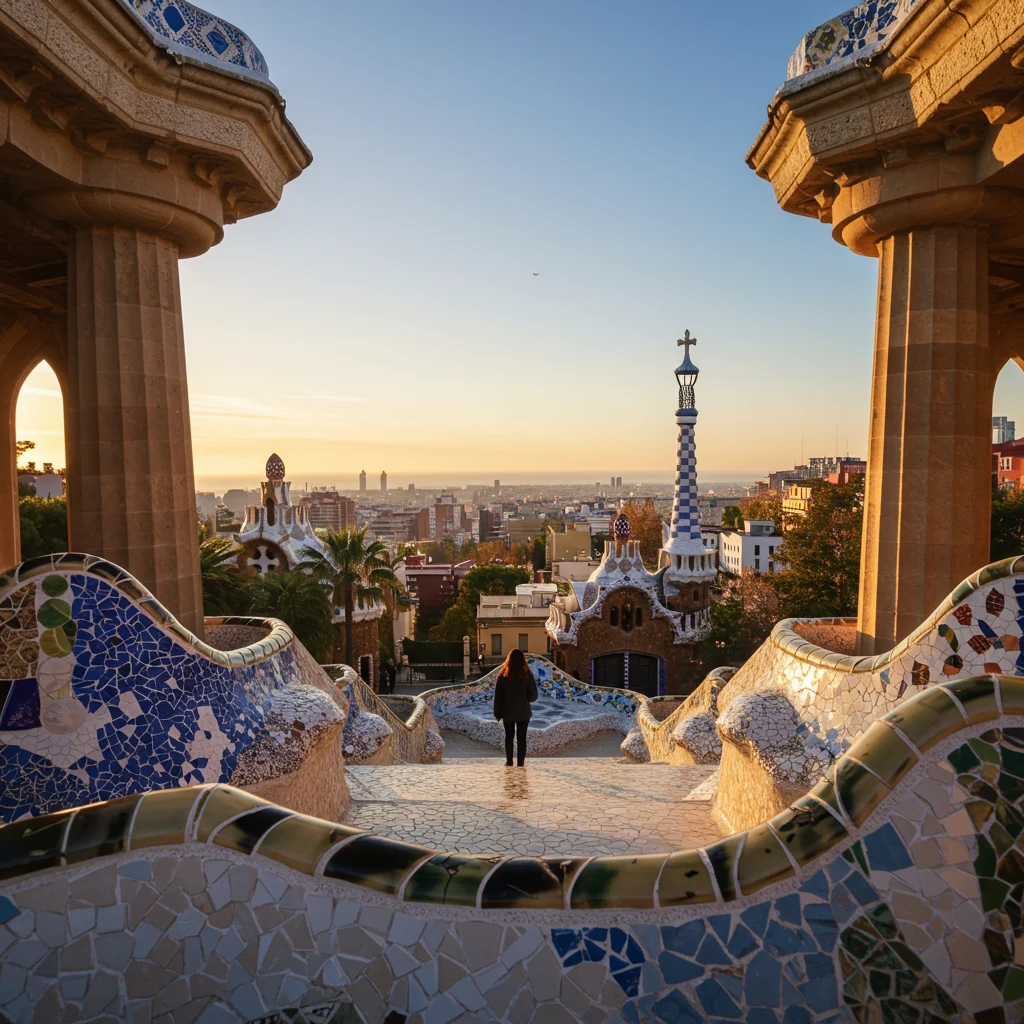
Here, we offer advice on timing and tactics for visiting the city’s top attractions with fewer people around.
Early Morning and Late Evening Strategies
The quietest times to visit Gaudí sites are early in the morning, just after opening, and late in the evening before closing. Not only will you encounter fewer visitors, but the changing light enhances the architectural details.
Advance ticket booking allows you to secure the earliest time slots. Consider visiting popular sites on weekdays rather than weekends, and plan your itinerary to avoid peak hours whenever possible.
Accessibility: Visiting Gaudí Sites with Mobility Needs
Barcelona is committed to making its cultural landmarks accessible to all visitors. Many of Gaudí’s sites have been adapted to accommodate those with mobility challenges, offering ramps, elevators, and accessible restrooms.
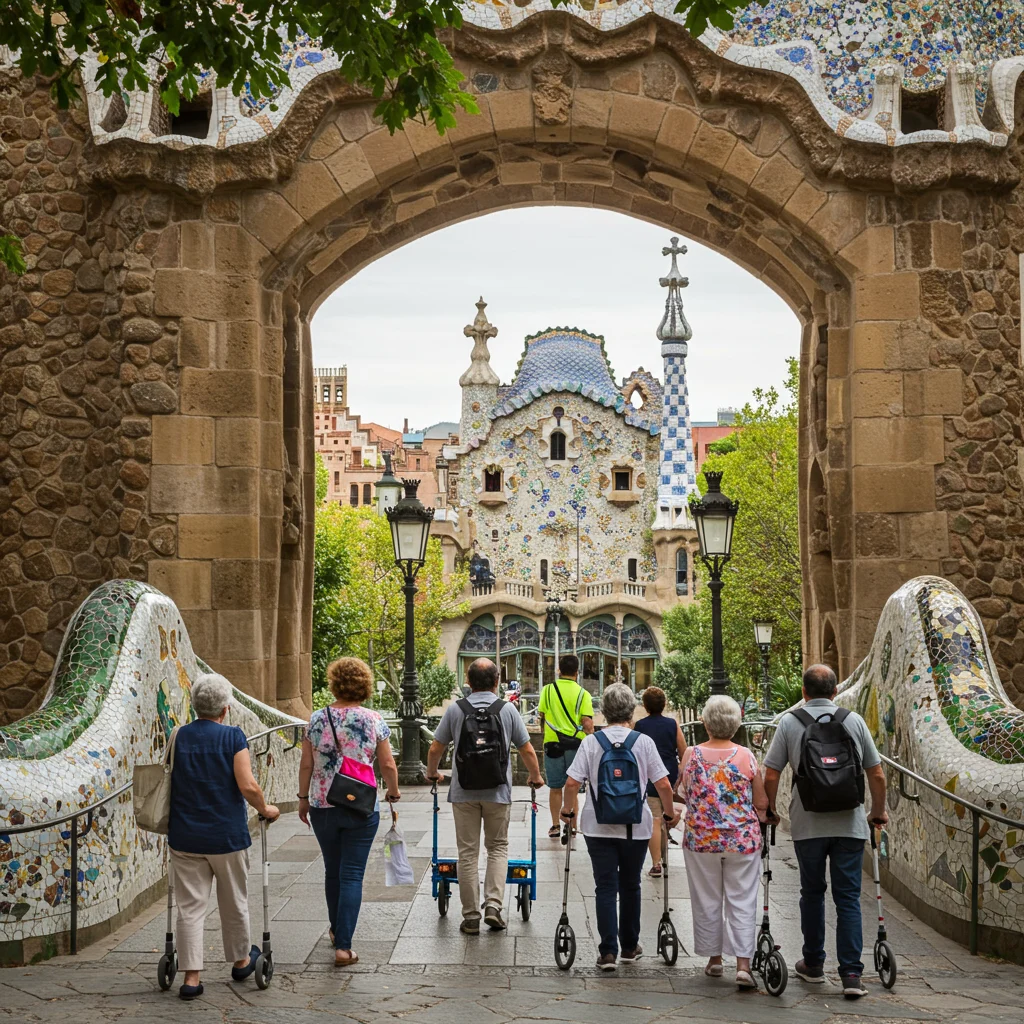
It’s important to check each site’s specific facilities before your visit, as historic buildings may have some limitations.
Facilities and Services for Visitors with Disabilities
Sagrada Família, Park Güell, and Casa Batlló all provide accessible entrances, elevators, and adapted restrooms. Wheelchair rentals and guided tours for visitors with special needs are available at many locations.
Staff are trained to assist visitors with disabilities, and most sites offer free or discounted admission for companions. Detailed accessibility information can be found on each landmark’s official website or by contacting their visitor services.
Sustainable Tourism: Respecting Gaudí’s Legacy
Preserving Gaudí’s architectural heritage requires responsible tourism. By making mindful choices, we can help protect these masterpieces for future generations while supporting the local community.
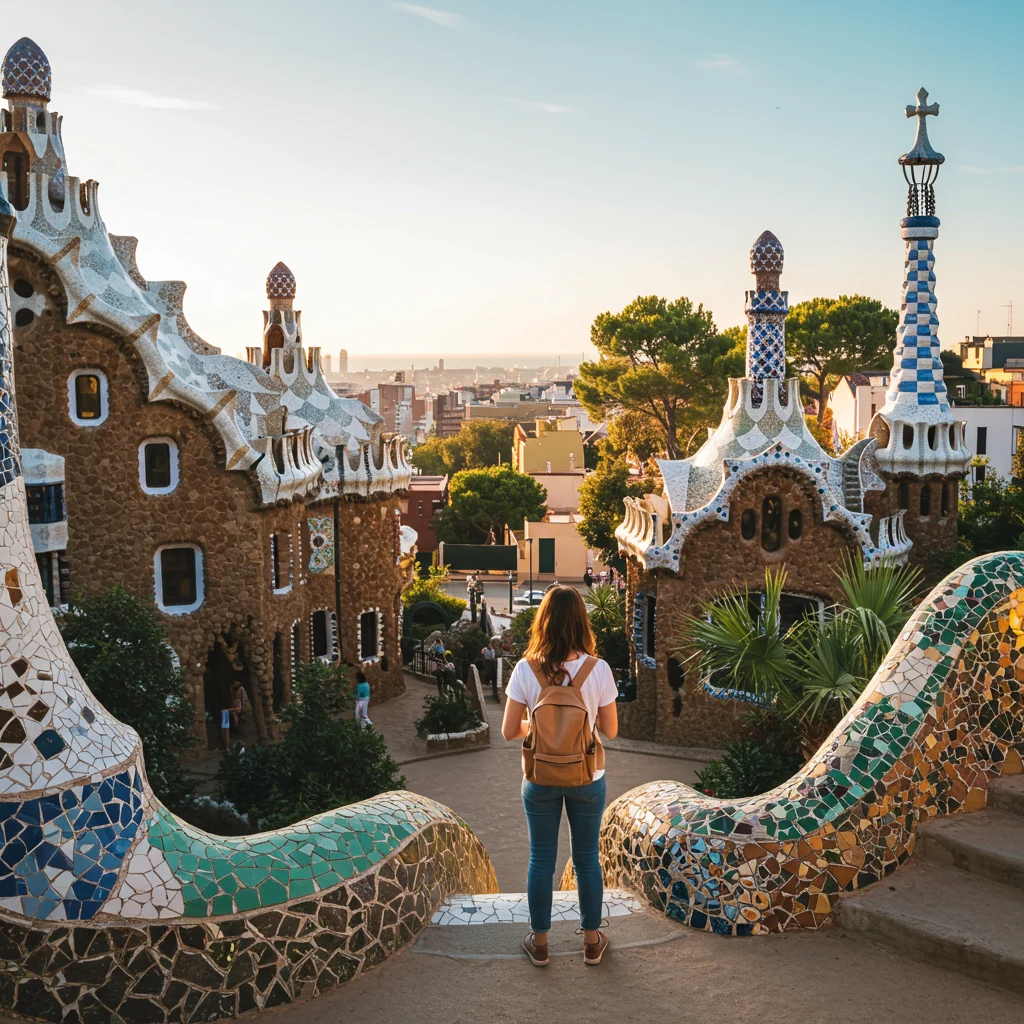
Below, we share practical tips for being a respectful and sustainable visitor to Barcelona’s Gaudí sites.
How Can You Be a Responsible Visitor?
Follow posted guidelines and respect restricted areas to prevent damage to fragile surfaces. Avoid touching artworks and decorative elements, and refrain from using flash photography where prohibited.
Support local businesses by purchasing souvenirs and dining at nearby restaurants. Use public transport or eco-friendly options to reduce your environmental impact. By traveling thoughtfully, you help preserve Barcelona’s cultural treasures for everyone to enjoy.
Conclusion: Experiencing the Magic of Gaudí in Barcelona
Touring Gaudí’s Barcelona is an unforgettable experience, offering insight into the mind of one of architecture’s greatest visionaries. Whether you’re marveling at the columns of Sagrada Família, strolling through the mosaics of Park Güell, or uncovering hidden gems off the beaten path, each site reveals a new facet of Gaudí’s creative genius.
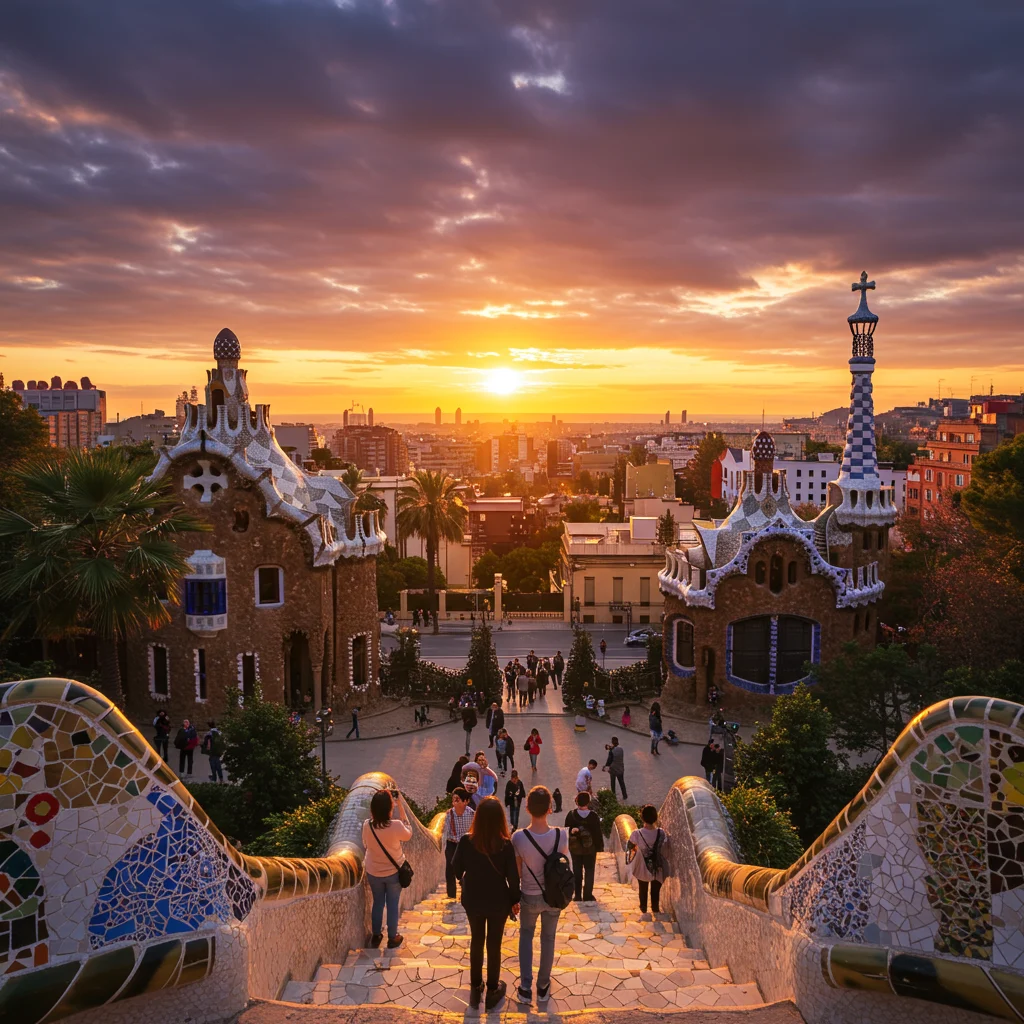
We hope this guide helps you plan a smooth, engaging, and meaningful journey through Barcelona’s architectural wonders. For more expertly curated travel tips and unique tour ideas, visit Tour Cuts and start planning your next adventure.