


Why Choose a Helicopter Tour to Everest Base Camp?
A helicopter tour to Everest Base Camp offers a unique and efficient way to see some of the world’s most iconic landscapes. Unlike traditional trekking, the aerial route provides breathtaking panoramic views in a fraction of the time. For many, this is the ultimate way to witness the majesty of the Himalayas without the physical demands of a multi-day hike.
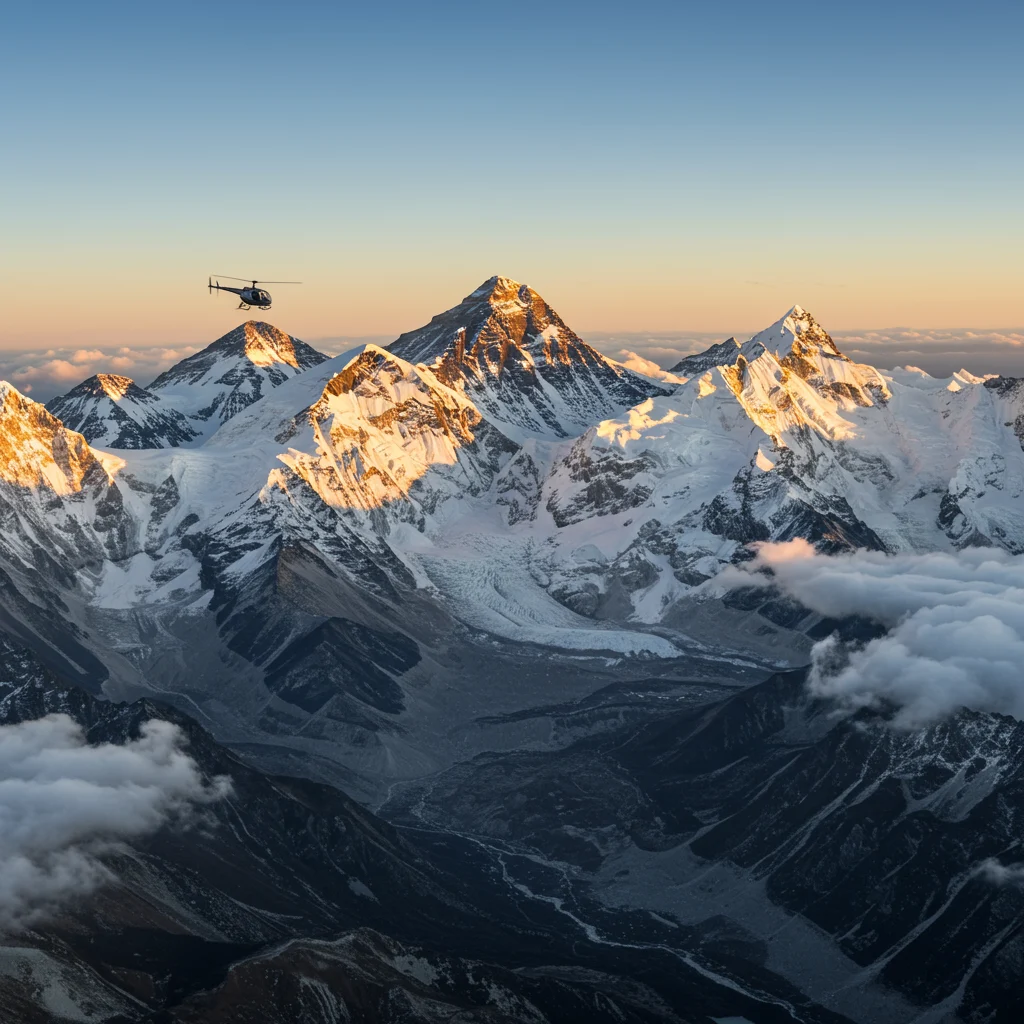
This section examines why so many travelers are drawn to the Everest Base Camp helicopter experience. We will explore the allure of the destination, compare it to trekking, and discuss who will benefit most from this high-altitude adventure.
What Makes Everest Base Camp a Bucket-List Destination?
Everest Base Camp is synonymous with adventure and achievement. Standing at the foot of the world’s tallest mountain is a dream for mountaineers, trekkers, and adventure seekers alike. The region’s dramatic landscapes, rich Sherpa culture, and the sheer scale of Everest make it a place like no other.
The base camp itself sits at an elevation of 5,364 meters, surrounded by towering peaks and ancient glaciers. For many, the chance to see Everest up close is a lifelong ambition. A helicopter tour makes this possible for travelers who may not be able to commit to a lengthy trek.
Comparing Helicopter Tours vs. Trekking: Which Is Right for You?
Both trekking and helicopter tours offer distinct ways to reach Everest Base Camp. Trekking provides an immersive journey through villages, forests, and valleys, allowing for gradual acclimatization and cultural experiences. However, it requires days or even weeks of walking at high altitude.
A helicopter tour, on the other hand, is ideal for those with limited time or physical constraints. You can witness the same stunning scenery from above and land at key points for short visits. If you appreciate convenience and comfort, the helicopter option may be the better fit.
Who Should Consider a Helicopter Tour?
Helicopter tours are well-suited to a wide range of travelers. If you have time constraints, health concerns, or simply prefer a more comfortable way to see Everest, this experience is for you. It’s also popular among photographers seeking unique aerial shots, families traveling with children, and older adventurers.
Additionally, those who have already trekked in the region may opt for a helicopter tour to gain a new perspective. The flexibility and efficiency of this mode of travel make it accessible to almost anyone eager to witness Everest’s grandeur.
Overview of the Everest Base Camp Helicopter Experience
Taking a helicopter to Everest Base Camp is a well-orchestrated experience, designed to maximize comfort and safety while providing unforgettable views. Whether you choose a group or private charter, every detail is carefully managed to ensure a seamless journey.
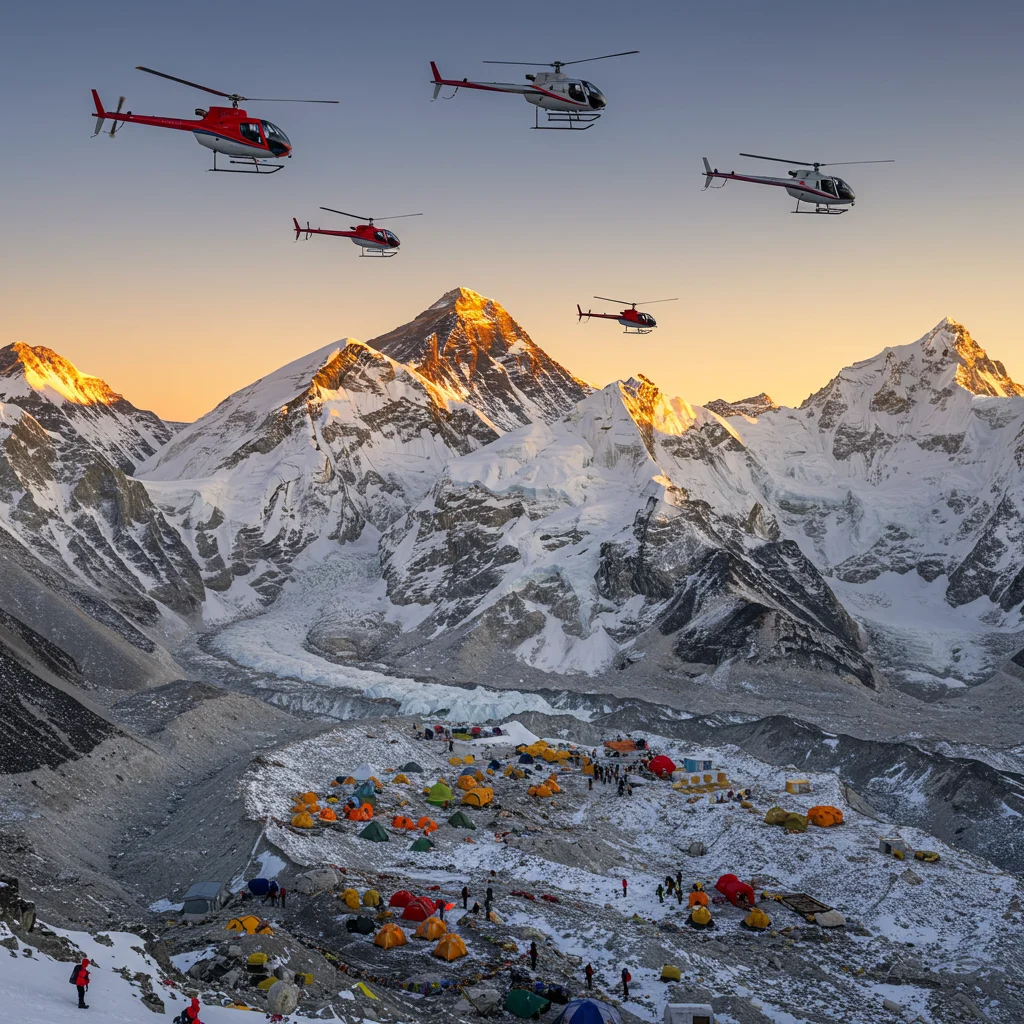
Let’s break down what the typical helicopter tour involves, how long it takes, and the most popular itineraries available.
What to Expect from Start to Finish
Your Everest helicopter adventure usually begins with a hotel pickup in Kathmandu. After a short drive to the airport, you will meet your pilot and receive a safety briefing. The helicopter then lifts off, offering immediate views of the sprawling Kathmandu Valley as you head east toward the Himalayas.
The flight includes stops at key locations such as Lukla and often Syangboche or Kalapatthar. At each stop, you’ll have time to take photos and soak in the scenery. The highlight is the landing at or near Everest Base Camp, where you can step out and experience the legendary site firsthand.
How Long Does the Helicopter Tour Take?
Most Everest Base Camp helicopter tours last between four to five hours from start to finish. This includes hotel transfers, pre-flight checks, and all stops along the route. The actual flight time varies depending on weather and the specific itinerary.
You’ll typically spend 10 to 15 minutes at high-altitude landing sites to minimize the risk of altitude sickness. The schedule is designed for both safety and enjoyment, giving you ample time to appreciate the views without overexposure to thin air.
Popular Itineraries for Everest Helicopter Tours
Tour operators offer several itinerary options, ranging from direct flights to Everest Base Camp to extended routes with scenic landings. Some packages include a breakfast stop at the famous Hotel Everest View, while others allow for additional sightseeing in Namche Bazaar or the Khumbu Glacier area.
Group tours are common and offer a cost-effective way to join others on the journey. Private charters provide more flexibility and personalized service. Many travelers opt for a mixed approach, combining a short trek with a helicopter return for the best of both worlds.
Best Time of Year for a Helicopter Trip to Everest Base Camp
Choosing the right season is essential for a successful helicopter journey to Everest Base Camp. Weather conditions in the Himalayas can change rapidly, so timing your trip can make a significant difference in visibility and comfort.
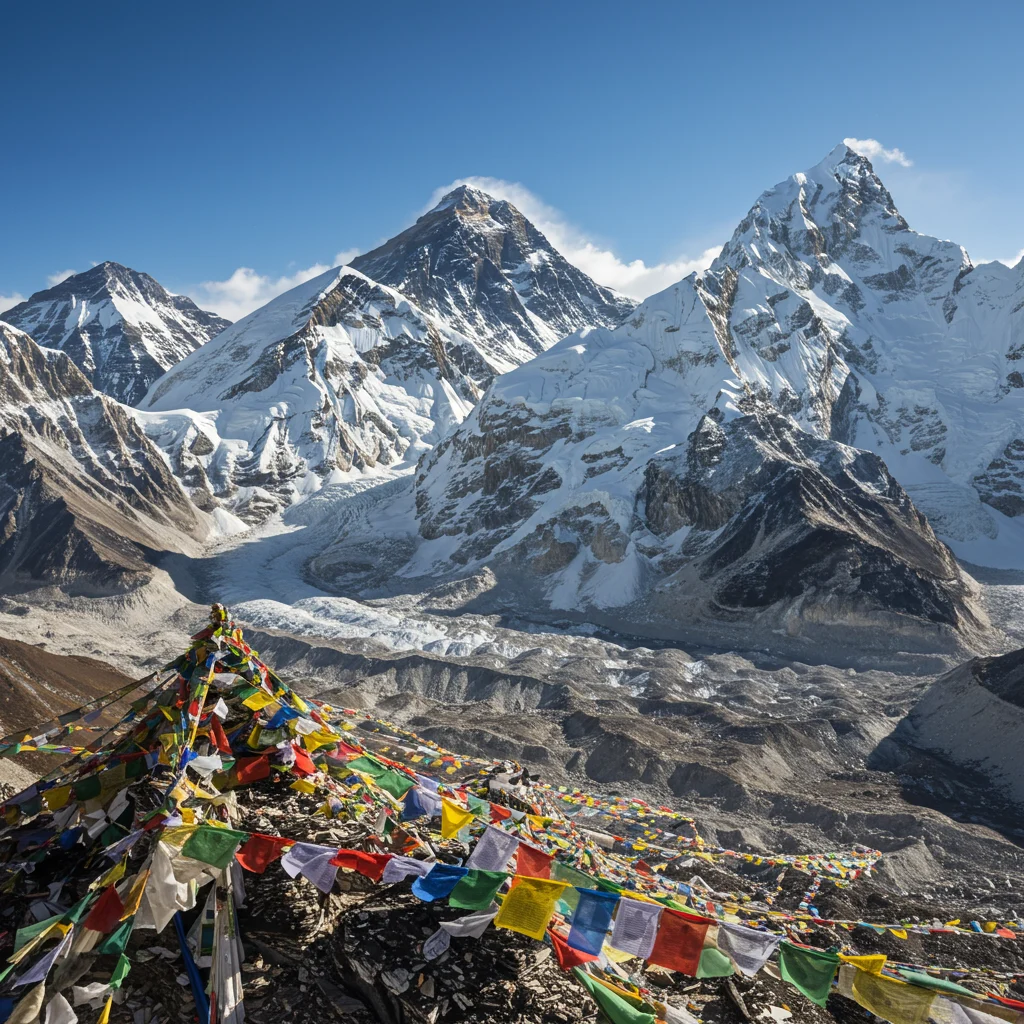
Let’s look at the typical weather patterns and weigh the advantages and disadvantages of visiting in each season.
Seasonal Weather Patterns in the Everest Region
The Everest region experiences four distinct seasons: spring, summer (monsoon), autumn, and winter. Spring, from March to May, brings mild temperatures and blooming rhododendrons. Autumn, from late September to November, offers clear skies and stable weather, making it the most popular season for helicopter flights.
The summer monsoon, from June to early September, brings heavy rain and cloud cover, which can lead to flight delays or cancellations. Winter, from December to February, is colder but often features crisp, clear mornings with fewer tourists.
Pros and Cons of Visiting in Each Season
Spring and autumn provide the best conditions for helicopter tours. You’ll benefit from excellent visibility and comfortable temperatures. However, these months are also the busiest, so booking in advance is recommended.
Traveling in winter means colder conditions but rewards you with serene landscapes and fewer crowds. Monsoon season is generally not recommended for helicopter tours due to poor visibility and flight disruptions. Always check with your operator for the latest weather updates before planning your trip.
How to Book Your Everest Base Camp Helicopter Tour
Booking a helicopter tour to Everest Base Camp involves careful research and planning. With several operators offering a range of services, it’s important to choose a company that prioritizes safety, reliability, and customer service.
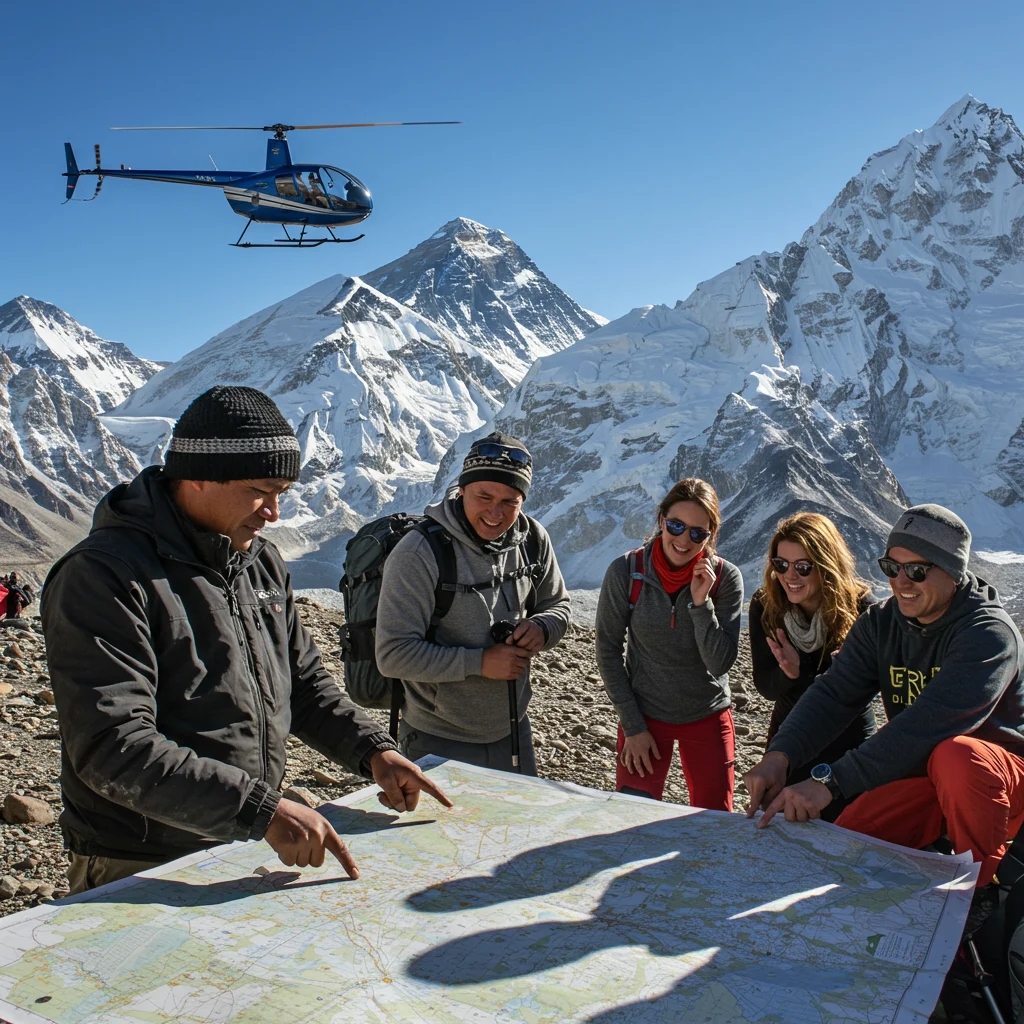
Let’s discuss how to select a reputable provider and what criteria to consider when making your reservation.
Choosing a Reputable Helicopter Operator
Selecting the right helicopter operator can make or break your Everest experience. Look for companies with a strong safety record, experienced pilots, and positive customer reviews. Most reputable providers are based in Kathmandu and have longstanding partnerships with local hotels and travel agencies.
Ask about the type of helicopters used, maintenance schedules, and insurance coverage. A transparent approach to safety and customer care is a good sign you’re in capable hands.
What Should You Look for in a Tour Company?
When evaluating tour providers, prioritize those with clear communication and comprehensive pre-flight briefings. Check if they offer flexible rescheduling in case of bad weather. It’s also wise to compare what’s included in each package, such as hotel transfers, meals, and permits.
Many travelers find it helpful to read recent testimonials and consult travel forums for up-to-date experiences. If you’re interested in other adventure activities, you might enjoy reading about parasailing in Fort Lauderdale for a different perspective on aerial adventures.
How Much Does an Everest Base Camp Helicopter Tour Cost?
The cost of a helicopter tour to Everest Base Camp varies based on several factors. Understanding the pricing structure will help you plan your budget and choose the best option for your needs.
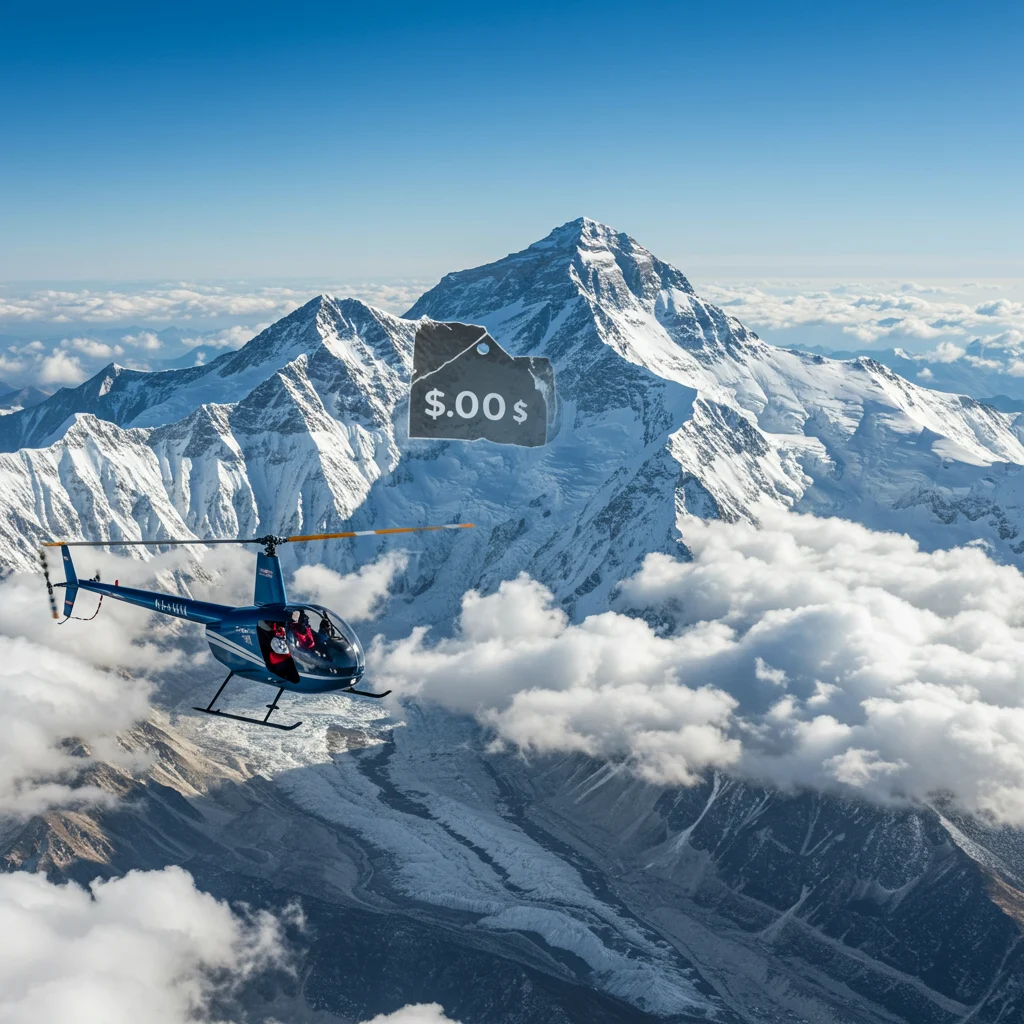
Let’s examine the main influences on price, compare group and private tours, and clarify what’s typically included.
Factors Affecting the Price
Several elements impact the cost of your helicopter tour. These include the type of helicopter, group size, itinerary complexity, and the time of year. Private charters are more expensive but offer greater flexibility and personalized service.
Additional stops, such as luxury breakfasts or extended sightseeing, may also increase the price. Always confirm the total cost upfront to avoid surprises.
Are Group or Private Tours Better Value?
Group tours are generally more affordable since the cost is shared among participants. These tours follow set schedules and routes, making them ideal for solo travelers or small groups on a budget.
Private tours cost more but provide exclusive use of the helicopter, customized itineraries, and extra amenities. If you’re celebrating a special occasion or seeking privacy, the extra investment may be worthwhile.
What’s Included in the Price?
Most helicopter tour packages include hotel transfers, airport taxes, permits, and fuel surcharges. Some operators provide breakfast or refreshments at scenic stops, especially on luxury itineraries.
Be sure to ask about extras such as oxygen, photography services, and tipping guidelines. Clear communication with your tour provider ensures you know exactly what to expect.
Helicopter Safety: What You Need to Know
Safety is a top priority for any Everest Base Camp helicopter tour. Operators in Nepal adhere to strict aviation standards, and pilots are highly trained for mountain flying.

Understanding the safety protocols and the qualifications of your crew can help you feel confident and prepared for the journey.
How Safe Are Helicopter Tours in Nepal?
Helicopter tours in Nepal are generally considered safe, thanks to robust regulations and experienced pilots. The Civil Aviation Authority of Nepal oversees all commercial flights, including regular maintenance checks and pilot certifications.
Most incidents are weather-related, so operators are vigilant about monitoring conditions. Flights may be delayed or canceled if safety cannot be guaranteed.
What Are the Safety Protocols and Briefings?
Before boarding, you’ll receive a comprehensive safety briefing covering seatbelt use, emergency procedures, and proper conduct during the flight. Crew members are trained to handle altitude-related issues and are equipped with oxygen supplies.
Always follow your pilot’s instructions and ask questions if anything is unclear. Your safety and comfort are their primary concern.
Meet the Pilots: Who Flies to Everest Base Camp?
Everest helicopter pilots are among the most skilled in the world. Many have thousands of flight hours and specialized training in high-altitude aviation.
They possess in-depth knowledge of the Everest region’s challenging terrain and weather patterns. Their expertise is one reason why the helicopter tour is a reliable and enjoyable way to reach base camp.
Preparing for Your Everest Base Camp Helicopter Adventure
Good preparation is key to making the most of your helicopter tour. Knowing what to pack and how to get ready will help you stay comfortable and fully enjoy the experience.
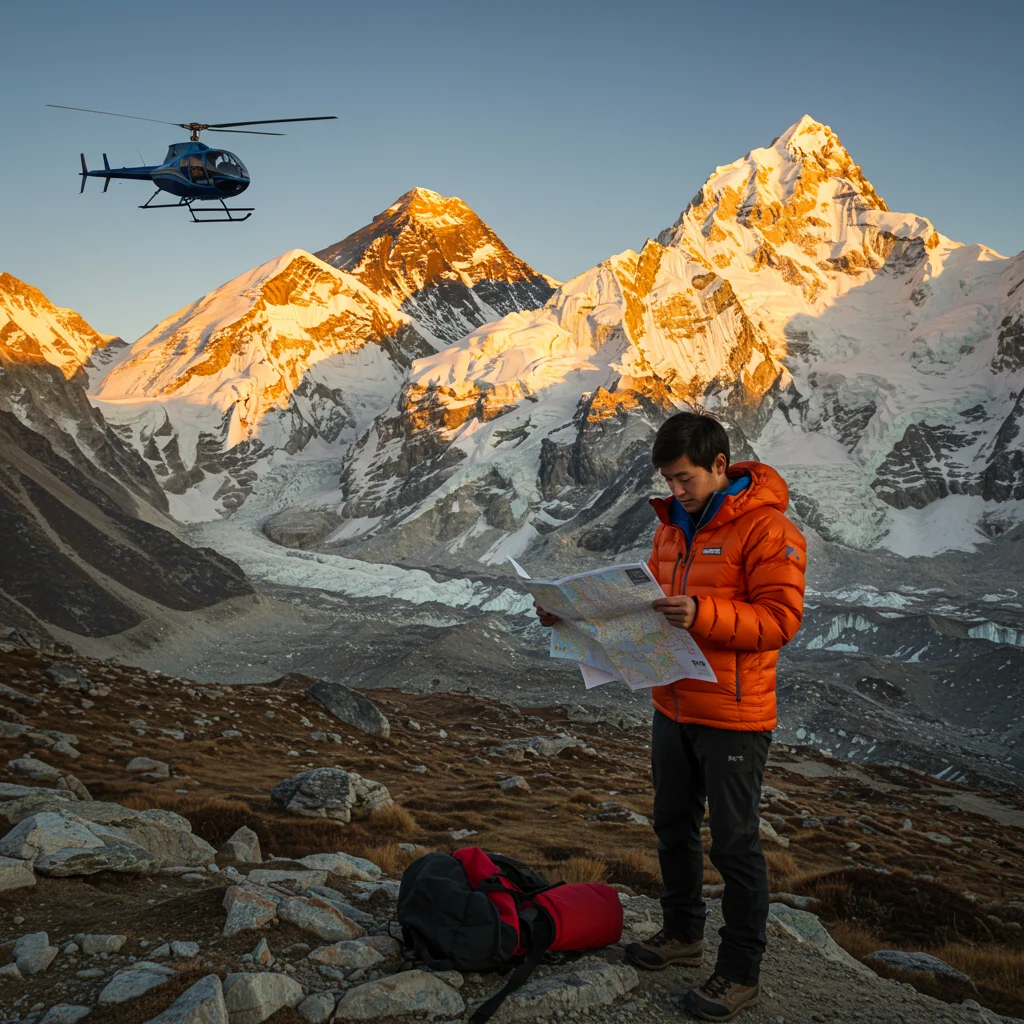
This section covers essential gear, clothing, and tips for capturing memorable photos from the sky.
What to Pack for a Helicopter Tour
Packing light but smart is important for helicopter travel, as there are limits on luggage weight and size. Dress in layers to adapt to changing temperatures, and bring only what you’ll need for the day.
Footwear should be sturdy and comfortable, especially for short walks at high-altitude stops. Sunglasses, sunscreen, and a camera are also must-haves.
Essential Clothing and Gear Checklist
To help you prepare, here’s a quick checklist of suggested items:
- Warm, layered clothing (thermal base, fleece, insulated jacket)
- Windproof outer shell
- Comfortable trekking shoes
- Hat, gloves, and scarf
- Sunglasses with UV protection
- Sunscreen and lip balm
- Camera or smartphone (with extra batteries)
- Small backpack for personal items
- Water bottle and snacks
Adjust your packing list based on the season and specific itinerary. Some operators may provide additional items such as oxygen or blankets.
Photography Tips: Capturing the Himalayas from the Sky
A helicopter tour offers stunning photo opportunities at every turn. Use a wide-angle lens to capture the scale of the mountains and switch to zoom for dramatic close-ups.
Keep your camera ready during takeoff and landing, as these moments often provide the best angles. If you’re interested in other action-packed adventures, check out our guide to ATV riding near you for more tips on photographing fast-moving experiences.
Health and Altitude: Staying Safe at High Elevations
Traveling to Everest Base Camp by helicopter minimizes exposure to high altitude, but it’s still important to understand the risks and prepare accordingly. Altitude sickness can affect anyone, regardless of age or fitness level.
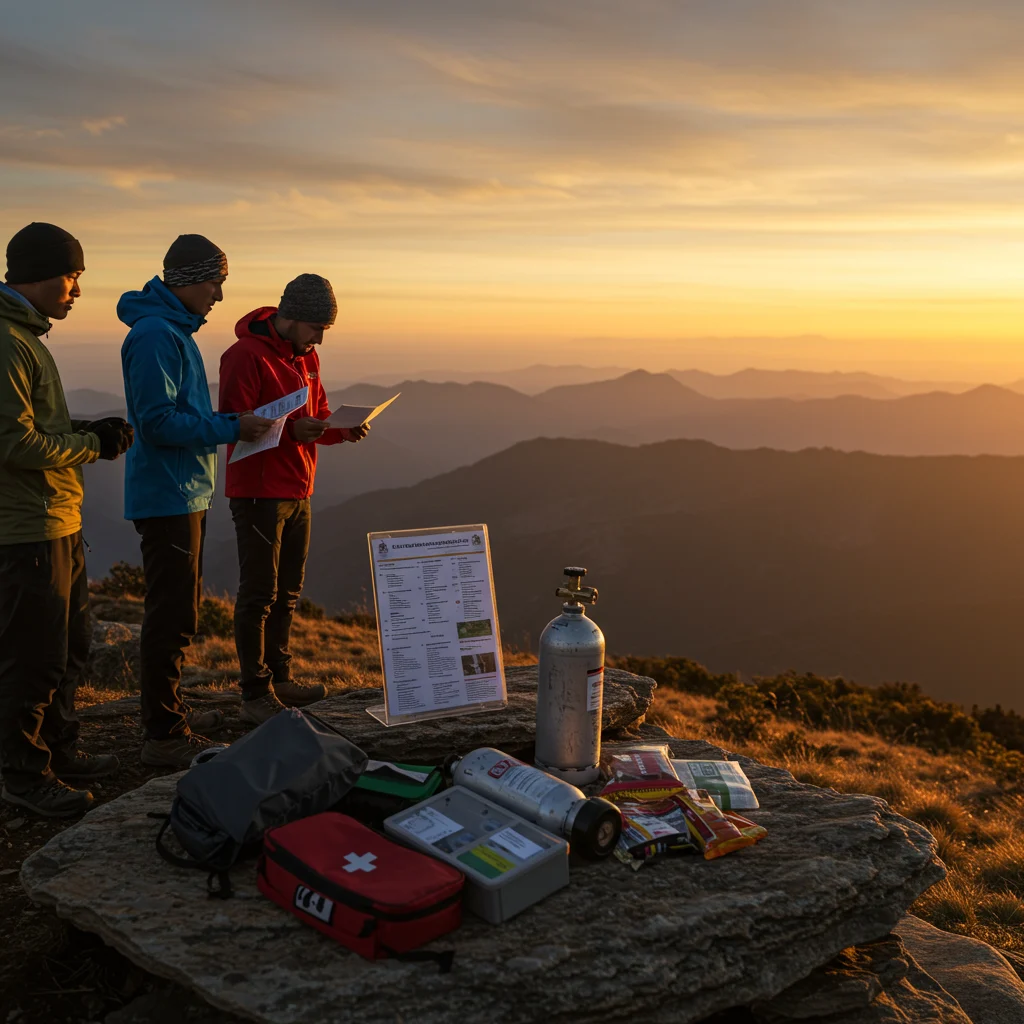
Let’s review the main risks, how to prepare, and what medical precautions are in place during your tour.
What Are the Risks of Altitude Sickness?
Altitude sickness, or Acute Mountain Sickness (AMS), occurs when your body struggles to adjust to lower oxygen levels at high elevations. Symptoms can include headache, nausea, dizziness, and shortness of breath.
Most helicopter tours limit time spent above 5,000 meters to reduce these risks. However, it’s important to be aware of your body’s signals and inform your crew if you feel unwell.
How to Prepare for High Altitude
Hydration is key to preventing altitude sickness. Drink plenty of water before and during your tour, and avoid alcohol or heavy meals beforehand. If you have a history of altitude issues, consult your doctor before booking.
Some travelers consider medication such as acetazolamide to aid acclimatization, but this should only be taken under medical supervision. Light activity and deep breathing can also help ease the transition to higher elevations.
Medical Precautions and Emergency Protocols
Helicopter operators are equipped with emergency oxygen and first aid supplies. Pilots and crew are trained in altitude response and can quickly descend if needed.
In rare cases, medical evacuation is possible, thanks to the helicopter’s ability to rapidly reach lower altitudes or Kathmandu hospitals. Always disclose any relevant health conditions to your tour provider before departure.
The Flight Route: Landmarks and Highlights
One of the greatest advantages of a helicopter tour is the chance to see multiple Himalayan landmarks in a single day. The flight path covers a range of scenery, from lush valleys to icy glaciers.
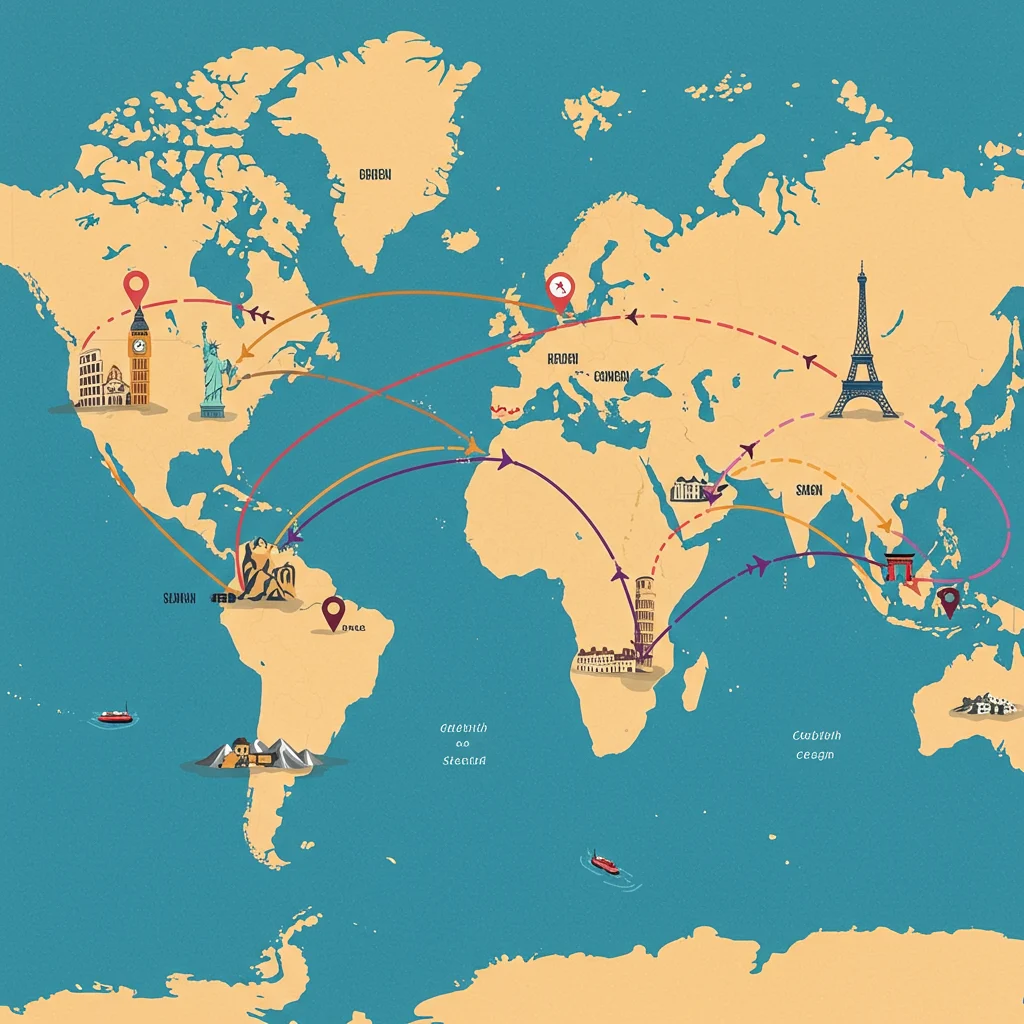
Below, we highlight the key segments of the journey and what to watch for along the way.
Kathmandu to Lukla: The Gateway to Everest
Your journey begins with a scenic flight from Kathmandu, Nepal’s vibrant capital. The helicopter quickly gains altitude, revealing terraced hills, rivers, and the distant snow-capped peaks.
Lukla is the traditional gateway to the Everest region, famous for its short runway and bustling trekking scene. Many tours stop here for refueling or to pick up additional passengers.
Scenic Stops: What Will You See Along the Way?
As you ascend, you’ll pass over picturesque Sherpa villages, ancient monasteries, and dramatic ridgelines. The views change rapidly, with each turn revealing new valleys and peaks.
Popular stops include Syangboche, known for its panoramic views, and the Khumbu Glacier, a vast river of ice stretching from Everest’s slopes. Photographers will appreciate the ever-changing light and shadow on the mountains.
Kalapatthar Landing: The Closest View of Everest
The highlight of most tours is the landing at Kalapatthar, a rocky outcrop near Everest Base Camp. At 5,545 meters, it offers the closest possible view of Mount Everest without climbing.
You’ll have time to step out, take photos, and absorb the awe-inspiring surroundings. This is often the moment travelers remember most, as the full scale of the Himalayas becomes clear.
Everest Base Camp: What Happens on Arrival?
Arriving at Everest Base Camp by helicopter is a thrilling experience. The landing zone is surrounded by tents, prayer flags, and the imposing faces of Everest and its neighboring peaks.
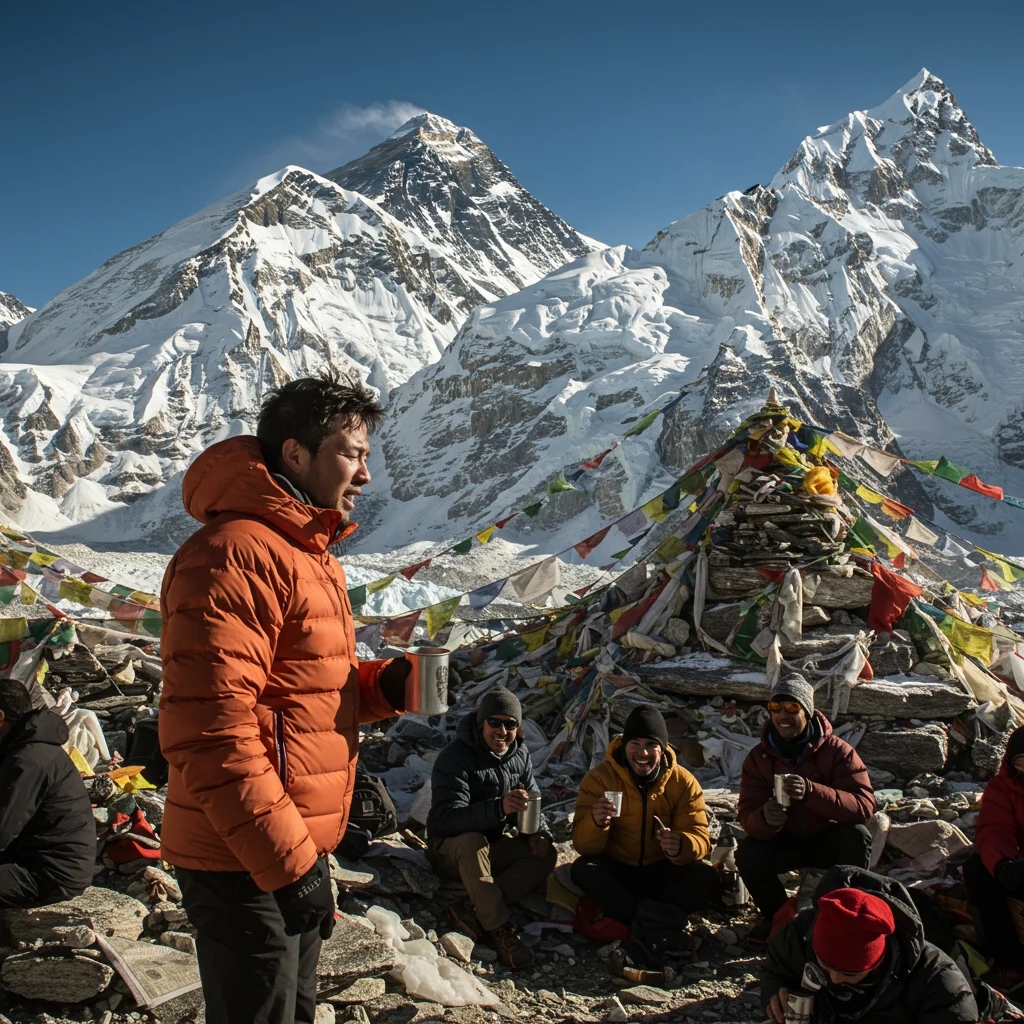
Here’s what you can expect during your brief but memorable time at base camp.
How Long Do You Spend at Base Camp?
Due to high altitude, most tours limit your stay at base camp or Kalapatthar to 10–15 minutes. This allows you to take photos, enjoy the view, and get a sense of the mountaineering atmosphere.
Short stays are essential for safety, as the body needs time to adjust to such elevations. Your pilot will advise when it’s time to reboard for the return journey.
Can You Interact with Climbers at Base Camp?
During peak climbing seasons, Everest Base Camp is a hive of activity, with climbers from around the world preparing for their ascent. While most helicopter visitors do not have extended interactions, you may have the chance to chat briefly with mountaineers or support staff.
Respect the privacy and focus of those preparing for their expedition. If you’re curious about other adventure communities, you might enjoy reading about ATV riding in Houston to see how enthusiasts connect in different settings.
What Facilities Are Available at Base Camp?
Facilities at Everest Base Camp are basic, reflecting its remote and temporary nature. There are no permanent buildings, but you may find tents for climbers, makeshift kitchens, and communication equipment.
Visitors should not expect amenities such as restrooms, shops, or restaurants. Bring your own water and snacks, and be prepared for rugged conditions during your short visit.
Luxury Everest Helicopter Experiences
For those seeking extra comfort and memorable touches, luxury helicopter tours to Everest Base Camp are available. These packages often include gourmet meals, private charters, and VIP services.
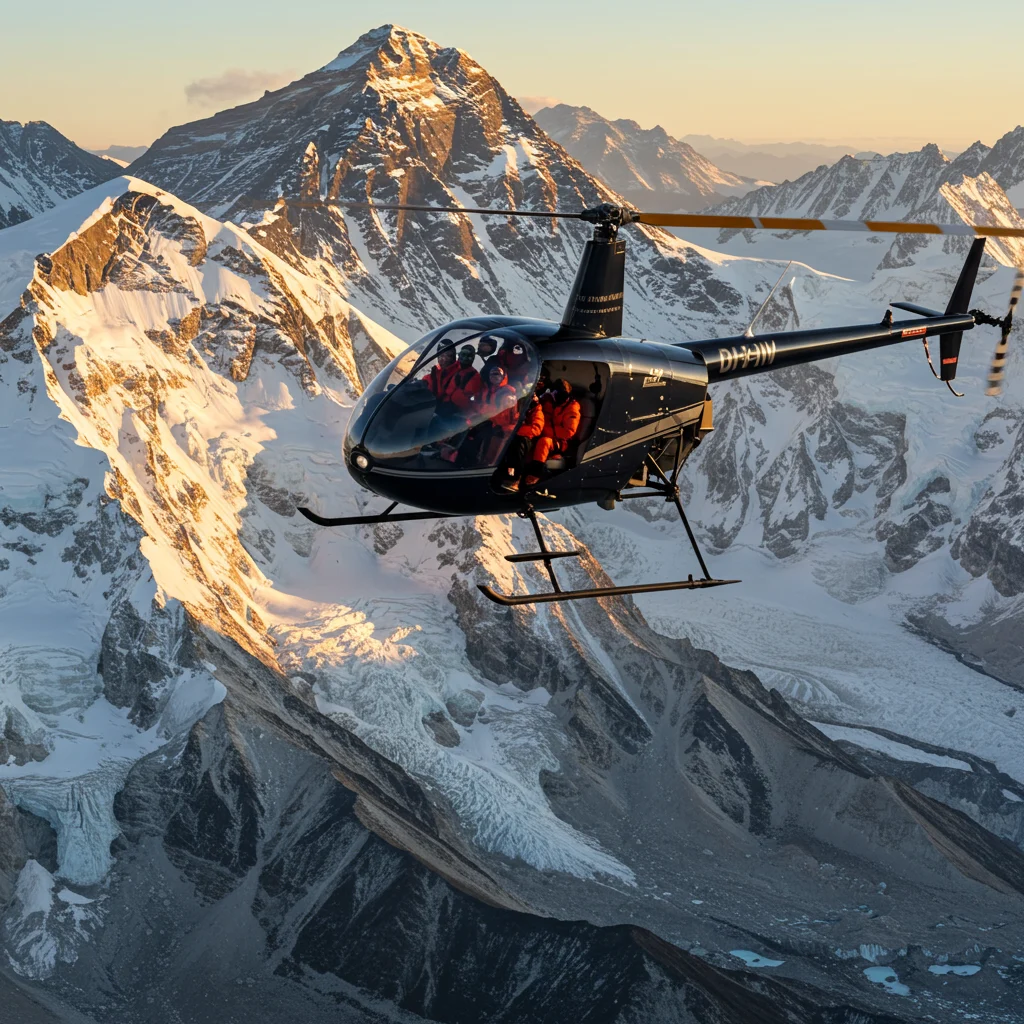
Let’s explore some of the most popular upgrades and what makes them special.
Champagne Breakfasts with a View
One of the highlights of a luxury Everest helicopter tour is the chance to enjoy a champagne breakfast at a scenic spot such as Hotel Everest View. With panoramic mountain views and attentive service, it’s a truly special way to celebrate your journey.
This experience is ideal for anniversaries, birthdays, or simply for those who appreciate the finer things in life. The combination of world-class scenery and fine dining is hard to match.
Private Charters and VIP Services
Private helicopter charters offer maximum flexibility and privacy. You can tailor the itinerary, choose your travel companions, and enjoy personalized attention from crew and ground staff.
VIP services often include fast-track airport procedures, luxury ground transfers, and exclusive amenities at scenic stops. These tours are popular with celebrities, business travelers, and anyone seeking a premium experience.
Everest Base Camp Helicopter Tours for Special Occasions
A helicopter flight to Everest Base Camp is a memorable way to mark a special occasion. Proposals, milestone birthdays, and family reunions are often celebrated with private charters and custom experiences.
Operators can arrange for cakes, flowers, banners, and professional photography to make your event truly unforgettable. If you’re interested in other unique celebrations, consider reading about jet ski adventures in Miami for a different kind of thrill.
Helicopter Tours for Families and Groups: What to Consider?
Traveling as a family or group brings added considerations when booking a helicopter tour. From age restrictions to accessibility, it’s important to plan ahead for a smooth and enjoyable experience.
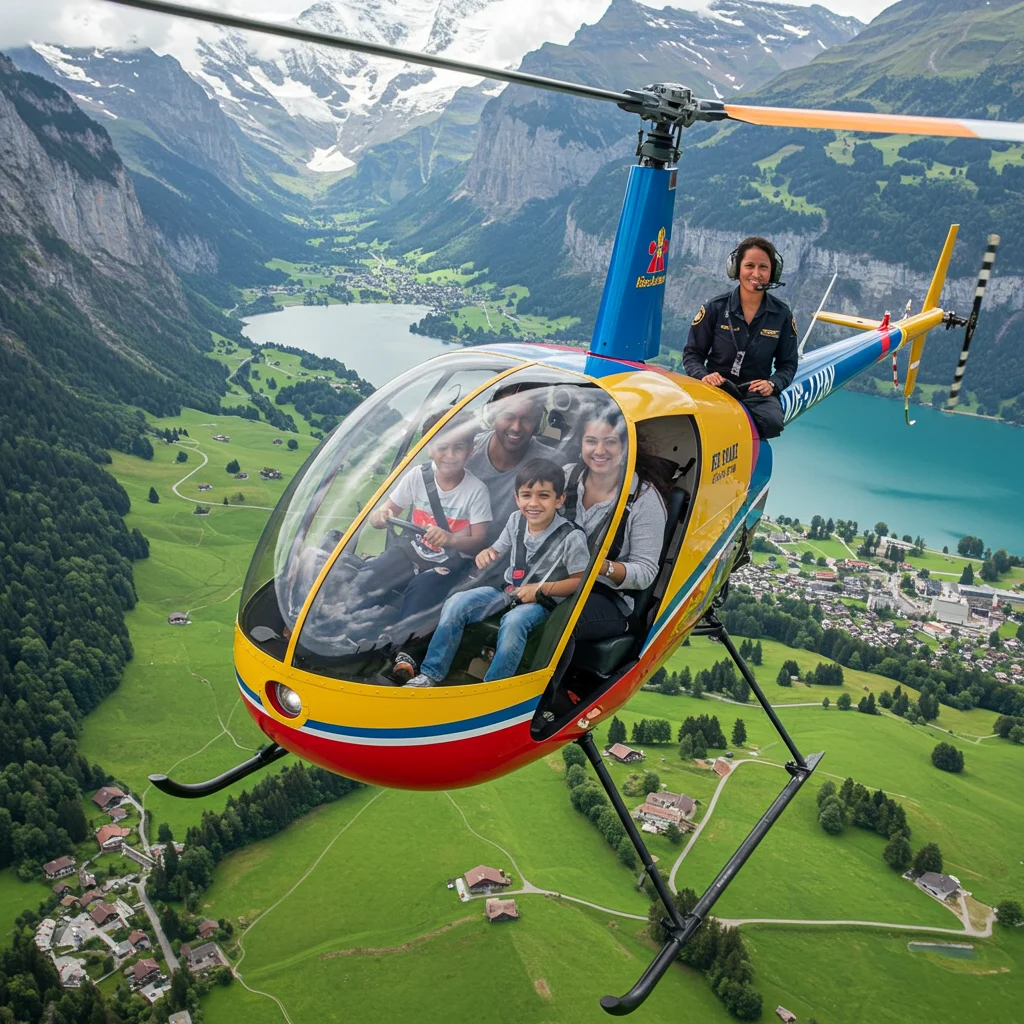
Here’s what you need to know before booking for your group or family.
Age Restrictions and Accessibility
Most operators set minimum age limits, typically around two years old, for helicopter tours to Everest Base Camp. There are often no upper age limits, provided passengers are in good health.
Helicopters are accessible for most people, but travelers with mobility issues should inform the operator in advance to ensure proper arrangements. Lightweight wheelchairs or walking aids may be accommodated on some flights.
Tips for Traveling with Kids or Seniors
When traveling with children or seniors, plan for their comfort and safety. Dress in warm layers, bring snacks and water, and keep the flight duration in mind. Brief younger travelers on safety rules before boarding.
If anyone in your group has health concerns, consult a doctor and notify your tour provider. Helicopter tours are a great way to share the Everest experience with loved ones who may not be able to trek.
Sustainability and Environmental Impact of Helicopter Tours
The growing popularity of helicopter tours brings new challenges for the fragile Everest ecosystem. Operators and travelers alike share responsibility for minimizing negative impacts on the environment and local communities.
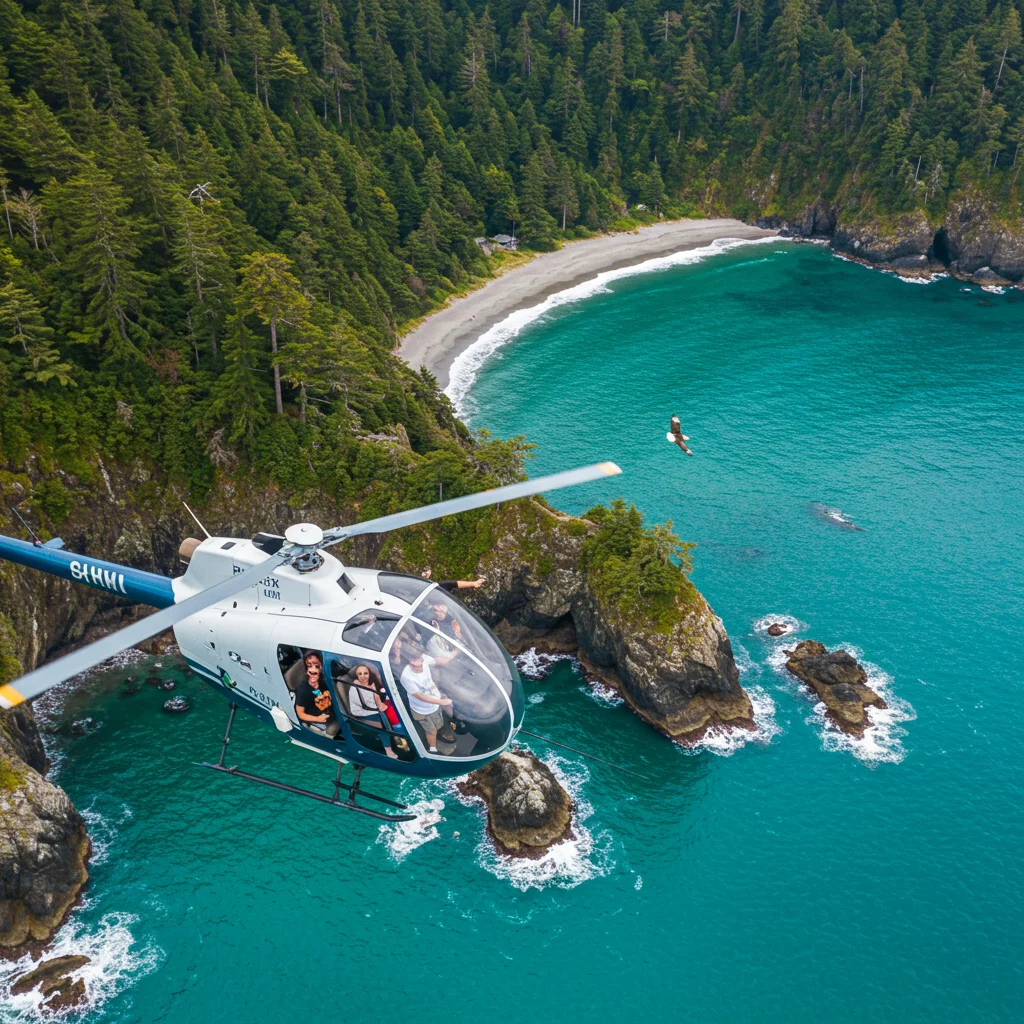
Let’s review how helicopter tours affect the region and what is being done to promote sustainability.
How Do Helicopter Tours Affect the Everest Region?
Helicopter flights contribute to noise pollution, increased carbon emissions, and potential disruption to wildlife. The influx of tourists can also place strain on local resources and infrastructure.
Responsible operators work to limit the number of flights and follow designated routes to minimize disturbance. Travelers can help by choosing eco-friendly providers and respecting local customs.
What Are Operators Doing to Minimize Impact?
Many helicopter companies are investing in newer, more fuel-efficient aircraft and offsetting carbon emissions through reforestation projects. Some support local environmental initiatives and community development programs.
Travelers can do their part by following Leave No Trace principles and supporting businesses that prioritize environmental stewardship. For more on responsible travel and outdoor activities, see our guide to renting a jet ski and exploring waterways sustainably.
Frequently Asked Questions About Everest Base Camp Helicopter Tours
Travelers often have questions about the logistics, safety, and flexibility of a helicopter tour to Everest Base Camp. Here, we address some of the most common concerns.
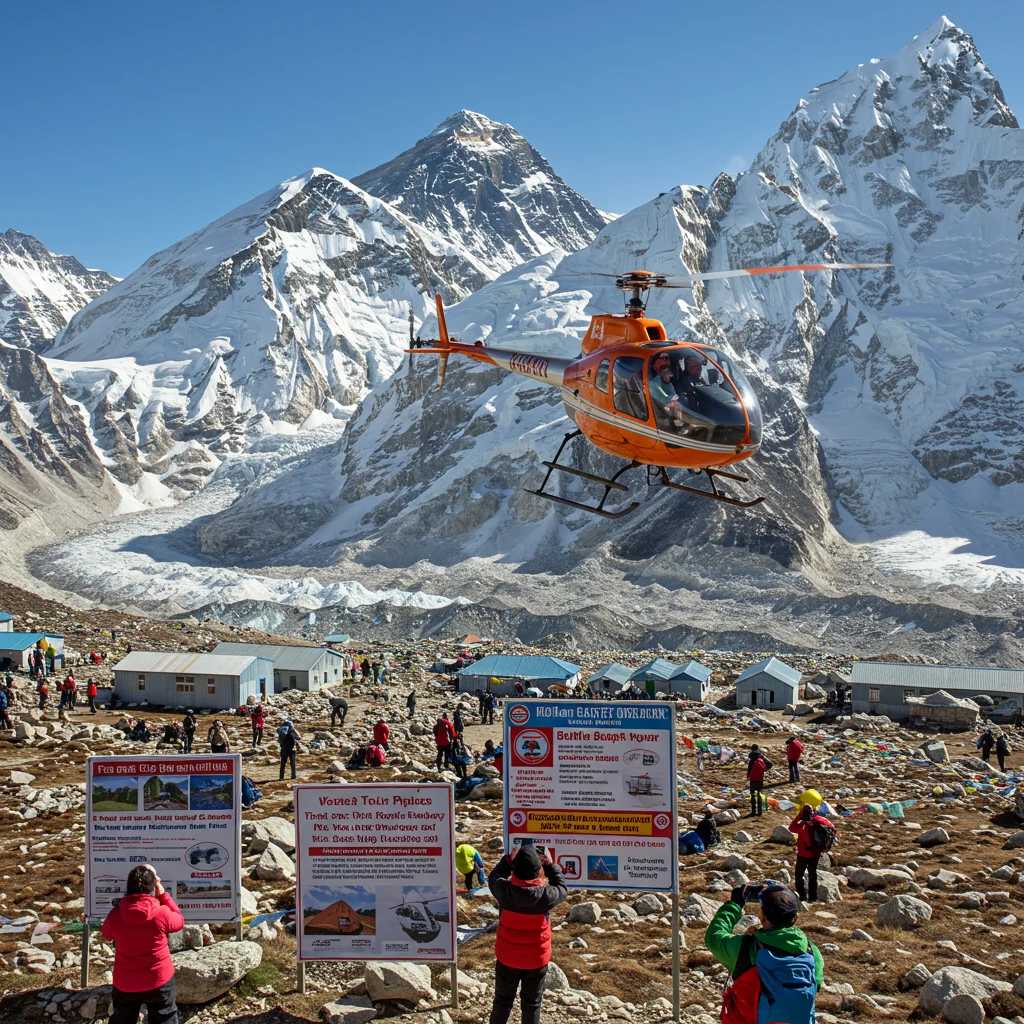
If your question isn’t answered here, consult your tour provider for details tailored to your specific trip.
Is a Helicopter Tour Suitable for First-Time Visitors to Nepal?
Yes, helicopter tours are an excellent option for first-time visitors. They allow you to see the best of the Everest region in a short time, with minimal physical exertion.
Operators provide all necessary information and support, making the experience accessible even if you’re new to high-altitude travel.
What Happens If the Weather Is Bad?
Weather is a major factor in the Himalayas, and flights may be delayed or canceled in poor conditions. Operators monitor forecasts closely and prioritize passenger safety above all else.
If your tour is postponed, most companies offer rescheduling or full refunds. Always confirm the cancellation and refund policy when booking.
Can You Combine a Helicopter Tour with Trekking?
Many travelers choose to combine a short trek with a helicopter ride, either flying in and trekking out or vice versa. This hybrid approach offers the best of both worlds: time on the trail and a spectacular aerial perspective.
Discuss your preferences with your operator, as they can recommend itineraries based on your interests and schedule.
Tips for Making the Most of Your Everest Helicopter Experience
A little preparation goes a long way in maximizing your enjoyment of the Everest helicopter tour. From photography to post-flight activities, here are our top tips.
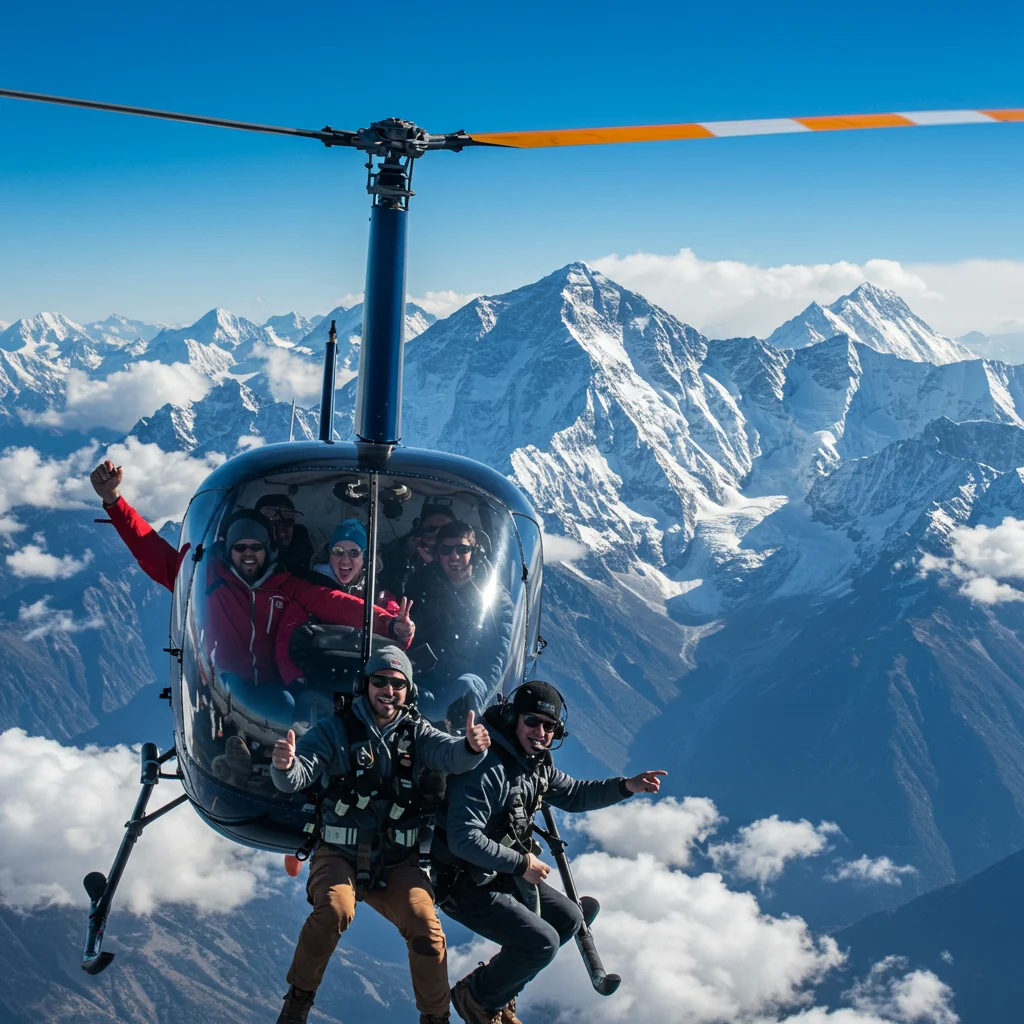
Consider these suggestions to make your journey truly memorable.
How to Get the Best Views and Photos
Select a window seat for unobstructed views, and keep your camera ready throughout the flight. Clean the window before takeoff to avoid smudges in your photos.
Time your trip for early morning, when lighting is best and the mountains are often free of clouds. Take both wide shots and close-ups to capture the grandeur and details of the landscape.
What to Do Before and After Your Flight
Before your flight, hydrate well and eat a light meal. Wear layers and comfortable shoes, and make sure your camera batteries are fully charged.
After returning to Kathmandu, consider visiting local attractions or enjoying a celebratory meal with your group. Reflecting on your adventure with others can enhance your experience and help you relive the highlights.
Real Stories: Travelers Share Their Everest Helicopter Adventures
Hearing from past travelers adds valuable insights and inspiration for your own journey. Many describe the helicopter tour as a life-changing experience, filled with awe and gratitude.
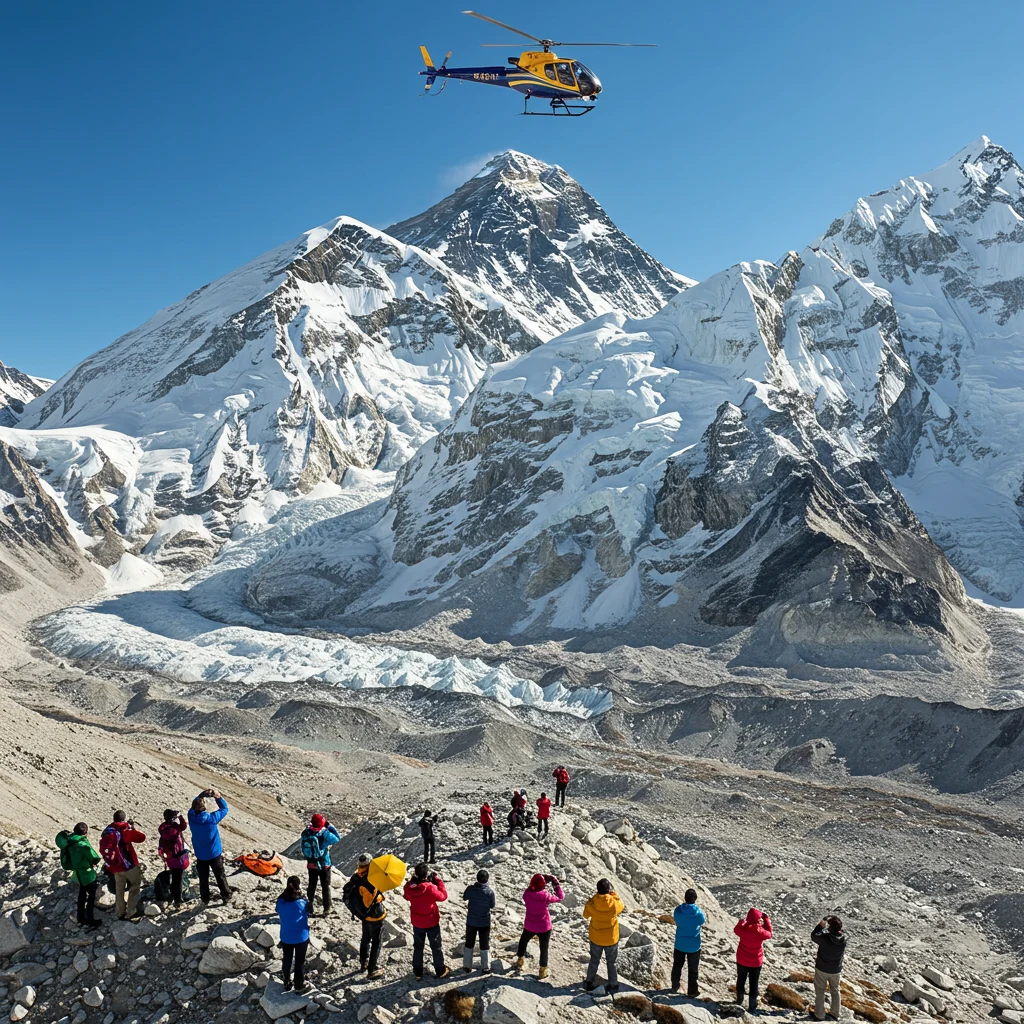
Below are some memorable moments and lessons learned from previous Everest helicopter tours.
Memorable Moments from Past Tours
Travelers often recall the initial sight of Everest from the air as a defining moment. The smooth ascent from Kathmandu to the snowy peaks is frequently cited as both thrilling and serene.
Others mention the camaraderie among passengers and crew, as well as the professionalism of the pilots. For many, the brief landing at Kalapatthar stands out as the highlight.
Lessons Learned and Insider Advice
Past guests recommend booking flights for the earliest possible time slot to avoid weather-related delays. They also suggest packing light and bringing extra camera batteries.
Many stress the importance of choosing a reputable operator and being flexible with your plans. If you enjoy reading about real adventure stories, check out our post on parasailing in Fort Lauderdale for more firsthand accounts.
Conclusion: Is a Helicopter Tour to Everest Base Camp Worth It?
A helicopter tour to Everest Base Camp offers a rare opportunity to witness the Himalayas in comfort and style. Whether you seek convenience, luxury, or simply the thrill of flight, this experience delivers unforgettable memories and breathtaking views.
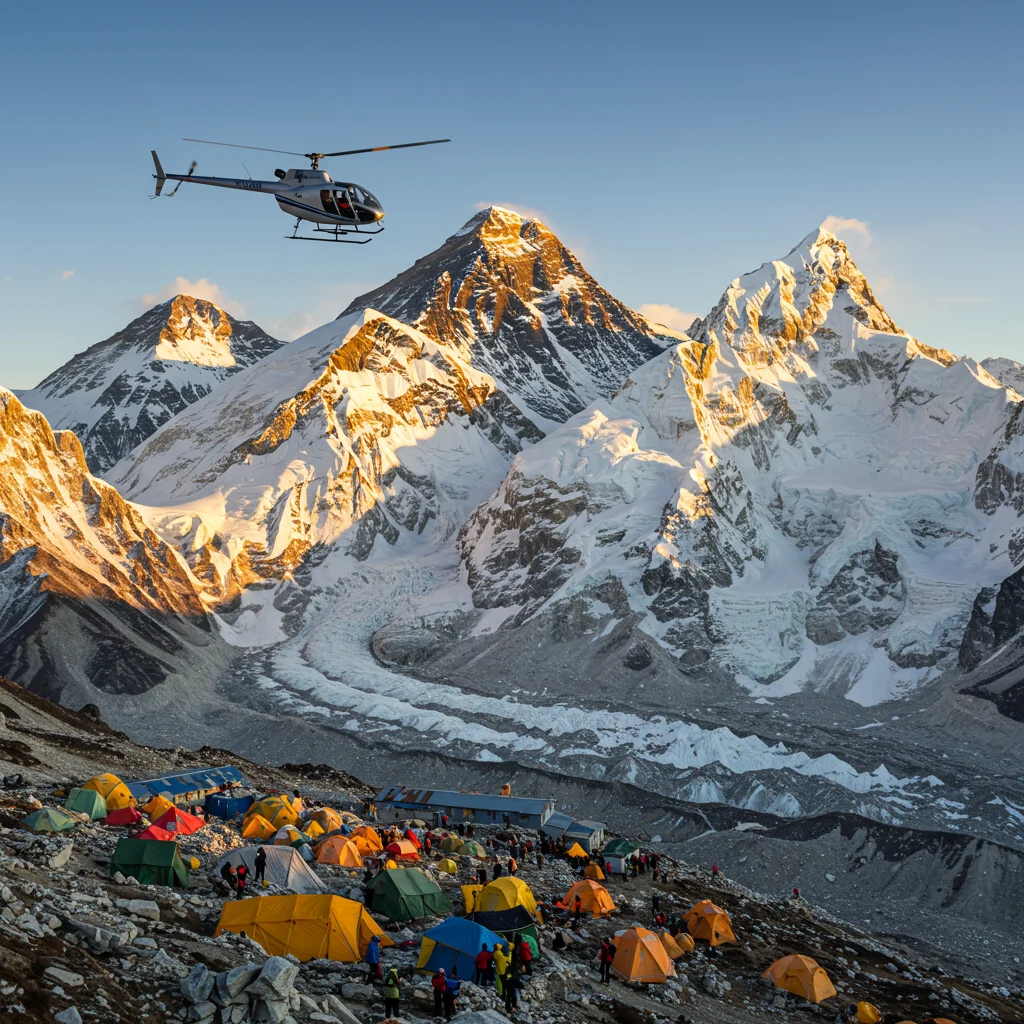
From the moment you lift off in Kathmandu to the awe-inspiring landing at Kalapatthar, every aspect is expertly managed for safety and enjoyment. If you’re considering this adventure, we encourage you to plan ahead, select a trusted operator, and savor every minute of the journey.
For more information on adventure travel and curated experiences, visit Tour Cuts.