
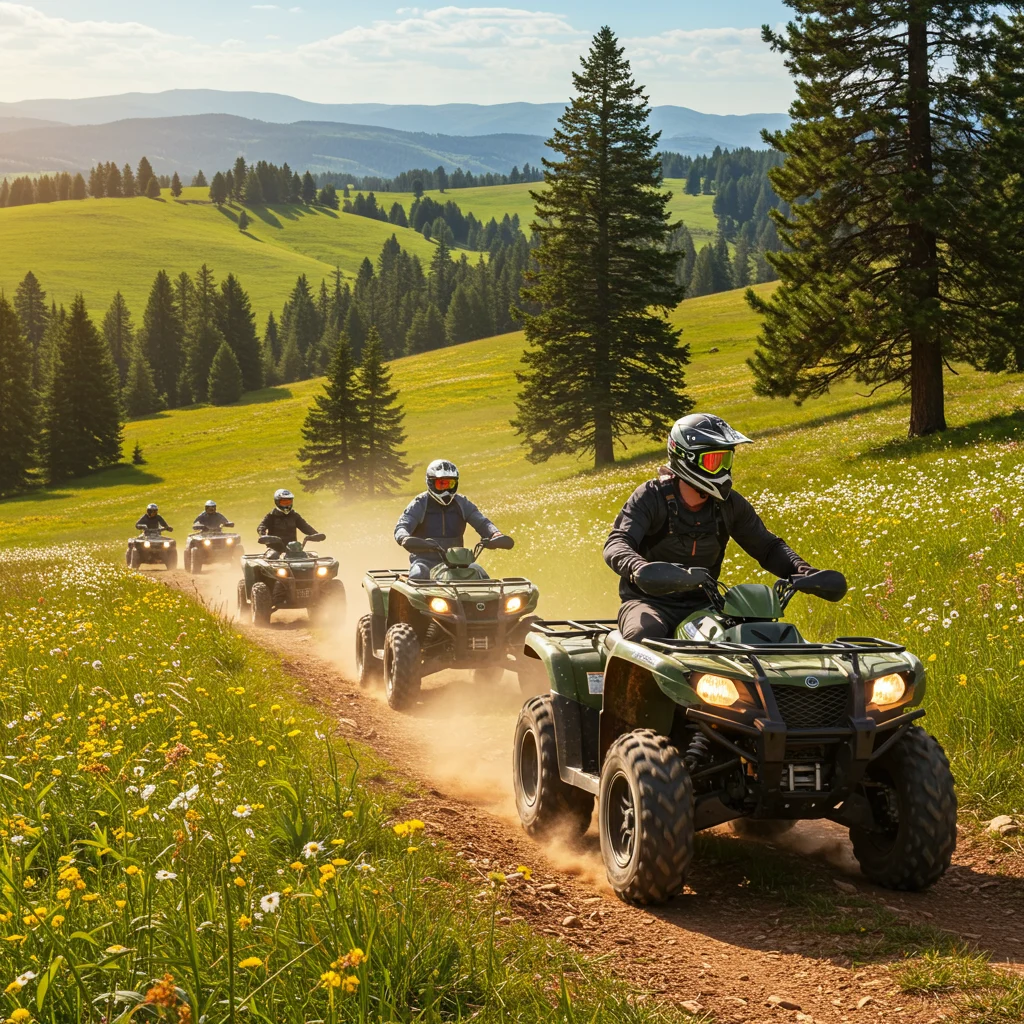


Introduction: Why ATV Riding is the Ultimate Adventure
For those seeking excitement and a connection with the outdoors, few activities compare to the thrill of ATV riding. This adventure sport offers a unique blend of adrenaline, freedom, and exploration, making it a favorite among outdoor enthusiasts of all ages. Whether you are searching for a new weekend hobby or a memorable group outing, ATV riding delivers a sense of discovery and accomplishment with every ride.
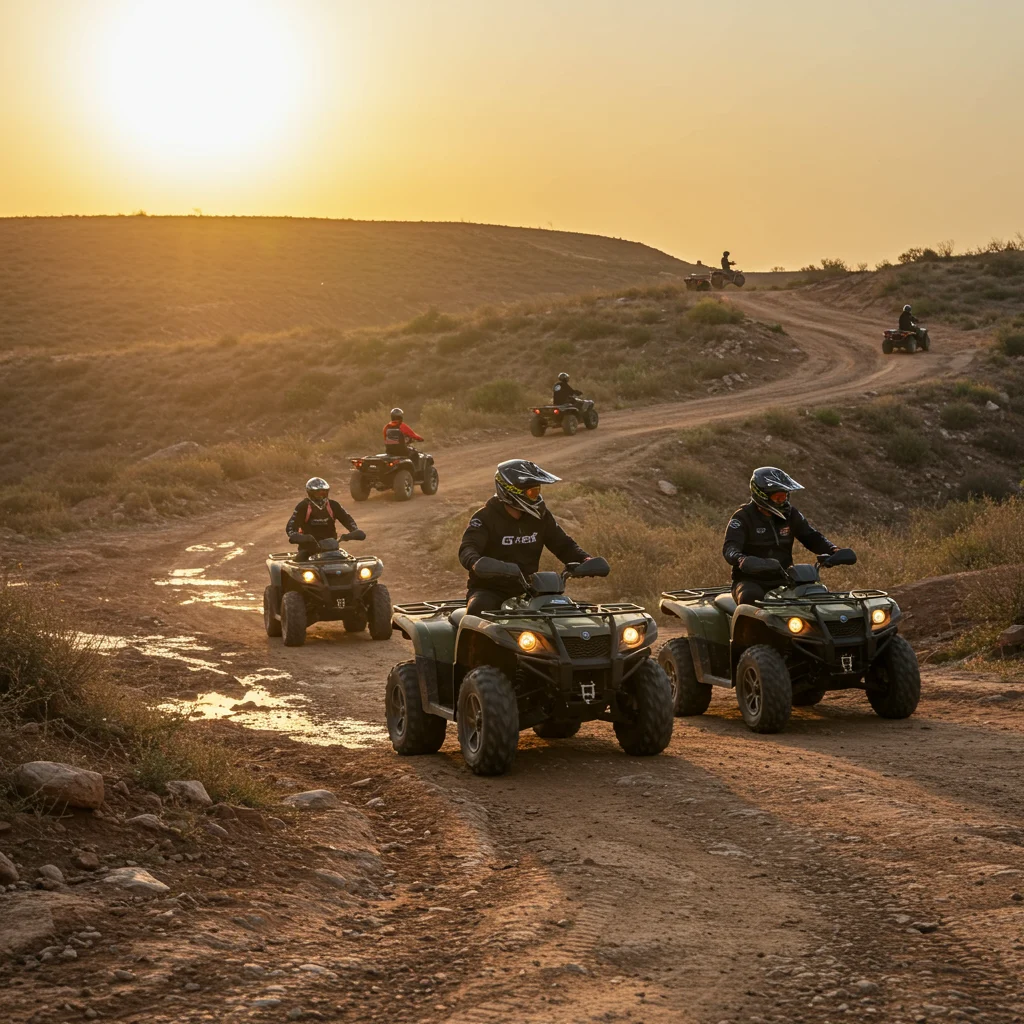
We have seen ATV riding grow in popularity across the country, with more people looking for accessible ways to inject adventure into their routines. The variety of trails, terrain, and group options means there is something for everyone. In this guide, we will share insights, tips, and recommendations to help you start your own ATV journey, wherever you are located.
What is ATV Riding?
ATV riding involves operating an all-terrain vehicle over off-road paths, trails, and rugged landscapes. These vehicles are designed to handle a wide range of environments, from sandy dunes to forested hills and muddy tracks. ATV riding can be a solo escape, a family activity, or a social adventure with friends, offering flexibility for all interests and skill levels.
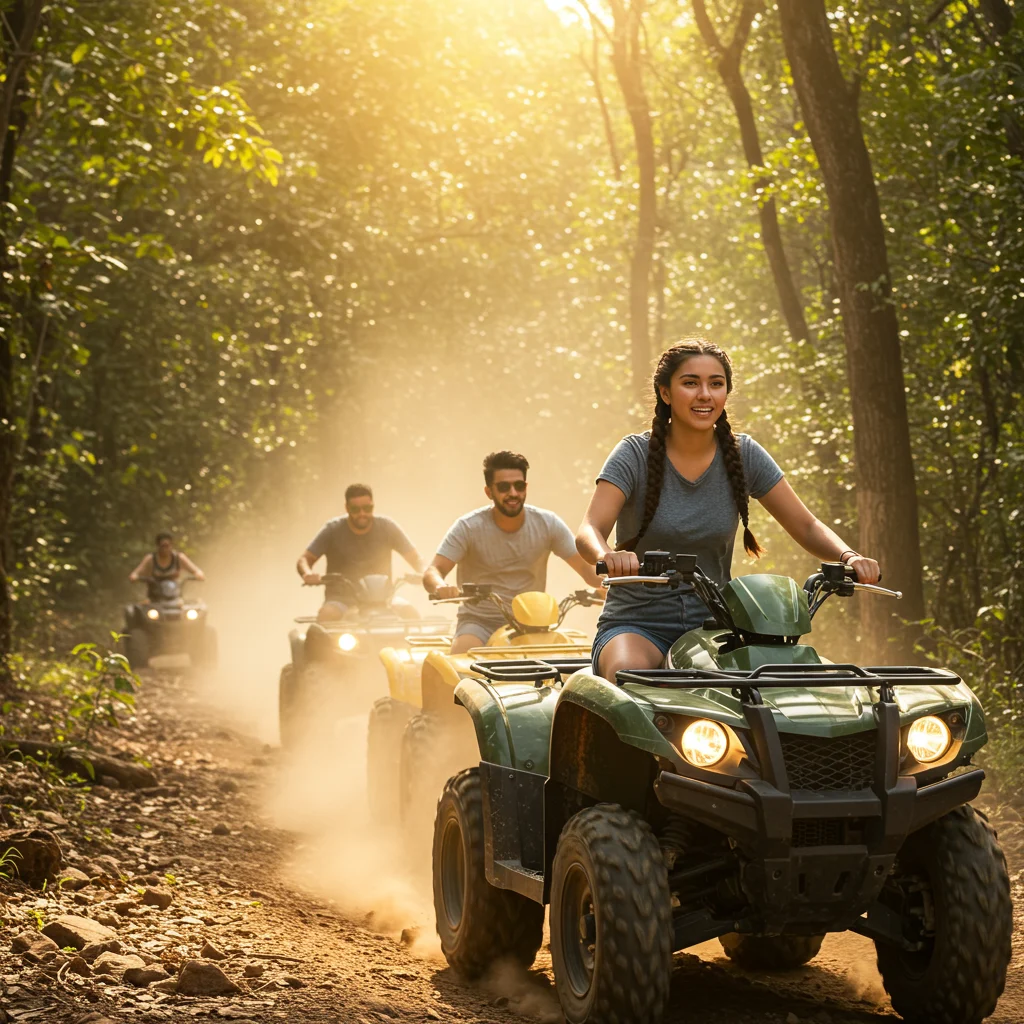
ATVs, often called quad bikes or four-wheelers, are engineered for both recreation and utility. Riders can enjoy scenic views, tackle challenging trails, and experience the outdoors in a dynamic way. Let us take a closer look at how these vehicles work and who can enjoy them.
How Do ATVs Work?
ATVs are compact, motorized vehicles equipped with four large tires and handlebars for steering. Their design allows for stability and control across uneven surfaces. Riders operate them much like a motorcycle, using hand controls for acceleration and braking, while shifting their body weight to maintain balance on tricky terrain.
Most ATVs feature a powerful engine, sturdy suspension, and a low center of gravity. This combination provides the traction and maneuverability needed to tackle rocks, mud, sand, and more. Some models also come with additional features, such as four-wheel drive or automatic transmissions, to enhance the riding experience for beginners and experts alike.
Different Types of ATVs Explained
There are several types of ATVs, each suited to different activities and rider preferences. Sport ATVs are lightweight and agile, built for speed and quick handling on tracks or trails. Utility ATVs are heavier, designed for hauling and towing, making them popular choices for farm or work use.
You will also find youth ATVs with smaller engines and safety features for younger riders. Specialty models, such as side-by-sides and six-wheelers, accommodate multiple passengers or specific utility needs. Understanding the differences helps you choose the right ATV for your adventures.
Who Can Enjoy ATV Riding?
ATV riding is accessible to a broad range of people. Adults, teenagers, and even children (with proper supervision and safety measures) can participate. Many families use ATVs for weekend outings, while groups of friends often plan trips to popular trails and parks.
There are also options for those with limited mobility or physical challenges, as some outfitters provide adaptive equipment or guided tours. With the right preparation and respect for safety guidelines, nearly anyone can experience the thrill of ATV riding.
The Benefits of ATV Riding
ATV riding offers far more than excitement. It brings substantial health benefits and opportunities for meaningful social interaction. Both seasoned riders and newcomers can enjoy these advantages, which extend well beyond the trail.
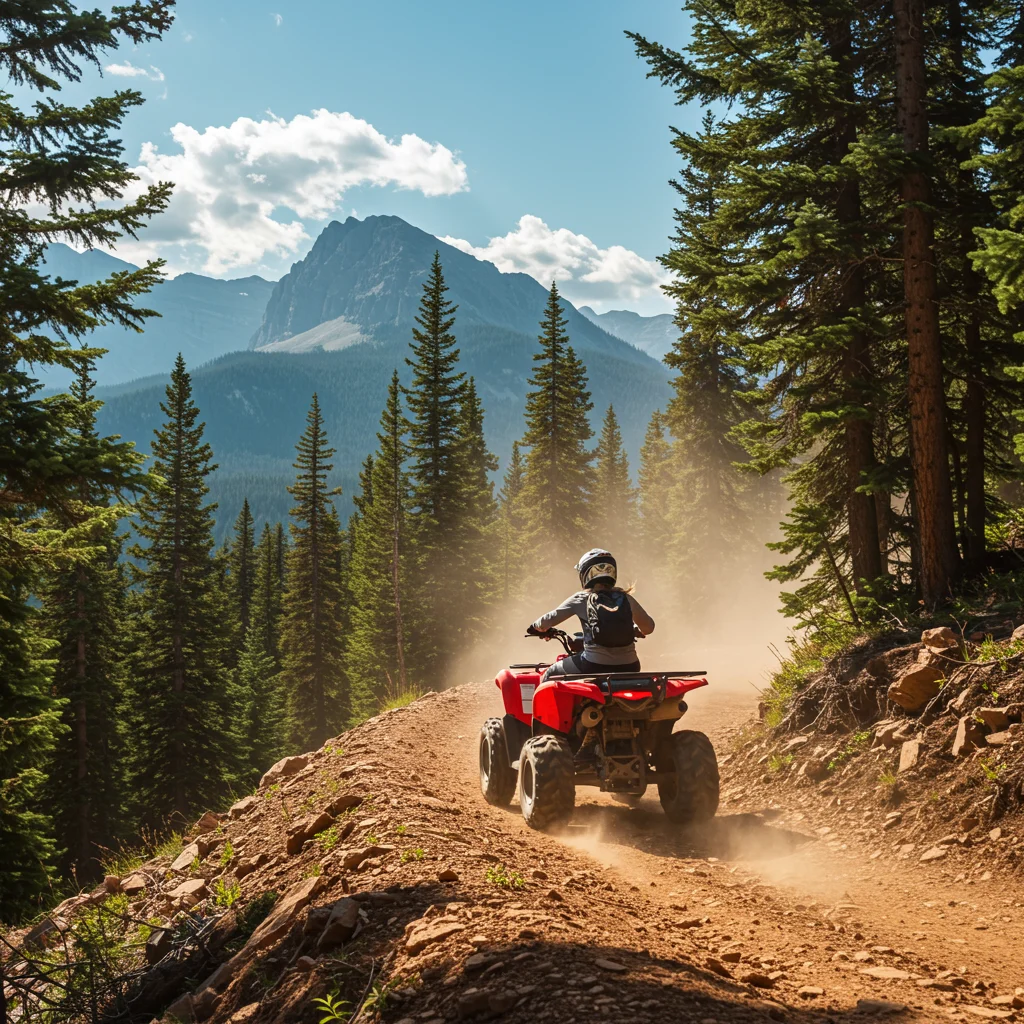
Let us explore how ATV riding can positively impact your physical well-being, mental health, and relationships.
Physical and Mental Health Advantages
Operating an ATV engages your core, arms, and legs, providing a moderate workout as you navigate uneven terrain. The physical demands of steering, shifting weight, and maintaining balance help build strength and coordination.
Beyond the physical, ATV riding can reduce stress and improve mood. The combination of fresh air, natural scenery, and focused activity promotes relaxation and mental clarity. Many riders report feeling energized and refreshed after a day on the trails.
Social and Family Bonding Opportunities
ATV riding is a fantastic way to connect with family and friends. Whether you are teaching a child to ride or tackling challenging obstacles as a team, the shared experience fosters communication and trust.
Group rides encourage cooperation and camaraderie, making them ideal for team building or special occasions. Many families plan regular ATV outings as a way to spend quality time together and create lasting memories.
Top Destinations for ATV Riding Near You
Finding the right trail can make all the difference in your ATV adventure. Local options range from dedicated parks to public lands and hidden backcountry routes. The best destinations combine scenic beauty, well-maintained paths, and suitable terrain for your experience level.
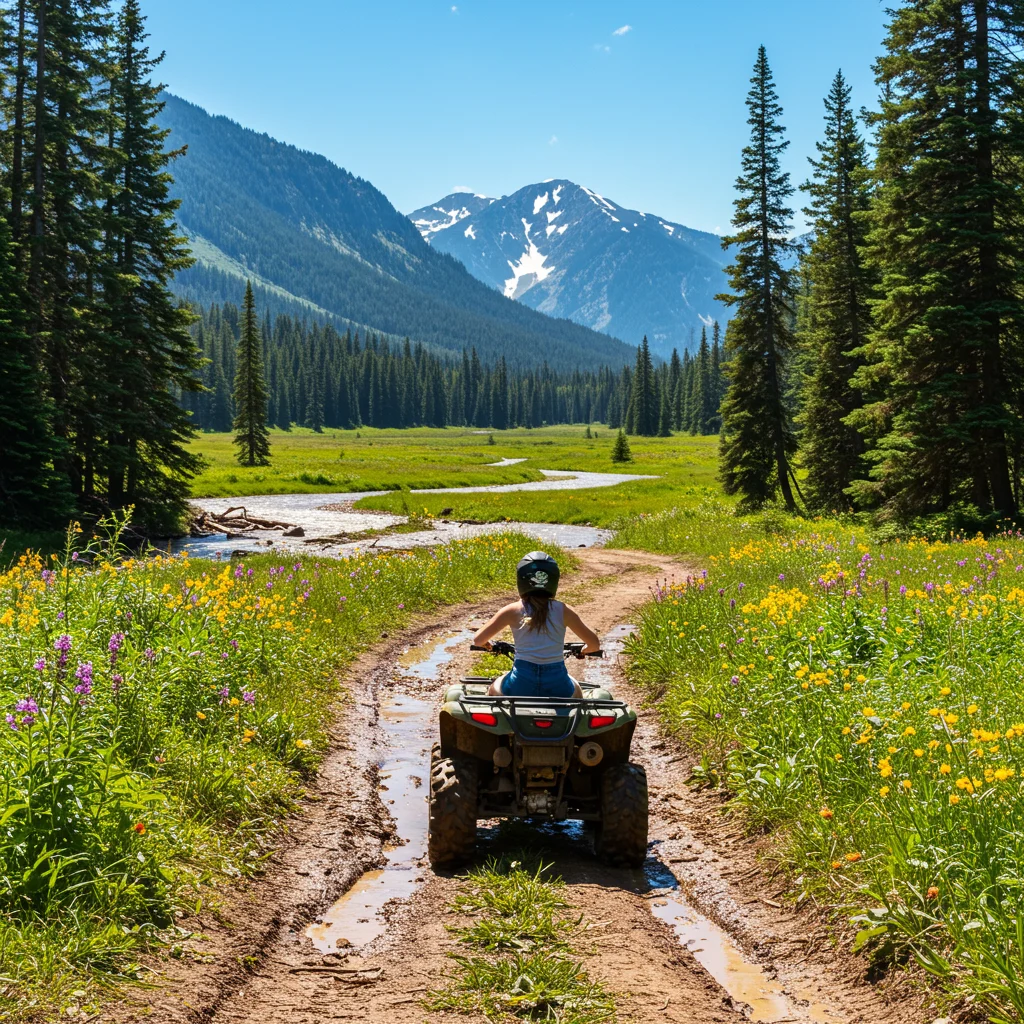
We will cover how to research local trails, highlight popular regional parks, and share tips for uncovering lesser-known riding spots.
How to Find the Best Local ATV Trails
Start by searching online for ATV clubs, forums, and trail directories in your area. Many states and counties publish maps of designated ATV routes, along with information about trail difficulty, length, and seasonal closures. Local outdoor stores and rental companies often provide recommendations based on current conditions.
Word of mouth is another valuable resource. Connecting with other riders through social media or community events can lead to hidden gems and insider tips. For example, if you are interested in Texas trails, our guide to the best ATV rides in Houston offers a comprehensive overview of top local options.
Popular ATV Parks and Trails by Region
Across the United States, you will find a variety of ATV parks and trail systems. In the Southeast, destinations like Hatfield-McCoy Trails in West Virginia draw thousands of enthusiasts each year. The Southwest offers desert riding in Arizona and Nevada, while the Pacific Northwest features forested paths and mountain views.
Midwestern states such as Wisconsin and Michigan also have extensive networks of ATV trails, often linked to campgrounds or state parks. Each region offers unique terrain and scenery, so consider your preferences when planning your next ride.
Hidden Gems: Lesser-Known ATV Spots
While well-known parks are great, some of the best experiences come from finding lesser-traveled trails. Ask local riders or check online for smaller public lands, forest service roads, or privately managed trails that allow ATVs. These spots often offer more solitude and a sense of adventure.
Remember to verify access rules before heading out, as some areas require permits or have seasonal restrictions. Exploring off-the-beaten-path trails can introduce you to new landscapes and challenges, making each ride unique.
What Makes a Great ATV Trail?
A great ATV trail balances challenge and safety. Look for trails with clear signage, maintained paths, and variety in terrain. Features like hills, mud pits, stream crossings, and scenic overlooks add excitement and interest.
Accessibility is also important. Trails should be suitable for your skill level and ATV type. Facilities such as parking, restrooms, and nearby food options can enhance your overall experience. Safety and respect for the environment should always be top priorities.
Essential Gear for Your ATV Adventure
Preparing properly ensures a safe and enjoyable ride. The right equipment protects you from injury, the elements, and unexpected situations. From helmets to clothing and tech gadgets, having the correct gear makes all the difference.
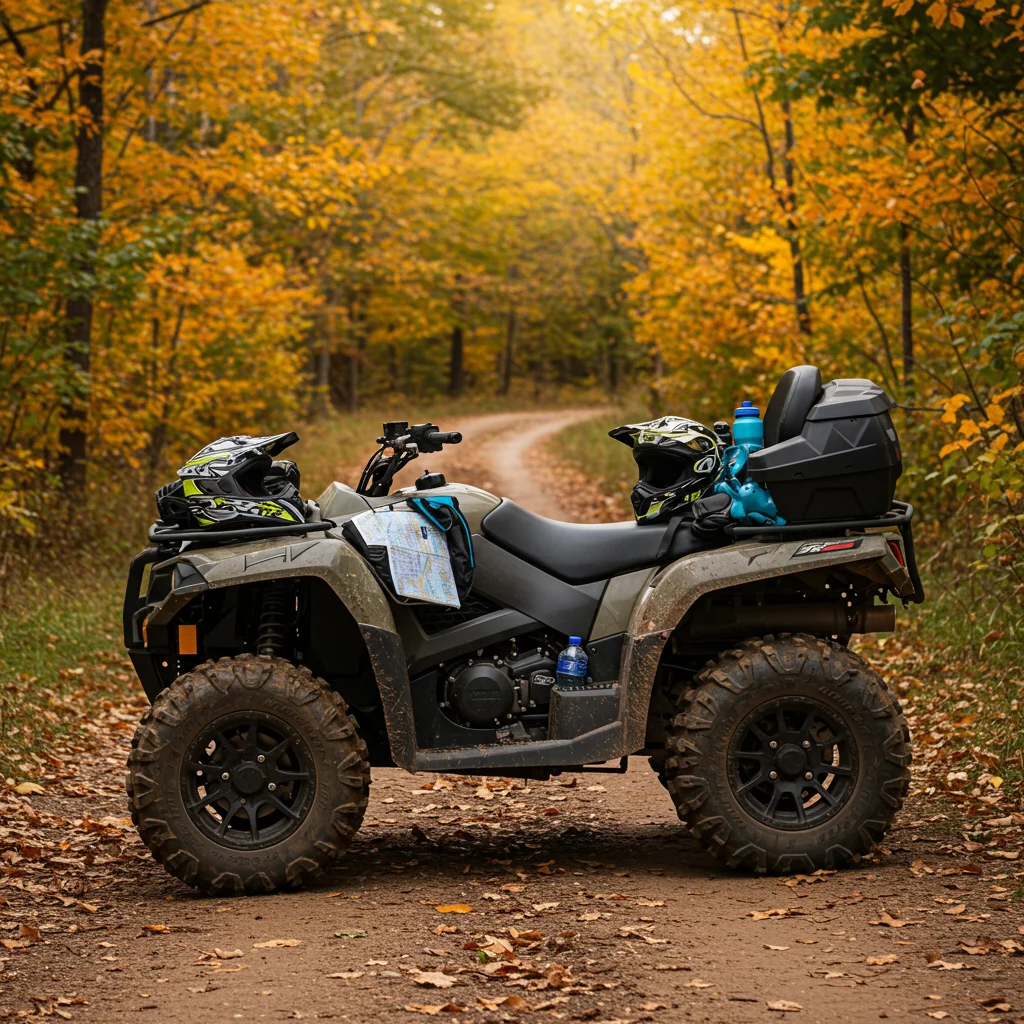
We recommend assembling your kit well in advance, checking each item’s condition before heading out, and adjusting for the weather and terrain you expect to encounter.
Must-Have Safety Equipment
Safety should always come first. A well-fitting helmet is essential and often required by law. Look for options certified by DOT or Snell for maximum protection. Goggles or a face shield protect your eyes from dust, debris, and branches.
Other must-haves include gloves for grip and hand protection, sturdy boots that cover your ankles, and chest or body armor for added safety. Elbow and knee pads are recommended, especially for beginners or those riding challenging trails.
Recommended Clothing and Accessories
Dress in layers to adapt to changing weather conditions. Moisture-wicking shirts, durable pants, and a lightweight jacket provide comfort and protection. Avoid loose clothing that could snag on branches or equipment.
Consider accessories like neck gaiters, sun hats, and hydration packs. These items help you stay comfortable and safe throughout your ride. Reflective vests or brightly colored clothing increase your visibility to others on the trail.
Tech Gadgets for ATV Riders
Modern technology can enhance your ATV adventure. GPS devices or smartphone apps help you navigate unfamiliar trails and track your route. Action cameras, such as GoPro models, capture exciting moments to share with friends and family.
Two-way radios or Bluetooth headsets improve communication with your group, especially in areas with poor cell coverage. Some riders also use tire pressure monitors and portable air compressors for on-the-go maintenance.
How to Prepare for Your First ATV Ride
Preparation is key to a successful and enjoyable first ride. By packing the right items, taking care of your physical health, and considering the weather, you set yourself up for a positive experience.
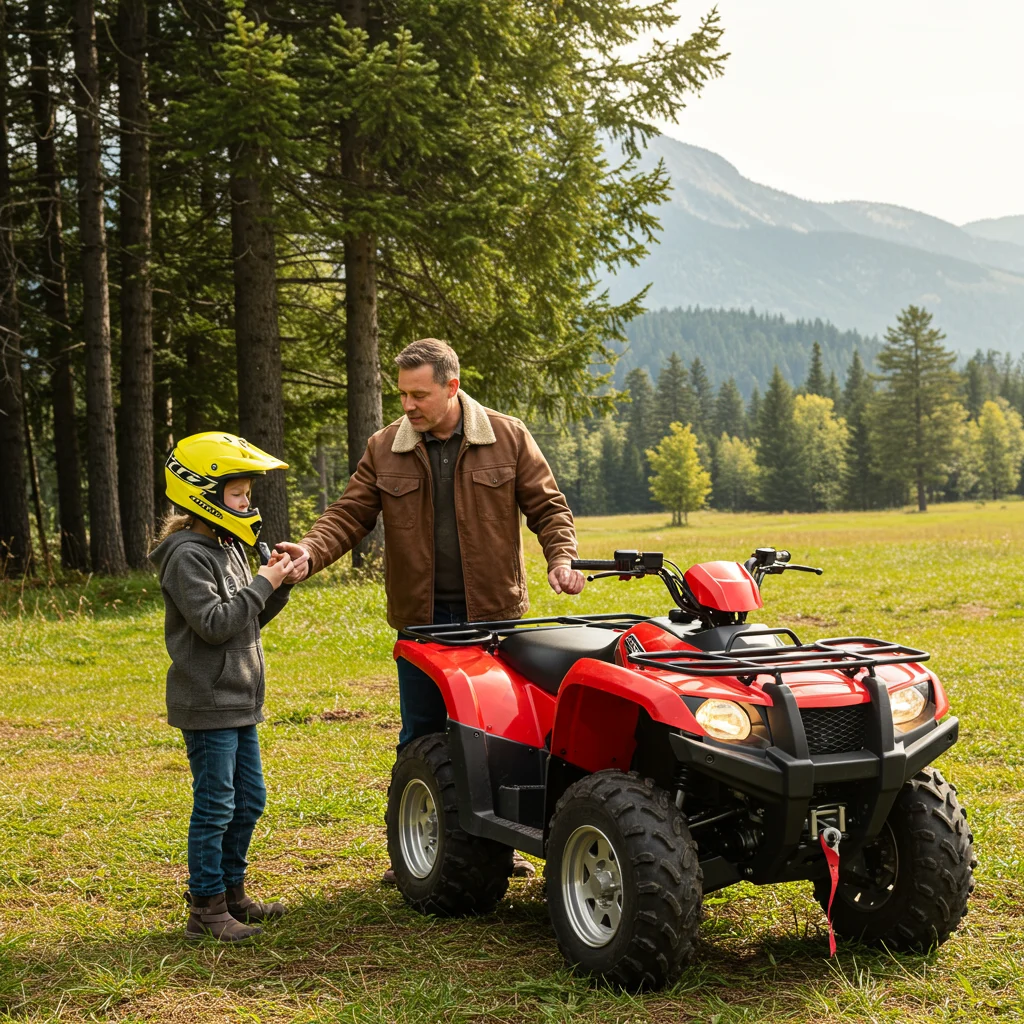
We will outline practical steps to ensure you are ready for your adventure, whether you are heading to a local park or tackling a more challenging trail.
What to Pack for a Day on the Trails?
Your day pack should include water, snacks, a first aid kit, and basic tool kit for minor repairs. Bring your driver’s license, trail permits, and emergency contact information. Sunscreen and insect repellent are also important for comfort and safety.
Carry a map of the area, even if you plan to use GPS. Weather can change quickly, so pack a rain jacket and an extra layer of clothing just in case. A small trash bag helps you pack out all waste and keep trails clean.
Physical Preparation and Fitness Tips
ATV riding requires balance, coordination, and core strength. Simple exercises like squats, lunges, and planks can prepare your body for the demands of riding. Stretching before and after your ride helps prevent stiffness and injuries.
Stay hydrated and eat a balanced meal before heading out. If you are new to off-road activities, consider practicing basic maneuvers in a controlled environment before tackling longer or more technical trails.
Weather Considerations and Planning
Check the weather forecast before your ride and adjust your plans as needed. Wet or icy conditions can make trails slippery and more challenging, while extreme heat increases the risk of dehydration and heat exhaustion.
Some trails may close during certain seasons to protect the environment or for maintenance. Always verify trail status and conditions before departing. Being flexible and prepared helps you make the most of your day, regardless of the weather.
Safety First: Rules and Regulations for ATV Riding
Understanding the rules keeps you and others safe while preserving trail access for future riders. Laws and guidelines vary by state, region, and even individual parks, so it is crucial to do your homework before heading out.
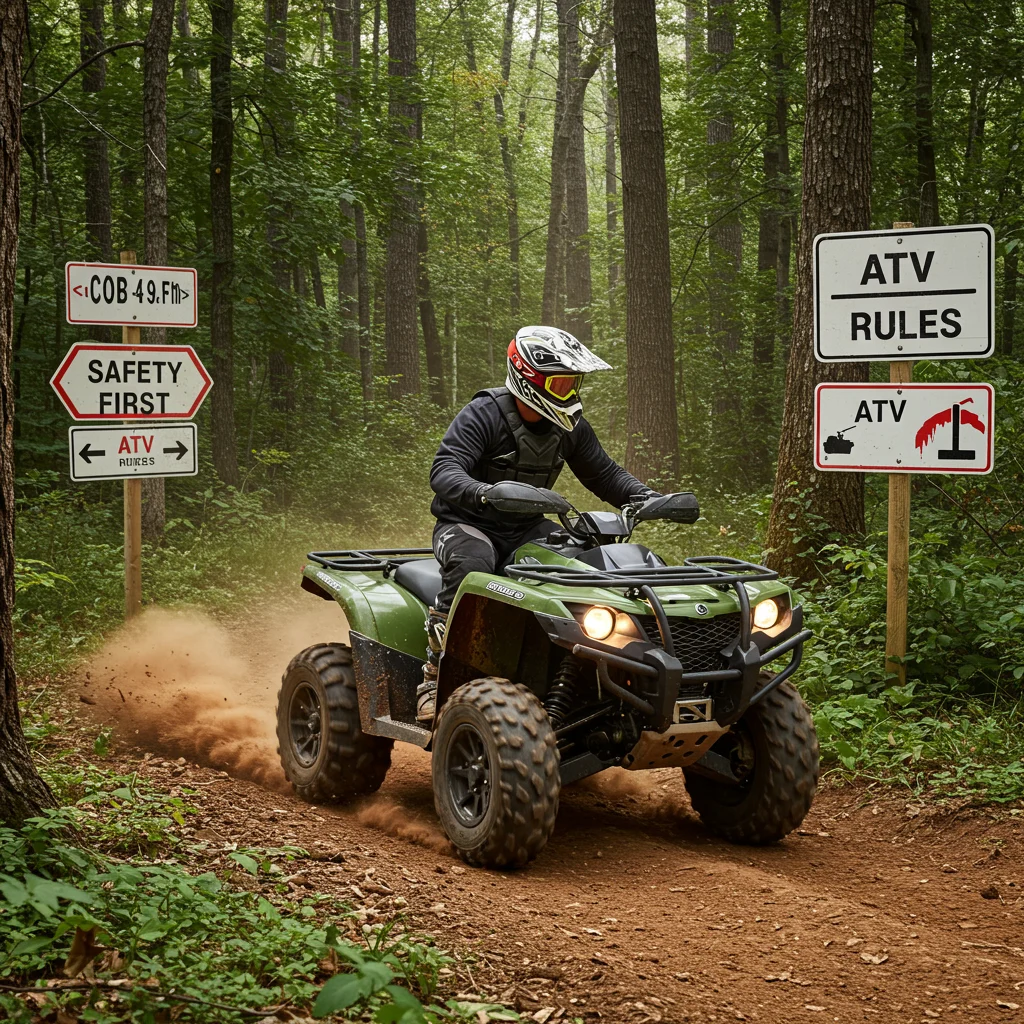
We will cover the essential legal requirements, trail etiquette, and what to do if you encounter an emergency while riding.
Understanding Local Laws and Permits
Many areas require specific permits or licenses to operate an ATV on public land. Age restrictions and vehicle registration may also apply. Always check with local authorities or park offices for up-to-date regulations.
Some states require safety training courses for young or inexperienced riders. Respecting these rules not only avoids fines but also promotes a culture of responsibility among the ATV community.
Trail Etiquette: How to Share the Path
Good trail etiquette ensures everyone enjoys their ride. Always yield to pedestrians, horseback riders, and uphill travelers. Stay on designated paths to protect sensitive habitats and avoid trespassing on private property.
Keep your speed in check, especially near trailheads or crowded areas. Announce your presence when passing and give plenty of space to other riders. Following these guidelines builds positive relationships with other trail users.
What to Do in Case of Emergency?
Preparation is the best defense against emergencies. Carry a charged phone, basic first aid kit, and know your location at all times. If an accident occurs, assess the situation calmly, provide first aid if needed, and contact emergency services as soon as possible.
Let someone know your planned route and expected return time before heading out. This simple step can make a big difference if you need assistance during your ride.
ATV Rentals vs. Owning: Which Is Right for You?
Deciding between renting and buying an ATV depends on your lifestyle, budget, and riding frequency. Each option has unique advantages and potential drawbacks. Considering your needs and preferences can help you make the best choice.
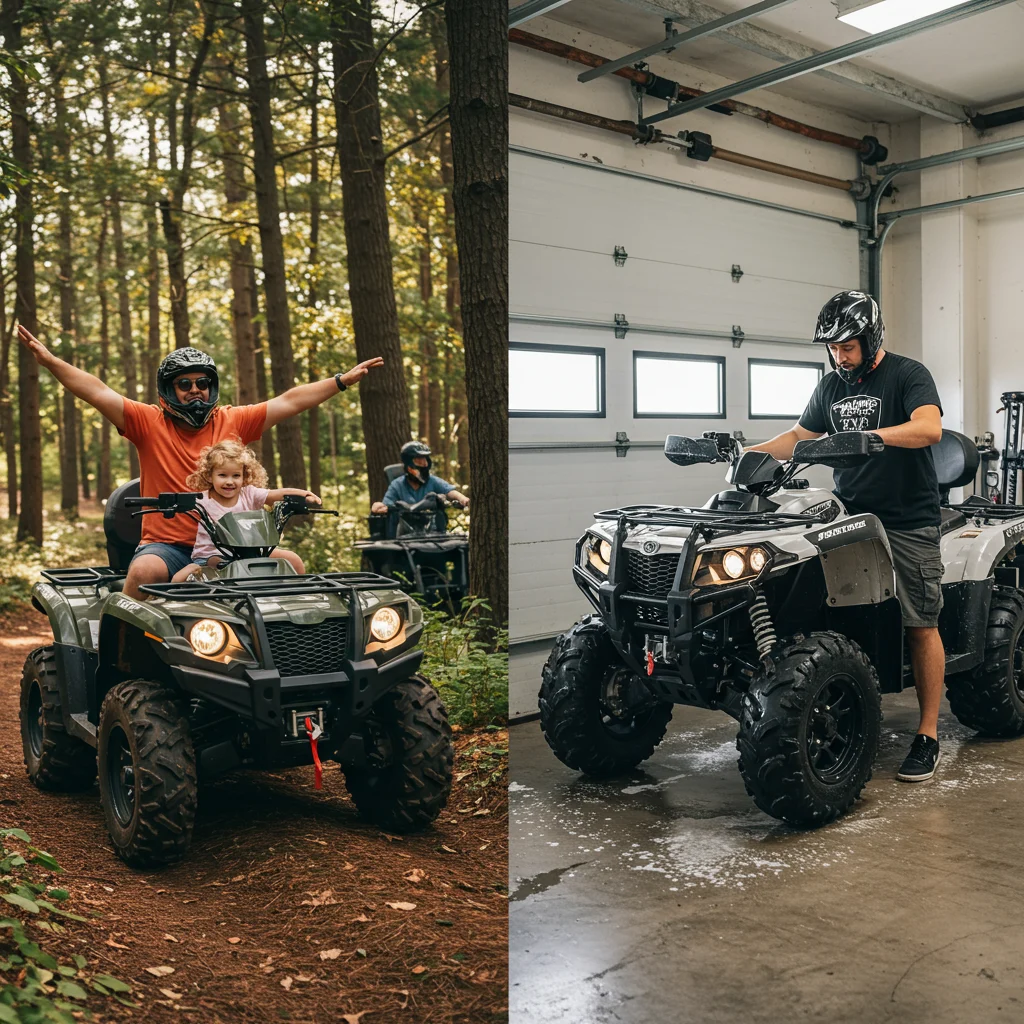
We will break down the pros and cons of each approach and provide tips on finding reputable rental or sales outlets in your area.
Pros and Cons of Renting an ATV
Renting is ideal for those who ride occasionally or want to try different models before committing to a purchase. Rentals typically include maintenance and insurance, reducing your responsibilities and upfront costs.
However, availability may be limited during peak seasons, and repeated rentals can add up over time. Some rental companies have age or experience requirements, so verify the terms in advance.
Benefits of Buying Your Own ATV
Owning an ATV gives you the freedom to ride whenever you want and customize your vehicle to your liking. Over time, ownership can be more cost-effective for frequent riders. You can also invest in accessories and upgrades tailored to your needs.
Maintenance, storage, and insurance are important considerations. Be prepared to invest time and resources in caring for your machine. If you ride often, the flexibility and control of ownership may outweigh the responsibilities.
Where to Rent or Buy ATVs Near You
Start by researching local outdoor recreation shops, ATV dealerships, and rental agencies. Many parks and trailheads have on-site rental facilities or partnerships with nearby businesses. Online directories and review sites can help you compare prices and customer feedback.
Ask about package deals, group discounts, and included safety gear. If you are new to ATV riding, some rental companies offer guided tours or basic instruction for beginners.
Top Tips for First-Time ATV Riders
Starting out on an ATV is exciting but can feel overwhelming. With a few practical tips, you can build confidence, avoid common mistakes, and enjoy your ride from the start. Preparation and a positive attitude are key to a successful first experience.

We will share advice on what to watch for, how to learn quickly, and ways to make the most of your time on the trails.
Common Mistakes to Avoid
One of the most frequent errors is underestimating the power and handling of an ATV. Take time to familiarize yourself with the controls and practice in a safe area before tackling more challenging terrain. Never ride without proper safety gear, especially a helmet and eye protection.
Overconfidence can lead to accidents. Start slow, follow posted speed limits, and avoid attempting stunts or difficult obstacles until you have gained experience. Always check your vehicle for mechanical issues before each ride.
How to Build Confidence on the Trails
Confidence comes with practice and preparation. Begin on easy, well-marked trails and gradually progress to more technical routes as your skills improve. Riding with experienced friends or joining a guided tour can provide valuable support and feedback.
Take regular breaks to rest and assess your surroundings. Celebrate small milestones, such as mastering a new maneuver or completing a longer ride, to stay motivated and build your skills.
Learning Basic ATV Maneuvers
Mastering the basics is essential for safety and enjoyment. Practice starting, stopping, and turning in a controlled environment. Learn how to shift your weight when navigating hills or uneven ground to maintain balance.
Familiarize yourself with emergency stops, reversing, and maneuvering around obstacles. Many riding areas offer beginner courses or clinics, which can accelerate your learning and boost your confidence.
Family-Friendly ATV Riding: Can Kids Join the Fun?
ATV riding can be a wonderful family activity, but it is important to prioritize safety, especially for younger participants. Understanding age guidelines, selecting suitable vehicles, and planning appropriate outings are key to a positive family experience.
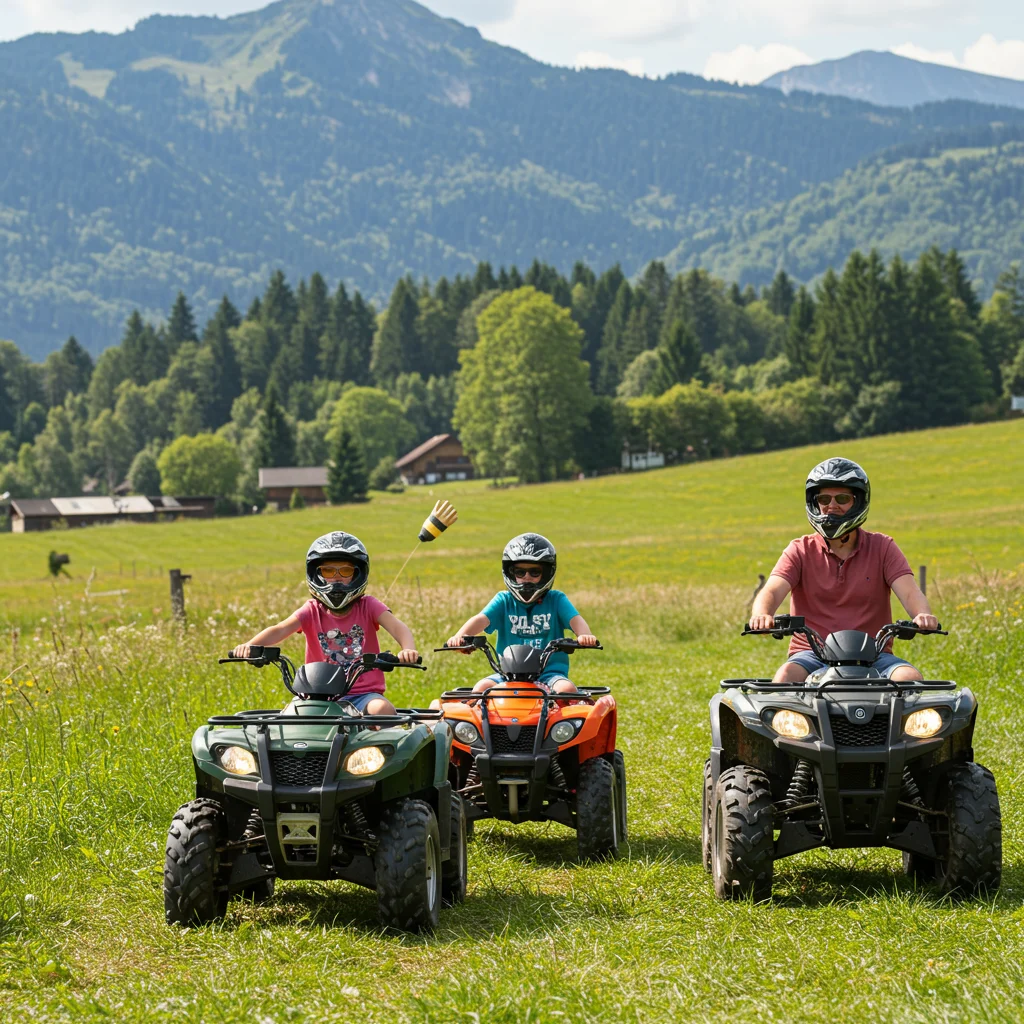
We will review the essentials for riding with kids and offer recommendations for a safe and enjoyable outing.
Minimum Age and Safety Guidelines for Children
Most states set a minimum age for ATV riders, typically between 6 and 12 years old, depending on the vehicle size and engine capacity. Children should always wear full safety gear and be supervised by an adult at all times.
Many areas require youth riders to complete safety courses before operating an ATV. Choose appropriately sized vehicles and avoid challenging trails until your child is comfortable with the basics.
Best ATV Models for Young Riders
Youth ATVs are designed with smaller frames, lower speeds, and simplified controls. Popular models include the Polaris Outlaw 70 EFI, Yamaha Raptor 90, and Honda TRX90X. These vehicles prioritize safety features and are easy for kids to handle.
Look for models with adjustable speed limiters, automatic transmissions, and reliable braking systems. Consult with a reputable dealer to find the best fit for your child’s age, size, and experience level.
Planning a Family ATV Day Out
Choose a trail or park with beginner-friendly terrain, facilities, and clear signage. Pack snacks, drinks, and extra clothing to keep everyone comfortable throughout the day. Schedule frequent breaks and allow children to rest and recharge.
Consider joining a group ride or guided tour, which often include instruction and safety briefings for young riders. These experiences create a supportive environment and help children build confidence on the trails.
Group ATV Rides: How to Organize and What to Expect
Riding with a group amplifies the fun and adds an extra layer of safety. Organizing a group ride requires coordination, communication, and a shared commitment to safe practices. Whether you are planning a casual outing or a special event, a little preparation goes a long way.
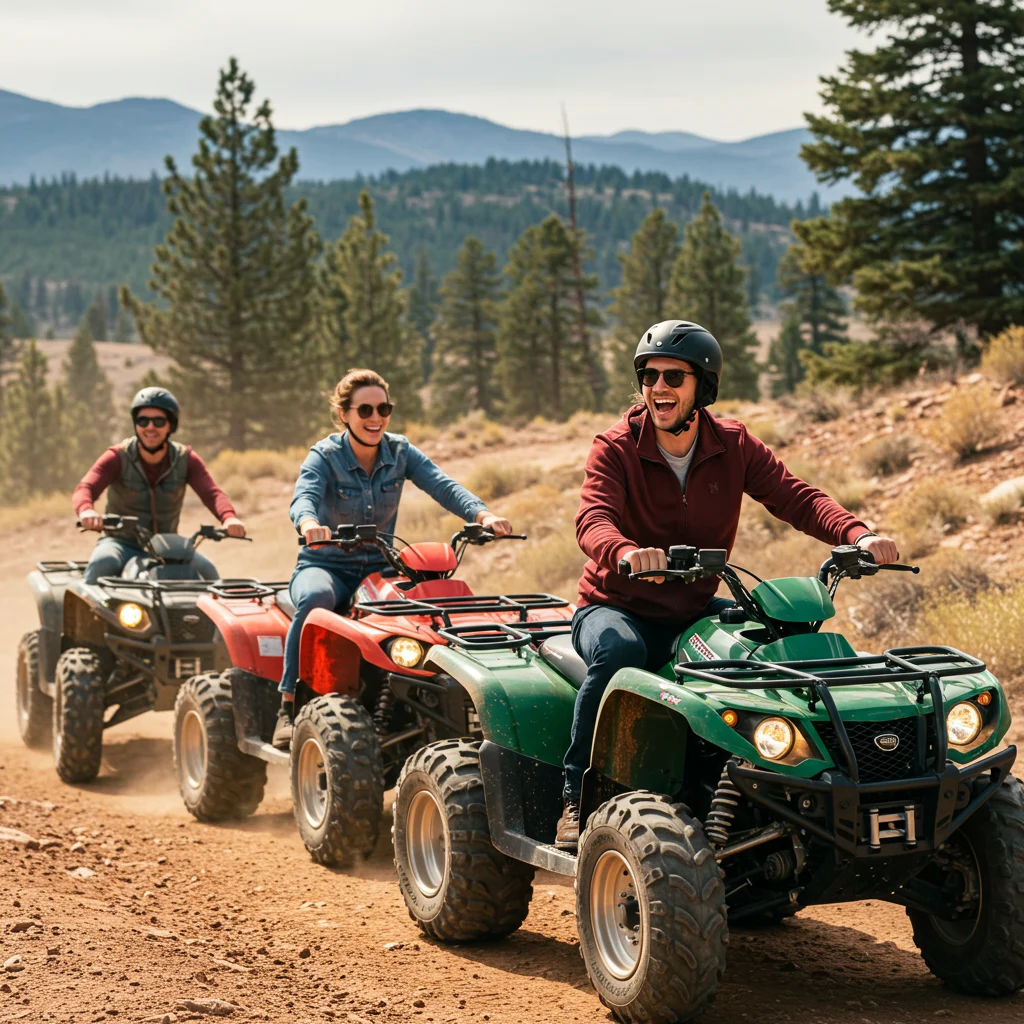
We will provide tips for coordinating group rides and outline the protocols to keep everyone safe and happy on the trail.
Tips for Coordinating Group Rides
Start by selecting a date, destination, and route that suits all participants’ skill levels. Use group chats or email threads to share information and gather feedback. Assign roles, such as lead rider and sweep (the last rider), to keep the group organized.
Make a checklist of essential gear, supplies, and emergency contacts. Encourage everyone to review trail maps and rules before the ride. Clear communication ensures a smooth and enjoyable group experience.
Safety in Numbers: Group Riding Protocols
Riding in a group increases visibility and provides support in case of mechanical issues or emergencies. Maintain a safe following distance and use hand signals or radios to communicate changes in speed or direction.
Establish regular check-in points along the route to regroup and address any concerns. Encourage riders to look out for one another and assist anyone who encounters difficulties. A well-coordinated group ride is both safer and more enjoyable for everyone involved.
Best Times of Year for ATV Riding Near You
The ideal season for ATV riding depends on your location and the type of terrain you prefer. Each time of year offers unique experiences, from spring wildflowers to autumn foliage. Understanding seasonal conditions helps you plan memorable and safe adventures.
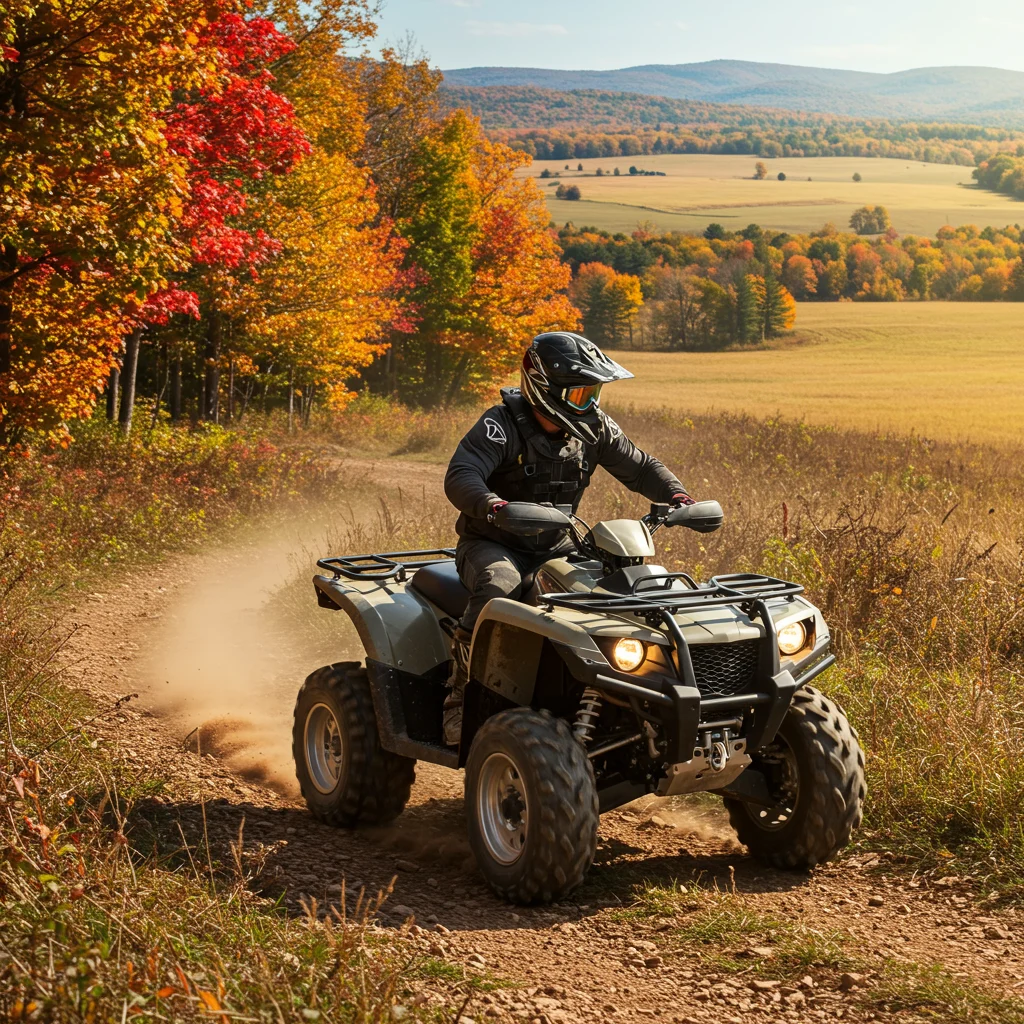
We will discuss how the weather and trail conditions can shape your ATV riding experience throughout the year.
Seasonal Trail Conditions
Spring and fall are often the most popular times for ATV riding, with mild temperatures and vibrant landscapes. Trails tend to be less crowded, and the risk of overheating or dehydration is lower. However, spring rains can create muddy or slippery conditions, so check trail reports before heading out.
Summer offers longer daylight hours but can bring heat, dust, and increased traffic. Winter riding is possible in some regions, especially with snow-specific ATVs or tracks, but requires additional preparation for cold and icy conditions.
How Weather Impacts Your ATV Adventure
Weather can significantly affect trail safety and enjoyment. Rain, snow, and high winds may close trails or make them dangerous to navigate. Hot weather increases the need for hydration and sun protection, while cold temperatures require warm, layered clothing.
Monitor forecasts and be prepared to adjust your plans. Some riders enjoy the challenge of different weather conditions, but always prioritize safety and comfort for you and your group.
ATV Riding for Special Occasions: Birthdays, Team Building & More
ATV riding is an excellent choice for celebrating milestones, fostering teamwork, or simply creating unforgettable memories. The combination of outdoor adventure and group interaction makes it perfect for a wide range of events.

We will share ideas for planning ATV-themed gatherings and offer tips to make your special occasion a success.
How to Plan an ATV Event
Start by selecting a venue that accommodates your group size and experience levels. Many parks and rental companies offer event packages, including guided tours, equipment, and picnic facilities. Set a date well in advance, especially during peak riding seasons.
Coordinate logistics such as transportation, meals, and safety briefings. Consider hiring a photographer or videographer to capture the event, or encourage participants to bring their own cameras and share their favorite moments.
Unique Ideas for ATV-Themed Gatherings
Consider organizing a scavenger hunt, timed obstacle course, or friendly race to add excitement to your event. Themed rides, such as costume parties or charity fundraisers, can bring an extra layer of fun and engagement.
ATV riding can also complement other outdoor activities. For example, if your group enjoys water sports, you might combine an ATV outing with jet skiing or parasailing. For inspiration, our post on jet ski adventures in Miami highlights how water-based activities can enhance a day outdoors.
Environmental Impact: How to Ride Responsibly
Responsible riding protects the natural beauty of trails and ensures future generations can enjoy them. It is important to minimize your impact on the environment, support sustainable trail management, and respect local wildlife.

We will outline best practices for eco-friendly ATV riding and explain how you can contribute to preserving outdoor spaces.
Leave No Trace Principles for ATV Riders
Follow the “pack it in, pack it out” rule by carrying all trash and belongings home with you. Stay on marked trails to prevent erosion and habitat destruction. Avoid riding through sensitive areas, such as wetlands or wildlife nesting sites.
Minimize noise and dust by keeping your ATV in good condition and riding at appropriate speeds. Simple actions like these help protect the environment and maintain positive relationships with land managers and other outdoor users.
Supporting Sustainable Trail Use
Many trails rely on volunteers and donations for maintenance and access. Consider joining local clubs or participating in trail clean-up events. Report trail damage or hazards to the appropriate authorities so they can address issues promptly.
Support businesses and organizations that prioritize sustainability, such as rental companies with eco-friendly practices or tour operators that follow responsible guidelines. By making informed choices, you contribute to the long-term health of the ATV community.
Local Wildlife and Habitat Awareness
Be aware of the animals and plants that share the trails with you. Give wildlife plenty of space and avoid disturbing their habitats. If you encounter animals on the trail, slow down, remain quiet, and allow them to move away safely.
Educate yourself about local flora and fauna to better appreciate the environments you ride through. This awareness not only enhances your experience but also promotes respect for nature and the places we enjoy.
What to Expect on Your First Guided ATV Tour
Guided ATV tours are an excellent introduction for beginners and a convenient option for travelers. They provide structure, safety, and insider knowledge about the best local sights and trails. Knowing what to expect can help you make the most of your experience.

We will explain how to choose a reputable tour company and what is typically included in a guided outing.
Choosing the Right Tour Company
Look for tour operators with positive reviews, experienced guides, and a strong safety record. Ask about group sizes, route options, and included equipment. Many companies offer customized tours for families, beginners, or advanced riders.
Check whether the company provides safety briefings, training sessions, and emergency support. Some tours may also include amenities like meals, photography, or transportation to and from the trailhead.
What’s Included in a Guided Experience?
Most guided tours supply ATVs, helmets, and basic safety gear. Guides often share tips on riding techniques, trail etiquette, and local history or natural features. You can expect a mix of instruction, riding time, and opportunities to stop for photos or breaks.
Some companies offer extras, such as lunch, snacks, or souvenir photos. Be sure to clarify what is included in the price and what you need to bring yourself. A guided tour is a stress-free way to learn, have fun, and experience new trails.
How to Capture Your ATV Adventure: Photos and Videos
Documenting your ATV rides helps preserve memories and share your excitement with others. With the right equipment and a few practical tips, you can create impressive photos and videos, even if you are new to action sports photography.
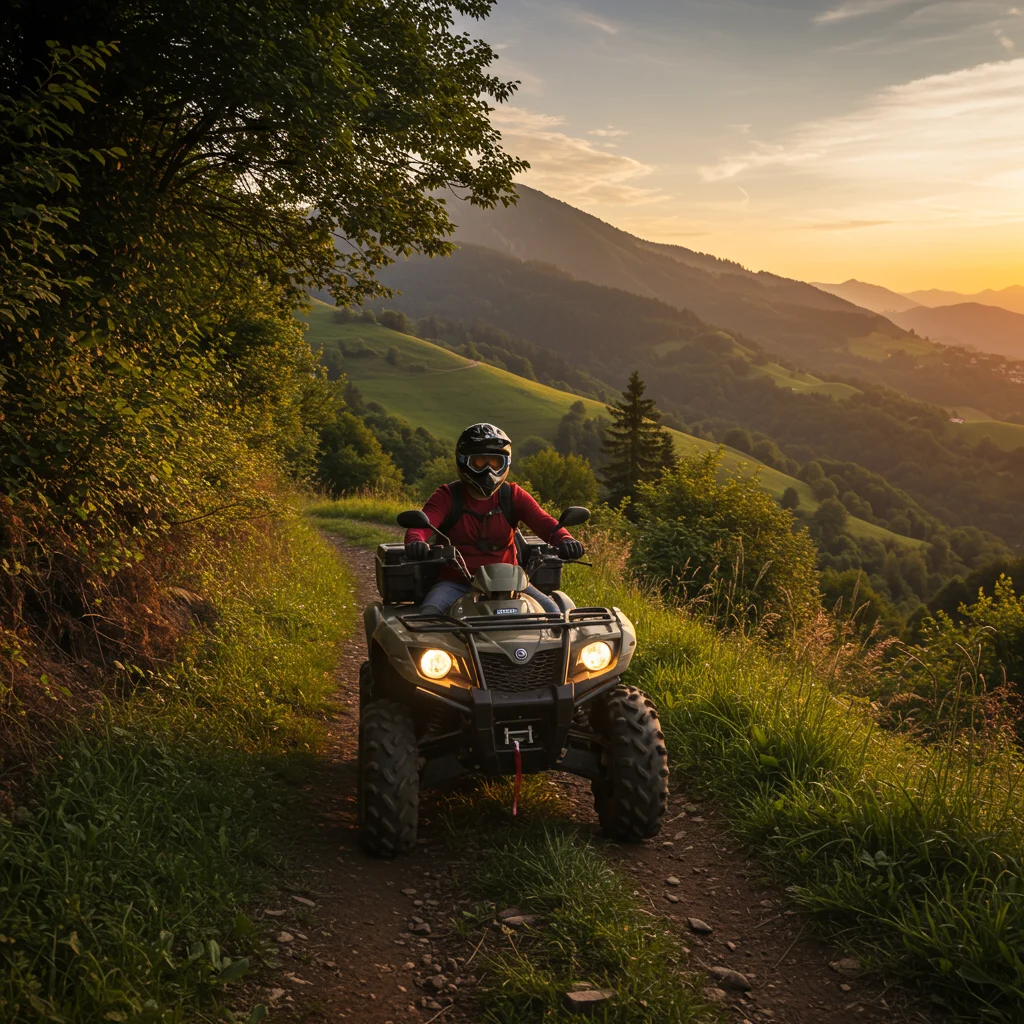
We will cover the best cameras and mounts for riders, techniques for capturing great shots, and how to share your adventures online.
Best Cameras and Mounts for ATVs
Action cameras, such as GoPro or DJI Osmo, are popular for their durability and image quality. Mount these cameras to your helmet, handlebars, or chest for dynamic perspectives. Look for waterproof and shock-resistant models to withstand rough conditions.
Smartphones can also capture excellent video and photos when used with secure mounts. Invest in extra batteries or portable chargers to ensure you never miss a shot during long rides.
Tips for Shooting Action Shots
Use wide-angle lenses to capture the landscape and sense of speed. Experiment with different angles and mounting positions to find the most exciting views. Shoot in bursts or use video mode to increase your chances of capturing the perfect moment.
Plan ahead for group photos or scenic stops. Adjust your camera settings for changing light conditions and remember to clean lenses regularly to avoid dust or water spots.
Sharing Your ATV Experiences Online
Share your favorite moments on social media, blogs, or video platforms to inspire others and connect with the ATV community. Use relevant hashtags and tag locations to reach a wider audience. Consider creating trip reports or photo albums to document your adventures over time.
If you are interested in sharing travel stories from other adventures, our article on the soul of the Amalfi Coast offers insights into creating engaging narratives and visuals, even in different settings.
Frequently Asked Questions About ATV Riding Near You
We often receive questions from new and prospective riders about safety, legal requirements, and costs. Getting clear answers can help you plan with confidence and avoid surprises on your ATV adventure.
Here are some of the most common questions and our expert advice.
Is ATV Riding Safe for Beginners?
With proper training, safety gear, and responsible riding, ATV adventures are safe for most beginners. Start with easy trails, follow all posted rules, and never ride alone on your first outings. Many rental companies and tour operators offer instruction and support for new riders.
Wearing a helmet, eye protection, and appropriate clothing significantly reduces the risk of injury. Practicing basic maneuvers in a safe environment builds skills and confidence before attempting more challenging trails.
Do You Need a License to Ride an ATV?
Licensing requirements vary by state and location. Some areas require a valid driver’s license, while others only need a trail permit or registration. Youth riders may be subject to additional rules, such as mandatory safety courses or age restrictions.
Always check local laws before riding. Rental companies and tour operators will inform you of any required documentation or training. It is your responsibility to comply with all legal requirements for your area.
What Are the Costs Involved?
Costs depend on whether you rent or own an ATV, the location, and the duration of your ride. Rental rates typically range from $75 to $200 per day, including basic safety gear. Guided tours may cost more but often include instruction, equipment, and amenities.
Owning an ATV involves a higher upfront investment, plus ongoing expenses for maintenance, insurance, and storage. Consider your budget and how often you plan to ride when making your decision. If you are interested in comparing costs with other activities, our post on renting a jet ski provides a helpful perspective on similar outdoor adventures.
Conclusion: Ready to Rev Up for Your Next ATV Adventure?
ATV riding offers a unique way to connect with the outdoors, challenge yourself, and create lasting memories with friends and family. Whether you are a seasoned rider or a curious beginner, there are trails, parks, and experiences waiting for you near home and across the country.
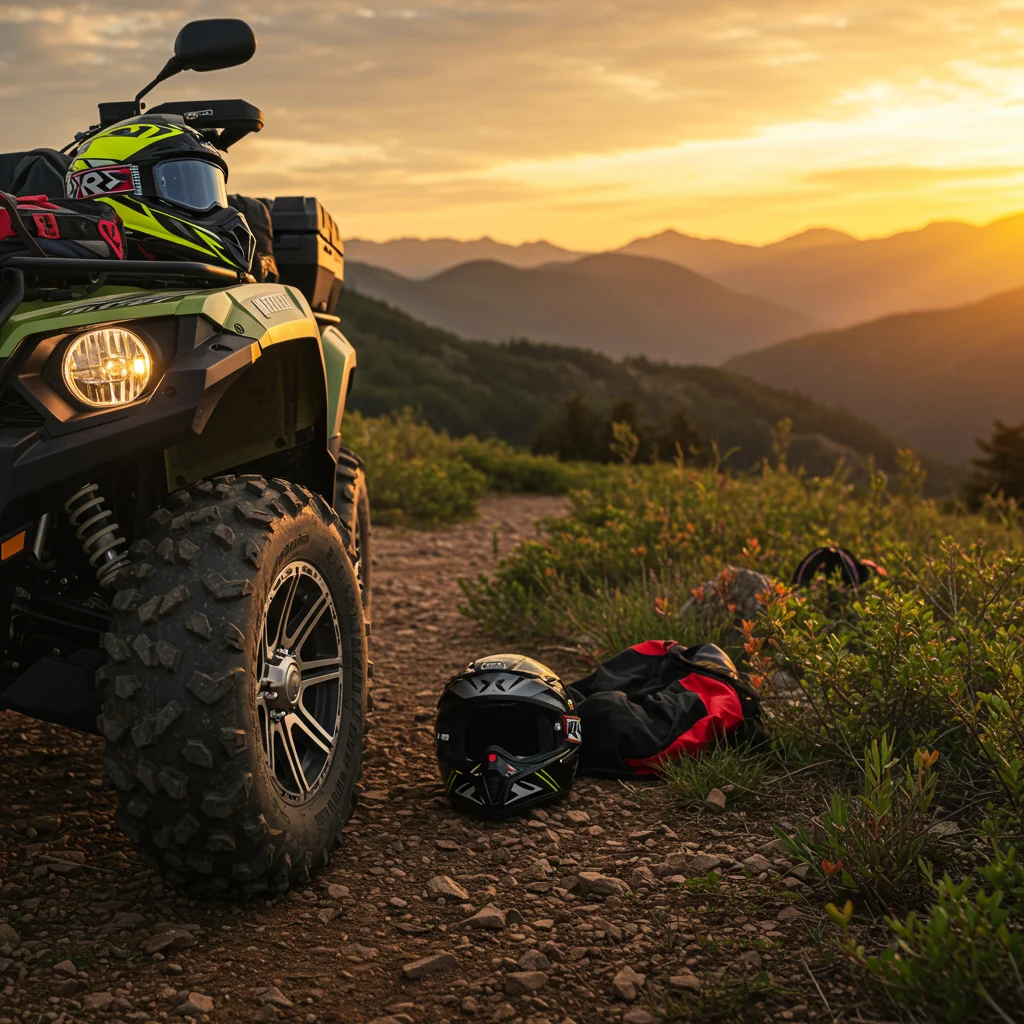
By following the tips and guidelines we have shared, you can ride safely, responsibly, and with confidence. For more ideas on outdoor adventures, travel planning, and group activities, visit Tour Cuts. We are here to help you make every ride unforgettable.
[…] Popular companies include Xtreme Off Road Rentals, Houston ATV Rentals, and General Sam’s Offroad Park’s in-house service. It’s wise to book in advance, especially during peak riding seasons. For more on finding the right rental, check out our guide to ATV riding near you. […]
[…] For those seeking other thrilling birthday ideas, you might also consider adventures such as ATV riding near you for an action-packed […]
[…] for even more locations for off-road adventures, you might find inspiration in our article about ATV riding near you, which highlights top spots across various […]
[…] such as ATV riding. For those interested in off-road experiences, we recommend reading about ATV riding near you for tips on finding the best local operators and […]
[…] Each type of safari offers a unique perspective on the landscape and an opportunity to learn about Bedouin traditions. Many excursions include stops at local villages, where you can sample tea and hear about daily life in the desert. For those interested in similar adventure experiences elsewhere, you might enjoy reading about ATV riding in other destinations. […]
[…] those interested in expanding their adventure repertoire, you might want to read about ATV riding nearby for another adrenaline-filled […]
[…] Guided hikes are recommended for those unfamiliar with the area, as local guides can share insights and help ensure safety. If you prefer to go at your own pace, self-guided routes are available near many popular attractions. For more adventurous outings, you might consider activities like ATV riding—a topic we cover in our post on ATV riding near you. […]