
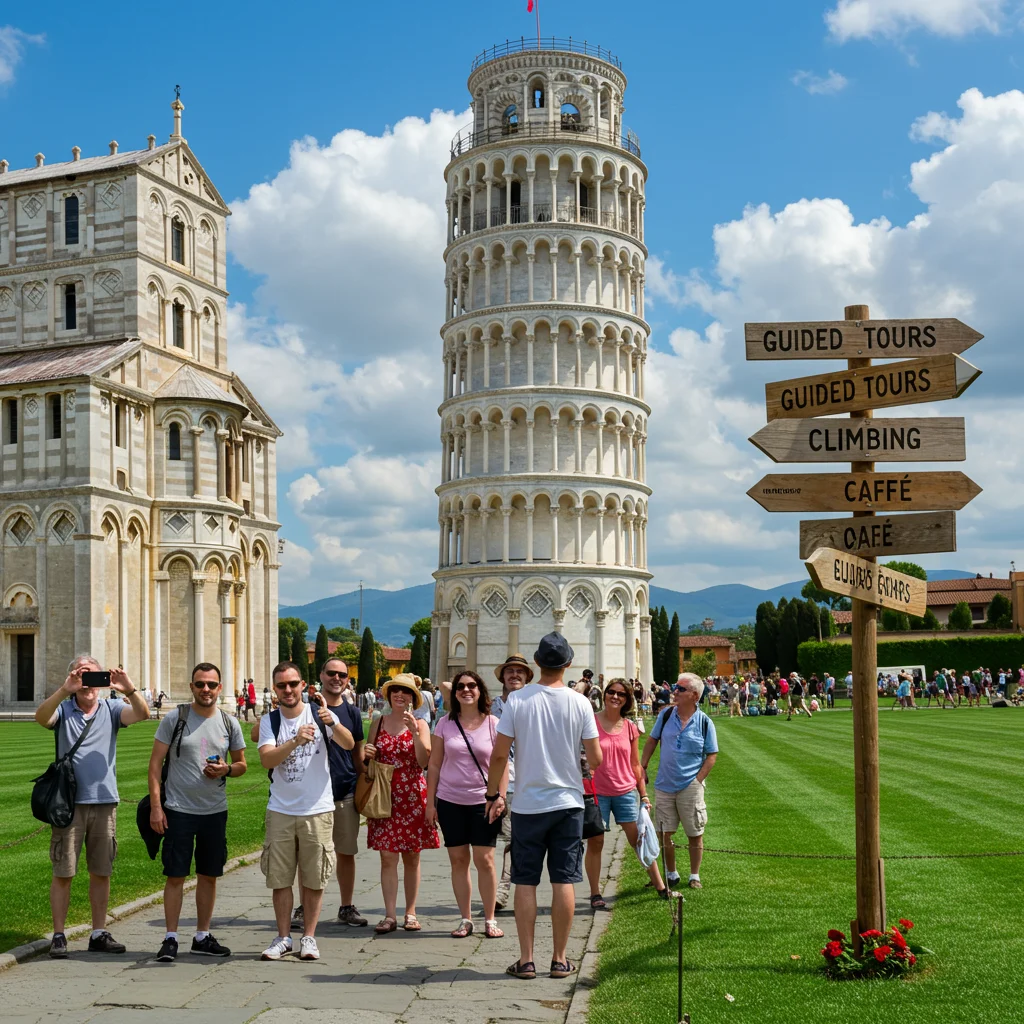


Introduction: Why Book a Pisa Tower Adventure?
The Leaning Tower of Pisa is one of the most recognized architectural landmarks in the world. Its unique tilt, rich history, and stunning location in the heart of Tuscany make it a must-visit for travelers. Whether you are passionate about architecture, photography, or simply want to experience an iconic piece of history, climbing the tower offers a memorable adventure.

Booking your Pisa Tower visit in advance ensures a smooth and enjoyable experience. With a limited number of daily visitors allowed, securing your ticket ahead of time helps you avoid disappointment and long wait times. In this guide, we cover everything you need to know about planning and booking your Pisa Tower adventure, from ticket options and prices to practical tips for your climb.
What Makes the Leaning Tower of Pisa Unique?
The Leaning Tower of Pisa stands out among historical monuments for its unintended tilt, which has fascinated visitors for centuries. Unlike other bell towers, its distinct angle instantly catches the eye and sparks curiosity about its construction and preservation.

Located in the Piazza dei Miracoli, the tower is part of a UNESCO World Heritage Site alongside the Cathedral, Baptistery, and Camposanto Monumentale. Its marble façade, Romanesque architecture, and remarkable lean combine to create a visual spectacle unlike any other. The tower’s ongoing story of engineering challenges and solutions adds another layer of intrigue, making it a rewarding destination for travelers interested in both history and design.
A Brief History of the Leaning Tower of Pisa
Understanding the tower’s history enriches your visit and puts its quirks into perspective. Construction began in the 12th century, and the project quickly faced unexpected challenges. Over the centuries, the tower has survived wars, weather, and shifting ground, each leaving a mark on its character.

The Leaning Tower’s story intertwines with the history of Pisa itself, reflecting the city’s ambitions, setbacks, and resilience. Knowing the key events behind its construction and preservation helps visitors appreciate the significance behind every step of the climb.
How Did the Tower Begin to Lean?
The tower began to lean shortly after construction started due to unstable soil beneath its foundation. Engineers and architects at the time did not anticipate the soft, sandy ground would be unable to support the weight of the tall, heavy structure.
As the tower rose, the tilt became more pronounced, causing concern but also drawing attention. The lean was not the result of deliberate design, but rather a combination of geological and architectural factors. This unplanned feature quickly became the tower’s defining characteristic.
Restoration Efforts Through the Centuries
Efforts to stabilize and preserve the Leaning Tower of Pisa have been ongoing for hundreds of years. Early attempts included adding counterweights and reinforcing the base, while more recent restoration projects have utilized advanced engineering techniques.
In the late 20th century, the tower was closed to the public for over a decade to allow for major stabilization work. These efforts have succeeded in reducing the tilt to a safe angle and ensuring that visitors can continue to climb the tower for generations to come.
Why Climb the Leaning Tower of Pisa?
Climbing the Leaning Tower of Pisa is more than a simple ascent—it is an experience that allows you to connect with history, marvel at engineering feats, and enjoy breathtaking views. The sensation of climbing a slanted staircase is unique, offering a physical reminder of the tower’s famous tilt.

Reaching the top rewards you with stunning panoramas of Pisa and the surrounding Tuscan countryside. For many, the climb is a bucket-list achievement, providing both a personal challenge and the chance to witness a world-renowned landmark from a new perspective.
What to Expect During Your Pisa Tower Visit
Visitors to the Leaning Tower of Pisa can anticipate a well-organized experience. Upon arrival, you will find clear signage, helpful staff, and a secure environment. The climb itself is moderately challenging, with a spiral staircase leading to the top.
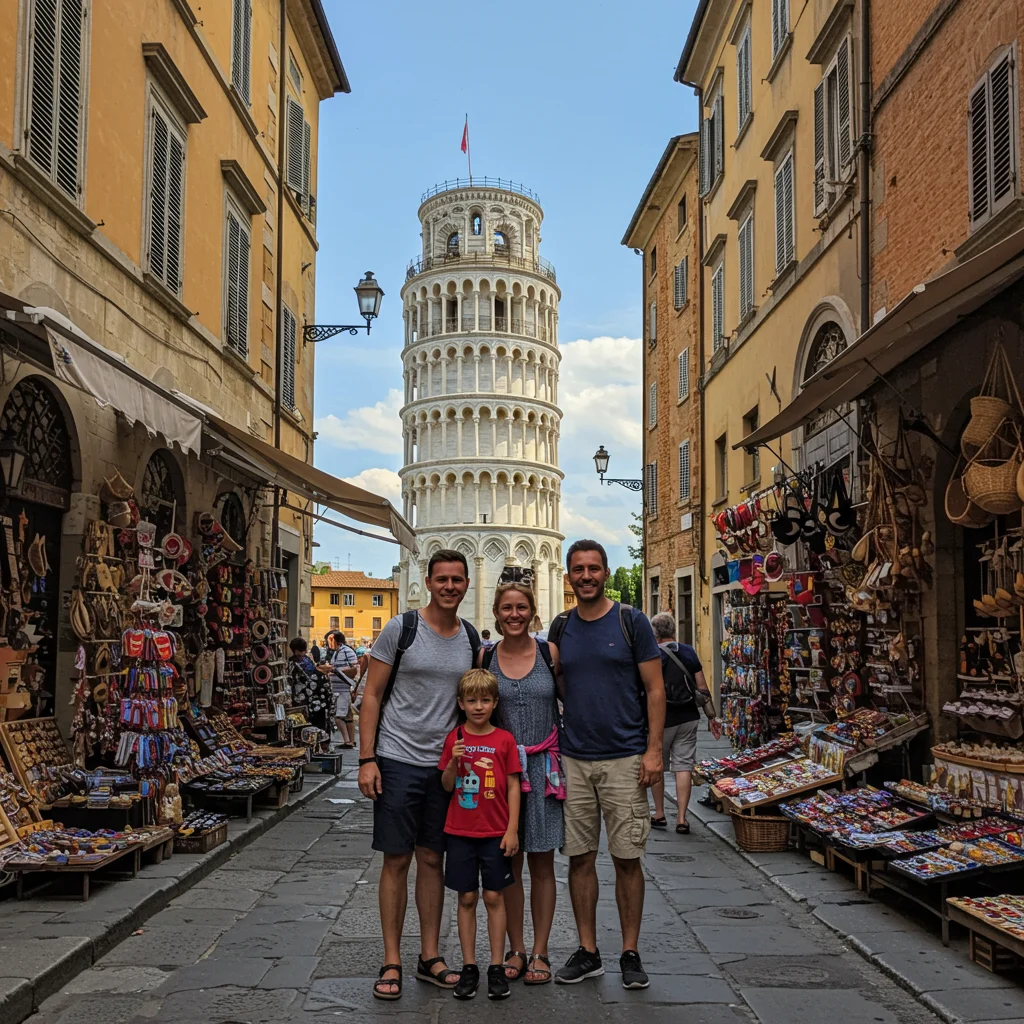
Expect a steady flow of fellow travelers, as the tower remains one of Italy’s most popular attractions. You will also find amenities such as restrooms, souvenir shops, and cafés nearby, making it easy to plan a comfortable and enjoyable visit.
How to Book Your Pisa Tower Tickets
Booking tickets in advance is highly recommended due to the tower’s popularity and limited daily entry slots. There are several ways to secure your spot, each offering different benefits and levels of convenience.
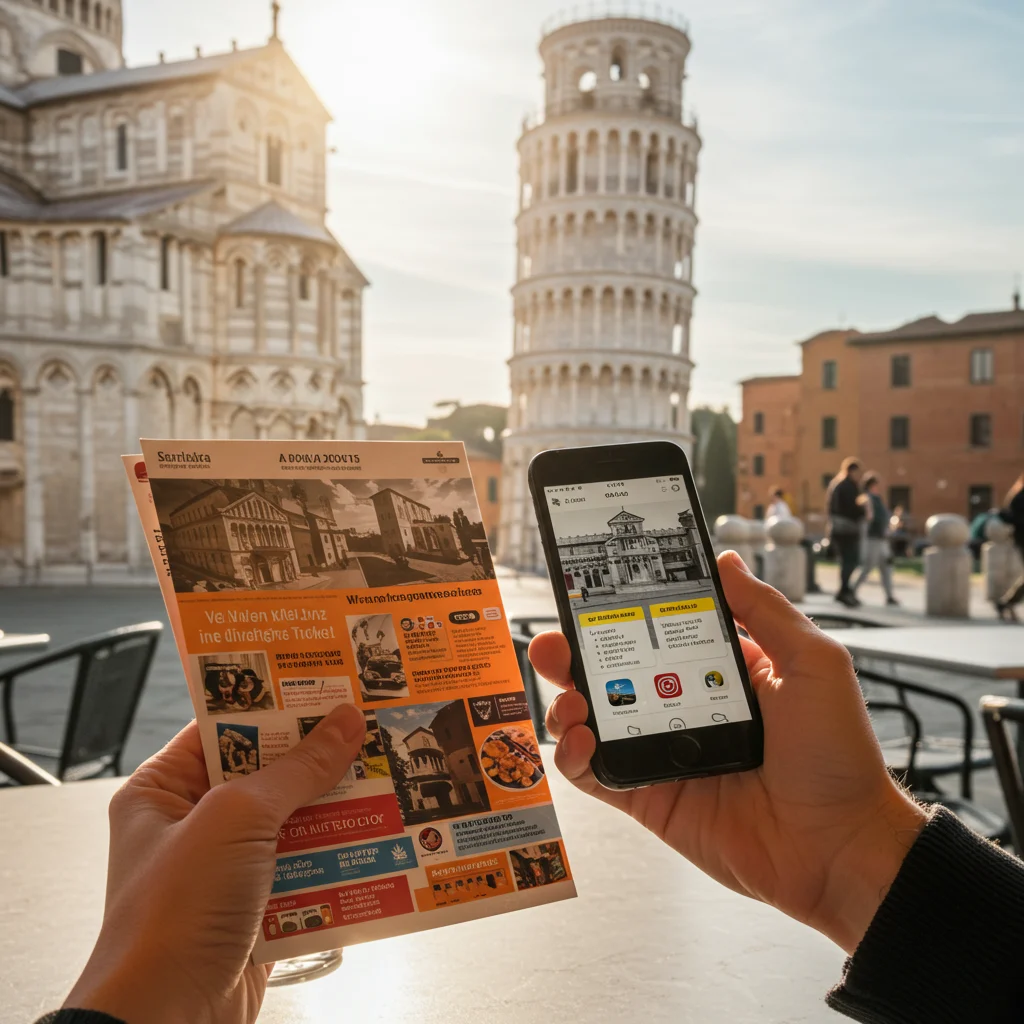
Online platforms provide a straightforward way to reserve your preferred time, while onsite tickets are sometimes available for last-minute visitors. Understanding your options will help you choose the best approach for your travel plans.
Where Can You Book Official Pisa Tower Tickets Online?
The most reliable way to obtain official Pisa Tower tickets is through the monument’s authorized website. This platform allows you to select your date and time slot, guaranteeing entry and minimizing wait times.
Several reputable ticket vendors also offer official tickets, sometimes with added services such as guided tours or skip-the-line access. When booking online, always verify that you are purchasing from a trusted source to avoid scams or inflated prices. For those interested in efficient entry methods, you may find it helpful to read about skip-the-line strategies used for other attractions, such as Chapultepec Castle, for inspiration on maximizing your Pisa visit.
Can You Buy Tickets Onsite?
A limited number of tickets are available at the ticket office near the Piazza dei Miracoli. However, these are often sold out quickly, especially during peak travel seasons or weekends.
If you arrive without a reservation, be prepared for potentially long wait times or the possibility of missing out on your preferred time slot. Booking online remains the most reliable option for securing your climb.
How Far in Advance Should You Book?
Given the tower’s popularity, we recommend booking tickets at least several weeks in advance, particularly if you plan to visit during summer or on holidays. This approach helps you secure your ideal time and reduces the risk of disappointment.
For travelers with flexible schedules, booking a few days ahead may suffice during quieter seasons. However, advance planning is always the safest strategy for such a sought-after attraction.
Types of Pisa Tower Tickets Explained
Several ticket types are available for the Leaning Tower of Pisa, each designed to suit different visitor preferences. From standard entry to guided tours, understanding your options helps you tailor your experience.

Carefully consider what you want from your visit, whether it’s a quick climb, an in-depth historical tour, or a combination of Pisa’s main attractions in one package.
Standard Entry Tickets
A standard entry ticket grants timed access to the Leaning Tower of Pisa. This option is perfect for visitors who prefer to take in the views and atmosphere at their own pace.
With a standard ticket, you can enjoy the climb and the panoramic vistas from the top, making it the most straightforward and popular choice for solo travelers and families alike.
Skip-the-Line Tickets: Are They Worth It?
Skip-the-line tickets allow you to bypass the regular queues and enter the tower with minimal waiting. These tickets are especially valuable during busy periods, when lines can be long and unpredictable.
If you value your time or have a tight itinerary, opting for a skip-the-line option can enhance your experience. This approach is similar to strategies used at other major attractions, as described in guides like the one for Chapultepec Castle. The convenience can make a significant difference, particularly in the summer months.
Guided Tours vs. Self-Guided Visits
Guided tours offer expert insights into the history, architecture, and stories behind the Leaning Tower and its surroundings. Tour guides often share fascinating anecdotes and answer questions, making your visit more informative.
Self-guided visits, on the other hand, provide flexibility and independence. You can set your own pace and focus on the aspects that interest you most. Both options are rewarding, so your choice depends on your personal travel style.
Combo Tickets: What Else Can You See?
Combo tickets provide access not only to the Leaning Tower, but also to other monuments in the Piazza dei Miracoli. This may include the Cathedral (Duomo), Baptistery, Camposanto Monumentale, and museums.
These tickets are excellent value for those who want to experience Pisa’s most important landmarks in one visit. They also make itinerary planning simpler, as you can explore multiple sites within a single time frame.
Understanding Pisa Tower Ticket Prices
Ticket prices for the Leaning Tower of Pisa vary based on the type of entry, age of the visitor, and any additional services included. Understanding the pricing structure helps you plan your budget and avoid unexpected costs.
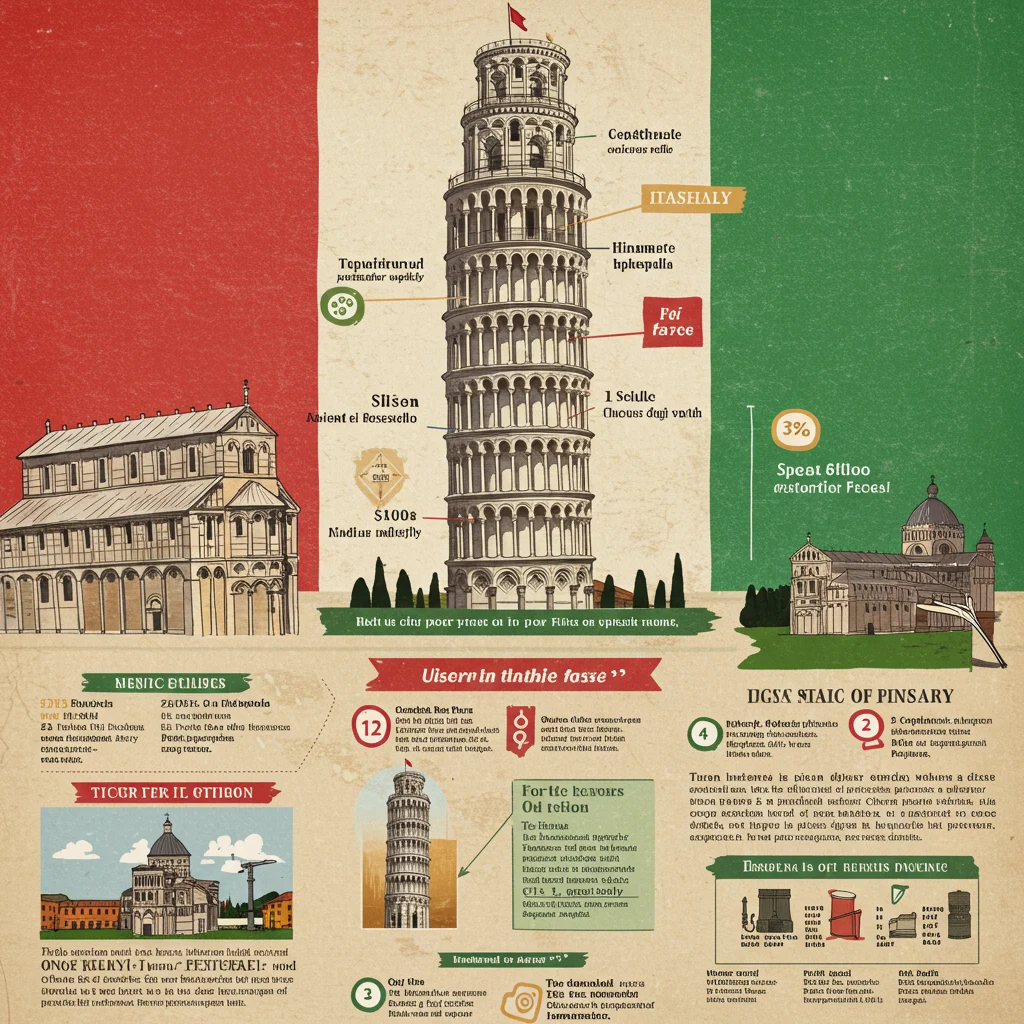
In this section, we outline the main factors that influence ticket pricing and highlight ways to save money, especially for families and groups.
Are Discounts Available for Children, Students, or Seniors?
Reduced ticket prices are often available for children, students, and seniors. Be sure to check the official website for the most up-to-date information on age limits and eligibility requirements.
Valid identification, such as a student card or government-issued ID, is typically required to receive these discounts. Taking advantage of these offers can make your Pisa Tower visit more affordable, especially for larger families.
Group Booking Options and Savings
Traveling with a group can unlock additional savings, as group rates are sometimes offered for parties above a certain size. This applies to school trips, tour groups, and large families.
Booking as a group can also make logistics easier, with coordinated entry times and dedicated guides available upon request. If you are organizing a group visit, it’s advisable to contact the ticket office in advance to discuss available options.
What’s Included in Your Pisa Tower Ticket?
Your Pisa Tower ticket offers more than just access to the famous monument. Depending on the type of ticket you purchase, you may receive entry to several other historical sites, as well as additional services that enhance your visit.
Understanding what is included helps you make the most of your time in Pisa and ensures there are no surprises on the day of your visit.
Access to the Tower
All Pisa Tower tickets include timed entry to the tower itself. You will receive a specific time slot, which helps regulate the flow of visitors and maintain safety standards.
This system ensures a comfortable climb and allows everyone to enjoy the spectacular views from the top without overcrowding.
Entry to Other Monuments in Piazza dei Miracoli
Many ticket options include access to the Cathedral, Baptistery, Camposanto Monumentale, and the Museo dell’Opera del Duomo. These sites offer a deeper understanding of Pisa’s religious and artistic heritage.
Combining your tower climb with visits to these monuments allows you to appreciate the full scope of the Piazza dei Miracoli’s historical significance.
Audio Guides and Extra Services
Audio guides are available for an additional fee, providing informative commentary in multiple languages. These guides enrich your experience with background details and historical context.
Other services, such as guided tours or skip-the-line upgrades, can be added to your booking for an enhanced visit. Be sure to review all available options before finalizing your ticket purchase.
Planning Your Visit: Essential Tips
A successful Pisa Tower adventure starts with careful planning. From choosing the right time to visit to knowing what to expect on the day, a little preparation goes a long way.

In this section, we provide practical tips to help you get the most out of your experience, whether you are visiting solo, with family, or as part of a group.
Best Times of Year to Climb the Tower
The Leaning Tower of Pisa welcomes visitors year-round, but certain months offer a more comfortable experience. Spring and early autumn typically feature mild weather and fewer crowds.
Summer months, especially July and August, tend to be the busiest and hottest. If you can, plan your visit for the shoulder seasons to enjoy a more relaxed atmosphere and shorter lines.
What Are the Opening Hours?
Opening hours vary throughout the year, generally starting in the morning and closing in the early evening. The schedule may be adjusted for special events or maintenance.
Always check the official website for the latest information on opening times before your visit. This ensures you can plan your day efficiently and avoid any surprises.
How Long Does the Climb Take?
The climb to the top of the Leaning Tower typically takes about 30 minutes. This includes time for ascending the spiral staircase, enjoying the views, and descending.
Allow extra time for security checks, ticket validation, and exploring the surrounding monuments. Most visitors spend around one to two hours in the Piazza dei Miracoli.
How to Get to the Leaning Tower of Pisa
Reaching the Leaning Tower of Pisa is straightforward, with several transportation options available. Whether you are arriving by public transport or private vehicle, planning your route in advance makes for a smoother journey.
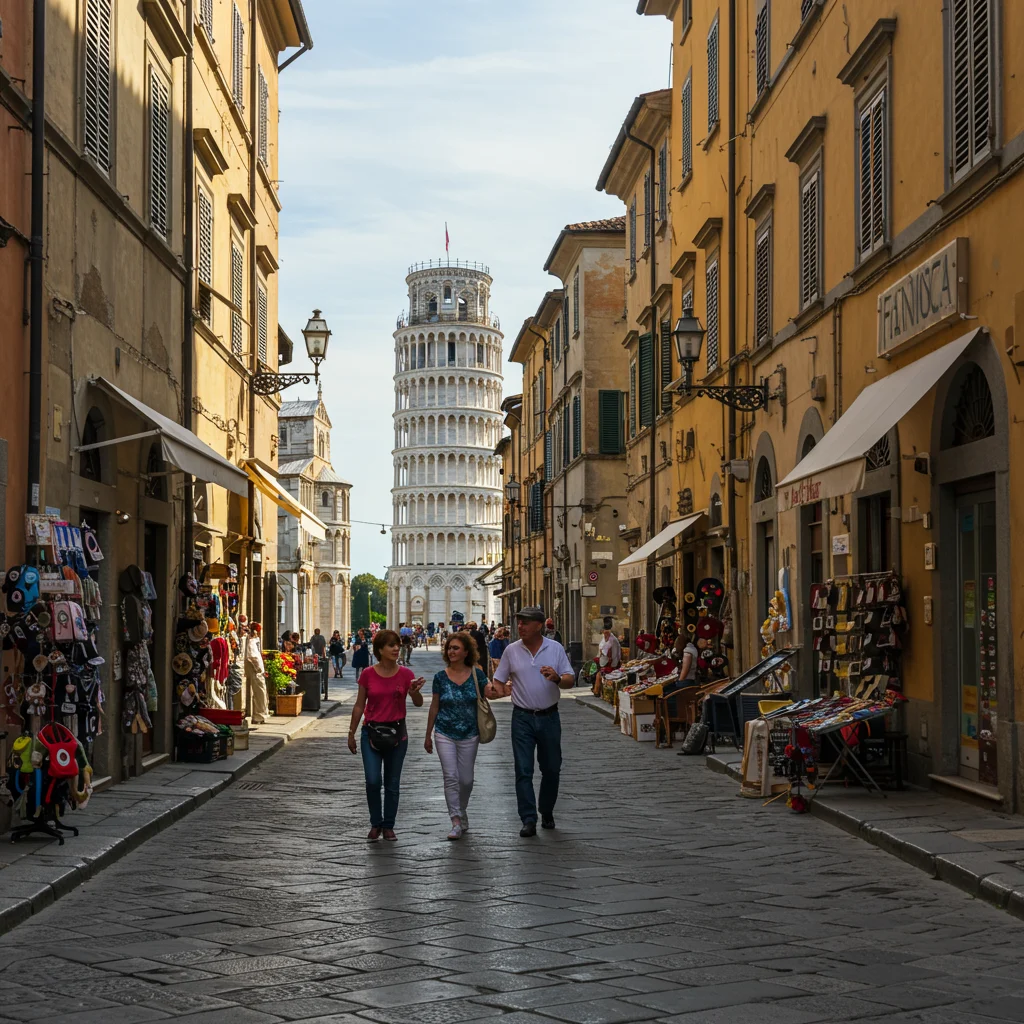
The tower’s central location in Pisa means you can easily combine your visit with other attractions or day trips in the region, much like travelers who explore Venice or the Amalfi Coast as part of a broader Italian itinerary.
Arriving by Train or Bus
Pisa’s main train station, Pisa Centrale, connects the city with major Italian destinations such as Florence, Rome, and Venice. From the station, you can take a local bus or taxi to the Piazza dei Miracoli.
Public buses run frequently and offer an affordable way to reach the tower. If you are coming from another city, consider combining your Pisa visit with a tour of nearby locations, similar to the approach described in the guide to exploring Venice in a day.
Parking Options Near the Tower
If you are driving, several parking lots are located within walking distance of the Piazza dei Miracoli. These include both paid and free options, though paid lots tend to be closer and more secure.
Arriving early increases your chances of finding a convenient parking spot, especially during peak travel periods. Be sure to check local signage for regulations and fees.
Accessibility for Visitors with Limited Mobility
The Leaning Tower of Pisa presents challenges for visitors with limited mobility, as the climb involves a narrow spiral staircase without an elevator. However, the surrounding Piazza dei Miracoli and other monuments are more accessible.
Accessible restrooms, ramps, and dedicated pathways are available throughout the site. If you have specific needs, contact the ticket office in advance to discuss accommodations.
Preparing for the Climb: What You Need to Know
Climbing the Leaning Tower of Pisa is a physical activity that requires some preparation. Knowing what to expect helps you enjoy the experience safely and comfortably.

Consider factors such as the number of steps, age restrictions, and recommended attire when planning your visit.
How Many Steps Are There?
The tower’s staircase consists of approximately 294 steps. The climb is moderately steep and may feel more challenging due to the tilt of the structure.
Take your time, pause as needed, and use the handrail for support. The effort is well rewarded by the panoramic views awaiting you at the top.
Is the Climb Suitable for Children?
Children under the age of eight are not permitted to climb the tower for safety reasons. Young visitors aged eight to 18 must be accompanied by an adult.
If you are traveling with children, consider exploring the other monuments in the Piazza dei Miracoli, which offer engaging experiences for all ages.
What Should You Wear and Bring?
Wear comfortable, non-slip shoes to navigate the stone staircase safely. Lightweight clothing is recommended, especially during warmer months.
Bring a small bag for essentials, but avoid large backpacks, as these may not be allowed inside the tower. Water bottles and cameras are permitted, but always check the latest guidelines before your visit.
Are There Any Health or Safety Restrictions?
The climb is not recommended for visitors with heart conditions, mobility issues, or severe vertigo. Pregnant women are also advised against climbing the tower.
If you have health concerns, consult your doctor and consider alternative ways to enjoy the Piazza dei Miracoli’s attractions.
What Are the Rules for Climbing the Pisa Tower?
The Leaning Tower of Pisa has specific rules in place to protect both visitors and the monument itself. Adhering to these guidelines ensures a safe and respectful experience for everyone.
Familiarize yourself with the main rules before your visit to avoid any issues on the day.
Prohibited Items and Security Checks
Large bags, backpacks, and suitcases are not allowed inside the tower. Security staff will ask you to store these items in designated lockers near the entrance.
Other prohibited items include sharp objects, food, and drinks. All visitors are subject to security screening before entry.
Photography Guidelines
Photography is permitted inside the Leaning Tower of Pisa, but the use of tripods, selfie sticks, and professional equipment is restricted. Be mindful of other visitors when taking photos, especially on the narrow staircase and observation platform.
Capturing the unique angle of the tower is a highlight for many visitors. For tips on taking great photos at historical sites, you might enjoy reading about photo opportunities during a walk through Old San Juan.
COVID-19 Safety Measures and Visitor Protocols
Health and safety measures may be in place, including mask requirements, hand sanitizing stations, and reduced visitor numbers. These protocols are updated regularly based on current guidelines.
Check the official website before your visit for the latest information on COVID-19 measures and entry requirements.
What Will You See from the Top of the Tower?
Reaching the top of the Leaning Tower of Pisa offers a spectacular reward: sweeping views of Pisa, the Piazza dei Miracoli, and the Tuscan landscape.
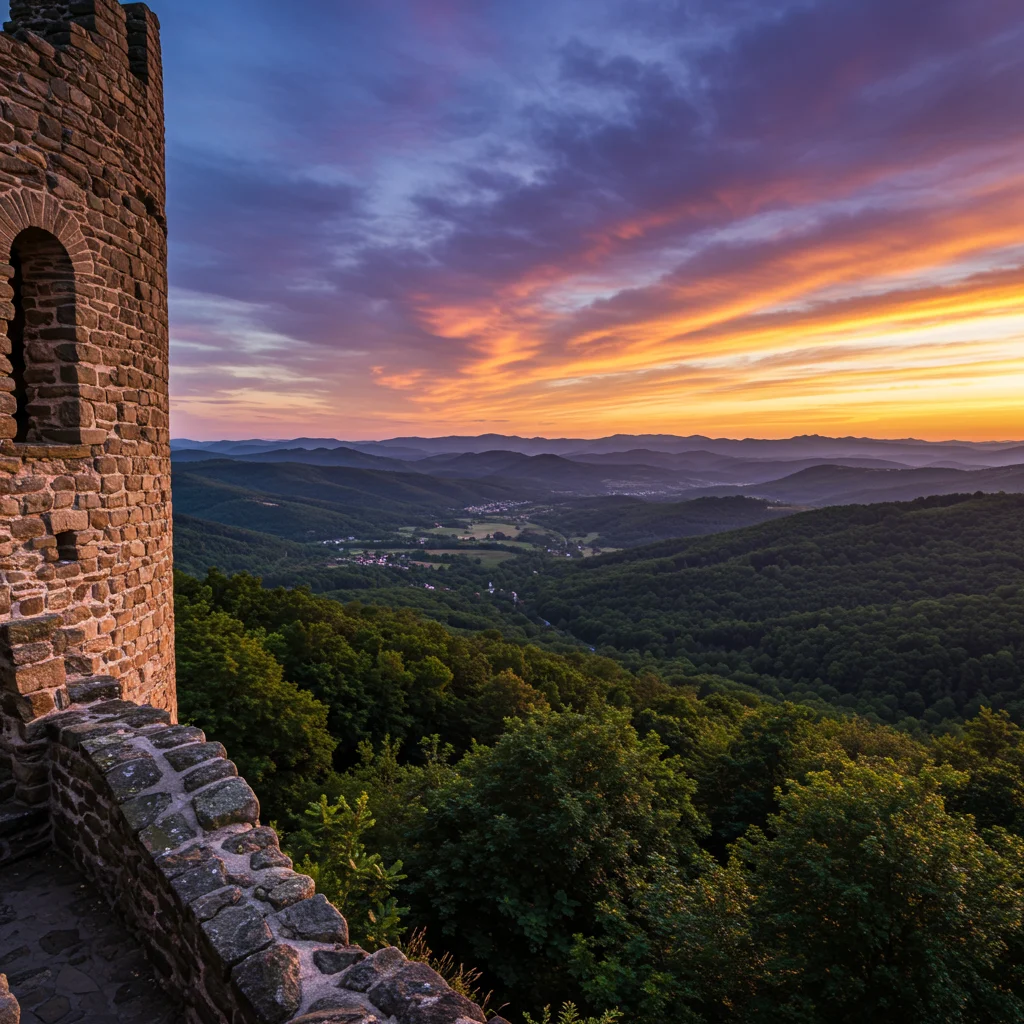
Bring your camera and take your time to enjoy the scenery. Each angle offers a different perspective, making the climb well worth the effort.
Panoramic Views and Photo Opportunities
From the top, you can see the intricate rooftops of Pisa, the green lawns of the Piazza, and distant Tuscan hills. The observation platform provides plenty of space to take photos and soak in the scenery.
Early morning and late afternoon are ideal times for photography, as the light is softer and crowds are thinner. The unique vantage point allows for both classic and creative shots of the city below.
Other Landmarks Visible from the Tower
In addition to the Piazza dei Miracoli’s monuments, you can spot landmarks such as the Arno River, Pisa’s medieval walls, and the city’s historic center.
On a clear day, the distant Apennine Mountains are visible, adding to the sense of place and history. Use the views as inspiration to plan further explorations, perhaps to other regions like the Amalfi Coast, as described in the guide to the soul of the Amalfi Coast.
Exploring Piazza dei Miracoli After Your Climb
The Piazza dei Miracoli is home to more than just the Leaning Tower. After your climb, take time to visit the other monuments and museums that make this square a highlight of Pisa.

Each site offers a unique perspective on the city’s religious, artistic, and cultural history, providing a well-rounded experience for curious travelers.
Cathedral of Pisa (Duomo)
The Cathedral of Pisa, or Duomo, is a masterpiece of Romanesque architecture. Its ornate façade and stunning interiors feature marble columns, intricate mosaics, and a majestic dome.
Admission to the cathedral is often included with your Pisa Tower ticket. Visitors are encouraged to explore its chapels and marvel at the artistry that has inspired generations.
Baptistery and Camposanto Monumentale
The Baptistery is renowned for its acoustics and impressive dome. Inside, you can admire beautiful sculptures and listen to the unique sound created by the building’s architecture.
The Camposanto Monumentale, or monumental cemetery, is another highlight. Its frescoes, sculptures, and tranquil atmosphere offer a reflective space amid the bustling Piazza.
Museo dell’Opera del Duomo
The Museo dell’Opera del Duomo houses many original works of art from the cathedral and other monuments. Exhibits include sculptures, paintings, and religious artifacts that tell the story of Pisa’s artistic legacy.
This museum provides a deeper understanding of the city’s history and the craftsmanship behind its most famous buildings.
Where to Eat and Shop Near the Tower
After your climb, you will find plenty of options for refreshments and souvenirs near the Piazza dei Miracoli. From traditional trattorias to lively markets, Pisa offers something for every taste and budget.

Take time to sample local cuisine and browse for unique mementos to remember your visit.
Best Cafés and Restaurants in the Area
Several cafés and restaurants are located within walking distance of the tower. Menus often feature Tuscan specialties such as fresh pasta, seafood, and local wines.
For a memorable meal, look for venues with outdoor seating and views of the Piazza. Reservations are recommended during peak travel periods.
Souvenir Shops and Local Markets
Souvenir shops line the streets around the Piazza, offering everything from postcards and magnets to artisan crafts. Look for locally made products such as ceramics, leather goods, and regional food items.
Local markets are also a great place to find unique gifts and experience the vibrant atmosphere of Pisa. Bargaining is not common, but you can often find special deals on authentic items.
Tips for Taking Iconic Leaning Tower Photos
Capturing the perfect photo of the Leaning Tower is a highlight for many visitors. With a little planning, you can create memorable images that showcase both the monument and your own creativity.

Consider the time of day, your position relative to the tower, and the type of shot you want to achieve. Drawing inspiration from other historic sites, such as those featured in a walk through Old San Juan, can also spark new ideas for your Pisa photos.
Best Angles and Times for Photos
Early morning and late afternoon offer the best lighting conditions and fewer crowds. The classic “holding up the tower” pose is popular, but don’t be afraid to experiment with unique perspectives.
Move around the Piazza to find different backgrounds and angles. Including other monuments in your shot can add context and interest to your photos.
Creative Pose Ideas
In addition to the classic poses, try using props, group shots, or playful gestures to make your photos stand out. Capture candid moments as you climb or celebrate reaching the top.
If you are traveling with friends or family, coordinate your poses for a fun series of images. Let your personality shine through in each shot.
Frequently Asked Questions About Booking Pisa Tower Tickets
Booking a visit to the Leaning Tower of Pisa often raises practical questions. Here, we address some of the most common concerns to help you plan with confidence.
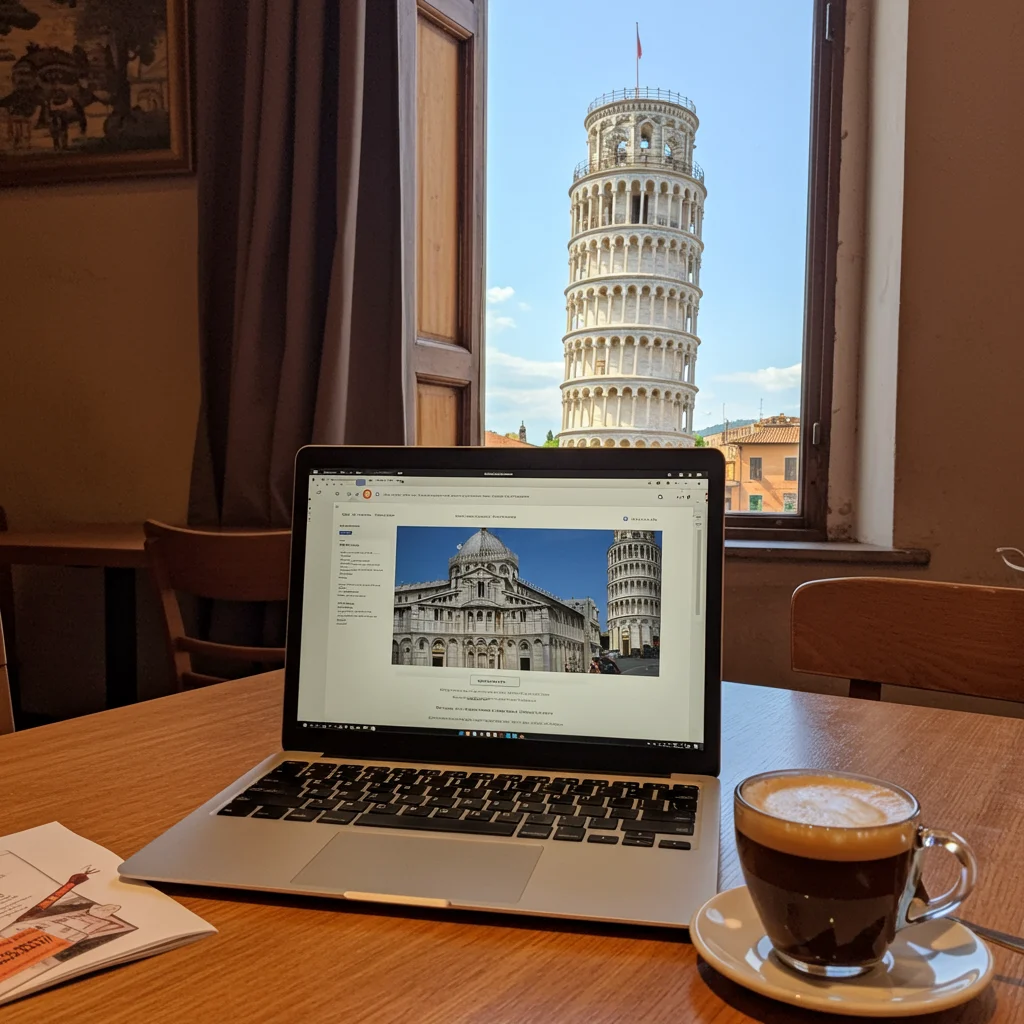
Having the right information in advance can turn a good trip into a great one.
What Happens If You Miss Your Time Slot?
If you miss your reserved time slot, entry is not guaranteed. Staff may accommodate you on a later tour if space allows, but during busy times, this may not be possible.
Arrive at least 15 minutes before your scheduled time to allow for ticket checks and security. Planning ahead helps you avoid any last-minute stress.
Can You Reschedule or Cancel Your Booking?
Policies regarding rescheduling or cancellations vary depending on where you purchase your ticket. Some platforms offer flexible options, while others do not allow changes.
Read the terms and conditions carefully before booking. If flexibility is important to you, choose a vendor that offers refundable or changeable tickets.
Are Last-Minute Tickets Available?
A small number of tickets may be available for last-minute purchase at the onsite ticket office. However, these often sell out quickly, especially on weekends and holidays.
For peace of mind, book your tickets online in advance. This approach is especially important during peak travel periods.
Is It Safe to Climb the Leaning Tower of Pisa?
Safety is a top priority for the operators of the Leaning Tower of Pisa. The structure is closely monitored, and strict protocols are in place to protect visitors.
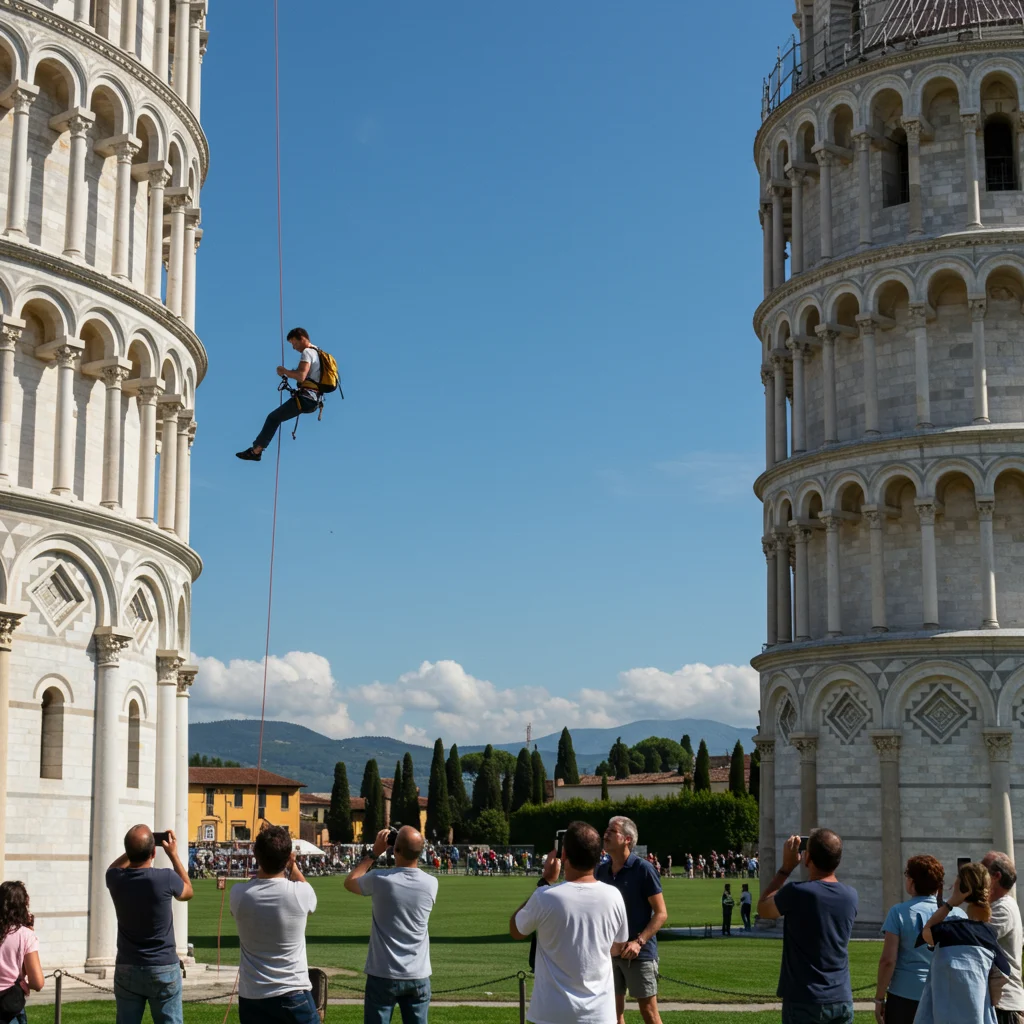
Understanding the safety measures in place can help you feel secure during your climb.
Structural Integrity and Ongoing Monitoring
The tower’s stability is maintained through continuous monitoring and regular maintenance. Advanced technology tracks even the smallest movements in the structure.
After major restoration work in the 1990s, the tower was declared safe for visitors. Engineers continue to assess its condition to prevent future risks.
What Safety Measures Are in Place for Visitors?
Visitor numbers are strictly controlled to prevent overcrowding. Security staff are present at all times to assist with emergencies and enforce safety rules.
Handrails, non-slip surfaces, and clear signage make the climb as safe as possible. If you have concerns, staff are available to answer questions and provide assistance.
Making the Most of Your Pisa Adventure: Additional Travel Tips
To make your Pisa visit truly memorable, consider how it fits into your wider Italian itinerary. Pisa’s location makes it an excellent base for day trips and multi-city tours.

Planning ahead allows you to experience more of Italy’s rich culture, history, and natural beauty, much like those who combine sports, history, and scenery on trips to Rome or the Amalfi Coast.
Day Trips and Nearby Attractions
From Pisa, it is easy to visit other Tuscan gems such as Florence, Lucca, or the rolling hills of Chianti. Train and bus connections make these excursions convenient and affordable.
Sports fans may also be interested in catching a football match at Rome’s Stadio Olimpico, as described in the Stadio Olimpico guide. Combining cultural and sporting experiences can add variety to your Italian adventure.
Recommended Itineraries for Pisa
A typical Pisa itinerary might include a morning climb of the Leaning Tower, followed by visits to the cathedral, baptistery, and museums in the Piazza dei Miracoli. Lunch at a local trattoria and an afternoon stroll along the Arno River round out the day.
For those with more time, consider extending your trip to include nearby cities or scenic drives along the Tuscan coast. Inspiration for longer Italian journeys can be found in resources like the Amalfi Coast travel guide.
Conclusion: Start Your Pisa Tower Journey Today
The Leaning Tower of Pisa offers more than just a photo opportunity. It is a testament to human ingenuity, resilience, and the enduring appeal of history. By planning your visit carefully and booking in advance, you can enjoy a seamless and unforgettable adventure.
For more expert travel tips, inspiration, and booking assistance, visit Tour Cuts. Start your Pisa Tower journey today and create memories that will last a lifetime.