
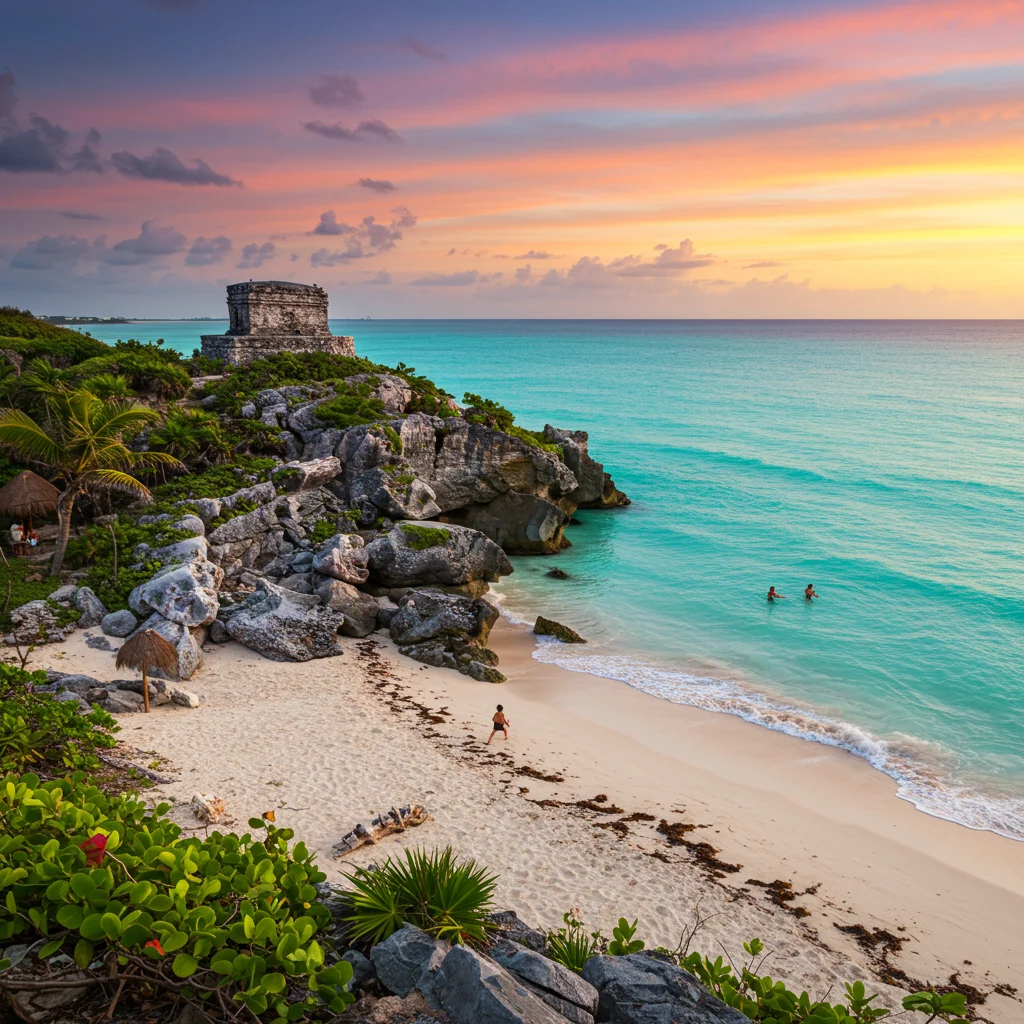


Introduction: Discovering the Magic of Tulum
Tulum stands out as one of Mexico’s most intriguing destinations, blending ancient history with natural beauty and modern comforts. This seaside town attracts travelers seeking both relaxation and adventure. With its turquoise waters, lush jungles, and iconic ruins, Tulum offers an experience that feels both timeless and refreshingly new.
As we guide you through Tulum’s highlights, you’ll find practical advice, real examples, and trusted recommendations. Whether you’re planning your first visit or returning to see what’s new, this comprehensive guide will help you make the most of your time in this Mexican paradise.
Why Visit Tulum? Top Reasons to Explore This Mexican Paradise
Tulum draws visitors from around the globe for many good reasons. Its unique combination of ancient Mayan ruins, pristine beaches, and a laid-back atmosphere makes it a standout destination on the Riviera Maya.
Travelers often praise Tulum’s eco-conscious approach, its vibrant culinary scene, and the diversity of activities available. From serene yoga retreats to adrenaline-pumping water sports, there is truly something for everyone here.
How to Get to Tulum: Transportation Tips and Options
Reaching Tulum has become more convenient in recent years. Most international visitors arrive via Cancun International Airport, which is roughly two hours away by car. From there, you can choose between private transfers, buses, or car rentals.
Several shuttle companies operate direct services to Tulum, making the journey smooth and comfortable. For those who value flexibility, renting a car can be a practical choice, especially if you plan to visit the region’s lesser-known attractions.
When Is the Best Time to Visit Tulum?
Timing your trip to Tulum is crucial for a comfortable experience. The region’s weather, crowd levels, and seasonal events all play a role in shaping your visit.
The dry season, from November to April, is often considered the best time to visit. During these months, you’ll enjoy sunny days, pleasant temperatures, and lower humidity. However, this is also the busiest period, so booking accommodations in advance is recommended.
Tulum’s Unique Geography and Climate Explained
Tulum’s geography is defined by its coastal position along the Caribbean Sea and its proximity to the Yucatán jungle. This location grants it stunning beaches, mysterious cenotes, and a diverse ecosystem.
The climate in Tulum is tropical, with distinct wet and dry seasons. Expect warm temperatures year-round, but be prepared for occasional rain showers, especially from June to October. The sea breeze often provides relief from the heat, making outdoor activities enjoyable.
Tulum’s Rich History and Culture
Tulum’s story stretches back centuries to the height of the Mayan civilization. The town’s archaeological sites offer a glimpse into this fascinating past, while local traditions and festivals keep the cultural spirit alive today.
You’ll notice the influence of Mayan heritage in local art, cuisine, and daily life. Modern Tulum also has a growing international community, contributing to a unique blend of old and new.
What Are the Must-See Ancient Ruins in Tulum?
No visit to Tulum is complete without seeing its ancient ruins. These sites provide insight into Mayan history and offer breathtaking views of the surrounding landscape.
While the Tulum Archaeological Zone is the most famous, several other sites nearby are worth your attention. Each offers a different perspective on the region’s past and its enduring significance.
Exploring the Tulum Archaeological Zone
The Tulum Archaeological Zone is perched dramatically on a cliff overlooking the Caribbean. This site is known for its well-preserved walls and temples, which once served as a vital port for the Mayan civilization.
Visitors can admire the ancient structures, learn about Mayan trade and religion, and enjoy panoramic views that stretch for miles. The site is compact enough to explore in a couple of hours but rich in detail and atmosphere.
Tips for Visiting the Tulum Ruins
Arriving early in the morning helps you avoid both the heat and the crowds. Bring water, sunscreen, and comfortable shoes, as you’ll be walking on uneven paths.
Guided tours are available at the entrance, and they provide valuable context about the history and significance of each structure. Don’t forget your camera—the views from the cliff are truly memorable.
The Story Behind Tulum’s Cliffside Ruins
Tulum’s cliffside location was both strategic and symbolic. It served as a watchpoint for approaching ships and as a ceremonial center. The main temple, known as El Castillo, is the site’s centerpiece.
Archaeologists believe Tulum thrived between the 13th and 15th centuries, acting as a hub for maritime trade. The murals and carvings found here depict Mayan deities and cosmology, giving us a window into the beliefs of the time.
Coba Ruins: A Day Trip Back in Time
Coba is another major Mayan site located about 45 minutes from Tulum. Unlike Tulum’s seaside ruins, Coba is set deep in the jungle, with ancient pathways connecting its various structures.
The highlight of Coba is its towering pyramid, known as Nohoch Mul, which once offered visitors the chance to climb to the top for sweeping jungle views. Coba’s network of sacbeob (white roads) adds to the sense of adventure.
How to Get to Coba from Tulum
You can reach Coba by car, taxi, or organized tour. Public buses also run between Tulum and Coba, making it accessible for most travelers.
Many visitors combine a trip to Coba with stops at nearby cenotes or local villages. Renting a bike at the site allows you to cover more ground and see the ruins at your own pace.
Climbing the Ancient Pyramids: Is It Still Allowed?
In recent years, climbing the Nohoch Mul pyramid at Coba has been restricted to protect the site and ensure visitor safety. Always check the latest guidelines before your visit, as rules can change.
Even if climbing is not permitted, the sheer scale of the pyramid and the surrounding jungle make Coba a memorable stop. Guided tours can help you appreciate the complex history of the area.
Other Nearby Mayan Sites Worth Visiting
Beyond Tulum and Coba, the region is home to several lesser-known Mayan sites. These include Muyil, known for its tranquil lagoon and ancient temples, and Ek Balam, which features impressive sculptures and restored structures.
Visiting these sites offers a quieter, more personal experience. They’re ideal for travelers interested in archaeology, nature, and local history.
What Are the Best Beaches in Tulum?
Tulum’s beaches are among its greatest attractions, celebrated for their powdery white sand and clear turquoise waters. Whether you’re seeking a lively atmosphere or a secluded spot, Tulum’s coastline has something to offer every beach lover.
Let’s look at the most popular beaches and what sets each apart, so you can choose the perfect spot for your visit.
Playa Paraiso: Tulum’s Most Famous Beach
Playa Paraiso lives up to its name with postcard-perfect scenery. It’s the beach most visitors picture when they think of Tulum, featuring palm trees, gentle waves, and plenty of space to relax.
Several beach clubs and restaurants line Playa Paraiso, offering food, drinks, and sun loungers for rent. The calm waters make it suitable for swimming and paddleboarding.
Las Palmas Beach: A Hidden Gem
Las Palmas Beach is a quieter alternative to Playa Paraiso. It’s less developed, which appeals to those looking for a more natural setting.
You’ll find fewer crowds here, as well as opportunities for peaceful walks and tranquil swims. It’s a favorite among locals and seasoned travelers who appreciate a laid-back vibe.
Beach Clubs: Where to Relax in Style
Tulum’s beach clubs offer a blend of comfort and fun, with amenities like pools, music, and gourmet menus. Some clubs cater to families, while others focus on adults-only experiences.
Reservations are recommended at the more popular spots, especially during peak season. Many clubs also host evening events, transforming into lively social hubs after sunset.
Public vs. Private Beaches: What Should You Know?
Most of Tulum’s beaches are technically public, but access points can be limited by private properties and resorts. Some beach clubs require a minimum spend or entrance fee for non-guests.
It’s wise to research access rules before you go. If you prefer free, open beaches, arrive early to secure a good spot and bring your own supplies.
Can You Swim Safely in Tulum’s Beaches?
Swimming in Tulum is generally safe, thanks to the gentle waves and clear waters. However, always heed posted signs and lifeguard instructions, as currents can vary.
During certain times of year, sargassum (seaweed) can accumulate on the shore. Most resorts and beach clubs clean their stretches of sand daily, but it’s worth checking local conditions before heading out.
Tulum’s Magical Cenotes: Nature’s Swimming Holes
Cenotes are a defining feature of the Yucatán Peninsula, and Tulum is surrounded by some of the region’s most beautiful examples. These natural sinkholes offer a unique place to swim, snorkel, and connect with the area’s geological history.
For those interested in aquatic adventures, cenotes are a must-visit. Their crystal-clear waters and dramatic rock formations create an unforgettable setting.
What Is a Cenote and Why Are They Special?
A cenote is a natural pit or sinkhole formed by the collapse of limestone bedrock, revealing groundwater below. The ancient Maya considered cenotes sacred, using them for rituals and as a water source.
Today, cenotes are popular for swimming, snorkeling, and diving. Their cool, fresh water offers a refreshing contrast to the warm Caribbean Sea.
Top Cenotes Near Tulum to Visit
Several cenotes near Tulum are open to the public, each with its own character and attractions. Some are open-air pools, while others feature dramatic caves and underwater passages.
Let’s highlight a few of the most popular cenotes in the area, so you can decide which ones fit your interests and schedule.
Gran Cenote: A Snorkeler’s Paradise
Gran Cenote is located just a few kilometers from Tulum’s town center. Its clear waters and abundant fish make it a favorite for snorkeling and swimming.
Wooden platforms and easy access points make Gran Cenote suitable for families and beginners. The light filtering through the water creates a magical effect, perfect for photos.
Cenote Calavera: The Instagram Hotspot
Cenote Calavera is famous for its unique appearance. The main pool is accessed via a ladder or by jumping through a round opening in the rock, creating a memorable experience.
Photographers love this cenote for its dramatic lighting and playful atmosphere. It’s smaller and less crowded than some other sites, adding to its appeal.
Cenote Dos Ojos: Cave Diving Adventures
Cenote Dos Ojos is renowned for its extensive underwater cave system. Divers from around the world visit to experience the crystal-clear passages and intricate rock formations.
Snorkelers can also enjoy the shallow areas, observing stalactites and the striking blue water. Guided tours are available for both snorkeling and diving, ensuring a safe and informative visit.
Tips for Visiting Cenotes: What to Bring and Expect
When visiting cenotes, bring biodegradable sunscreen, swimwear, and a towel. Many cenotes require you to shower before entering to keep the water clean.
Some cenotes offer equipment rentals, while others are more rustic, so check in advance. Arriving early helps you avoid crowds and enjoy a more peaceful swim.
Tulum’s Vibrant Town Center: What to See and Do
Tulum’s town center, known locally as Tulum Pueblo, is a lively hub filled with shops, restaurants, and local businesses. It offers a different atmosphere from the beachfront, focusing on community and culture.
You’ll find everything from colorful murals to traditional markets here, making it a great place to experience daily life and connect with locals.
Where to Shop for Local Art and Souvenirs
Tulum’s boutiques and markets feature a wide range of handmade goods, from textiles and jewelry to ceramics and paintings. Many items reflect the region’s Mayan heritage and contemporary creativity.
Supporting local artisans is a meaningful way to bring home a piece of Tulum while contributing to the community’s economy. Don’t hesitate to ask about the stories behind each piece.
Best Cafés and Eateries in Downtown Tulum
Downtown Tulum is home to an impressive selection of cafés and restaurants, serving everything from traditional Mexican fare to international cuisine. Many spots focus on organic, locally sourced ingredients.
Popular options include taco stands, vegan cafés, and bakeries. Street food is a highlight, offering delicious and affordable meals for all tastes.
Tulum Pueblo vs. Tulum Beach: Which to Choose?
Tulum Pueblo and Tulum Beach offer distinct experiences. The town center is more budget-friendly and authentic, with easy access to local shops and eateries.
Tulum Beach is known for its luxurious resorts, upscale dining, and direct beach access. Consider your priorities—proximity to the sand or the vibrant energy of town—when choosing where to stay.
Where to Stay in Tulum: Accommodation Guide
Tulum offers a wide range of accommodations, from eco-friendly hotels to luxury resorts and affordable hostels. Each area and property type has its own advantages, so it’s important to match your lodging to your travel style and budget.
Let’s review the main options to help you make an informed decision for your stay.
Eco-Friendly Hotels and Boutique Resorts
Tulum is known for its commitment to sustainability, and many hotels reflect this ethos. Eco-friendly resorts often use solar power, recycled materials, and natural ventilation to reduce their environmental impact.
Boutique properties emphasize personalized service and unique design. Staying at one of these hotels allows you to enjoy comfort while supporting responsible tourism.
Budget Hostels and Guesthouses
For travelers on a budget, Tulum offers a variety of hostels and guesthouses. Many are located in town, providing easy access to local attractions and public transportation.
Shared dorms, private rooms, and communal kitchens make hostels an excellent choice for solo travelers and groups alike. Guesthouses often provide a more intimate, home-like atmosphere.
Luxury Villas and All-Inclusive Options
Those seeking a high-end experience will find plenty of luxury villas and all-inclusive resorts along the beach. These properties offer amenities like private pools, spa services, and gourmet dining.
All-inclusive options are ideal for travelers who appreciate convenience and wish to have most expenses covered in advance. Villas are perfect for families or groups wanting privacy and space.
How to Choose the Right Area for Your Stay
Choosing where to stay depends on your preferences and plans. If you prioritize nightlife and restaurants, Tulum Pueblo is a great choice. For beach access and a tranquil setting, consider the hotel zone along the coast.
Proximity to attractions, budget, and desired atmosphere are key factors. Research each area to find the best fit for your trip.
What Are the Top Outdoor Activities in Tulum?
Tulum is a playground for outdoor enthusiasts. From water sports to jungle adventures, the region’s natural resources provide endless opportunities for fun and excitement.
Whether you’re interested in serene activities or seeking an adrenaline rush, Tulum has something to offer. Let’s review some of the most popular options.
Snorkeling and Scuba Diving Adventures
Tulum’s reefs and cenotes are prime spots for snorkeling and diving. Local tour operators offer guided trips to the Mesoamerican Barrier Reef, home to colorful fish, turtles, and coral formations.
If you’re interested in learning more about the best places for underwater exploration, check out this guide to snorkeling hidden gem reefs, which provides tips that are also relevant to Tulum’s unique aquatic sites.
Kiteboarding and Paddleboarding: Where to Try
The steady sea breeze along Tulum’s coast makes it a popular spot for kiteboarding and paddleboarding. Several schools and rental shops offer lessons for beginners and equipment for experienced athletes.
Paddleboarding on the calm waters is a relaxing way to enjoy the scenery, while kiteboarding offers a more thrilling experience. Many visitors find these sports a highlight of their beach days.
Jungle Tours and Wildlife Watching
Guided jungle tours introduce you to the region’s rich biodiversity. You might spot monkeys, coatis, and a wide variety of birds as you walk or bike through the forest.
ATV tours are popular for those looking for a more adventurous approach. For details about what to expect and how to prepare, read this comprehensive overview of ATV riding in adventurous locations.
Biking Around Tulum: Routes and Rentals
Tulum is a bike-friendly town, with many rental shops and dedicated paths. Biking is an efficient way to reach the ruins, cenotes, and beaches while enjoying the fresh air.
Most hotels and hostels offer bike rentals, and guided tours are available for those who prefer structured outings. Cycling allows you to set your own pace and see more of the area.
Is Tulum Family-Friendly? Things to Do with Kids
Tulum welcomes families with a range of activities suited to all ages. From gentle beaches to educational attractions, there’s plenty to keep children and parents entertained.
Safety, convenience, and variety are key factors in making Tulum a great choice for family vacations.
Best Family Activities and Attractions
Popular family outings include visiting the Tulum ruins, swimming in cenotes, and exploring eco-parks. Many tour operators offer family-friendly excursions with guides who engage younger travelers.
Interactive museums, wildlife sanctuaries, and guided boat tours are also available. These experiences balance fun with learning, creating lasting memories for everyone.
Kid-Friendly Restaurants and Facilities
Many restaurants in Tulum offer kid-friendly menus and relaxed atmospheres. High chairs, play areas, and welcoming staff make dining out easy for families.
Accommodations with pools, playgrounds, and babysitting services add to the convenience. Always check reviews and ask about facilities when booking your stay.
Tulum’s Bohemian Nightlife: Where to Go After Dark
Tulum’s nightlife is as unique as the town itself, blending beach parties, live music, and laid-back bars. The scene is casual yet lively, attracting visitors who appreciate both energy and authenticity.
From sunset cocktails to late-night dancing, Tulum offers options for every mood and taste.
Best Bars and Beach Parties
Beach bars along the hotel zone are known for their creative cocktails and friendly service. Many host DJs and themed events, making them popular gathering spots after dark.
Some venues offer full-moon parties and special events, so check local listings during your visit. These gatherings are a great way to meet fellow travelers and enjoy the coastal atmosphere.
Live Music and Cultural Events
Live music is a staple of Tulum’s nightlife, with genres ranging from reggae and jazz to traditional Mexican folk. Many restaurants and bars feature local musicians, adding to the festive vibe.
Cultural events, including art shows and dance performances, are also held regularly. These activities offer a chance to connect with the creative side of Tulum.
Wellness and Relaxation: Yoga, Spas, and Retreats
Tulum has gained a reputation as a wellness destination, attracting visitors seeking peace, balance, and rejuvenation. Yoga studios, spas, and holistic retreats are woven into the fabric of the community.
Whether you’re a seasoned practitioner or simply looking to unwind, you’ll find plenty of options for self-care and relaxation.
Top Yoga Studios and Retreat Centers
Yoga studios in Tulum offer classes for all levels, from sunrise sessions on the beach to advanced workshops in tranquil gardens. Many retreats include accommodation, meals, and wellness activities.
Studios often feature guest teachers and themed events, providing a dynamic and supportive environment. Booking in advance is recommended, especially during high season.
Where to Find the Best Spas and Wellness Treatments
Tulum’s spas range from luxurious beachfront facilities to rustic jungle hideaways. Popular treatments include massages, facials, and traditional Mayan therapies.
Many spas use natural, locally sourced ingredients and focus on sustainability. Treatments can be tailored to your preferences, making each visit a personalized experience.
Tulum’s Sustainable Tourism: How to Travel Responsibly
Sustainability is a core value in Tulum, with many businesses and visitors working to preserve the area’s natural and cultural resources. Responsible travel helps protect the environment and support the local community.
By making informed choices, you can contribute to Tulum’s long-term well-being while enjoying your trip.
Eco-Friendly Activities and Tours
Many tour operators in Tulum offer eco-friendly excursions, such as birdwatching, kayaking, and guided nature walks. These activities minimize impact while providing meaningful experiences.
Look for certifications and reviews that highlight a company’s commitment to sustainability. Choosing responsible operators ensures that your adventure supports conservation efforts.
Tips for Minimizing Your Environmental Impact
Simple steps can make a big difference in reducing your footprint. Use biodegradable sunscreen, avoid single-use plastics, and respect wildlife and natural habitats.
Staying in eco-certified accommodations and supporting local businesses further contributes to responsible tourism. Educating yourself about local conservation initiatives can also enhance your experience.
Day Trips from Tulum: What’s Nearby?
Tulum’s location makes it an excellent base for exploring the wider Riviera Maya. Several exciting destinations are within easy reach, offering additional activities and natural beauty.
Whether you’re interested in nature, history, or adventure, these day trips provide a welcome change of scenery.
Exploring Sian Ka’an Biosphere Reserve
The Sian Ka’an Biosphere Reserve is a UNESCO World Heritage site known for its rich biodiversity and unspoiled landscapes. Guided tours take you through wetlands, lagoons, and coastal dunes.
Wildlife sightings are common, including dolphins, turtles, and exotic birds. The reserve is ideal for eco-conscious travelers seeking an authentic connection with nature.
Visiting Akumal: Swimming with Turtles
Akumal is a small coastal town located about 30 minutes north of Tulum. It’s famous for its resident sea turtles, which can often be seen while snorkeling in the bay.
Local guides offer tours that respect the animals and their habitat. Akumal also features beautiful beaches and a relaxed atmosphere, making it a popular day trip choice.
How Safe Is Tulum for Tourists?
Safety is a common concern for travelers, and Tulum generally maintains a positive reputation. Like any tourist destination, it’s important to stay aware of your surroundings and take basic precautions.
Most visitors report feeling safe, especially in well-populated areas and during daylight hours. Petty crime, such as theft, can occur, so keep valuables secure and avoid isolated areas at night.
Travel Safety Tips and Common Scams
Carry only the essentials when out and about, and use hotel safes for passports and extra cash. Be cautious when using ATMs, and opt for machines located inside banks or reputable businesses.
Common scams include inflated taxi fares and unofficial tour operators. Always agree on prices in advance and choose licensed providers for activities such as jet ski rentals. For more on water-based fun, see our post on jet ski rental tips and safety.
Local Customs and Etiquette: What Should Visitors Know?
Respect for local customs and etiquette enhances your experience and fosters positive interactions. In Tulum, greetings are warm and friendly, and a few words of Spanish are always appreciated.
Dress modestly when visiting religious sites or local villages, and ask permission before photographing people. Tipping is customary in restaurants and for most services.
Essential Packing List for Tulum
Packing for Tulum requires some thoughtful planning. Lightweight clothing, swimsuits, and sturdy sandals are must-haves for the beach and jungle.
Bring biodegradable sunscreen, insect repellent, and a reusable water bottle. A waterproof phone case and dry bag can be useful for cenote swims and water sports.
How to Get Around Tulum: Transportation Guide
Getting around Tulum is straightforward, with several transportation options to suit different needs and budgets. The town’s compact layout makes it easy to reach most attractions.
Understanding the available choices will help you move efficiently and comfortably during your stay.
Bike, Scooter, and Car Rentals
Bikes and scooters are popular for short trips and exploring the town. Several rental shops offer daily and weekly rates, often including helmets and locks.
Car rentals provide more flexibility for day trips and excursions outside Tulum. Be sure to carry your driver’s license and check local traffic rules before setting out.
Taxis and Public Transportation
Taxis are widely available, but fares are generally not metered, so confirm the price before starting your journey. Shared vans, known as colectivos, connect Tulum with nearby towns and beaches at affordable rates.
Public buses are another budget-friendly option for longer trips. For those interested in getting out on the water, local operators offer jet ski rentals—see our piece on how to rent a jet ski and enjoy the coastline.
Tulum for Digital Nomads: Work and Connectivity
Tulum has become a favorite among digital nomads, offering modern amenities alongside natural beauty. Reliable internet and comfortable workspaces make it easy to balance productivity and leisure.
Let’s look at the best places to work remotely and how to stay connected during your stay.
Best Cafés and Co-Working Spaces
Many cafés in Tulum cater to remote workers, providing fast Wi-Fi, ample outlets, and excellent coffee. Some venues are known for their relaxed atmosphere and supportive community.
Co-working spaces offer additional amenities, such as meeting rooms, printers, and networking events. These spaces are ideal for longer stays or collaborative projects.
Internet and SIM Card Tips
Staying connected in Tulum is generally straightforward. Most accommodations and cafés offer free Wi-Fi, but reliability can vary.
Purchasing a local SIM card ensures you have mobile data for navigation and communication. Major providers have shops in town, and setup is usually quick and affordable.
Conclusion: Planning Your Perfect Tulum Adventure
Tulum is a destination that rewards curiosity and thoughtful planning. From ancient ruins and pristine beaches to cenotes and vibrant nightlife, the town offers a rich tapestry of experiences for every traveler.
With practical tips and insights, your journey can be both enjoyable and responsible. For those seeking additional adventure, remember that water activities like jet ski rides are available in various destinations—just as seen in our guide to jet ski adventures in Miami.
As you organize your trip, consider working with trusted resources like Tour Cuts for up-to-date information and travel inspiration. We wish you a memorable and enriching experience in Tulum.