

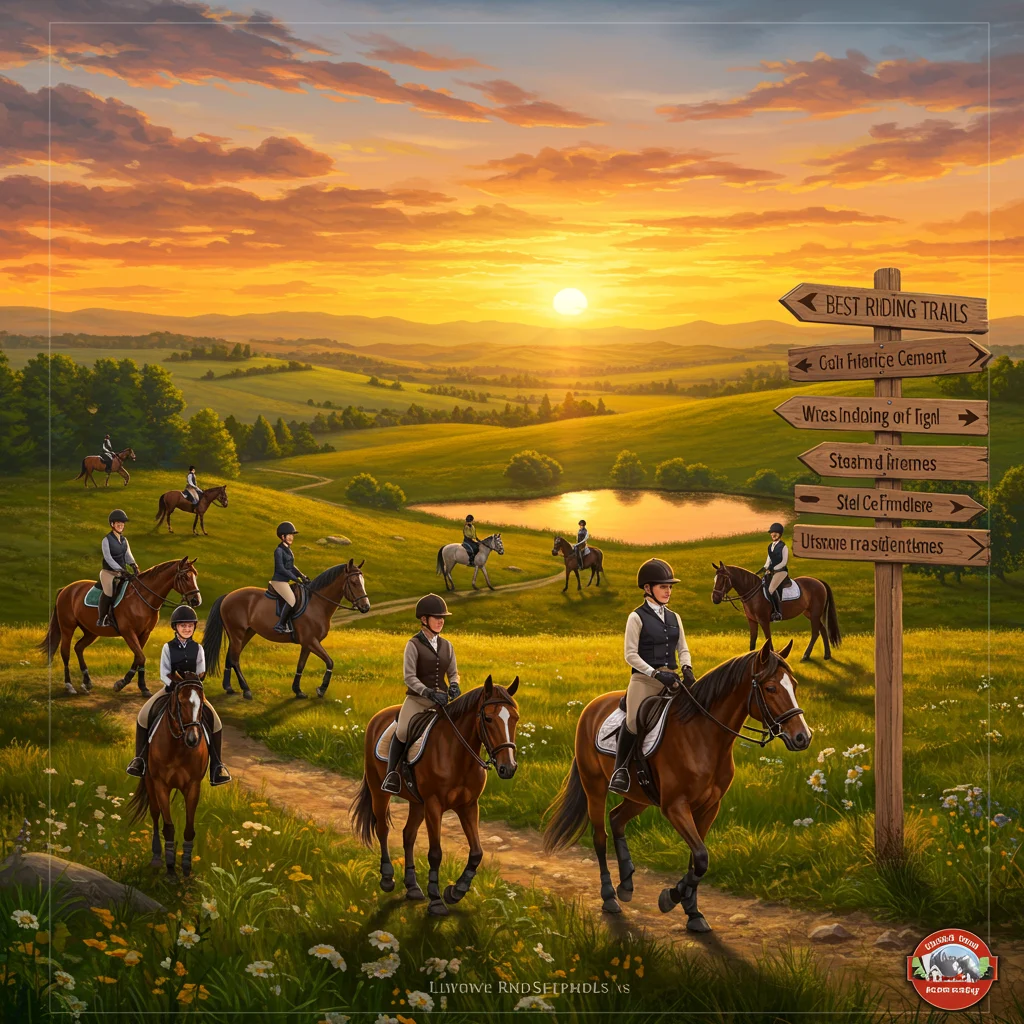

Introduction: Why Explore Horse Riding Destinations?
Horse riding offers a unique way to experience the world. Whether you are a seasoned equestrian or a curious beginner, riding in new places brings a sense of connection to both the horse and the surrounding landscape. From sunlit beaches to lush forests, each ride creates lasting memories and a fresh perspective on travel.
We find that every destination has its own equestrian traditions and stories. By seeking out the best horse riding spots, travelers can enjoy adventure, relaxation, and even a bit of history—all while forming a partnership with these remarkable animals. Let’s look at what makes a horse riding destination truly worth visiting and where you can find your next unforgettable ride.
What Makes a Great Horse Riding Spot?
Not all horse riding locations are created equal. The best spots combine beautiful scenery, well-trained horses, knowledgeable guides, and a focus on safety and horse welfare. These factors ensure that riders of all skill levels can have a rewarding experience.
We also consider the variety of trails, accessibility, and the opportunity to learn about local culture when evaluating a riding destination. A great spot will offer more than just a ride—it will give visitors a sense of place and a chance to connect with both nature and community.
Types of Horse Riding Experiences
Horse riding adventures come in many forms. From leisurely trail rides to high-adrenaline treks through rugged terrain, there’s something for everyone. Let’s break down the main types of experiences you might encounter on your travels.
Each type of ride offers different scenery, challenges, and opportunities to learn. Whether you prefer the gentle rhythm of a coastal stroll or the thrill of navigating mountain paths, understanding your options helps you choose the right adventure for your interests and skill level.
Trail Riding Adventures: Where Nature Meets Equestrian Fun
Trail riding is one of the most accessible and popular forms of horse riding. These adventures usually take place on marked paths through forests, meadows, or hills. Riders get to enjoy tranquil scenery, fresh air, and the steady pace of their equine companions.
This type of ride is perfect for those looking to unwind while still engaging with the outdoors. Many operators provide gentle horses and experienced guides, making trail riding suitable for beginners and families alike.
Beach Horseback Riding: The Ultimate Coastal Escape
Few experiences compare to riding a horse along the shoreline. The sound of waves, the salty breeze, and the open expanse of sand create a sense of freedom. Beach rides often cater to both novices and experienced riders, with some locations even allowing a splash in the surf.
For those who enjoy other water-based activities, it’s interesting to note that some coastal destinations also offer jet ski rentals. You might want to check out options for water sports, such as those featured in Freedom on Water: Rent a Jet Ski and Explore, to complement your beachside adventure.
Mountain and Forest Rides: Into the Wild
Mountain and forest rides introduce riders to more challenging terrain and breathtaking vistas. These rides often require a bit more skill, as horses navigate rocky paths, streams, and wooded areas. The reward is an up-close experience with nature that few other activities provide.
Guides on these routes are typically well-versed in both horsemanship and the local ecosystem. Riders can expect a blend of adventure and education, with the chance to spot wildlife and learn about regional flora and fauna.
Ranch Stays and Western Riding
Western riding traditions are alive and well on ranches across the world. Guests can participate in cattle drives, rodeos, or simply enjoy the daily life of a working ranch. These experiences often include hearty meals, comfortable accommodations, and plenty of time in the saddle.
We recommend ranch stays for those interested in the culture and history of the American West. They are also excellent for building riding skills, as many ranches offer lessons and clinics tailored to all levels.
Historical and Cultural Horseback Tours
Some horse riding tours are designed to teach visitors about local history and culture. These rides might pass through ancient villages, historic battlefields, or significant landmarks. Guides often share stories and insights, providing context to the scenery you pass.
Historical tours can be a fascinating way to connect with a destination’s past. Riders gain a deeper appreciation for both the landscape and the role horses have played in shaping communities over centuries.
Best Horse Riding Spots in North America
North America offers a wealth of diverse riding destinations. From the rugged mountains of the west to the scenic coasts and forests, there’s a trail for every type of rider. Let’s look at some of the most notable spots across the United States, Canada, and Mexico.
Each region brings its own unique flavor to the horse riding experience, with opportunities for both casual outings and more intensive adventures.
Iconic Trails in the United States
The United States is home to some of the world’s most legendary riding trails. National parks like Yellowstone, Yosemite, and the Grand Canyon offer guided horseback tours that take riders through awe-inspiring landscapes. The American West, with its open plains and red rock canyons, remains a favorite for those seeking a true cowboy experience.
For adventure seekers, Texas is a top choice. If you’re interested in expanding your outdoor pursuits, you might enjoy reading about ATV riding opportunities in the region, such as those mentioned in Best ATV Rides in Houston. Pairing a horseback ride with off-road adventures can make for a well-rounded trip.
Hidden Gems in Canada for Equestrians
Canada’s vast wilderness offers countless opportunities for horse riding. Alberta’s Banff and Jasper National Parks feature trails that wind through mountain passes and alongside crystal-clear lakes. British Columbia’s Cariboo region is well known for its dude ranches and multi-day riding expeditions.
Riders seeking solitude will appreciate the quiet beauty of Canada’s lesser-known trails. Many operators cater to both beginners and seasoned riders, with options for custom itineraries and wilderness camping.
Top Destinations in Mexico for Horse Lovers
Mexico’s diverse landscapes—from the highlands of Chiapas to the beaches of Baja California—provide a stunning backdrop for horseback adventures. In places like San Miguel de Allende and Oaxaca, riders can traverse colonial towns, agave fields, and ancient ruins.
Many Mexican riding tours also incorporate cultural experiences, such as traditional meals and visits to local markets. We find that these rides are an excellent way to experience Mexico’s rich heritage and natural beauty.
Must-Visit Horse Riding Locations in Europe
Europe’s equestrian traditions stretch back centuries, and its landscapes offer a variety of riding experiences. From the lush valleys of Ireland to the sun-drenched trails of Spain, riders can explore history, culture, and stunning scenery on horseback.
Let’s examine some of the continent’s most memorable destinations for horse lovers.
The Romantic Trails of France
France is renowned for its picturesque countryside and elegant riding culture. The Loire Valley, with its châteaux and rolling vineyards, is a favorite among equestrians. Normandy offers coastal rides, while the Camargue region is famous for its white horses and marshes.
Many French riding holidays include gourmet picnics and wine tastings, making them a treat for the senses. We recommend booking with experienced operators who prioritize both rider safety and horse welfare.
Exploring Ireland’s Lush Landscapes on Horseback
Ireland’s emerald green hills and dramatic coastlines are ideal for riding tours. The Wild Atlantic Way and the Ring of Kerry are particularly popular routes, offering breathtaking views and a sense of timelessness. Riders often pass through ancient castles, stone circles, and friendly villages.
Irish horses, known for their gentle temperament, make these rides accessible to all levels. Local guides are passionate about sharing their knowledge of the land and its legends, adding depth to the journey.
Spain’s Andalusian Horse Riding Heritage
Andalusia is the heartland of Spanish horsemanship. The region’s spirited Andalusian horses are prized for their beauty and agility. Riders can traverse olive groves, whitewashed villages, and the rugged Sierra Nevada mountains.
Many tours include visits to traditional equestrian schools and flamenco performances. For those interested in combining cultural immersion with outdoor activity, Andalusia is a top choice.
Horseback Adventures in the UK
The United Kingdom offers a range of riding experiences, from the windswept beaches of Cornwall to the heather-covered moors of Scotland. The Lake District and Welsh countryside are also popular for their scenic trails and historic bridleways.
We suggest looking for stables with certified instructors and well-cared-for horses. Many UK operators offer riding holidays that include comfortable lodgings and opportunities to learn more about the country’s equestrian traditions.
Unforgettable Horse Riding Spots in Asia
Asia’s diverse geography and cultures make it a fascinating destination for horse riders. From the vast grasslands of Mongolia to the terraced fields of Indonesia, each country offers unique opportunities to experience life from the saddle.
Let’s take a closer look at some of the continent’s standout horse riding adventures.
Mongolia’s Nomadic Horse Treks
Mongolia is often called the land of the horse. Riders here can join nomadic herders on multi-day treks across the steppe, camping under the stars and learning about traditional horsemanship. The experience is both challenging and deeply rewarding.
Mongolian horses are small but sturdy, perfectly suited to the terrain. Guides teach visitors how to care for their mounts and navigate the open landscape, making this an immersive cultural exchange.
Riding the Rice Terraces in Indonesia
Indonesia’s rice terraces offer a stunning setting for horseback adventures. Bali and Java are particularly popular, with trails that wind through emerald fields, villages, and jungle paths. Rides often include stops at local temples and markets.
Operators in Indonesia typically provide well-trained horses and English-speaking guides. Riders of all skill levels can enjoy the gentle pace and beautiful scenery, making this a great choice for families and couples.
Japan’s Unique Equestrian Experiences
Japan’s horse riding traditions date back centuries, and modern riders can enjoy everything from beach rides in Hokkaido to samurai-themed tours near Kyoto. The country’s carefully maintained trails and high standards for horse care make it a safe and enjoyable destination.
Some stables offer experiences that blend riding with cultural activities, such as tea ceremonies or archery. These tours provide a unique glimpse into Japan’s history and landscape.
African Horseback Safaris: Ride Among Wildlife
Few experiences compare to riding alongside wildlife in Africa’s national parks and reserves. Horseback safaris offer a low-impact way to observe animals in their natural habitat while enjoying the thrill of the open landscape.
Guides in Africa are experts in both horsemanship and wildlife tracking. Riders can expect close encounters with elephants, giraffes, and even big cats—all from the unique vantage point of the saddle.
South Africa’s Premier Safari Rides
South Africa is a leader in horseback safaris, with options ranging from luxury lodges to rustic camps. Popular reserves include Waterberg, Kruger, and Addo Elephant National Park. Each ride is tailored to the group’s interests and skill level.
Riders often participate in game viewing, bush walks, and cultural visits. Safety is a top priority, with experienced guides and well-trained horses ensuring a memorable and secure adventure.
Botswana’s Okavango Delta on Horseback
The Okavango Delta is a UNESCO World Heritage site and a prime location for horseback safaris. Riders traverse floodplains, islands, and woodlands, often spotting herds of antelope, zebra, and buffalo. The delta’s unique ecosystem provides year-round riding opportunities.
Multi-day safaris include mobile camps and gourmet meals, creating a blend of adventure and comfort. We recommend these rides for experienced equestrians due to the challenging terrain and presence of wildlife.
Morocco’s Desert Horse Treks
Morocco’s Sahara Desert offers a dramatic backdrop for horseback adventures. Riders travel across dunes, oases, and Berber villages, often camping under the stars. Arabian and Barb horses, known for their stamina, are the mounts of choice.
Many tours include cultural experiences, such as music, storytelling, and traditional cuisine. Morocco’s desert rides are ideal for those seeking both adventure and a connection to ancient traditions.
Australia and New Zealand: Down Under Horse Riding
Australia and New Zealand are celebrated for their wild beauty and equestrian traditions. Riders can experience everything from coastal tracks to high-country stations, with plenty of opportunities for both beginners and experienced adventurers.
Let’s highlight some of the most memorable horse riding experiences in this region.
Australian Outback Horse Trails
The Australian outback is synonymous with adventure. Riders traverse red deserts, eucalyptus forests, and cattle stations, often encountering kangaroos and emus along the way. Multi-day treks are popular, with options for camping or staying in rustic lodges.
Guides share their knowledge of local history, flora, and fauna, making each ride a learning experience. Outback trails are best suited to riders with some experience, as conditions can be tough and remote.
New Zealand’s Scenic Riding Routes
New Zealand’s rolling hills, beaches, and mountains provide a spectacular setting for horse riding. The South Island’s high country and the North Island’s volcanic landscapes are particularly popular. Riders can choose from short beach rides to week-long treks through remote wilderness.
Stables in New Zealand pride themselves on horse welfare and rider safety. Many operators offer custom itineraries, allowing visitors to tailor their adventure to their interests and skill level.
Horse Riding for Beginners: What Should You Know?
Starting your horse riding journey can feel intimidating, but with the right preparation, it becomes an enjoyable and rewarding activity. Beginners should focus on understanding the basics of horse care, safety, and etiquette before joining a ride.
We recommend seeking out stables that specialize in lessons for newcomers. A supportive environment and patient instructors can make all the difference in building confidence and skills.
Essential Gear for Your First Ride
Wearing the right gear is crucial for comfort and safety. Essential items include a certified riding helmet, sturdy boots with a heel, and comfortable, weather-appropriate clothing. Gloves can help prevent blisters, and long pants protect your legs from chafing.
Many stables provide helmets and other equipment, but it’s wise to check in advance. Riders should avoid loose or dangling accessories, as these can catch on tack or branches.
Basic Horse Riding Etiquette and Safety
Understanding and following basic riding etiquette ensures a safe and enjoyable experience for everyone. Always listen to your guide’s instructions, approach horses calmly, and avoid sudden movements. Respect the personal space of both horses and riders.
Safety is paramount. Beginners should start with gentle horses and stick to easy trails. Never ride without a helmet, and always check your tack before mounting. If you’re interested in other outdoor safety tips, you might also appreciate articles about safe jet ski rentals, such as Water Thrills Await: Find Jet Skis for Rent Now, for a broader perspective on adventure safety.
Tips for Choosing the Right Riding Spot for Your Skill Level
Selecting a suitable riding destination is key to enjoying your experience. Beginners should look for stables that offer introductory lessons, gentle horses, and well-marked trails. Avoid challenging or remote routes until you gain more confidence and skill.
Ask about the maximum group size, the experience of guides, and the availability of safety equipment. Reading reviews and seeking recommendations from other riders can help you make an informed choice.
Family-Friendly Horse Riding Destinations
Horseback riding is a wonderful activity for families. Many destinations cater specifically to children and beginners, offering safe, supervised rides and plenty of opportunities to learn about horses.
Let’s discuss what makes a destination family-friendly and which spots are particularly welcoming for young riders.
Best Spots for Kids and Beginners
Family-friendly riding centers prioritize safety and education. They often offer pony rides, short trail excursions, and interactive experiences like grooming or feeding the horses. Look for stables with experienced staff and gentle, well-trained ponies.
Popular destinations include beach resorts with riding programs, ranches with supervised activities, and national parks with easy trails. These spots allow children to build confidence and develop a love for horses in a supportive environment.
What Facilities Should Families Look For?
When choosing a riding destination for your family, consider the available facilities. Look for clean stables, shaded waiting areas, and accessible restrooms. Many family-friendly stables offer picnic spots, playgrounds, or additional activities such as ATV rides or water sports.
If your family enjoys a mix of adventures, you might also check out options for ATV riding. Articles like ATV Riding Near You provide helpful insights into combining multiple outdoor activities for a memorable family trip.
Horse Riding for Adventure Seekers: Challenging Trails
For those who crave excitement, there are plenty of horse riding experiences that push the limits. Challenging terrain, long distances, and unpredictable weather all add to the thrill of advanced equestrian adventures.
Let’s look at what makes these rides unique and how to prepare for them.
Multi-Day Equestrian Expeditions
Multi-day rides are the ultimate test of stamina and horsemanship. Riders travel from one camp or lodge to another, covering significant distances each day. These expeditions often include wilderness camping, navigation, and close teamwork with your horse.
Experienced guides are essential for these journeys, as they provide support, local knowledge, and emergency assistance. Riders should be comfortable in the saddle for extended periods and prepared for changing conditions.
Extreme Terrain Rides: Are You Ready?
Some trails challenge even seasoned riders with steep climbs, rocky paths, and unpredictable weather. Mountainous regions, dense forests, and remote deserts require advanced riding skills and a good level of fitness.
If you’re interested in combining horse riding with other extreme activities, consider destinations that offer both. For example, coastal regions with horseback and jet ski options allow you to experience the best of land and water. Miami is one such location, and you can read more about water adventures in Jet Ski Adventures in Miami.
Eco-Friendly and Sustainable Horse Riding Tourism
Responsible tourism is increasingly important for both travelers and operators. Eco-friendly horse riding experiences focus on minimizing environmental impact, supporting local communities, and ensuring the welfare of horses.
Here’s how you can make sure your next ride is both enjoyable and ethical.
How to Choose Responsible Operators?
Look for riding operators who prioritize sustainability. This includes using local resources, limiting group sizes, and practicing leave-no-trace principles. Ask about their horse care standards and whether they participate in conservation efforts.
Responsible operators often invest in staff training, support local economies, and work to protect natural habitats. By choosing these providers, you help promote ethical tourism and long-term environmental stewardship.
Supporting Local Communities Through Equestrian Tourism
Horse riding tourism can be a powerful tool for supporting local communities. Many operators employ local guides, source supplies from nearby businesses, and contribute to community projects. Riders gain cultural insights while helping to sustain rural economies.
We encourage travelers to seek out experiences that give back to the places they visit. Ask about community involvement when booking your ride and consider purchasing local crafts or products as souvenirs.
Planning Your Horse Riding Trip: Practical Tips
Proper planning is key to a successful horse riding adventure. From choosing the right time of year to packing essential gear, a little preparation goes a long way. Let’s review some practical tips for organizing your trip.
Attention to detail ensures a smoother experience and allows you to focus on enjoying your ride.
When Is the Best Time to Go Horse Riding?
The ideal season for horse riding varies by destination. In temperate regions, spring and autumn offer comfortable temperatures and beautiful scenery. Tropical locations may be best during the dry season, while desert rides are most enjoyable in cooler months.
Check local weather forecasts and consider factors like trail conditions, wildlife activity, and daylight hours. Some destinations have specific events or festivals that add to the experience.
What to Pack for Your Horseback Adventure?
Packing appropriately helps ensure both comfort and safety. Essential items include a helmet, riding boots, and weather-appropriate clothing. Sunscreen, insect repellent, and a reusable water bottle are also important.
For longer rides, bring snacks, a first aid kit, and a camera for capturing memories. If you plan to participate in water activities as well, you might want to pack swimwear and quick-dry towels. Combining rides with jet ski adventures, as described in Freedom on Water: Rent a Jet Ski and Explore, can make for an action-packed holiday.
How to Book a Guided Horseback Tour?
Booking a guided tour is straightforward with a bit of research. Start by reading reviews, checking operator credentials, and confirming their safety and horse welfare standards. Many stables offer online reservations, but it’s also helpful to call and ask questions about group sizes, routes, and available horses.
Ask about cancellation policies, equipment rental, and any special requirements. Booking in advance is especially important during peak travel seasons or for popular destinations.
Health and Safety Considerations for Riders
Horse riding is a physical activity that carries some risks. Proper preparation and understanding of safety guidelines help minimize accidents and ensure a positive experience. Riders should assess their fitness level and consult with professionals if necessary.
Let’s review key considerations for staying safe and healthy before, during, and after your ride.
Physical Preparation for Horseback Riding
A moderate level of fitness is beneficial for most horse riding activities. Core strength, balance, and flexibility all contribute to better control and comfort in the saddle. Simple exercises such as walking, stretching, and light strength training can help prepare your body.
Riders with pre-existing health conditions should consult a doctor before participating. Staying hydrated and getting adequate rest before your ride also improves performance and enjoyment.
Understanding Insurance and Liability
It’s important to clarify insurance and liability policies before joining a ride. Many operators carry basic liability coverage, but it may not extend to all circumstances. Consider purchasing travel insurance that covers adventure activities, including horse riding.
Ask about the operator’s emergency protocols, the availability of first aid kits, and the qualifications of guides. Being informed helps you make safer choices and respond effectively in case of an incident.
Horse Welfare: What Should Riders Look Out For?
Responsible riders care about the well-being of the horses they meet. Choosing operators who prioritize horse welfare ensures a better experience for both humans and animals. There are several signs to look for when evaluating a stable or tour provider.
Let’s discuss how to spot healthy, happy horses and how to interact respectfully with them.
Signs of Well-Cared-For Horses
Healthy horses display a shiny coat, clear eyes, and a calm demeanor. Their hooves should be clean and properly trimmed, and their tack should fit well without causing discomfort. Watch for signs of lameness, excessive sweating, or reluctance to move, which may indicate poor care.
Stables should be clean, with access to fresh water and shelter. Ask providers about their feeding routines, veterinary care, and rest periods for horses used in tourism.
How to Interact Respectfully with Horses?
Approach horses quietly and let them see and smell you before touching. Avoid sudden movements or loud noises, which can startle them. Always follow the instructions of guides or handlers when mounting, dismounting, or leading a horse.
Use gentle, confident movements and respect the horse’s boundaries. Never feed a horse without permission, as some foods can be harmful. Treating horses with respect builds trust and makes for a safer, more enjoyable experience for all involved.
Capturing Your Horse Riding Memories
Recording your horse riding adventures helps you relive the experience and share it with friends and family. With the right camera gear and a few photography tips, you can capture stunning images of both the landscape and your equine companions.
Let’s explore the best tools for the job and how to make the most of your photo opportunities on the trail.
Best Cameras and Gear for Trail Photography
Compact, durable cameras are ideal for horse riding. Action cameras like GoPro or rugged compacts can handle dust, moisture, and the occasional bump. Consider using a chest or helmet mount for hands-free shooting.
Smartphones with good image stabilization work well for casual shots. Bring extra batteries or a portable charger, as long rides can drain your devices quickly.
Tips for Taking Stunning Horseback Photos
Lighting is key to great trail photos. Early morning or late afternoon offers the best natural light. Try to capture both the scenery and the bond between horse and rider by experimenting with angles and composition.
Ask your guide or fellow riders to take action shots as you ride. Remember to keep safety in mind—never compromise your balance or control for the sake of a photo.
Frequently Asked Questions About Horse Riding Spots
We often receive questions from readers planning their first horse riding trip or looking for new destinations. Addressing common concerns helps ensure a smooth and enjoyable experience for everyone.
Here are answers to some of the most frequently asked questions about horse riding adventures.
Are Horse Riding Tours Suitable for All Ages?
Most horse riding tours welcome riders of all ages, with some offering special programs for children and seniors. The key is to choose a tour that matches the ability and comfort level of each participant. Young children may start with pony rides, while older riders can join full-length excursions.
Always check with the operator about age and weight restrictions, as well as the availability of appropriate horses. Family-friendly destinations typically provide extra supervision and safety measures.
How Do I Find Certified Riding Instructors?
Certified instructors are essential for a safe and educational riding experience. Look for stables that belong to recognized organizations, such as the British Horse Society, Certified Horsemanship Association, or local equivalents. These instructors are trained in both teaching and safety protocols.
Reading reviews and asking for recommendations from other riders can help you find reputable instructors. Many operators advertise their certifications on their websites or booking platforms.
Conclusion: Choosing Your Next Horse Riding Adventure
Horse riding offers a unique and rewarding way to experience the world’s most beautiful destinations. Whether you’re seeking relaxation, adventure, or a deeper connection to nature and culture, there’s a perfect ride waiting for you. As you plan your next trip, remember to prioritize safety, horse welfare, and responsible tourism.
For more inspiration and expert guidance on planning your outdoor adventures, visit Tour Cuts. We wish you many happy trails ahead!

