


Introduction: Discovering the Martha Brae River
The Martha Brae River holds a special place in Jamaica’s heart, offering a tranquil escape from the island’s bustling resorts and lively beaches. Located in the parish of Trelawny, this gentle waterway invites visitors to slow down and experience nature at its most peaceful. Rafting on the Martha Brae is more than just a boat ride—it is a cultural tradition, a journey into Jamaica’s lush interior, and a window into local folklore.
As we guide you through everything you need to know about floating down the Martha Brae, we will cover its unique appeal, practical planning tips, and the unforgettable moments you can expect along the way. Whether you are seeking a romantic outing, a family-friendly activity, or simply a break from the ordinary, the Martha Brae River delivers a memorable and authentic Jamaican experience.
Where Is the Martha Brae River Located?
The Martha Brae River meanders through the scenic countryside of Trelawny Parish, on Jamaica’s north coast. It is situated just a short drive from the historic town of Falmouth and is easily accessible from Montego Bay, Ocho Rios, and Negril.
Visitors will find the river’s starting point at the Martha Brae Rafter’s Village, which serves as the main launching spot for rafting trips. The lush surroundings and quiet rural setting set the stage for a relaxing day on the water, far removed from the crowds often found at Jamaica’s more famous beaches.
What Makes the Martha Brae River Unique?
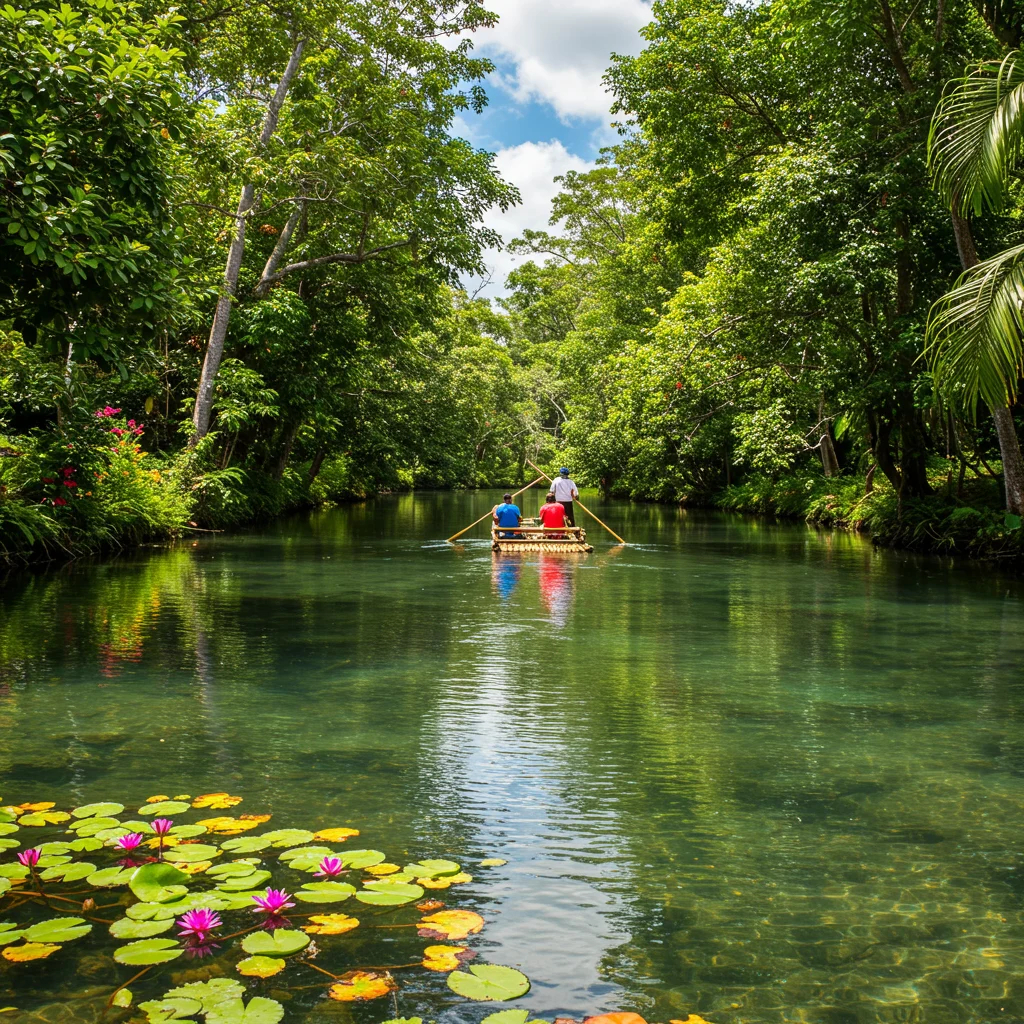
The Martha Brae River stands out for its gentle current, emerald-green water, and the tradition of bamboo rafting that dates back decades. Unlike some rivers that offer high-adrenaline whitewater adventures, the Martha Brae provides a calm and serene float, perfect for those looking to unwind.
What truly sets it apart is the combination of natural beauty and cultural heritage. The local guides, often called raft captains, share stories and legends as they pole you down the river, making this more than just a scenic journey. The river’s banks are lined with vibrant greenery, tropical birds, and occasional glimpses of local life, offering a peaceful immersion into Jamaican nature and culture.
The History and Legends of the Martha Brae
The Martha Brae River is not just a natural wonder—it is steeped in history and local legend. Over the years, it has played a role in the community’s daily life, from providing water for crops to inspiring folk tales passed down through generations.
Understanding the river’s past enriches the rafting experience, adding layers of meaning to each gentle bend and shaded bank. Let us take a closer look at how rafting began here and the stories that continue to shape the river’s identity.
How Did Rafting Begin on the Martha Brae?
Rafting on the Martha Brae River began as a practical means of transportation for farmers and villagers. Bamboo rafts were originally used to carry bananas and other goods downriver to market towns. Over time, this utilitarian practice evolved into a leisure activity, as visitors recognized the appeal of floating quietly through Jamaica’s lush interior.
Today, the tradition lives on, but with a focus on tourism. Raft captains, often skilled craftspeople from local communities, preserve the art of raft building and navigation, sharing their expertise and stories with guests from around the world.
Folklore and Local Stories
The Martha Brae River is woven into local folklore, with tales that add a sense of mystery and charm to any rafting trip. One of the most enduring legends tells of a Taino witch who, according to the story, hid her village’s gold along the river and used her powers to change its course, thwarting Spanish conquistadors.
Raft captains are known for sharing these stories along the journey, connecting visitors to Jamaica’s rich oral history. Each tale adds color to the landscape and deepens the sense of connection between traveler and place.
Why Choose Rafting on the Martha Brae River?
Selecting the Martha Brae River for your rafting adventure offers a distinctive experience when compared to other Jamaican rivers. The river’s gentle pace, combined with its storied past and welcoming local guides, makes it a top choice for those seeking both relaxation and cultural authenticity.
Let us explore how the Martha Brae compares to other options on the island, as well as the unique benefits of a calm river float.
Comparing Martha Brae to Other Jamaican Rivers
Jamaica is home to several rivers that offer rafting and tubing experiences, including the Rio Grande and White River. However, the Martha Brae is renowned for its tranquility and accessibility. While the Rio Grande features longer journeys and the White River offers tubing and faster currents, the Martha Brae is ideal for those who prefer a slower, more contemplative journey.
Unlike the adrenaline-pumping adventures you might find on jet skis or ATVs, which you can experience in places like Miami as described in Jet Ski Adventures in Miami, the Martha Brae offers a serene alternative focused on relaxation and nature.
Benefits of a Calm River Float
A calm river float provides numerous benefits. It allows for quiet conversation, uninterrupted appreciation of the natural surroundings, and opportunities to observe wildlife at a slow pace. The gentle movement of the raft is soothing, making it suitable for all ages and abilities.
This style of rafting is perfect for couples, families, and solo travelers who want to recharge in a peaceful environment. It is also an excellent way to experience Jamaica’s interior without the need for specialized skills or equipment.
Planning Your Martha Brae Rafting Adventure
A successful trip to the Martha Brae River begins with thoughtful planning. From choosing the right season to knowing what to pack, preparation ensures a comfortable and enjoyable experience.
We will break down the best times to visit, what weather to expect, and how to prepare for your day on the water.
Best Time of Year to Visit the Martha Brae
The Martha Brae River welcomes visitors year-round, but certain times offer more favorable conditions. The dry season, typically from December to April, brings sunny skies and lower humidity, making it the most popular time for river rafting.
During the rainy season, from May to November, the river may be higher and the surrounding foliage even more vibrant. However, occasional showers are common, so packing a light rain jacket can be helpful.
Weather Considerations for a River Float
Weather plays a significant role in shaping your experience on the Martha Brae. While the river is generally calm, heavy rains can cause the water level to rise and increase the current. Most tour operators monitor conditions closely and may temporarily suspend trips during adverse weather for safety.
It is wise to check the local forecast before your visit and to be flexible with your plans if possible. Early mornings often provide cooler temperatures and fewer crowds, adding to the sense of peace on the water.
What to Pack for Your Rafting Trip
Packing for a Martha Brae rafting trip is straightforward but important. Essentials include sunscreen, a hat, sunglasses, and comfortable, quick-drying clothing. Water shoes or sandals with straps are ideal, as you may want to dip your feet in the water or step onto the riverbank.
Do not forget a camera or smartphone for photos, as well as a small dry bag to protect your valuables. Bringing a reusable water bottle and some cash for tips or refreshments is also recommended.
How to Get to the Martha Brae River
Reaching the Martha Brae River is convenient from several major Jamaican destinations. Whether traveling by car, shuttle, or organized tour, visitors will find clear routes and helpful signage leading to the Rafter’s Village.
Let’s review the different transportation options, directions from key towns, and what to expect upon arrival.
Transportation Options from Montego Bay
Montego Bay is the closest major city to the Martha Brae River, located about 20 miles west. Many visitors choose to book a guided tour that includes hotel pickup and drop-off for added convenience. Alternatively, taxis and private drivers are readily available and can provide a direct ride to the Rafter’s Village.
For those renting a car, the drive from Montego Bay takes approximately 30 to 40 minutes along the A1 highway. This route offers views of Jamaica’s northern coastline and is well maintained.
Directions from Ocho Rios and Negril
Ocho Rios lies to the east of the Martha Brae, about 50 miles away. The drive takes roughly 1.5 hours, following the A1 coastal road through picturesque towns and scenic stretches. Negril, to the west, is a bit farther—expect a journey of about two hours by car.
Both routes are straightforward, and GPS navigation is reliable throughout the region. Organized tours from these towns are also available, making transportation stress-free for those who prefer not to drive.
Parking and Accessibility
Parking is available at the Martha Brae Rafter’s Village, with attendants on hand to guide you to a spot. The site is designed to be accessible, with paved walkways and ramps where needed.
While the rafts themselves require a step down from the dock, staff are available to assist guests with mobility concerns. If you have specific accessibility needs, contacting your tour operator in advance is recommended to ensure a smooth experience.
Booking Your Martha Brae Rafting Tour
Booking a rafting tour on the Martha Brae is a straightforward process, but a few considerations can help you select the best option for your group. From choosing a reputable operator to understanding what’s included, planning ahead ensures a hassle-free outing.
Let’s look at how to choose the right provider, what to expect in a typical package, and the differences between private and group experiences.
How to Choose the Right Rafting Operator?
A variety of operators offer Martha Brae rafting tours, each with different packages and levels of service. When selecting a provider, prioritize companies with experienced, licensed raft captains and positive customer reviews. Many operators are locally owned, supporting the Trelawny community.
It is wise to book in advance, especially during peak tourist seasons. Ask about group sizes, safety measures, and any included amenities to ensure your expectations align with the tour on offer.
What’s Included in a Typical Tour Package?
Most Martha Brae rafting tours include a guided float down the river, lasting approximately one hour. Packages often cover transportation to and from your hotel, admission to the Rafter’s Village, and the services of a knowledgeable raft captain.
Some tours may provide extras such as welcome drinks, fruit tastings, or opportunities to swim. Always clarify what is included before booking, and inquire about additional costs for souvenirs or refreshments.
Private vs. Group Rafting Experiences
Private rafting experiences offer exclusivity and a personalized touch, making them popular for couples and special occasions. You will have the raft to yourself, with the captain tailoring the journey to your interests and pace.
Group tours are more social and budget-friendly, with multiple rafts setting out together. Both options provide the same scenic route and cultural insights, so the choice depends on your preference for privacy or group interaction.
What to Expect: The Rafting Experience
A Martha Brae rafting trip is designed to be smooth, comfortable, and engaging from start to finish. Knowing what to expect can help you settle in and fully appreciate the unique rhythm of the river.
Here, we outline the typical duration, route, the role of the raft captain, and important safety details.
How Long Does the Rafting Trip Last?
The average Martha Brae rafting trip lasts about one hour, covering a three-mile stretch of river. This time frame allows for a leisurely float, with plenty of opportunities to pause for photos, swim, or sample local treats along the way.
Private tours may be slightly shorter or longer, depending on your preferences and pace. It is a good idea to confirm the expected duration with your operator before setting out.
What Is the Route of the Rafting Journey?
The standard rafting route begins at the Martha Brae Rafter’s Village and winds gently downstream through lush rainforest and farmland. The river is flanked by bamboo groves, fruit trees, and wildflowers, creating a constantly changing backdrop.
Along the way, you may spot local farmers tending crops or children playing at the water’s edge. The journey ends at a designated pull-out point, where transportation back to the starting village is provided.
Meet the Raft Captains: Who Guides Your Float?
Raft captains are the heart of the Martha Brae experience. These skilled guides expertly pole the raft using a long bamboo pole, steering you through calm waters while sharing stories about the river’s history, wildlife, and local culture.
Many captains have been rafting for years, often learning the craft from family members. Their knowledge and friendly demeanor add a personal touch to every journey.
Safety Measures and Guidelines
Safety is a top priority for Martha Brae rafting operators. All rafts are carefully inspected and maintained, and captains receive training in river navigation and first aid. Life jackets are available upon request, though the river’s gentle current generally poses little risk.
Guests are advised to follow the captain’s instructions, remain seated while underway, and avoid leaning over the sides of the raft. Children should be supervised at all times to ensure a safe and enjoyable experience for everyone.
Is Rafting on Martha Brae Safe for Kids and Seniors?
The Martha Brae’s calm waters and smooth rafting style make it accessible to children, seniors, and those with limited mobility. The absence of rapids or strong currents means that guests of all ages can participate with confidence.
If you have specific concerns about accessibility or safety, communicate with your chosen operator in advance. They are accustomed to accommodating all types of travelers and can provide extra assistance as needed.
The Rafts: Traditional Craftsmanship
Bamboo rafts are a hallmark of the Martha Brae experience, reflecting generations of Jamaican craftsmanship. Their design and construction are both practical and beautiful, contributing to the river’s unique character.
Let’s explore how these rafts are made and the sustainability practices that keep this tradition alive.
How Are the Bamboo Rafts Made?
Each Martha Brae raft is handcrafted from locally sourced bamboo, a renewable material prized for its strength and buoyancy. Raft builders select mature bamboo stalks, cut them to length, and lash them together with natural fibers.
The final design includes a flat deck with a raised seat at the rear for the captain. The construction process is a point of pride for local artisans, who often pass their skills down through generations.
Sustainability and Eco-Friendly Practices
Sustainability is central to the Martha Brae rafting tradition. Bamboo is harvested responsibly, with care taken to ensure new shoots have time to mature. Many operators are committed to minimizing their environmental impact by avoiding plastic waste and supporting local conservation efforts.
Visitors are encouraged to participate in eco-friendly practices by using reusable water bottles and disposing of trash properly. This commitment helps preserve the river’s beauty for future generations.
What Will You See Along the Martha Brae?
The Martha Brae River is a feast for the senses, with vibrant plant life, diverse wildlife, and glimpses of rural Jamaican culture along its banks. A keen eye and a sense of curiosity will reward you with memorable sights and photo opportunities.
Below, we share tips for wildlife spotting, highlight the river’s tropical flora, and point out some of the most scenic moments of the journey.
Flora and Fauna of the Martha Brae River
The river’s banks are alive with a variety of plants and animals. From towering bamboo and fruit trees to colorful birds and butterflies, the Martha Brae is a haven for nature lovers.
Keep your camera ready, as the slow pace of the raft makes it easy to observe local wildlife without disturbing their habitat.
Wildlife Spotting Tips
To maximize your chances of spotting wildlife, stay quiet and alert as you float downstream. Early mornings tend to be the best time for birdwatching, with species such as egrets, herons, and kingfishers commonly seen.
You may also glimpse water turtles sunning themselves on rocks, or catch the flash of a butterfly darting between flowers. Binoculars can be helpful, but most animals are visible to the naked eye.
Tropical Plants and Trees
The Martha Brae is lined with lush greenery, including banana plants, mango trees, and wild orchids. Bamboo groves provide shade, while flowering shrubs add bursts of color along the riverbank.
Raft captains often point out edible fruits and medicinal plants, sharing their knowledge of traditional Jamaican uses for these natural resources.
Scenic Highlights and Photo Opportunities
There are several picture-perfect spots along the Martha Brae, from overhanging bamboo arches to sun-dappled pools. The ever-changing light and reflections on the water create unique photo opportunities throughout the journey.
Do not hesitate to ask your raft captain for a pause at particularly scenic locations. They know the river well and can suggest the best angles for memorable shots.
Cultural Encounters Along the River
The Martha Brae offers more than natural beauty—it is also a place where you can observe rural Jamaican life. You may see farmers tending crops, children playing, or hear music drifting from nearby homes.
These glimpses of daily life add depth to your experience and provide a sense of connection to the local community.
What Can You Do During the Rafting Trip?
A float down the Martha Brae is not just about sitting back and watching the world go by. There are plenty of opportunities to interact with your surroundings, try local flavors, and even learn new skills.
Here are some of the engaging activities you can enjoy along the way.
Swimming Spots and River Dips
Several calm sections of the Martha Brae invite guests to take a refreshing dip. Your captain will point out safe spots for swimming or wading, and the clear water is especially appealing on a hot day.
If you enjoy water activities, you might also be interested in more adventurous pursuits like jet skiing, as detailed in Water Thrills Await: Find Jet Skis for Rent Now.
Sampling Local Fruits and Refreshments
Along the riverbanks, vendors often offer fresh fruit, coconut water, and other local treats. Sampling these flavors adds to the authenticity of your experience and supports small businesses in the community.
Be sure to bring a little cash for these impromptu tastings. The sweet, juicy fruit is the perfect complement to a sunny day on the water.
Learning to Pole the Raft
Some captains will invite guests to try their hand at poling the raft. This is a fun and memorable activity, giving you a newfound appreciation for the skill required to navigate the river.
Your guide will offer instruction and encouragement, making it a safe and enjoyable experience for anyone willing to give it a try.
Can You Personalize Your Rafting Experience?
Many operators are happy to customize your trip, whether by adjusting the pace, including a stop for swimming, or arranging for special refreshments. If you are celebrating a birthday, anniversary, or other milestone, let your operator know in advance—they often accommodate special requests.
Personal touches make each Martha Brae rafting trip unique, ensuring it matches your interests and expectations.
Tips for a Relaxing and Memorable Float
A few simple tips can help you make the most of your Martha Brae adventure. From taking great photos to dressing for comfort, a little preparation goes a long way.
Here are our top suggestions for a smooth and enjoyable journey.
How to Capture the Best Photos on the River?
Lighting is key when photographing the Martha Brae. Early morning and late afternoon offer the softest light, reducing harsh shadows and glare. Position yourself so the sun is behind or to the side for the most flattering shots.
Use a waterproof camera or phone case to protect your device, and ask your raft captain to pause at scenic spots for group or solo photos. Do not forget to capture candid moments as well—they often tell the best stories.
What to Wear for Comfort and Sun Protection?
Lightweight, breathable clothing is best for rafting on the Martha Brae. Opt for fabrics that dry quickly in case you decide to swim or are splashed during the journey. A wide-brimmed hat and sunglasses provide essential sun protection.
Apply sunscreen liberally, and bring a cover-up or light jacket for added comfort. Water shoes or sandals are recommended for walking on wet surfaces.
How to Make the Most of the Peaceful Atmosphere?
The Martha Brae’s tranquil setting is an invitation to unplug and unwind. Take a break from your phone and focus on the sights, sounds, and scents of the river. Listen to the birds, feel the breeze, and let the gentle motion of the raft lull you into relaxation.
If you are looking for peace and quiet, consider booking an early morning or weekday tour to avoid larger crowds.
Beyond the Raft: Exploring the Martha Brae Rafter’s Village
The Rafter’s Village is more than just a starting point for your river adventure. It offers a range of amenities and cultural experiences that round out your visit.
Set aside some time before or after your raft trip to enjoy the facilities, shop for souvenirs, and sample local cuisine.
Facilities and Amenities at the Rafter’s Village
The village features well-maintained restrooms, changing rooms, and shaded seating areas. There is a bar serving cold drinks and a small café offering light snacks, making it easy to refresh before or after your river journey.
Friendly staff are on hand to answer questions, assist with bookings, and help you make the most of your visit.
Souvenirs and Local Handicrafts
A highlight of the Rafter’s Village is its selection of local crafts. Artisans sell handmade items such as wood carvings, woven baskets, and jewelry crafted from natural materials. These souvenirs make meaningful reminders of your time on the Martha Brae and support the local economy.
Take time to browse the stalls and chat with the vendors. Many are happy to share the stories behind their creations.
Dining and Refreshment Options
On-site dining options are informal but satisfying. You can sample traditional Jamaican snacks like patties, jerk chicken, or fresh fruit. The bar serves local beers, rum punch, and non-alcoholic beverages.
If you are looking for a full meal, consider stopping in Falmouth or another nearby town before or after your rafting trip.
Nearby Attractions to Pair with Your Rafting Trip
The Martha Brae River’s location makes it easy to combine your rafting adventure with other local attractions. From historic towns to natural wonders, there is plenty to see and do in the surrounding area.
Here are a few popular options to consider.
Historic Falmouth
Falmouth is one of Jamaica’s best-preserved Georgian towns, known for its colorful architecture and rich history. Walking tours of the town highlight landmarks such as the Falmouth Courthouse and St. Peter’s Anglican Church.
Falmouth is also home to bustling markets and authentic Jamaican eateries, making it a worthwhile stop before or after your river float.
Luminous Lagoon
A short drive from the Martha Brae, the Luminous Lagoon is famous for its glowing waters, caused by bioluminescent microorganisms. Guided evening boat tours allow you to witness this rare phenomenon up close.
Pairing a Martha Brae rafting trip with a visit to the Luminous Lagoon provides a unique contrast—relaxing by day, then experiencing magical nighttime waters.
Other Outdoor Activities in the Area
If you crave more adventure, the region offers a variety of outdoor activities. ATV tours, ziplining, and horseback riding are all popular options. Those interested in high-speed water sports may want to check out ATV Riding Near You for ideas on combining different types of excursions.
Jamaica’s north coast is a playground for outdoor enthusiasts, with something to suit every taste and energy level.
Frequently Asked Questions About Rafting the Martha Brae
Many travelers have questions about what to expect on the Martha Brae. Here, we address some of the most common inquiries to help you plan with confidence.
If you have additional questions, your tour operator or the staff at the Rafter’s Village will be happy to assist.
Is Martha Brae River Suitable for Non-Swimmers?
Yes, the Martha Brae is safe for non-swimmers. The water is generally shallow, and life jackets are available upon request. The rafts are stable and captains are trained to assist guests as needed.
If you have concerns, let your guide know before setting out—they will take extra care to ensure your comfort and safety.
What Is the Cost of Rafting on the Martha Brae?
Prices vary depending on the operator, package inclusions, and whether you choose a private or group tour. On average, expect to pay between $70 and $90 USD per raft (which typically accommodates two adults). This fee usually covers the raft, guide, and a one-hour float.
Additional expenses may include transportation, refreshments, and gratuities. Be sure to clarify all costs before booking.
Can You Bring Children on the Raft?
Children are welcome on Martha Brae rafting trips, and families often find the experience enjoyable for all ages. Young children should be supervised at all times, and life jackets are available for added peace of mind.
If you are traveling with a large family or group, inquire about special rates or extra-large rafts to accommodate everyone comfortably.
Tips for Responsible Tourism on the Martha Brae
Responsible tourism helps protect the Martha Brae River and supports the communities that depend on it. By making a few mindful choices, visitors can help preserve this special place for the future.
Here are some ways to travel responsibly during your visit.
How to Support the Local Community?
Supporting local businesses is one of the best ways to contribute to the Trelawny community. Choose locally owned tour operators, purchase crafts from artisans, and sample food from small vendors along the river.
Tipping your raft captain and other service providers is customary and appreciated. These small gestures help sustain the families who maintain the Martha Brae tradition.
Eco-Friendly Practices for Visitors
Reduce your environmental impact by using reusable water bottles, carrying out any trash, and avoiding single-use plastics. Stick to designated paths in the Rafter’s Village and respect the natural habitats along the riverbank.
If you are interested in water-based activities that encourage eco-friendly practices, you might find inspiration in guides like Freedom on Water: Rent a Jet Ski and Explore, which offer tips for minimizing your footprint while enjoying aquatic adventures.
Conclusion: Why a Martha Brae River Float Is a Must-Do in Jamaica
A float down the Martha Brae River is one of Jamaica’s most cherished experiences. Its combination of natural beauty, cultural heritage, and gentle pace offers a refreshing contrast to the island’s more energetic attractions.
Whether you are a first-time visitor or a returning traveler, the Martha Brae promises moments of tranquility, connection, and lasting memories. For more ideas on planning your next adventure, including unique water sports and tours, visit Tour Cuts for expert guides and inspiration.