
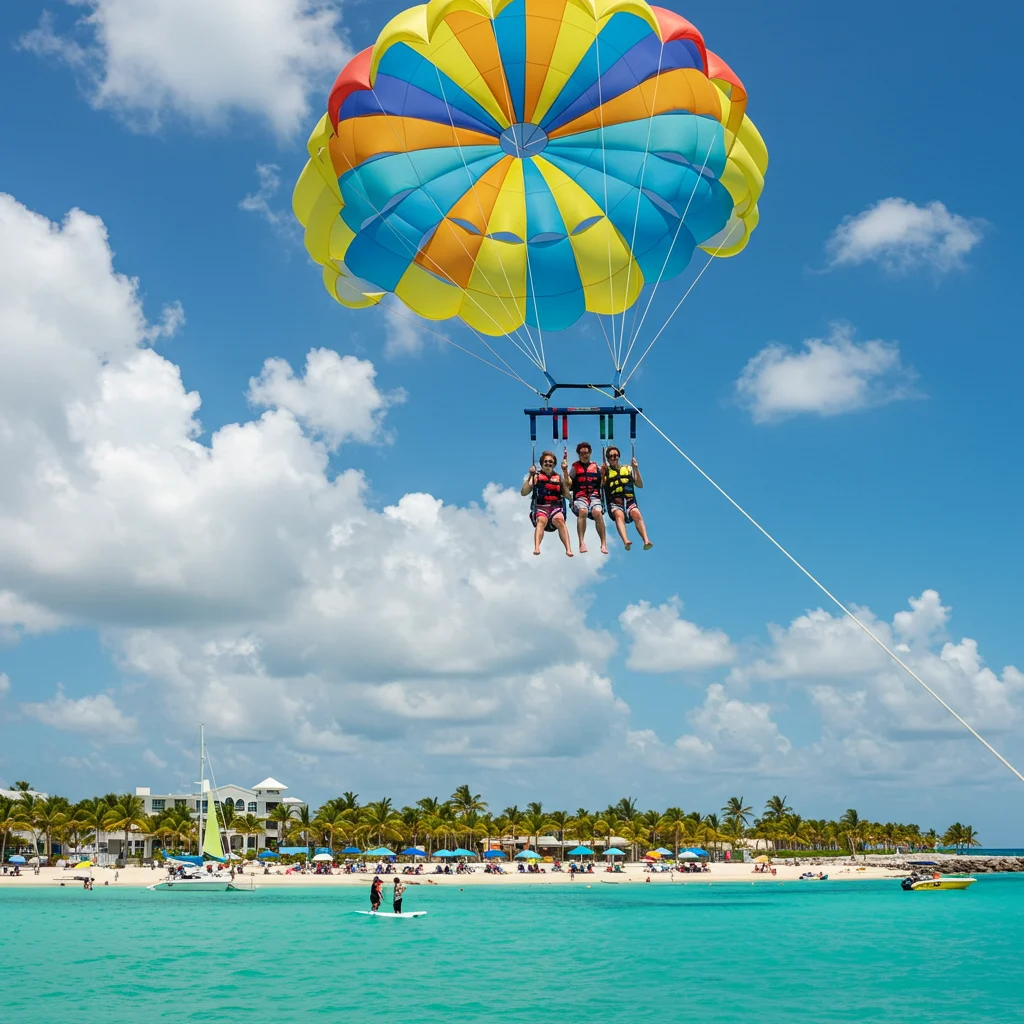


Why Parasailing in Key West?
Key West is widely recognized as a premier destination for watersports, and parasailing is one of its most sought-after adventures. With its turquoise waters and panoramic ocean vistas, this island city offers an experience that’s both thrilling and uniquely scenic. Let’s look at what sets Key West apart as a parasailing hotspot.
What Makes Key West Perfect for Parasailing?
The island’s geographical location places it at the southernmost tip of the continental United States, surrounded by the warm waters of the Gulf of Mexico and the Atlantic Ocean. This means gentle breezes, calm seas, and clear skies are the norm, creating ideal conditions for soaring above the water. The low elevation and unobstructed coastline ensure that parasailers enjoy stunning, uninterrupted views.
Key West’s vibrant marine life and colorful coral reefs also contribute to the experience. When you’re hundreds of feet in the air, you can spot dolphins, sea turtles, and even rays gliding below. The combination of natural beauty and perfect flying conditions makes this location a favorite among both beginners and seasoned adventurers.
The History of Parasailing in Key West
Parasailing has a rich tradition in Key West, dating back to the late 20th century when the sport first gained popularity in the United States. Local operators quickly recognized the island’s potential and began offering rides to tourists seeking new ways to view the city’s iconic landmarks from above.
Over the years, parasailing in Key West has evolved with improved equipment, safety standards, and experienced crews. Today, the island is home to some of the most reputable parasailing companies in the country, drawing visitors from around the world.
Top Benefits of Parasailing in Key West
There are several reasons why parasailing here stands out. First, the weather is consistently favorable, allowing for year-round flights. Second, the scenery is unparalleled, with the famous historic seaport, lush mangroves, and distant sandbars all visible from the air.
Parasailing is also accessible to a wide range of ages and abilities, making it a popular group activity. Whether you’re seeking an adrenaline rush or a peaceful moment above the waves, Key West delivers. The memories you create here are sure to last a lifetime.
Understanding Parasailing: The Basics
Before taking flight, it’s helpful to understand how parasailing works and what to expect. This section covers the fundamentals, including safety considerations and participant requirements.
What Is Parasailing?
Parasailing is a recreational activity where a person is towed behind a boat while attached to a specially designed canopy wing, known as a parasail. As the boat accelerates, the parasail lifts the participant into the air, offering a bird’s-eye view of the surrounding waters.
Unlike other aerial sports, parasailing doesn’t require any prior experience or special skills. The process is smooth and controlled, allowing you to enjoy the sensation of flight while securely harnessed.
How Does Parasailing Work?
The parasail is connected to the boat by a strong tow rope, typically ranging from 300 to 800 feet in length. As the boat moves forward, the wind fills the canopy, gradually lifting you off the platform and into the sky. The crew manages your ascent and descent, ensuring a safe and comfortable ride.
Most operators use modern winch systems that allow for gentle takeoffs and landings directly from the boat deck. This technology enhances safety and convenience, making parasailing more accessible than ever before.
Is Parasailing Safe?
Safety is a top priority for reputable parasailing operators. Strict guidelines, regular equipment inspections, and trained crews minimize risks. The activity is considered very safe when conducted by licensed professionals who follow established protocols.
All participants receive a thorough safety briefing before departure. Life jackets and harnesses are standard, and operators monitor weather conditions closely to avoid unnecessary hazards.
Who Can Go Parasailing?
Parasailing is suitable for most people, including families, couples, and solo travelers. Age and weight restrictions may apply, but these are typically generous. Individuals with certain medical conditions should consult their doctor before booking a flight.
Children often enjoy parasailing with a parent or guardian, and many companies welcome flyers as young as six or seven years old. It’s important to review the operator’s policies before making a reservation.
Best Time to Parasail in Key West
Timing can significantly impact your parasailing experience. Weather, season, and time of day all play a role in determining the best moment to take flight over Key West’s waters.
What’s the Best Season for Parasailing?
Parasailing in Key West is available year-round, thanks to the island’s subtropical climate. However, certain months stand out for their particularly pleasant conditions. The winter and spring months, from December through May, often bring mild temperatures and low humidity, making them especially popular.
Summer and fall can be warmer and more humid, but the waters remain inviting. Occasional rain showers are common, so it’s wise to check the forecast before booking. Regardless of the season, operators monitor weather closely and only fly when it’s safe.
Time of Day: Morning vs. Afternoon Flights
Both morning and afternoon flights have unique advantages. In the morning, the air tends to be cooler and the winds calmer, which can mean a smoother ride and clearer visibility. Early flights are also less likely to experience delays due to afternoon thunderstorms.
Afternoon parasailing offers the chance to enjoy the sun’s golden light and perhaps even catch a glimpse of a spectacular sunset. Some visitors prefer the later hours for the warmer temperatures and vibrant atmosphere on the water.
Weather Considerations for Parasailing
Weather is a crucial factor for safe and enjoyable parasailing. Operators assess wind speed, cloud cover, and the possibility of rain before every flight. On windy or stormy days, trips may be postponed or canceled for safety reasons.
It’s a good idea to have a flexible schedule and communicate with your chosen company about conditions on the day of your reservation. Most providers offer rescheduling or refunds if weather interferes with your plans.
Choosing the Right Parasailing Tour
Selecting a reputable, experienced operator is essential for a memorable parasailing experience. With several companies competing for your attention in Key West, knowing what to look for can help you make an informed choice.
What Should You Look for in a Parasailing Company?
When evaluating parasailing operators, prioritize those with strong safety records and positive customer reviews. Check that they are licensed, insured, and follow the latest safety regulations. Experienced crews, well-maintained boats, and high-quality equipment are important indicators of professionalism.
Ask about crew training, emergency procedures, and the age of their gear. Reliable operators are happy to answer questions and provide details about their safety protocols.
Top-Rated Parasailing Operators in Key West
Several highly regarded companies operate in Key West, each offering unique packages and experiences. Look for businesses that consistently receive high ratings for customer service, safety, and value. Many top operators have decades of experience and a loyal customer base.
Some companies also offer packages that combine parasailing with other activities, such as jet skiing or snorkeling. These combos can add extra excitement to your day on the water. For more on water adventures, you may want to read about finding jet skis for rent in the area.
Group vs. Private Parasailing Tours: Which Is Best?
Group tours are the most common and cost-effective option, allowing several parties to share the same boat. These tours can be lively and social, with the chance to meet other travelers while waiting for your turn to fly.
Private tours, on the other hand, offer a more personalized experience. You’ll have the boat to yourself or your group, which can be ideal for special occasions or those seeking privacy. Both options provide the same level of safety and professionalism.
Comparing Prices & Packages
Prices for parasailing in Key West can vary depending on the company, duration, and extras included. Standard packages typically cover the flight, safety gear, and basic instruction. Some operators offer premium packages with digital photos, longer airtime, or combo tours.
Be sure to compare what’s included in each package. Look for transparent pricing and read the fine print regarding any additional fees. Group rates and seasonal discounts may be available, especially during less busy times of the year.
How to Book Your Parasailing Adventure
Booking your parasailing experience in Key West is straightforward, but knowing your options can help you secure the best deal and preferred flight time. Here’s how to navigate the reservation process.
Online Booking vs. Walk-In Reservations
Most parasailing companies offer online booking, allowing you to reserve your spot in advance. This is the preferred method during peak travel seasons, as it guarantees availability and often provides instant confirmation. Online platforms may also offer special rates or promotions.
Walk-in reservations are possible, especially during slower periods, but availability may be limited. If you’re flexible with timing, walking up to the dock can sometimes lead to last-minute deals. However, for peace of mind, we recommend booking ahead whenever possible.
What Information Do You Need to Provide?
When booking, you’ll typically need to share basic information such as the number of participants, preferred date and time, and any special requests. Some companies may ask for age, weight, or health details to ensure all safety requirements are met.
Be prepared to provide a contact number or email address in case of schedule changes. Payment is usually required at the time of booking, either in full or as a deposit.
Cancellation Policies and Refunds
Cancellation policies vary by operator, so review the terms before confirming your reservation. Many companies offer full refunds for cancellations made within a specified window, often 24 to 48 hours in advance. Weather-related cancellations are typically refunded or rescheduled at no extra charge.
If you’re booking as part of a package or through a third-party provider, check their terms as well. Understanding the policy can save you frustration if plans change unexpectedly.
Preparing for Your Parasailing Experience
Proper preparation helps you get the most out of your parasailing adventure. From attire to personal belongings, knowing what to expect ensures a smooth and enjoyable outing.
What Should You Wear Parasailing?
Comfort is key when choosing what to wear. Lightweight, quick-drying clothes work best, as you may get splashed during takeoff or landing. Swimsuits, board shorts, and rash guards are popular choices.
Avoid loose hats or accessories that might blow away. Most operators provide life jackets, which fit easily over your clothing. Water shoes or sandals with straps are ideal for safety and convenience.
What to Bring (and What to Leave Behind)
Bring essentials such as sunscreen, sunglasses with straps, and a towel for after your flight. A waterproof pouch for valuables is useful if you plan to bring your phone or camera on the boat. Most companies have secure storage on board, but it’s best to travel light.
Leave non-waterproof electronics, jewelry, and anything you wouldn’t want to lose at home or in your hotel room. If you’re interested in capturing your experience, ask the crew about their photo and video options.
Are There Age or Weight Restrictions?
Most companies have minimum age requirements, typically between 6 and 8 years old. Weight restrictions also apply, both for individual flyers and combined tandem flights. These limits are in place to ensure safety and proper function of the parasailing equipment.
Check with your tour operator for their specific policies, especially if you’re planning to fly with children or in a group. Operators are happy to answer questions and accommodate guests whenever possible.
Can You Parasail If You Can’t Swim?
Swimming ability is not required for parasailing, as life jackets are worn at all times and takeoff and landing occur directly on the boat. The crew is trained to assist participants who may feel uneasy around water.
If you’re nervous, share your concerns with the staff before departure. They can provide reassurance and adapt the experience to make you comfortable.
Before You Fly: Safety Briefings and Instructions
Every parasailing trip begins with a safety briefing. Understanding the procedures, meeting your crew, and familiarizing yourself with the equipment help set the stage for a safe and enjoyable flight.
What Safety Measures Are in Place?
Reputable parasailing operators follow strict safety protocols. Boats are inspected daily, and equipment is checked for wear and tear. Crews are trained in emergency procedures and first aid.
Before departure, you’ll receive instructions on how to wear your harness and life jacket, how to communicate with the crew while in the air, and what to do in case of unexpected events. These measures help ensure everyone’s safety throughout the trip.
Meet Your Crew: Who’s on Board?
A typical parasailing crew includes a licensed captain, a deckhand, and sometimes a photographer. The captain is responsible for navigating the boat and monitoring flight conditions, while the deckhand assists with equipment and helps participants prepare for their flight.
The crew’s experience and professionalism are key to a smooth operation. Don’t hesitate to ask questions or share any concerns before your flight begins.
Understanding the Safety Gear
Modern parasailing gear includes a sturdy harness, a well-fitted life jacket, and a specially designed parasail canopy. The harness attaches securely to the tow rope, distributing your weight evenly for comfort and safety.
All gear is inspected before each flight, and the crew will help you adjust straps and buckles for a snug fit. If you’re curious about the equipment, ask the crew to explain how it works—they’re happy to share their knowledge.
Step-by-Step: Your Parasailing Adventure
Knowing what to expect at each stage of your parasailing trip can help you feel more confident and excited. Here’s a breakdown of the typical experience from arrival to landing.
Arriving at the Dock
Your adventure begins when you arrive at the designated dock or marina. Plan to arrive a few minutes early to complete any necessary paperwork and meet your crew. The staff will check you in, confirm your reservation, and answer any last-minute questions.
You’ll have a chance to watch other flights and get a feel for the process. This is a great time to relax and get excited for what’s ahead.
Boarding the Boat
Once it’s your turn, you’ll board the parasailing boat with the rest of your group. The crew will demonstrate how to put on your harness and life jacket, checking that all gear is secure. You’ll receive a brief overview of the boat’s layout and safety features.
As the boat leaves the dock, you’ll travel to a designated flight area away from other boats and swimmers. The anticipation builds as you get closer to takeoff.
The Takeoff Process
When you’re ready, the crew will help you move to the rear platform. The winch system gradually releases the tow line as the boat speeds up, gently lifting you into the air. The process is smooth and controlled, with minimal jostling or sudden movements.
Takeoff usually lasts just a few moments. Before you know it, you’ll be soaring high above the water, enjoying the sensation of flight and the incredible views below.
Soaring Above Key West: What Does It Feel Like?
Parasailing offers a unique blend of excitement and tranquility. The initial rush of takeoff quickly gives way to a peaceful, weightless sensation as you glide above the waves. The noise from the boat fades, replaced by the gentle sound of the wind and distant calls of seabirds.
Many participants describe the experience as both thrilling and calming. You’ll have time to take in the scenery, spot marine life, and even chat with your flying partner if you’re going tandem.
Landing Back on the Boat
When your flight is over, the crew will slowly reel you back in using the winch system. Landing is typically gentle, with the deckhand guiding you safely back onto the boat’s platform. You’ll step out of your harness and return to your seat, ready to share your experience with others.
The landing process is designed to be smooth and stress-free, even for first-time flyers. The crew is there to assist every step of the way.
Can You Get Wet While Parasailing?
Most takeoffs and landings are dry, but some operators offer the option to dip your feet in the water during your flight. If you prefer to stay dry, let the crew know in advance. Otherwise, a gentle splash can add a fun twist to your adventure.
Wearing quick-drying clothes and water shoes makes it easy to enjoy your flight, no matter how wet or dry you prefer to stay.
What to Expect During Your Flight
Understanding what happens in the air helps you prepare for your parasailing ride. Here’s what you need to know about altitude, duration, and the unique sights you’ll encounter.
How High Will You Go?
In Key West, most parasailing flights reach heights between 300 and 500 feet above the water. Some operators offer premium packages with longer tow lines for even greater altitude. From this vantage point, you’ll enjoy panoramic views of the island, ocean, and surrounding reefs.
The height is exhilarating but never overwhelming. If you have a preference for a lower or higher flight, let the crew know—they can often adjust the tow line to suit your comfort level.
How Long Does a Typical Parasailing Ride Last?
Most flights last between 8 and 12 minutes, depending on the package you choose. The total time on the boat may be longer, as groups take turns flying. Longer rides may be available for an additional fee.
While the flight itself goes by quickly, the memories and photos will last much longer. Take in the sights and savor every moment in the sky.
Can You Parasail With a Friend or Family Member?
Many operators offer tandem or triple flights, allowing you to share the experience with friends or family. This is a popular option for first-timers or those who prefer company in the air. Weight limits apply, but most groups can fly together without issue.
Flying with a loved one adds to the enjoyment and makes for great photos. Be sure to specify your preferences when booking.
What Wildlife Might You See From the Air?
Key West’s clear waters are home to a variety of marine life. From above, you may spot dolphins, sea turtles, rays, and even the occasional shark. Schools of colorful fish are visible in the shallows, and seabirds often soar nearby.
Each flight offers a unique perspective on the island’s natural beauty. Bring your camera or ask the crew about photo packages to capture these unforgettable sights.
Capturing the Moment: Photos and Videos
Parasailing is a visual experience, and most visitors want to capture the memories. Here’s how to get the best photos and videos from your flight.
Are Photos Included in Parasailing Packages?
Some companies include digital photos or videos as part of their packages, while others offer them as add-ons. A crew member or onboard photographer may take action shots during takeoff, flight, and landing.
Ask about photo and video options when booking. Many operators provide high-quality images on a USB drive or via download after your trip.
Tips for Taking Great Parasailing Photos
If you plan to bring your own camera or smartphone, use a wrist strap or waterproof case to prevent accidents. Wide-angle shots capture more of the scenery, while close-ups highlight your expressions and reactions.
Lighting is best in the morning or late afternoon, when the sun is lower in the sky. Relax and enjoy the ride—candid photos often turn out the best.
Can You Bring Your Own Camera or GoPro?
Most operators allow you to bring small cameras or GoPros, provided they are securely attached. Double-check with your crew before takeoff, as some restrictions may apply. Waterproof and shockproof devices are recommended.
If you’re interested in filming your flight, ask for tips on the best angles and settings. The crew may be able to help you capture your adventure from start to finish.
Safety Tips for Parasailing in Key West
While parasailing is a safe activity, following a few guidelines will help you stay secure and enjoy your flight to the fullest.
How to Choose a Reputable Operator
Look for companies with strong safety records, positive reviews, and up-to-date equipment. Ask about their licensing, insurance, and crew training. Don’t hesitate to request details about their safety protocols and emergency procedures.
For those planning to try other watersports, such as jet skiing, similar precautions apply. Check out our guide to renting a jet ski for tips on choosing reputable providers in Key West and beyond.
What to Do in Case of an Emergency
Follow the crew’s instructions at all times. In the unlikely event of an emergency, remain calm and use the hand signals covered in your safety briefing. Life jackets and harnesses are designed to keep you afloat and secure.
The crew is trained to handle unexpected situations, and boats are equipped with radios for immediate communication with shore support. Your safety is always their top priority.
Health Considerations Before Flying
If you have a history of heart, back, or neck problems, consult your doctor before parasailing. Pregnant individuals or those with recent injuries should avoid this activity. Be honest about your health when booking, and share any concerns with the crew.
Staying hydrated and wearing sunscreen can help you feel your best before, during, and after your flight.
Common Parasailing Myths Debunked
Misconceptions about parasailing can make some people hesitant to try it. Let’s address a few of the most common myths and set the record straight.
Is Parasailing Scary?
While the idea of soaring high above the water may seem intimidating, most participants find parasailing to be surprisingly gentle and relaxing. The ascent and descent are smooth, and the harness offers a secure, comfortable ride.
Many first-timers are pleasantly surprised by how peaceful the experience feels. If you’re nervous, let the crew know—they’ll do their best to reassure you and answer any questions.
Do You Need Experience to Parasail?
No prior experience is necessary to enjoy parasailing. The crew provides all the instruction you need, and the process is straightforward. Even children and seniors can participate safely with the right guidance.
First-time flyers often become repeat customers after realizing how accessible and enjoyable the activity is.
Will You Get Seasick?
Seasickness is uncommon during parasailing, as the boat moves smoothly and the flight itself is calm. If you’re prone to motion sickness, consider taking preventive measures before your trip, such as eating a light meal and staying hydrated.
Most guests feel fine throughout the experience. If you have concerns, discuss them with your crew before boarding.
Other Water Adventures to Combine With Parasailing
Key West is a playground for water enthusiasts, and parasailing pairs well with a variety of other activities. Consider booking a combo package or planning a full day of aquatic fun.
Jet Skiing and Parasailing Combo Tours
Many operators offer packages that include both parasailing and jet skiing. This combination delivers an adrenaline-packed day on the water, appealing to thrill-seekers and families alike. Jet skiing allows you to explore the coastline up close, while parasailing offers a bird’s-eye view of the same area.
If you’re interested in jet skiing, check out our article on jet ski adventures in Miami for insights on what to expect and how to get started.
Snorkeling and Parasailing Packages
Some companies bundle snorkeling trips with parasailing flights, giving you the chance to see Key West’s famous coral reefs from above and below. These packages are ideal for families and groups with varied interests.
Ask your operator about available combos and what equipment is provided. Snorkeling gear, instruction, and transportation are often included.
Sunset Parasailing: Is It Worth It?
Sunset parasailing is a unique way to experience Key West’s legendary evening skies. The golden hour light creates breathtaking photo opportunities, and the cooler temperatures make for a comfortable ride.
These flights are popular, so book in advance if you want to secure a spot. Watching the sun dip below the horizon from high above the water is an unforgettable experience.
Family-Friendly Parasailing: What Parents Should Know
Parasailing is a family-friendly activity that welcomes participants of all ages. With the right preparation, parents can help their children enjoy a safe and memorable flight.
Is Parasailing Safe for Kids?
Most operators allow children as young as six or seven to participate, provided they meet minimum weight requirements. Tandem flights with a parent or guardian are common, offering reassurance and shared excitement.
Safety gear is adjustable for smaller flyers, and the crew is trained to accommodate kids. Always check the operator’s policies before booking with children.
Tips for Parasailing With Children
Prepare your child by explaining what to expect and encouraging them to ask questions. Dress them in comfortable, quick-drying clothes and apply sunscreen before arrival. Bring snacks and water to keep everyone comfortable during the outing.
If your child is nervous, reassure them that the crew is there to help. Most kids love the experience once they’re in the air, especially when flying alongside a parent or sibling.
Accessibility: Can Everyone Parasail?
Many operators make efforts to accommodate guests with limited mobility or special needs. Boats with easy boarding, adjustable harnesses, and attentive crews make parasailing accessible to a wide range of participants.
If you have specific concerns or requirements, discuss them with your chosen company ahead of time. They may be able to adapt the experience to suit your needs.
Budgeting for Your Parasailing Experience
Understanding the costs involved helps you plan your Key West parasailing adventure. Here’s what to expect when it comes to pricing, discounts, and tipping etiquette.
How Much Does Parasailing in Key West Cost?
Prices typically range from $70 to $120 per person, depending on the length of the flight, group size, and extras such as photos or combo packages. Private tours and sunset flights may cost more.
Compare packages carefully to understand what’s included. Some operators charge additional fees for digital photos or longer airtime.
Are There Discounts or Group Rates?
Group rates are often available for larger parties, making parasailing more affordable for families or friends. Seasonal discounts and online promotions may also be offered, especially during slower periods.
Ask about any current specials when booking, and consider combining activities for added value. For more on water sports deals, our post on tours beyond the beach in Miami explores options in nearby destinations.
Tipping Etiquette for Parasailing Crews
Tipping is customary in the watersports industry. If you’re happy with your experience, a gratuity of 15–20% is appreciated. Tips can be given directly to the crew or included in your payment if paying by card.
Expressing your gratitude for excellent service helps support the hardworking teams that make your adventure possible.
What to Do After Parasailing in Key West
Your parasailing flight is just the beginning of your Key West adventure. The island offers a wealth of activities, dining, and social opportunities to round out your day.
Nearby Attractions and Activities
After your flight, consider visiting popular local attractions such as Mallory Square, the Key West Aquarium, or the historic Duval Street. Many visitors also enjoy relaxing on the beach or joining a snorkeling tour to experience the area’s marine life up close.
If you’re seeking more water-based excitement, you can find jet ski rentals nearby for another thrilling ride on the waves.
Best Places to Eat and Drink Post-Flight
Key West is known for its laid-back dining scene and fresh seafood. Popular waterfront restaurants and bars offer the perfect place to unwind after your adventure. Try local favorites like conch fritters, Key lime pie, or a refreshing mojito as you share your flight stories.
Many establishments feature live music and outdoor seating, making it easy to enjoy the island vibe well into the evening.
Where to Share Your Parasailing Experience Online
Once you’ve captured your parasailing memories, share them with friends and family online. Social media platforms like Instagram and Facebook are perfect for posting photos and videos of your high-flying adventure.
Many operators encourage guests to tag their business or leave a review on TripAdvisor, Google, or Yelp. Sharing your experience helps other travelers find the best parasailing tours and supports local businesses.
Frequently Asked Questions About Key West Parasailing
We’ve compiled answers to some of the most common questions about parasailing in Key West. If you’re still curious, don’t hesitate to contact your chosen operator directly.
What if the Weather Changes Suddenly?
Key West weather can be unpredictable, especially during the summer months. If conditions change rapidly, your crew will assess the situation and make safety their top priority. Flights may be paused, rescheduled, or canceled as necessary.
Most companies offer full refunds or easy rescheduling for weather-related cancellations. Stay flexible, and keep your phone handy for updates from your operator.
Can You Parasail if You’re Pregnant?
Pregnant individuals are typically advised not to parasail, as the activity involves harnesses and rapid altitude changes. If you’re expecting, it’s best to choose a more gentle watersport or enjoy watching from the boat.
Always consult your doctor before participating in any adventure activity while pregnant.
Is Parasailing Eco-Friendly?
Many operators take steps to minimize their environmental impact by using fuel-efficient boats, reducing waste, and respecting local wildlife. Parasailing itself is a low-impact activity, as flights take place over open water with minimal disturbance to marine life.
If sustainability is important to you, ask your operator about their eco-friendly practices when booking your tour.
Final Tips for an Unforgettable Parasailing Experience
As you prepare for your Key West parasailing adventure, keep these final tips in mind to make the most of your trip and create lasting memories.
How to Make the Most of Your Adventure
Arrive early, dress appropriately, and bring only the essentials. Listen closely during the safety briefing and communicate any concerns to your crew. Relax, take in the views, and savor every moment in the air.
Consider combining parasailing with other activities, such as jet skiing or snorkeling, for a full day of excitement on the water. Our article on parasailing in Fort Lauderdale offers more tips on making the most of your parasailing experience in other Florida destinations.
What to Remember for Next Time
After your flight, jot down what you enjoyed most and any tips you’d share with friends. Save your favorite photos and consider leaving a review for your operator to help future guests.
Parasailing in Key West is an experience you’ll want to repeat. Each flight offers new sights, sensations, and stories to share.
For more travel inspiration and expert advice, visit Tour Cuts at https://tourcuts.com. We hope your Key West parasailing adventure is thrilling, safe, and truly unforgettable!