
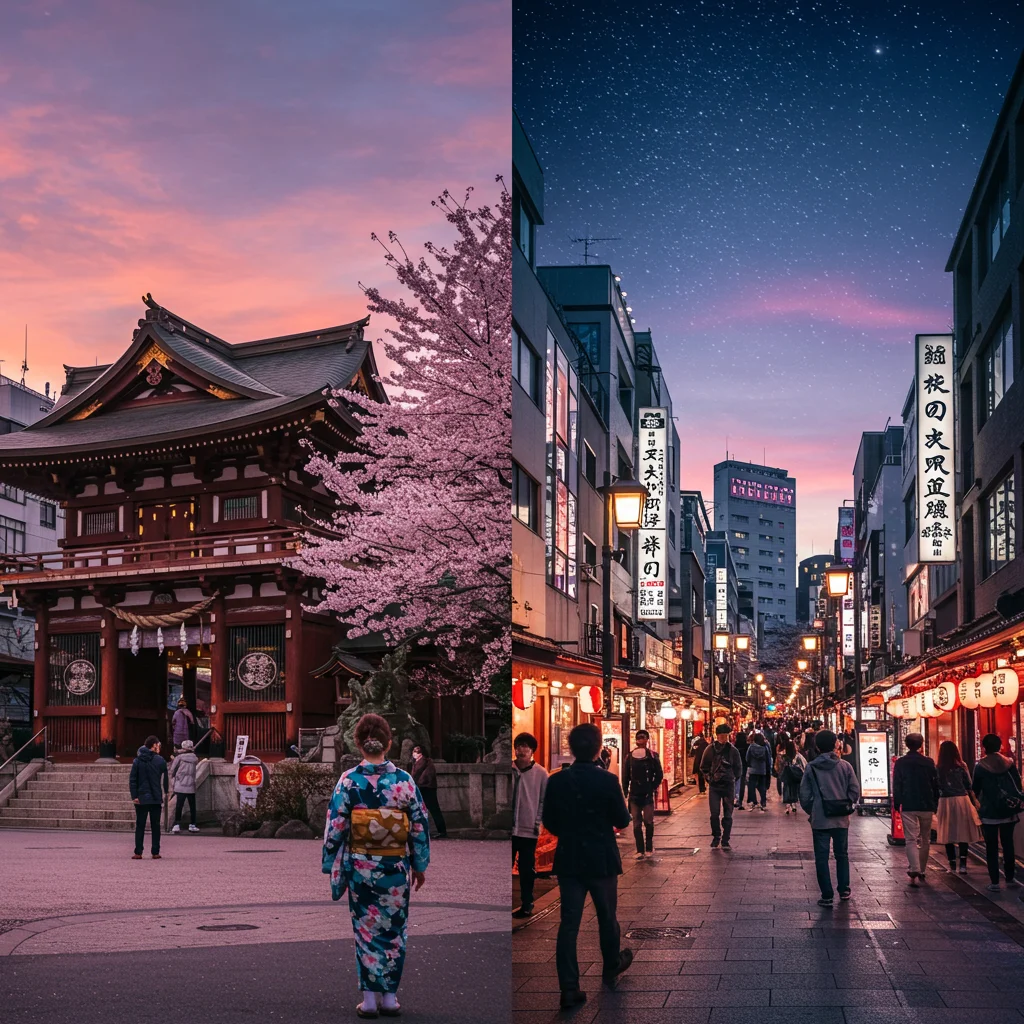


Introduction: Tokyo’s Dazzling Blend of Neon & Tradition
Tokyo stands as a city defined by its unique fusion of ultramodern brilliance and centuries-old customs. Nowhere else do neon-lit skyscrapers sit so comfortably beside tranquil shrines, and pop culture trends thrive just steps from historic temples. This juxtaposition is what gives Tokyo its energy and enduring appeal for travelers worldwide.
As we navigate the city’s neighborhoods, each with their own personality, we’ll uncover how tradition and innovation coexist in daily life. Whether you’re drawn by the allure of anime, the serenity of gardens, or the culinary adventures awaiting on every corner, Tokyo delivers a rich and diverse experience for every visitor.
Why Visit Tokyo? A City of Contrasts
Tokyo attracts millions of visitors each year, and it’s easy to see why. The city offers a dynamic contrast between the futuristic and the historic, providing an endless array of things to see and do. From high-speed trains and digital art museums to peaceful temples and classic gardens, the choices are as varied as they are exciting.
Travelers can experience the energy of bustling districts like Shibuya and Akihabara, then find peace in neighborhoods like Asakusa or within shrine grounds. This constant interplay keeps Tokyo fresh and engaging, even for seasoned travelers. The city’s commitment to hospitality, safety, and cleanliness also ensures a positive experience for all.
How to Get Around Tokyo Efficiently
Efficient transportation is one of Tokyo’s defining features. The city’s extensive public transit network includes trains, subways, and buses that make moving between neighborhoods straightforward and affordable. Navigating the system may feel daunting at first, but clear signage and helpful staff simplify the process for visitors.
We recommend purchasing a prepaid IC card, such as Suica or Pasmo, to streamline your journeys. These cards work on nearly all forms of public transportation, saving time and eliminating the need for individual tickets. Taxis and bike rentals are also available, though most find the trains to be the fastest way to get around.
When Is the Best Time to Visit Tokyo?
Tokyo is a year-round destination, but each season brings its own unique charm. Spring is famous for cherry blossoms, while autumn offers beautiful foliage and mild temperatures. Summer can be hot and humid, with lively festivals adding excitement to the city’s calendar.
Winter is generally cool and dry, with fewer crowds and festive illuminations lighting up many districts. Your ideal time to visit will depend on your interests, whether you want to see blossoms, attend seasonal festivals, or enjoy quieter sightseeing opportunities.
Exploring Shibuya: The Heartbeat of Modern Tokyo
Shibuya is often considered the epicenter of Tokyo’s youthful energy and modern culture. The district is packed with shopping centers, entertainment venues, and restaurants that cater to every taste. It’s a place where trends are set and followed, making it a must-visit for anyone interested in contemporary Japanese life.
From the iconic Shibuya Crossing to hidden cafés and vibrant boutiques, this area pulses with activity day and night. Shibuya’s accessibility and central location make it an ideal starting point for your Tokyo adventure.
What Makes Shibuya Crossing So Iconic?
Shibuya Crossing is arguably the world’s most famous pedestrian scramble. Every few minutes, crowds of hundreds cross from all directions, creating a mesmerizing spectacle of organized chaos beneath giant video screens and neon lights. The crossing has become a symbol of Tokyo’s energy and urban spirit.
For the best views, many visitors head to nearby cafés or observation decks in the surrounding buildings. The crossing is especially photogenic in the evening when the neon signage comes alive. It’s a quintessential Tokyo experience that captures the city’s fast-paced rhythm.
Must-Visit Cafés and Shops in Shibuya
Shibuya is a treasure trove of unique cafés and shops, each offering its own twist on style and hospitality. From themed cafés featuring everything from cats to robots to flagship stores of global and Japanese brands, there’s no shortage of options for a memorable stop.
We suggest visiting Shibuya 109 for fashion, and exploring smaller side streets for independent boutiques. For a break, try a specialty coffee shop or one of the area’s creative dessert cafés. The atmosphere here is always lively, making every visit feel like a new adventure.
Discovering Harajuku: Tokyo’s Fashion Playground
Harajuku is synonymous with fashion and youth culture. This neighborhood is where Tokyo’s most creative styles come to life, often blending influences from both Japan and abroad. The area’s eclectic energy draws both locals and visitors eager to see the latest trends.
Beyond fashion, Harajuku is also renowned for its street food, quirky shops, and colorful urban art. It’s an excellent place to experience Tokyo’s playful side and find one-of-a-kind souvenirs.
Takeshita Street: Where Trends Begin
Takeshita Street is the beating heart of Harajuku’s fashion scene. This narrow, bustling street is lined with boutiques, accessory shops, and snack stands, drawing crowds of young people and curious travelers. Takeshita’s influence on global fashion is well documented, with many trends starting here before spreading worldwide.
Expect vibrant window displays, inventive clothing, and plenty of photo opportunities. Even if you’re not shopping, a stroll along Takeshita Street offers an exciting look at Tokyo’s ever-evolving style culture.
Best Spots for Street Food in Harajuku
Harajuku is a hotspot for inventive street food. From rainbow-colored cotton candy and crepes to unique takes on traditional Japanese snacks, the area caters to adventurous eaters and those looking for Instagram-worthy bites. Many stands specialize in sweet treats, but savory options are also widely available.
Popular choices include potato tornadoes, sweet pancakes, and filled taiyaki. Sampling these snacks is a fun way to experience the creativity and flavors that define modern Tokyo street food culture.
Traditional Tokyo: Asakusa and Senso-ji Temple
Asakusa offers a window into Tokyo’s past, with its historic streets and the impressive Senso-ji Temple. The neighborhood maintains an old-world charm, making it a favorite for those seeking a more traditional side of the city. Here, you’ll find classic architecture, rickshaw tours, and a welcoming atmosphere.
Senso-ji stands as Tokyo’s oldest temple, attracting visitors and worshippers alike. The area surrounding the temple is also known for its vibrant shopping streets, offering everything from local snacks to handmade crafts.
How to Experience Senso-ji Like a Local
To appreciate Senso-ji fully, we recommend arriving early to avoid the crowds and enjoy a peaceful atmosphere. Start by purifying your hands and mouth at the chozuya (water pavilion) before approaching the main temple. Many locals also stop to waft incense smoke over themselves for good luck at the large cauldron in front of the temple.
Take a moment to draw an omikuji (fortune slip) and observe the rituals of those around you. Respectful attire and quiet behavior are appreciated within the temple grounds, making it easy to participate in the local customs.
Shopping for Souvenirs on Nakamise Dori
Nakamise Dori is a lively shopping street that leads directly to Senso-ji’s main gate. Here, dozens of stalls sell traditional souvenirs, snacks, and crafts. It’s a fantastic place to pick up gifts, from folding fans and yukata to locally made sweets.
Many of the vendors have operated for generations, adding a sense of authenticity to your shopping experience. Trying some ningyo-yaki (small cakes filled with sweet bean paste) is highly recommended, as they’re a local favorite.
Meiji Shrine: Serenity Amid the City
Located just a short walk from Harajuku, Meiji Shrine offers a peaceful escape from Tokyo’s urban energy. The expansive shrine grounds are filled with towering trees, tranquil paths, and traditional wooden structures. This sacred site honors Emperor Meiji and Empress Shoken, attracting visitors seeking calm and reflection.
The contrast between the serenity of Meiji Shrine and the nearby bustle of Harajuku exemplifies Tokyo’s unique ability to balance old and new. The shrine is also a popular spot for local festivals and cultural events throughout the year.
What Rituals Can You Observe at Meiji Shrine?
Visitors to Meiji Shrine often observe several Shinto rituals. On arrival, many pause to bow at the large torii gate before entering. At the temizuya (purification fountain), people cleanse their hands and mouths, a custom signifying respect before prayer.
Inside the main shrine, it’s common to see worshippers offering coins, bowing, and clapping their hands twice before making a wish. Weddings and other ceremonies frequently take place here, offering a glimpse into Japanese traditions.
Seasonal Festivals at Meiji Shrine
Meiji Shrine hosts various festivals that celebrate the changing seasons and important events. One of the most popular is the New Year’s celebration, which attracts millions for hatsumode, the first shrine visit of the year. This event is an excellent opportunity to witness traditional dress and customs.
Other festivals include spring and autumn grand festivals, featuring music, dance, and martial arts demonstrations. These events provide insight into Japanese culture and are open to visitors who wish to observe or participate respectfully.
Akihabara: Tokyo’s Electric Town
Akihabara is renowned as the center of otaku culture, drawing fans of anime, manga, and electronics from across the globe. The neighborhood’s streets are lined with specialty stores, themed cafés, and towering billboards that reflect its status as a pop culture hub.
Visitors can browse for the latest gadgets, vintage games, or limited-edition merchandise. Akihabara’s unique character makes it a must-see for anyone interested in Japanese pop culture and technology.
Where to Find the Best Anime and Manga Stores?
Akihabara is home to some of the world’s best anime and manga retailers. Large stores like Animate and Mandarake offer extensive selections of comics, figures, and collectibles, often featuring rare or exclusive items. Smaller shops tucked away on side streets provide even more specialized finds.
Many stores also sell themed merchandise, cosplay outfits, and DVDs. Whether you’re a casual fan or a dedicated collector, Akihabara’s shops are sure to impress with their variety and depth.
Exploring Maid Cafés: What to Expect
Maid cafés are a unique part of Akihabara’s culture. In these themed restaurants, staff dressed as maids serve food and drinks with a playful, theatrical flair. Guests are often greeted with songs, games, and elaborate food presentations.
While the experience is lighthearted, there are specific etiquette rules to follow, such as asking permission before taking photos. Visiting a maid café is a fun way to experience the whimsical side of Tokyo’s pop culture scene.
Shinjuku: Neon Nights and Bustling Streets
Shinjuku stands out as one of Tokyo’s busiest and most photogenic districts. The area is known for its dazzling neon lights, towering skyscrapers, and a diverse array of entertainment options. From shopping and dining to nightlife and culture, Shinjuku offers something for every visitor.
It’s also a major transportation hub, making it easy to access from anywhere in the city. The district’s lively streets are ideal for people-watching and soaking in the city’s unmistakable energy.
Kabukicho: Tokyo’s Entertainment District
Kabukicho is Shinjuku’s famed entertainment quarter, filled with restaurants, bars, clubs, and theaters. The area is bright and bustling, with countless options for dining and nightlife. While Kabukicho has a reputation for adult entertainment, it also offers family-friendly attractions like themed restaurants and arcades.
Visitors should remain aware of their surroundings and exercise caution, especially late at night. The district’s vibrant atmosphere and endless entertainment choices make it a memorable stop for those seeking excitement.
Omoide Yokocho: Where to Eat Like a Local
Omoide Yokocho, or “Memory Lane,” is a collection of narrow alleys filled with tiny eateries and bars. The area is famous for its yakitori (grilled chicken skewers) and other Japanese comfort foods served in intimate settings. Many establishments seat just a handful of guests, creating a cozy and authentic dining experience.
We recommend arriving early, as seats fill up quickly, especially on weekends. Omoide Yokocho is an excellent spot to try local dishes and interact with Tokyoites over good food and drinks.
Tokyo’s Best Observation Decks for Skyline Views
Tokyo’s skyline is a sight to behold, especially from one of its many observation decks. These vantage points provide panoramic views of the city’s sprawling urban landscape, with Mount Fuji visible on clear days. Whether you’re a photography enthusiast or simply want to appreciate Tokyo from above, there are several excellent options to choose from.
Most observation decks offer amenities like cafés, souvenir shops, and interactive exhibits, making them popular stops for visitors of all ages.
Tokyo Tower vs. Tokyo Skytree: Which Should You Visit?
Both Tokyo Tower and Tokyo Skytree offer spectacular city views, but each has its own appeal. Tokyo Tower, inspired by Paris’s Eiffel Tower, is a beloved city icon with a nostalgic charm. Its central location makes it easy to reach, and its observation decks provide stunning night views of the city’s lights.
Tokyo Skytree, on the other hand, is the tallest structure in Japan and features two observation decks at different heights. The views here are especially impressive during the day, with the city stretching endlessly in every direction. Choosing between the two depends on your preferences for height, location, and atmosphere.
Roppongi Hills Mori Tower: Art and Panoramas
The Roppongi Hills Mori Tower combines sweeping city views with world-class art. Its observation deck, located on the 52nd floor, offers unobstructed views of Tokyo, including Tokyo Tower and, on clear days, Mount Fuji. The adjoining Mori Art Museum showcases contemporary works from Japanese and international artists.
This combination of art and scenery makes the Mori Tower a favorite for those seeking a more cultural experience. The area also features upscale dining and shopping, adding to its appeal.
Cultural Experiences: Museums and Art in Tokyo
Tokyo’s museums and galleries offer a window into Japan’s rich history and creative spirit. The city is home to institutions covering everything from ancient artifacts to cutting-edge digital art. Whether you have a passion for history, fine art, or new media, there is a museum in Tokyo that will resonate with your interests.
Many museums are located within easy reach of major train stations, making them convenient to add to any itinerary.
Which Museums Should You Not Miss?
With so many excellent museums in Tokyo, choosing where to spend your time can be difficult. Some stand out for their collections, their innovative approach, or their cultural significance. We highlight three must-visit museums below, each offering a unique perspective on Japanese culture and creativity.
Edo-Tokyo Museum: A Journey Through History
The Edo-Tokyo Museum traces the city’s transformation from a small fishing village to the metropolis we see today. Its interactive exhibits, scale models, and historical artifacts paint a vivid picture of daily life in both the Edo period and modern Tokyo.
This museum is especially valuable for those who appreciate context and storytelling. It provides a deeper understanding of Tokyo’s evolution and the resilience of its people. For those interested in how other cities preserve their history, you might also enjoy reading about walking tours in historic districts, such as the Old San Juan Stroll.
teamLab Borderless: Immersive Digital Art
teamLab Borderless is an interactive digital art museum that has garnered international acclaim. Visitors move through a series of rooms where light, color, and sound respond to their presence. The experience is both mesmerizing and thought-provoking, making it a favorite for families and art lovers alike.
Unlike traditional museums, there are no maps or fixed routes—each visit is unique, shaped by your interactions with the art. It’s a must-see for anyone interested in technology and new forms of artistic expression.
National Museum of Modern Art: Japanese Creativity
The National Museum of Modern Art (MOMAT) showcases the best of Japanese and international modern art. Its permanent collection features works from the late 19th century to the present, including paintings, sculptures, and photography. Temporary exhibitions often highlight emerging artists and trends.
MOMAT’s tranquil setting and well-curated displays make it an excellent choice for those seeking inspiration. The museum’s proximity to the Imperial Palace adds another layer of historical context to your visit.
Traditional Gardens: Oases in the Urban Jungle
Tokyo’s traditional gardens provide peaceful retreats from the city’s fast pace. These green spaces are meticulously designed, with each element chosen for its beauty and meaning. Visiting a garden is a restful way to experience Japanese aesthetics and seasonal changes.
Many gardens feature ponds, tea houses, and walking paths, inviting visitors to slow down and appreciate the subtle interplay of nature and design.
Shinjuku Gyoen: A Blend of Styles
Shinjuku Gyoen is one of Tokyo’s largest and most beautiful gardens. It seamlessly combines Japanese, English, and French landscaping styles, resulting in a diverse and tranquil space. The garden is particularly popular during cherry blossom season, when its many sakura trees are in full bloom.
Wide lawns, picturesque bridges, and seasonal flower displays make Shinjuku Gyoen a favorite for both locals and visitors. It’s an ideal spot for a leisurely stroll or a quiet picnic in the heart of the city.
Hamarikyu Gardens: A Taste of Edo Tranquility
Hamarikyu Gardens offers a glimpse into the refined tastes of the Edo period. This waterfront garden features traditional landscaping, a large pond, and a historic teahouse where you can enjoy matcha and Japanese sweets. The contrast between the garden’s serenity and the surrounding skyscrapers is striking.
Hamarikyu is especially lovely in spring and autumn, when the colors of the trees and flowers are at their peak. Its location near the Sumida River also makes it a convenient stop after visiting nearby attractions.
Culinary Adventures: What to Eat in Tokyo?
Tokyo is a food lover’s paradise, with culinary options ranging from street snacks to Michelin-starred dining. The city’s food culture is diverse, reflecting both regional Japanese traditions and international influences. Whether you crave fresh sushi, hearty ramen, or quirky themed cafés, Tokyo delivers unforgettable flavors.
Exploring Tokyo’s food scene is an adventure in itself, with new tastes waiting around every corner. We encourage visitors to try both classic dishes and modern interpretations during their stay.
Sushi Experiences: From Conveyor Belt to Michelin Stars
Sushi is perhaps Tokyo’s most famous culinary export. Visitors can enjoy it in many forms, from casual kaiten (conveyor belt) sushi restaurants to exclusive omakase dining experiences. Each approach offers its own appeal, whether you value convenience, variety, or the artistry of a master chef.
Tokyo is home to more Michelin-starred sushi restaurants than any other city. For those seeking a memorable meal, booking a counter seat at one of these establishments is highly recommended. Alternatively, casual sushi chains provide high-quality options at reasonable prices.
Where to Find the Best Ramen?
Ramen is another staple of Tokyo’s food scene. Every neighborhood boasts its own standout shops, each with unique broths, noodles, and toppings. Popular types include shoyu (soy sauce), miso, and tonkotsu (pork bone) ramen, each offering distinct flavors and textures.
Lines outside ramen shops are a common sight, especially at well-known locations like Ichiran or Afuri. Don’t be discouraged by the wait—it’s often a sign of excellent food. Sampling different ramen styles is a delicious way to experience Tokyo’s culinary diversity.
Unique Themed Cafés to Try
Themed cafés are a Tokyo specialty, offering experiences that go beyond food and drink. Options range from animal cafés, where you can interact with cats or owls, to pop culture cafés inspired by anime, video games, or even trains. Each venue creates a playful atmosphere that’s perfect for a memorable outing.
Reservations are recommended for popular themed cafés, as seats can fill up quickly. The creativity and attention to detail at these establishments make them a highlight of any Tokyo visit.
Shopping in Tokyo: From Luxury to Quirky
Tokyo is a shopper’s paradise, with districts catering to every taste and budget. From luxury boutiques and department stores to quirky 24-hour shops and vintage markets, the city offers an incredible range of options. Shopping here is not just about buying things—it’s an experience that reflects Tokyo’s unique culture.
Each district has its own personality, making it easy to find the right atmosphere for your preferred style of shopping.
Where Are Tokyo’s Best Shopping Districts?
Tokyo’s shopping districts are as diverse as the city itself. We highlight three of the most popular areas below, each offering a distinct experience for visitors. Whether you’re seeking high-end fashion, unique souvenirs, or unbeatable bargains, there’s a neighborhood to match your interests.
Omotesando: Tokyo’s Champs-Élysées
Omotesando is known for its tree-lined avenue and stylish architecture. The area is home to flagship stores of international luxury brands, as well as cutting-edge Japanese designers. Omotesando Hills, a fashionable shopping complex, offers a curated selection of boutiques and restaurants.
Even if you’re not shopping, a stroll through Omotesando is a pleasure thanks to its sophisticated atmosphere and striking modern buildings.
Ginza: High-End Shopping and Dining
Ginza is Tokyo’s premier luxury shopping district. Here, you’ll find department stores, designer boutiques, and gourmet restaurants in a polished urban setting. Many shops offer tax-free shopping for visitors, making Ginza a popular destination for international travelers.
Ginza’s side streets are also home to art galleries and specialty shops, providing a well-rounded experience for those with varied interests. For travelers who appreciate elegant city strolls, the experience shares similarities with touring other iconic destinations, as described in our post on Venice in a Day.
Don Quijote: Bargain Hunting in the Neon Lights
Don Quijote is a beloved Japanese discount chain, famous for its wide selection and quirky atmosphere. Open 24 hours, these stores sell everything from snacks and cosmetics to electronics and costumes. The Shibuya and Shinjuku locations are especially popular for their neon signage and convenient locations.
Shopping at Don Quijote is an adventure, with narrow aisles and surprising finds at every turn. It’s a great place to pick up souvenirs or last-minute essentials at affordable prices.
Nightlife in Tokyo: Where to Go After Dark?
Tokyo’s nightlife is as diverse as the city itself, offering everything from cozy bars to high-energy clubs. The city comes alive after sunset, with entertainment options catering to every mood and preference. Whether you’re seeking a quiet drink or a night of dancing, Tokyo’s neighborhoods deliver memorable experiences.
Many nightlife districts are located near major train stations, making it easy to move between venues and neighborhoods throughout the evening.
Golden Gai: Tiny Bars, Big Character
Golden Gai is a cluster of narrow alleys in Shinjuku, famous for its tiny bars and unique atmosphere. Each bar has its own theme and décor, often reflecting the owner’s personality or interests. Some bars welcome foreigners, while others cater mainly to regulars, so it’s worth checking before entering.
Golden Gai’s intimate setting encourages conversation and connection, making it a favorite for those seeking an authentic Tokyo nightlife experience. The area’s history and charm have made it a popular subject in travel writing, similar to the way the Amalfi Coast is celebrated for its local character.
Live Music and Clubbing Hotspots
Tokyo’s live music and club scene is vibrant and varied. Venues like Zepp Tokyo, Billboard Live, and Liquidroom host everything from rock and jazz to electronic and pop performances. International acts often stop in Tokyo, making it easy to catch world-class shows during your visit.
For those who prefer dancing, districts like Shibuya and Roppongi are home to popular nightclubs. Each club has its own atmosphere and music style, so it’s worth exploring a few to find the right fit for your night out.
Traditional Performing Arts: Kabuki, Noh, and More
Tokyo is a center for traditional Japanese performing arts. Forms like kabuki, noh, and bunraku (puppet theater) have deep roots in the city’s history and continue to attract audiences today. Attending a performance is a memorable way to connect with Japan’s cultural heritage.
While most performances are in Japanese, many theaters offer English guides or subtitles, making it accessible for international visitors.
Where to Watch a Kabuki Performance?
The Kabukiza Theatre in Ginza is Tokyo’s most famous venue for kabuki. The theater’s striking façade and ornate interiors set the stage for an unforgettable experience. Visitors can purchase tickets for a full performance or opt for single-act tickets if they’re short on time.
Guides and audio translations are available, allowing audiences to appreciate the story and artistry behind each performance. Kabukiza also features a small museum and souvenir shop for those interested in learning more about the art form.
Experiencing Sumo: Japan’s National Sport
Sumo wrestling is a quintessential part of Japanese culture, and Tokyo is the best place to witness the sport in person. The city hosts several tournaments each year, drawing top wrestlers and enthusiastic crowds to the Ryogoku Kokugikan arena. Attending a sumo match offers insight into the traditions and rituals that define this ancient sport.
Even outside tournament season, visitors can sometimes watch morning training sessions at local stables, providing a behind-the-scenes look at the discipline and dedication required of sumo wrestlers.
How to Attend a Sumo Tournament
Tickets for sumo tournaments can be purchased online or at the arena, but it’s best to book in advance, especially for popular dates. Seating ranges from ringside boxes to more affordable upper-level seats. Each match is steeped in ritual, from the ceremonial salt throwing to the intense bouts themselves.
Arriving early allows you to watch the preliminary matches and explore the arena’s sumo museum. The atmosphere is both lively and respectful, giving visitors a true sense of Japan’s sporting tradition. For those interested in sporting events in other cities, our post on Stadio Olimpico in Rome provides a useful comparison.
Day Trips from Tokyo: Tradition Beyond the City
Tokyo’s excellent transportation links make it easy to visit nearby destinations rich in history and natural beauty. Day trips offer a chance to experience a different side of Japan, from ancient temples to scenic coastlines. Many travelers use Tokyo as a base for exploring the wider Kanto region.
Popular day trips include visits to Nikko, Kamakura, Yokohama, and the Fuji Five Lakes area. Each offers unique attractions and a change of pace from the city.
Should You Visit Nikko or Kamakura?
Nikko and Kamakura are two of the most popular day trip destinations from Tokyo. Nikko is known for its elaborate shrines and mountain scenery, while Kamakura offers historic temples and a relaxed coastal atmosphere. Both are easily accessible by train and can be explored in a single day.
Your choice will depend on your interests—Nikko for ornate architecture and nature, Kamakura for laid-back temples and beaches. Either option provides a rewarding extension to your Tokyo itinerary. If you enjoy historical sites, you might also be interested in efficient entry experiences at landmarks, as described in our article on Chapultepec Castle.
Seasonal Highlights: Cherry Blossoms and Autumn Leaves
Tokyo’s seasons are marked by spectacular natural displays, with cherry blossoms in spring and vibrant foliage in autumn. These seasonal changes are celebrated across the city, drawing locals and visitors to parks and gardens for hanami (flower viewing) and momijigari (leaf peeping).
Timing your visit to coincide with these events adds an extra layer of beauty and excitement to your trip. The best spots fill quickly, so planning ahead is essential.
Where Are the Best Cherry Blossom Spots in Tokyo?
Some of Tokyo’s most famous cherry blossom spots include Ueno Park, Yoyogi Park, and the Meguro River. Each location offers a different atmosphere, from lively festivals to peaceful riverside walks. Shinjuku Gyoen and Chidorigafuchi are also popular for their stunning displays of sakura trees.
Cherry blossom season typically occurs in late March to early April, but exact timing varies each year. Arriving early in the morning or on weekdays helps avoid the largest crowds.
Experiencing Autumn Colors in City Parks
Tokyo’s parks come alive with color in late November and early December, as maple and ginkgo trees turn brilliant shades of red and gold. Rikugien, Koishikawa Korakuen, and Showa Kinen Park are particularly renowned for their autumn foliage.
Many parks hold evening illuminations during this season, providing a magical atmosphere for visitors. The crisp weather and beautiful scenery make autumn an ideal time to enjoy Tokyo’s outdoor spaces.
Navigating Tokyo’s Etiquette and Cultural Norms
Understanding Japanese etiquette is key to having a smooth and enjoyable visit. Tokyoites value politeness, punctuality, and respect for others. Simple gestures like bowing, speaking quietly in public, and removing shoes when entering homes or certain establishments go a long way.
It’s also important to observe rules around photography and personal space, especially at religious sites. Reading up on local customs before you arrive helps you avoid misunderstandings and shows respect for your hosts.
Essential Tips for First-Time Visitors
For those visiting Tokyo for the first time, preparation is essential. We recommend learning a few basic Japanese phrases, carrying cash (as not all places accept cards), and familiarizing yourself with the train system. Downloading useful apps for navigation and translation can make your trip much smoother.
Staying connected with portable Wi-Fi or a local SIM card is also helpful, especially for accessing maps and information on the go. Lastly, pack comfortable shoes—Tokyo is a city best experienced on foot, with plenty of walking between attractions.
Conclusion: Finding Your Own Tokyo Balance
Tokyo’s unique combination of neon-lit excitement and traditional elegance offers something for every traveler. Whether you’re drawn to the city’s vibrant nightlife, historic temples, innovative cuisine, or tranquil gardens, you’ll find countless ways to shape your own memorable journey.
For more travel inspiration and practical tips, we invite you to visit Tour Cuts. Wherever your interests lie, Tokyo promises a rewarding and unforgettable experience.