


Introduction: Discovering Lombard Street
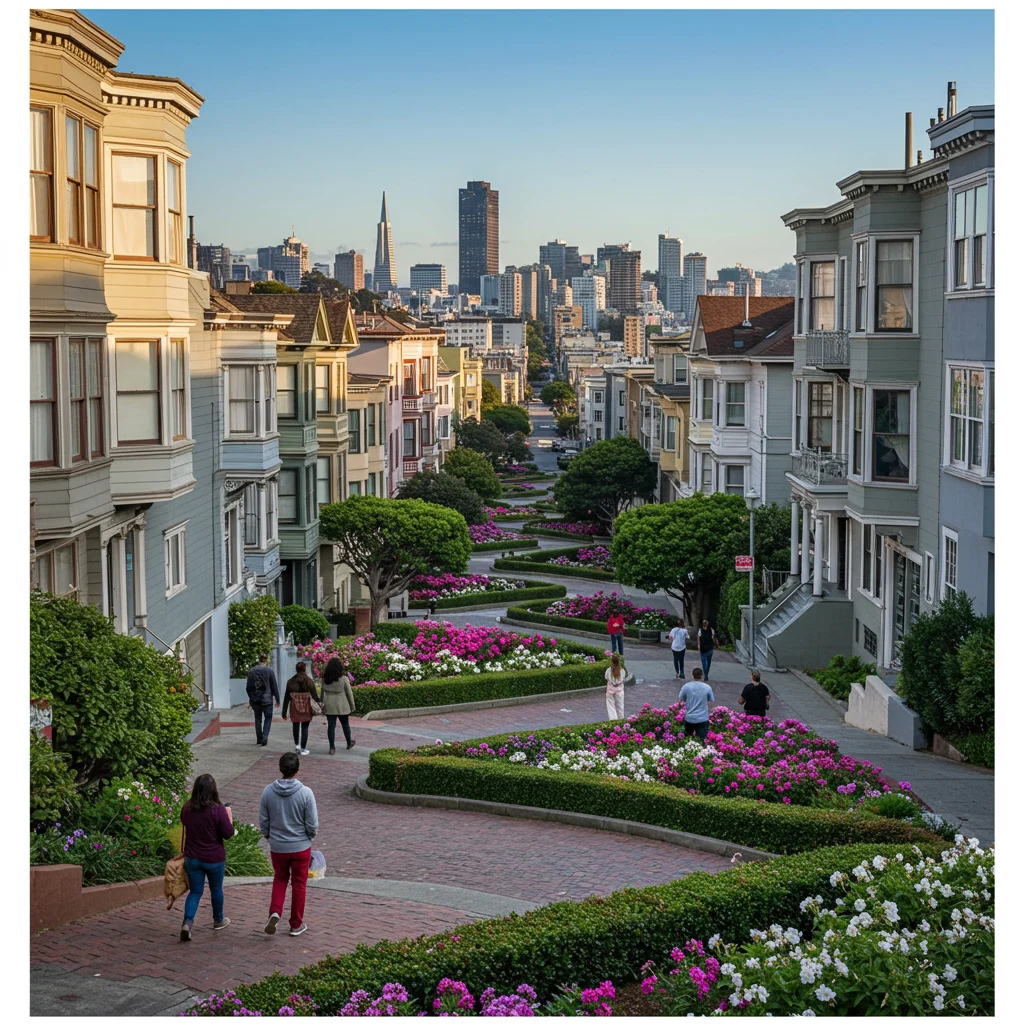
San Francisco’s Lombard Street is instantly recognizable for its steep, winding path and lush gardens. Many travelers consider it a must-see when visiting the city, drawn by its reputation as the “crookedest street in the world.” The street’s unique character, history, and picturesque setting have made it an iconic symbol of San Francisco.
In this article, we will provide a comprehensive guide to Lombard Street. From its origins and architecture to practical tips for your stroll, you will find everything you need to know to make the most of your visit. Whether you are planning a leisurely walk or a quick photo stop, this guide will help you appreciate why this famous street continues to fascinate millions of visitors each year.
What Makes Lombard Street an Iconic Landmark?
Lombard Street’s fame goes beyond its physical appearance. Its dramatic curves, vibrant flowerbeds, and stunning city views have made it a favorite among photographers and tourists alike. The street’s reputation has been cemented through popular culture and countless postcards, making it a symbol of San Francisco’s charm and quirkiness.
What sets Lombard Street apart is not just the physical challenge of its eight sharp turns, but also the way it embodies the city’s creative solutions to hilly terrain. The street’s design was shaped by necessity and ingenuity, resulting in a one-of-a-kind experience for visitors and residents. Its continued popularity speaks to the lasting impact of thoughtful urban design and community pride.
A Brief History of Lombard Street
The history of Lombard Street offers insight into how this unique landmark came to be. Over the years, the street has undergone many changes, both in its physical structure and its role in the city’s culture. Understanding its past helps us appreciate the street’s significance today.
Lombard Street’s transformation from a simple residential street to a world-famous attraction is a story of innovation, adaptation, and community spirit. Let’s look at the key moments that shaped its distinctive character.
How Did Lombard Street Become So Crooked?
Lombard Street’s famous curves were not part of the original design. In the early 1920s, the street’s steep 27-degree grade posed a serious challenge for vehicles and pedestrians. Residents struggled to navigate the hill, especially as automobiles became more common in San Francisco.
To address these issues, a local property owner named Carl Henry proposed adding a series of sharp switchbacks. This idea aimed to reduce the hill’s steepness and make it safer for cars. The solution was a winding, one-block section between Hyde and Leavenworth Streets, which quickly became a distinctive feature of the neighborhood.
The Origins of Its Unique Design
The implementation of Lombard Street’s switchbacks required careful planning and community cooperation. The city approved the design in 1922, and construction began soon after. The project not only improved safety but also added to the street’s visual appeal, thanks to the addition of flowerbeds and landscaping along the curves.
This innovative approach to urban design has since inspired similar solutions in other cities facing challenging terrain. The street’s blend of functionality and beauty set a precedent for integrating landscaping with infrastructure, a concept that remains relevant in city planning today. For those interested in how urban landscapes adapt to natural geography, you might find parallels in the winding roads of the Amalfi Coast, described in this guide to the Amalfi Coast.
Famous Moments in Lombard Street’s Past
Lombard Street has been the backdrop for numerous memorable events. Over the years, it has appeared in movies, hosted parades, and even served as a stage for car races and charity events. Each of these moments has contributed to its enduring popularity.
The street’s role in popular culture has only grown with time, attracting visitors who want to experience a piece of cinematic history. From classic films to contemporary celebrations, Lombard Street continues to be at the heart of San Francisco’s vibrant community life.
Where Is Lombard Street Located?
Lombard Street is situated in the Russian Hill neighborhood of San Francisco. This area is known for its steep streets, historic homes, and panoramic views of the city and bay. The most famous section of Lombard Street, with its eight hairpin turns, runs between Hyde Street at the top and Leavenworth Street at the bottom.
Understanding the street’s location is crucial for planning your visit. Russian Hill’s central position makes it accessible from many parts of the city, whether you are traveling by car, public transit, or on foot.
Navigating the Russian Hill Neighborhood
Russian Hill is one of San Francisco’s oldest and most picturesque neighborhoods. Its name comes from a Russian cemetery that once stood on its slopes. Today, the area is known for its charming residential streets, historic architecture, and sweeping city views.
Walking through Russian Hill, you will notice a mix of architectural styles, from Victorian and Edwardian homes to more modern residences. The neighborhood’s steep hills can be challenging, but they also provide some of the best vantage points in San Francisco. Lombard Street’s winding block is just one highlight in a district full of character and history.
Getting to Lombard Street: Transportation Options
Reaching Lombard Street is easy thanks to San Francisco’s extensive transportation network. Depending on your preferences and itinerary, you can arrive by car, public transit, bicycle, or on foot. Each option offers a different perspective on the city and the famous street.
In this section, we will outline the most convenient ways to get to Lombard Street and offer tips for a smooth journey. Whether you are a first-time visitor or a returning fan, you will find useful advice to suit your needs.
By Car: Tips for Drivers
Driving to Lombard Street can be an adventure in itself. The steep hills and narrow streets require careful navigation, especially during busy times. The most popular way to experience the “crookedest” section is to drive down from Hyde Street to Leavenworth Street, following the one-way route.
If you plan to drive, be prepared for slow-moving traffic, particularly during peak tourist hours. The speed limit is strictly enforced, and sharp turns require attention and patience. It is also important to note that only vehicles under a certain length are permitted due to the tight curves.
Public Transit Routes
San Francisco’s public transit system offers several convenient options for reaching Lombard Street. The Powell-Hyde cable car line is a favorite among visitors, as it drops you off right at the top of the famous block. Other Muni bus routes, such as the 30-Stockton and 45-Union/Stockton, stop a short walk away.
Using public transit can save you the hassle of finding parking and allows you to enjoy the city’s sights along the way. Cable cars, in particular, offer a classic San Francisco experience and provide excellent photo opportunities of the surrounding area.
Walking and Biking to Lombard Street
For those who enjoy exploring cities on foot or by bike, Lombard Street is accessible from several directions. Walking from nearby neighborhoods or transit stops gives you a chance to appreciate the architecture and gardens along the way. Be prepared for steep inclines, as Russian Hill lives up to its name.
Biking to Lombard Street can be challenging due to the hills and traffic, but experienced cyclists often enjoy the adventure. Bike racks are available nearby, making it easy to secure your bicycle while you visit the street.
Parking Near Lombard Street: What You Need to Know
Parking near Lombard Street can be limited, especially during peak hours and weekends. Most street parking is metered and subject to time restrictions. It is a good idea to arrive early in the day or consider using a parking garage in the area.
When parking, always check signs for regulations and avoid blocking driveways or access points. Some local residents rent out private parking spots, which can be a convenient option if public spaces are full. Planning ahead will help you avoid frustration and make the most of your visit.
What to Expect When Strolling Down Lombard Street
Walking down Lombard Street is a unique experience that combines history, architecture, and stunning views. The famous block is lined with vibrant flowers and well-maintained gardens, making it one of the most photogenic spots in San Francisco.
During your stroll, you will encounter tourists, locals, and plenty of opportunities to stop and take in the scenery. The walk is short but memorable, offering a close-up look at the street’s distinctive curves and landscaping.
How Long Is the Walk?
The walk down Lombard Street’s crooked block is relatively brief, covering just one city block between Hyde and Leavenworth Streets. Most visitors complete the walk in about 5 to 10 minutes, depending on how often they stop for photos or to admire the gardens.
While the distance is short, the steep incline can make the walk feel more strenuous, especially when climbing back up. Take your time and enjoy the details that make this street so special.
Is Lombard Street Accessible for Everyone?
Lombard Street’s steep grade and uneven pavement can present challenges for some visitors. While the sidewalks are well-maintained, they include stairs and slopes that may not be suitable for wheelchairs or those with mobility issues.
For visitors with accessibility needs, the best views can often be enjoyed from the top or bottom of the street. There are also accessible viewing spots nearby where you can appreciate the street’s beauty without navigating the steep path.
Best Times to Visit Lombard Street
Timing your visit to Lombard Street can greatly enhance your experience. The street’s appearance changes throughout the year, and the number of visitors fluctuates depending on the season and time of day. Planning ahead will help you avoid crowds and see the street at its most beautiful.
Consider your priorities, whether they are capturing photos, enjoying the gardens in bloom, or simply experiencing a quieter atmosphere. Each season offers its own advantages and unique perspectives.
Seasonal Changes: When Are the Flowers in Bloom?
Lombard Street is famous for its lush gardens, especially the vibrant hydrangeas that line the curves. The best time to see the flowers in full bloom is typically late spring through early summer, when the gardens reach their peak display.
During this period, the street is awash with color, making it a favorite time for photographers and garden enthusiasts. Fall and winter bring a different charm, with fewer crowds and a more tranquil atmosphere, though the flowers may not be as prominent.
Avoiding Crowds: Early Morning vs. Late Afternoon
Lombard Street attracts large numbers of visitors, especially during weekends and holidays. If you prefer a quieter experience, consider arriving early in the morning or later in the afternoon. These times offer softer lighting for photos and a more relaxed pace for your stroll.
Midday tends to be the busiest, with tour buses and crowds filling the sidewalks. Planning your visit for off-peak hours will help you enjoy the street’s charm without feeling rushed or overwhelmed.
The Architecture and Landscaping of Lombard Street
One of the most remarkable features of Lombard Street is its blend of distinctive architecture and carefully curated landscaping. The street’s eight sharp turns are framed by beautiful gardens and historic homes, creating a setting that is both functional and visually stunning.
Each curve reveals new perspectives on the city and the surrounding neighborhood. The combination of Victorian and Edwardian architecture with lush plantings makes Lombard Street a highlight for those interested in both history and design.
The Eight Hairpin Turns Explained
Lombard Street’s signature feature is its series of eight sharp hairpin turns, designed to reduce the steepness of the hill. These switchbacks make the street safer for vehicles and pedestrians while creating a unique visual rhythm.
The turns are bordered by red brick paving and flanked by colorful gardens, making the entire block a feast for the eyes. Navigating these curves is an experience in itself, whether you are walking or driving.
The Famous Hydrangeas and Gardens
The gardens along Lombard Street are maintained by local residents and city staff, resulting in a lush, ever-changing display. Hydrangeas are the star attraction, blooming in shades of pink, blue, and purple during the spring and summer months.
The landscaping also includes other flowering plants, shrubs, and groundcovers that add texture and color throughout the year. These gardens not only enhance the street’s beauty but also help prevent erosion on the steep hillside. If you appreciate thoughtfully designed urban green spaces, you might also enjoy reading about the gardens of Venice, highlighted in this Venice walking tour guide.
Victorian and Edwardian Homes Along Lombard
The homes lining Lombard Street are prime examples of San Francisco’s historic architecture. Many date back to the late 19th and early 20th centuries, featuring ornate facades, bay windows, and detailed woodwork.
These residences add to the street’s charm and provide a glimpse into the city’s architectural heritage. The combination of historic homes and modern landscaping creates a unique visual tapestry that draws visitors from around the world.
Photographing Lombard Street: Tips and Best Spots
Lombard Street is one of the most photographed locations in San Francisco. Its dramatic curves, colorful gardens, and sweeping city views make it a favorite subject for amateur and professional photographers alike.
Capturing the perfect shot requires some planning, as angles, lighting, and crowds can all affect your results. In this section, we offer tips for finding the best views and making the most of your photo opportunities.
Where Are the Best Views?
The most popular viewpoint is at the bottom of Lombard Street, where you can look up and see the full length of the winding block. This perspective highlights the curves, gardens, and surrounding homes, making it a classic shot.
Another excellent vantage point is from the top of the street, where you can capture panoramic views of the city, including Coit Tower and the San Francisco Bay. Both spots offer unique perspectives and are easily accessible by foot or public transit.
Tips for Capturing the Perfect Photo
To get the best photos of Lombard Street, consider visiting during the early morning or late afternoon, when the light is softer and shadows are less harsh. These times also tend to be less crowded, giving you more freedom to compose your shots.
Experiment with different angles, including wide shots of the entire street and close-ups of the flowers and architectural details. Patience is key, as waiting for a break in the crowds can lead to more striking images.
Popular Photo Angles and Hidden Gems
Popular angles include standing at the bottom of the street and shooting upward to capture the full sequence of curves. From the top, you can include the city skyline or bay in the background for a broader context.
Hidden gems for photography include side streets and staircases that offer unique perspectives. Exploring these less-traveled paths can yield original shots that stand out from typical tourist photos.
Drone Photography: Rules and Recommendations
Drone photography has become increasingly popular, but it is important to follow local regulations. In San Francisco, drone use is restricted in many public areas, including around Lombard Street, due to safety and privacy concerns.
If you plan to use a drone, check city ordinances and obtain any necessary permits. Be respectful of residents and other visitors, and prioritize safety at all times. For more tips on capturing unique urban landscapes, you might find inspiration in guides such as this Miami photography tour.
Local Legends and Fun Facts About Lombard Street
Lombard Street is surrounded by stories and myths that add to its allure. From its reputation as the “crookedest street in the world” to appearances in movies and TV shows, the street has become a cultural icon in its own right.
Learning about these legends and facts can enhance your visit and provide fun anecdotes to share with friends and family.
Is It Really the Crookedest Street in the World?
While Lombard Street is often called the “crookedest street in the world,” other streets claim even tighter turns. For example, Vermont Street in San Francisco’s Potrero Hill neighborhood has more pronounced curves, though it is less visually striking.
Despite this, Lombard Street holds the title in popular imagination, thanks to its beautiful landscaping and central location. The combination of curves, flowers, and history has made it the most famous example of a winding urban street.
Movies and TV Shows Featuring Lombard Street
Lombard Street has appeared in numerous films and television shows, cementing its place in pop culture. Notable appearances include Alfred Hitchcock’s “Vertigo,” the animated film “Inside Out,” and several car chase scenes in classic movies.
These appearances have helped introduce the street to audiences worldwide, inspiring many to visit in person. The cinematic legacy of Lombard Street adds another layer of interest for fans of film and television.
Famous Residents and Anecdotes
Over the years, Lombard Street has been home to artists, writers, and local personalities who have contributed to its unique character. While no single celebrity is closely associated with the street, several notable San Franciscans have lived in the area.
Residents often share stories of unusual events, from impromptu concerts to creative holiday decorations. These anecdotes add to the sense of community and make Lombard Street more than just a tourist destination.
Events and Festivals on Lombard Street
Lombard Street is not just a static landmark; it is a lively venue for community events and celebrations. Throughout the year, the street hosts a variety of gatherings, from annual festivals to informal parades and neighborhood parties.
Participating in or witnessing these events can provide a deeper connection to the local culture and community spirit that define Lombard Street.
Annual Celebrations and Street Closures
Several times a year, Lombard Street is closed to vehicle traffic to accommodate special events. These occasions often feature live music, food vendors, and family-friendly activities, transforming the street into a festive pedestrian zone.
Street closures are typically announced in advance, allowing visitors to plan their trips accordingly. Attending during one of these celebrations offers a unique perspective and a chance to interact with locals.
Parades and Community Gatherings
Parades and community gatherings are another highlight of Lombard Street’s event calendar. From holiday processions to neighborhood block parties, these events bring residents and visitors together in a spirit of camaraderie.
Such gatherings often feature performances, art installations, and opportunities to learn about the street’s history. They provide a lively backdrop for your visit and a chance to experience San Francisco’s vibrant community life.
Safety Tips for Your Lombard Street Stroll
Safety is an important consideration when visiting Lombard Street, especially given its steep slopes and heavy foot traffic. With a little preparation, you can enjoy a safe and pleasant experience during your stroll.
In this section, we offer practical advice for navigating the street’s curves, dealing with traffic, and ensuring accessibility for all visitors.
Staying Safe on the Curves
The sharp turns and steep incline of Lombard Street require caution, whether you are walking or driving. Always use the designated sidewalks and avoid crossing the brick roadway except at marked points.
If you are driving, keep your speed low and be prepared for sudden stops. Pedestrians should watch for vehicles and be mindful of uneven pavement, especially after rain or during busy times.
Dealing with Traffic and Pedestrians
Lombard Street can become crowded, particularly during peak tourist hours. Be patient and courteous, giving right-of-way to those who need extra time or space. Drivers should yield to pedestrians at crosswalks and avoid blocking intersections.
For the best experience, avoid walking in the roadway and stick to the sidewalks. Staying alert and aware of your surroundings will help you navigate the crowds safely. If you enjoy urban walking tours, you may appreciate the safety tips found in this Old San Juan walking guide.
Accessibility for Seniors and Kids
Seniors and families with young children should take extra care on Lombard Street’s steep slopes. Handrails are available along the sidewalks, and there are frequent resting spots where you can pause and enjoy the view.
Strollers and wheelchairs may have difficulty navigating the stairs, so plan accordingly. Accessible viewing areas at the top and bottom of the street offer excellent alternatives for those who prefer to avoid the climb.
Nearby Attractions to Explore After Your Visit
Lombard Street’s central location makes it an excellent starting point for discovering other San Francisco landmarks. From historic sites to world-famous attractions, there are plenty of options within walking distance or a short transit ride.
Spending time in the surrounding neighborhoods can enrich your visit and provide a broader perspective on the city’s culture and history.
Coit Tower: A Short Walk Away
Coit Tower is one of San Francisco’s most recognizable landmarks, located atop Telegraph Hill. The tower offers panoramic views of the city and bay, along with impressive murals depicting California’s history.
A short walk from Lombard Street, Coit Tower is a great next stop for visitors interested in art, architecture, and sweeping vistas. The surrounding Pioneer Park also offers shaded paths and picnic spots.
Ghirardelli Square and Fisherman’s Wharf
Just a few blocks from Lombard Street, you will find Ghirardelli Square, home to the famous chocolate company and a variety of shops and restaurants. The square’s historic brick buildings and waterfront setting make it a popular destination for both locals and tourists.
From there, it is a short stroll to Fisherman’s Wharf, where you can enjoy fresh seafood, visit the sea lions at Pier 39, or take a ferry to Alcatraz Island. These attractions offer a lively contrast to the tranquility of Lombard Street.
Cable Cars and Other San Francisco Icons
San Francisco’s cable cars are an essential part of the city’s identity. The Powell-Hyde line runs right past the top of Lombard Street, making it easy to combine your visit with a classic cable car ride.
Other nearby icons include North Beach’s Italian restaurants, Chinatown’s vibrant markets, and the Embarcadero’s waterfront promenade. Each offers a unique glimpse into the city’s diverse culture and history. For those who enjoy exploring cities with character, you might also be interested in reading about vibrant tours in Miami, as described in this Miami guide.
Dining and Shopping Near Lombard Street
The area around Lombard Street is home to a wide range of dining and shopping options. Whether you are looking for a quick snack, a leisurely meal, or a unique souvenir, you will find plenty of choices within walking distance.
From cozy cafes to upscale boutiques, the neighborhood offers something for every taste and budget. Exploring local businesses can add another layer of enjoyment to your visit.
Best Cafes and Restaurants in the Area
Several popular cafes and restaurants are located near Lombard Street, offering everything from casual fare to fine dining. North Beach, known as San Francisco’s “Little Italy,” is just a short walk away and features a variety of Italian bakeries, pizzerias, and espresso bars.
For a more upscale experience, consider one of the neighborhood’s acclaimed seafood or steak restaurants. Many establishments offer outdoor seating, allowing you to enjoy the city’s mild climate and people-watching opportunities.
Souvenir Shops and Local Boutiques
Souvenir shops near Lombard Street offer a range of keepsakes, from postcards and magnets to locally made crafts. These shops are a convenient place to pick up gifts or mementos of your visit.
For those interested in unique finds, local boutiques in Russian Hill and nearby neighborhoods feature clothing, jewelry, and art by San Francisco designers. Supporting these businesses helps sustain the city’s creative community.
Frequently Asked Questions About Lombard Street
Many visitors have practical questions about what to expect when visiting Lombard Street. In this section, we address some of the most common inquiries to help you plan a smooth and enjoyable trip.
From driving regulations to pet policies, you will find clear answers to make your visit more convenient.
Can You Drive Down Lombard Street?
Yes, you can drive down Lombard Street’s crooked block, but only in one direction from Hyde Street down to Leavenworth Street. The street is open to vehicles during most hours, though it may be closed during special events or for maintenance.
Keep in mind that traffic can be heavy, especially during peak tourist seasons. Only vehicles under a certain length are permitted, and the speed limit is strictly enforced for safety.
Is There a Fee to Visit or Walk the Street?
There is no fee to visit or walk down Lombard Street. The street is a public thoroughfare, open to all visitors year-round. Special events or guided tours may have their own fees, but access to the street itself is free.
Donations to local preservation efforts are always appreciated, as they help maintain the gardens and infrastructure that make Lombard Street so special.
Are Pets Allowed on Lombard Street?
Pets are welcome on Lombard Street, provided they are leashed and under control at all times. Be mindful of crowds and traffic, and always clean up after your pet to help keep the area pleasant for everyone.
Some nearby parks and cafes are also pet-friendly, making it easy to include your furry companions in your visit.
Sustainability and Preservation Efforts
Maintaining Lombard Street’s beauty and functionality requires ongoing effort from residents, city officials, and visitors. Sustainability and preservation are key priorities, ensuring that future generations can enjoy this iconic landmark.
In this section, we highlight some of the strategies and initiatives that help protect Lombard Street’s unique character.
How Residents and City Officials Protect Lombard Street
Local residents and city officials work together to preserve Lombard Street’s gardens, infrastructure, and historic homes. Regular maintenance, landscaping, and repairs are essential to keeping the street safe and attractive.
Community organizations often organize clean-up days and fundraising events to support these efforts. Public awareness campaigns also encourage responsible behavior among visitors, helping to minimize wear and tear on the street.
Managing Tourist Impact
Tourism brings both benefits and challenges to Lombard Street. Managing the flow of visitors, reducing traffic congestion, and minimizing environmental impact are ongoing concerns for the community.
Measures such as time-limited street closures, improved signage, and enhanced public transit options help balance the needs of residents and tourists. Collaboration between stakeholders is essential to maintaining the street’s appeal while protecting its delicate ecosystem. Lessons from other popular destinations, like those shared in this Venice city guide, can offer valuable insights for sustainable tourism.
Future Plans for Lombard Street
Lombard Street’s future will be shaped by ongoing dialogue between city officials, residents, and visitors. Plans for improvements focus on sustainability, accessibility, and preserving the street’s unique character.
Community input plays a vital role in shaping policy and guiding future developments. In this section, we look at proposed changes and the challenges of balancing tourism with local life.
Proposed Changes and Community Input
Recent proposals for Lombard Street include enhanced pedestrian walkways, improved landscaping, and traffic management solutions. City planners regularly seek input from residents and stakeholders to ensure that any changes reflect the community’s needs and values.
Public forums and surveys provide opportunities for feedback, helping to create a shared vision for the street’s future. Transparent decision-making and ongoing communication are key to successful planning.
Balancing Tourism and Local Life
Striking a balance between welcoming visitors and maintaining quality of life for residents is a constant challenge. Efforts to manage crowds, reduce noise, and preserve the street’s historic character are ongoing.
By fostering a sense of shared responsibility, the community can continue to welcome tourists while protecting the qualities that make Lombard Street a beloved landmark. Other cities facing similar challenges, such as those discussed in this Miami travel article, offer useful perspectives on achieving this balance.
Conclusion: Why Lombard Street Remains a Must-See
Lombard Street continues to enchant visitors with its unique curves, vibrant gardens, and rich history. Its blend of innovation, beauty, and community spirit make it a true San Francisco icon.
We hope this guide has provided you with valuable insights and practical tips for your visit. For more travel inspiration and expert advice, be sure to check out Tour Cuts for your next adventure.