
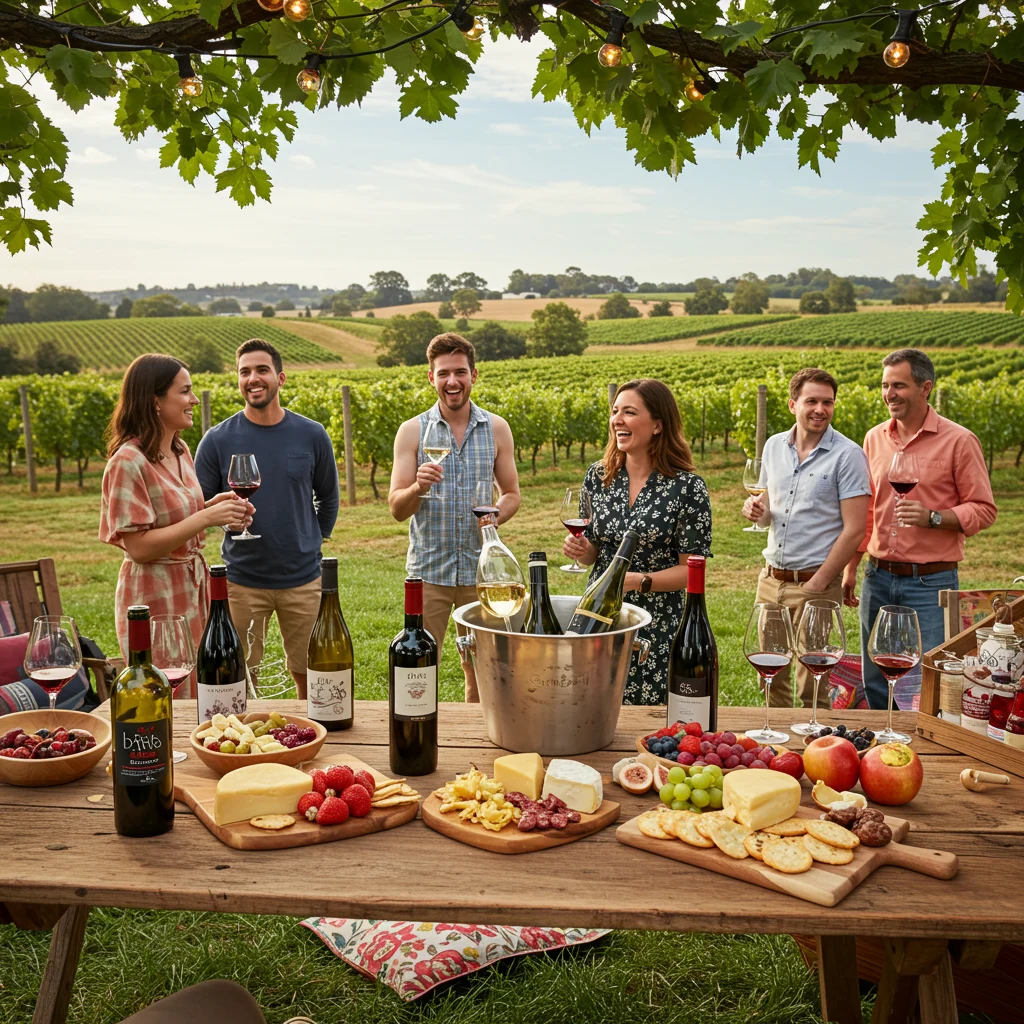


Introduction: Discover the Best Wine Tastings Near You
Wine tasting has become a favorite local activity for many, offering both education and enjoyment. Whether you are a seasoned enthusiast or just starting to appreciate the complexities of wine, finding a tasting near you can provide a memorable experience. With more wineries, urban tasting rooms, and unique events popping up, there’s never been a better time to sip and swirl your way through your own neighborhood.
In this guide, we will share everything you need to know about wine tastings nearby. From how to find the best venues to what to expect at your first tasting, we cover practical tips and insider knowledge to help you make the most of every glass. Let’s raise a toast to local adventures and discover why wine tastings are an experience you’ll love.
Why Wine Tastings Are the Perfect Local Adventure
Wine tastings offer an engaging way to connect with local culture and the people behind your favorite bottles. They provide opportunities to learn about winemaking, try new varietals, and support local businesses. Unlike large festivals or distant tours, local tastings allow you to enjoy a sophisticated outing without traveling far from home.
These events are also highly social, making them ideal for connecting with friends or meeting fellow wine lovers. For those interested in culture and history, many tasting venues incorporate stories about the region, much like how walking tours such as Wander Through History on an Old San Juan Stroll bring local heritage to life. Wine tastings blend education, leisure, and community in a way few other local activities can match.
What Happens at a Wine Tasting?
Attending a wine tasting typically involves sampling several wines in a guided or self-directed format. The experience can vary by venue, but most tastings include an introduction to the wines, background on the winery, and insights into tasting techniques. You may also receive tasting notes or food pairings to enhance your understanding of each wine.
Some tastings are structured, with a host leading you through each pour, while others are more casual, allowing you to move at your own pace. The goal is to appreciate the unique qualities of each wine and expand your palate. Most tastings encourage questions and discussion, making them both educational and interactive.
How to Find Wine Tastings Near You
Finding the perfect wine tasting nearby is easier than ever thanks to technology and community resources. With a little research, you can uncover hidden gems in your area, from boutique vineyards to bustling urban wine bars. Below, we explore several effective methods for locating great tastings close to home.
Using Online Directories and Apps
Online directories and wine-focused apps are valuable tools for discovering local tastings. Platforms such as Wine-Searcher, Vivino, and Eventbrite list upcoming events, complete with reviews and venue details. These resources allow you to compare options, read about others’ experiences, and even book reservations online.
Many apps also include interactive maps, making it simple to find tastings based on your location or preferred varietals. For those who appreciate the convenience of digital planning, these platforms streamline the process and help you stay informed about new events in your area.
Checking Local Wineries and Vineyards
Directly reaching out to nearby wineries and vineyards is another excellent way to find tastings. Most wineries offer regular events, tours, and special tastings for visitors. Their websites and newsletters often provide up-to-date information about schedules, featured wines, and ticket availability.
Visiting a winery’s tasting room gives you the chance to interact with winemakers and staff, gaining insight into their process and philosophy. Many venues also offer exclusive tastings or barrel samples not available elsewhere. This personal connection can make your outing feel especially rewarding.
Following Wine Events on Social Media
Social media platforms such as Instagram and Facebook are essential for staying in the loop about wine events. Wineries, wine bars, and event organizers regularly promote tastings, pop-ups, and limited-time experiences on their feeds. By following your favorite spots, you can receive instant updates and even interact with hosts or fellow attendees.
Many venues use social media stories to share behind-the-scenes looks, live videos, and real-time announcements. This immediacy makes it easy to discover last-minute tastings or unique collaborations, giving you more options to enjoy wine in your community.
What to Expect at Your First Wine Tasting
Your first wine tasting can feel both exciting and a little intimidating. Knowing what to expect helps you relax and enjoy the experience fully. Most venues strive to create a welcoming atmosphere, regardless of your knowledge level. Below, we outline key aspects of a typical wine tasting and how to prepare for them.
Wine Tasting Etiquette: Do’s and Don’ts
Understanding basic etiquette ensures a positive experience for you and others. It’s customary to listen to the host’s instructions and respect the pace of the tasting. Avoid wearing strong fragrances, as they can interfere with the aroma of the wine. It’s also polite to engage with staff and fellow guests, asking questions or sharing impressions.
Do not feel pressured to finish every pour. Spitting or pouring out wine is perfectly acceptable, especially if you are sampling several varieties. This practice helps you stay focused and appreciate each wine’s unique qualities.
How Should You Dress for a Wine Tasting?
Dress codes for wine tastings vary by venue, but smart-casual attire is generally appropriate. Comfortable shoes are a good choice, particularly if the tasting involves walking through vineyards or standing for extended periods. It’s wise to avoid white or light-colored clothing, as spills can happen.
Some venues may have specific guidelines, especially for special events or private tastings. When in doubt, check the event details or ask the host for recommendations. Dressing appropriately helps you feel confident and comfortable during your visit.
How to Taste Wine Like a Pro
Wine tasting is both an art and a science, with simple techniques that enhance your appreciation of each glass. Even beginners can quickly learn the basic steps and start identifying subtle differences between wines. Below, we break down the key methods used by professionals and enthusiasts alike.
The Five S’s of Wine Tasting
Experts often refer to the “Five S’s” when evaluating wine: See, Swirl, Sniff, Sip, and Savor. Start by observing the wine’s color and clarity, which can offer clues about its age and grape variety. Next, swirl the wine gently in your glass to release its aromas.
Bring the glass to your nose and take a deep sniff, noting any scents you recognize. When you sip, let the wine move across your palate, noticing its texture, flavors, and structure. Finally, savor the finish, paying attention to how long the flavors linger after swallowing or spitting.
How to Evaluate Aroma and Flavor
Evaluating aroma and flavor is central to wine appreciation. Professionals often describe scents in terms of fruit, floral, herbal, or earthy notes. Try to identify specific fruits, spices, or even minerals as you sniff the wine. This process sharpens your senses and helps you compare different varietals.
On the palate, focus on the balance between sweetness, acidity, tannins, and alcohol. Each element contributes to the wine’s overall impression. With practice, you’ll become more confident in describing what you taste and selecting wines you enjoy.
How to Cleanse Your Palate Between Wines
Palate fatigue can make it difficult to appreciate each new wine. To refresh your taste buds, take small sips of water or nibble on plain crackers between pours. Avoid foods with strong flavors, as they can overwhelm your senses and make it harder to distinguish subtle notes.
Some tastings provide palate cleansers such as mild cheeses or fruit. These can help reset your senses and prepare you for the next wine. Taking breaks and pacing yourself ensures you get the most from the experience.
Types of Wine Tastings You Can Experience
Wine tastings come in many formats, each offering a unique atmosphere and learning opportunities. Whether you prefer expert guidance or a more casual approach, there’s a tasting style to suit every preference. Let’s explore some of the most popular options available at local venues.
Guided Tastings with a Sommelier
Guided tastings led by a sommelier or wine expert provide in-depth knowledge and personalized recommendations. These sessions often include detailed explanations of each wine’s origin, production methods, and flavor profile. Sommelier-led tastings are ideal for those who want to deepen their understanding of wine.
During these events, you can ask questions and receive tailored advice based on your preferences. This interactive format is especially valuable for both novices and seasoned enthusiasts looking to expand their horizons.
Self-Guided Wine Flights
Self-guided wine flights offer a flexible and relaxed approach to tasting. Venues present a selection of wines, typically grouped by style or region, and provide tasting notes for reference. You can sample each wine at your own pace and compare them side by side.
This format is perfect for casual outings or when you want to explore a variety of wines without structured commentary. Many urban wine bars and tasting rooms specialize in self-guided flights, making them accessible and convenient.
Food and Wine Pairing Events
Food and wine pairing events elevate the tasting experience by matching each pour with complementary dishes. These events highlight how different flavors interact and enhance one another. You might sample cheeses, charcuterie, or even multi-course meals alongside curated wine selections.
Pairing events are both educational and indulgent, helping you discover new favorites and refine your palate. They are especially popular for special occasions or date nights, providing a memorable culinary adventure.
Blind Tastings: Can You Guess the Wine?
Blind tastings challenge you to identify wines without knowing their labels or origins. This format removes preconceived notions and encourages honest evaluation based solely on taste and aroma. Participants often find surprises, gaining new appreciation for lesser-known varietals.
Blind tastings can be friendly competitions or simply a fun way to test your senses. They are popular at both professional events and casual gatherings, offering a playful twist on traditional wine tasting.
Private vs. Group Tastings: Which Is Right for You?
Private tastings offer an intimate experience, often tailored to your interests and led by a dedicated host. These sessions are ideal for small groups, special celebrations, or those seeking a more personalized approach. You may receive exclusive pours or behind-the-scenes access during a private tasting.
Group tastings, on the other hand, are social and lively, bringing together larger parties to share the experience. They provide opportunities to meet new people and compare notes, making them perfect for networking or team-building. Consider your preferences and goals when choosing between private and group settings.
Top Local Wine Tasting Venues to Explore
Your area likely offers a diverse range of wine tasting venues, from scenic wineries to chic urban bars. Each venue has its own atmosphere and specialties, ensuring there’s something for every taste. Here are some of the top spots to consider for your next outing.
Wineries with Scenic Views
Wineries surrounded by picturesque landscapes create a stunning backdrop for tastings. These venues often feature outdoor patios, gardens, or vineyard tours, allowing you to enjoy nature alongside your wine. The setting enhances the experience and provides plenty of photo opportunities.
Many scenic wineries also offer seasonal events, live music, or picnic areas for guests. Spending a day at a beautiful winery rivals other outdoor adventures, such as snorkeling hidden reefs or exploring historic neighborhoods, like those highlighted in Puerto Rico’s Secret Reefs: Snorkel the Hidden Gems.
Urban Wine Bars and Tasting Rooms
Urban wine bars and tasting rooms bring the world of wine into the heart of the city. These venues often feature extensive wine lists, knowledgeable staff, and a lively atmosphere. They are ideal for after-work gatherings or weekend meetups with friends.
Many urban bars focus on local producers, introducing you to wines from your region. Some even host themed nights, guest winemakers, or educational workshops to keep the experience fresh and engaging.
Boutique Vineyards Off the Beaten Path
Boutique vineyards offer a more intimate and personalized wine tasting experience. These smaller producers often focus on unique varietals or sustainable practices, giving you a chance to try something different. Visits to boutique vineyards can feel like a hidden treat, away from the crowds.
Staff at these venues are usually passionate and eager to share their knowledge, making the experience both welcoming and informative. Exploring lesser-known spots can be as rewarding as uncovering local secrets in cities, much like the adventures described in Miami Uncovered: Vibrant Tours Beyond the Beach.
Unique Wine Tasting Experiences Near You
Beyond traditional tastings, many venues offer creative events that blend wine with art, education, and entertainment. These unique experiences add variety and excitement to your wine journey. Below are some popular options to consider for a memorable outing.
Wine and Paint Nights
Wine and paint nights combine artistic expression with wine tasting in a relaxed, social setting. Guests receive step-by-step painting instruction while sampling a curated selection of wines. These events are popular for groups, date nights, or anyone looking to try something new.
The creative atmosphere encourages conversation and laughter, making it easy to connect with others. No artistic experience is necessary, and you’ll leave with both a finished painting and new wine discoveries.
Winemaker-Led Barrel Tastings
Barrel tastings provide a rare opportunity to sample wines before they are bottled and released. Led by the winemaker, these events offer insights into the aging process and the decisions that shape each vintage. Tasting wine straight from the barrel reveals flavors and textures not found in finished bottles.
Participants often gain a deeper appreciation for the craft and complexity of winemaking. These sessions may also include exclusive access to limited releases or the chance to purchase wine futures.
Vineyard Tours with Tastings
Many wineries offer guided tours of their vineyards, followed by a tasting session. These tours provide a behind-the-scenes look at grape growing, harvesting, and production. Walking through the vines and learning about the land adds context to each glass you sample.
Vineyard tours are ideal for those who want a comprehensive wine experience, blending education, scenery, and tasting. The combination of outdoor activity and wine appreciation is similar to Venice in a Day: Explore the City of Canals by Tour, where sightseeing and culture go hand in hand.
Seasonal and Themed Wine Events
Seasonal and themed events bring extra excitement to the wine calendar. These may include harvest festivals, holiday parties, or tastings focused on specific grape varieties or regions. Themed events often feature special menus, live entertainment, or guest speakers to enhance the experience.
Attending these events is a great way to celebrate milestones, try new wines, and enjoy a festive atmosphere. Many venues announce their themed tastings on social media, so be sure to stay connected for the latest updates.
How to Choose the Best Wine Tasting for Your Preferences
With so many options available, choosing the right wine tasting can feel overwhelming. Considering your personal preferences and goals helps narrow down the choices and ensures a satisfying experience. Here are some key factors to guide your decision.
Are You a Red, White, or Sparkling Wine Lover?
Your preferred wine style plays a big role in selecting the right tasting. Some venues specialize in reds, whites, or sparkling wines, while others offer a balanced selection. If you’re curious about a specific varietal or region, look for events that focus on those interests.
Don’t be afraid to try something outside your comfort zone. Tastings are designed to introduce you to new flavors and expand your palate. Asking the host for recommendations can also lead to pleasant surprises.
Do You Prefer Intimate or Social Settings?
Consider whether you enjoy quiet, intimate experiences or lively, social gatherings. Private tastings provide a more personal touch, with one-on-one attention from staff or winemakers. These are ideal for special occasions or learning in depth about particular wines.
Group tastings, on the other hand, offer a chance to mingle and share the experience with others. They often feature interactive elements, games, or educational presentations. Think about the atmosphere that best suits your mood and goals for the outing.
Pairing Wine Tastings with Local Cuisine
Food and wine are natural partners, and many tastings highlight local cuisine to complement their pours. Pairing wine with carefully selected dishes enhances both flavors, creating a more memorable experience. Below, we explore how to make the most of food and wine at your next tasting.
Best Food Pairings at Wine Tastings
Classic wine pairings include cheese, charcuterie, and fresh bread, but many tastings go beyond the basics. Some venues collaborate with local chefs to create small plates or tasting menus tailored to specific wines. The right pairing can bring out hidden notes in both the food and the wine.
Pay attention to acidity, sweetness, and texture when matching wines with dishes. For example, crisp whites pair well with seafood, while rich reds complement grilled meats. Experimenting with combinations helps you find new favorites and deepen your appreciation for both food and wine.
Local Restaurants with Wine Tasting Menus
Many restaurants now offer wine tasting menus or curated flights to accompany their dishes. These experiences allow you to sample several wines alongside a multi-course meal, guided by expert pairings. Dining out with a wine tasting menu can be a special treat for celebrations or gatherings with friends.
Restaurants often feature local wines, supporting nearby producers and showcasing regional flavors. For those who enjoy culinary adventures, tasting menus provide a seamless blend of food and wine in one setting, much like the thoughtfully designed tours detailed in From Art Deco to Ocean Drive: Touring Miami Right.
Tips for Planning Your Wine Tasting Outing
Planning ahead ensures your wine tasting outing goes smoothly and is as enjoyable as possible. From making reservations to arranging transportation, a little preparation can make a big difference. Here are some practical tips to help you get started.
How to Book in Advance
Many popular wine tastings require reservations, especially during weekends or special events. Booking in advance guarantees your spot and allows the venue to prepare for your visit. Check the winery or event website for details on how to reserve, and confirm your booking a few days before your outing.
Some venues offer online booking, while others may require a phone call or email. If you’re planning for a group, ask about private sessions or group discounts. Early planning also gives you access to limited releases or exclusive experiences.
Transportation and Safe Rides
Responsible transportation is essential when attending wine tastings. Consider using ride-sharing services, taxis, or arranging a designated driver to ensure everyone stays safe. Some wineries partner with local transportation providers or offer shuttle services for guests.
If you’re visiting multiple venues in one day, plan your route in advance and allow plenty of time between tastings. Prioritizing safety lets you relax and enjoy each glass without worry.
What to Bring (and What to Leave at Home)
Packing light is usually best for wine tastings. Bring a valid ID, a small notebook for tasting notes, and a water bottle to stay hydrated. Many venues provide glasses, but you can bring your own if you prefer a particular style.
Leave strong perfumes, large bags, and outside food or drink at home, as these can detract from the experience. Comfortable shoes and weather-appropriate clothing will keep you comfortable throughout your visit.
Wine Tasting for Groups and Special Occasions
Wine tastings are a popular choice for celebrating milestones and bringing people together. Many venues offer packages or custom experiences for groups, making them ideal for birthdays, anniversaries, and more. Below, we highlight some creative ways to enjoy wine tasting with others.
Celebrating Birthdays and Anniversaries
Marking a special occasion with a wine tasting adds sophistication and fun to your celebration. Many wineries and tasting rooms offer private rooms, personalized menus, or even custom labels for your event. You can tailor the experience to match your group’s tastes and preferences.
Consider pairing the tasting with a meal, live music, or a scenic tour of the grounds. These added touches create lasting memories and make your celebration truly unique.
Corporate and Team-Building Wine Events
Wine tastings are increasingly popular for corporate outings and team-building activities. They provide a relaxed, interactive environment where colleagues can connect outside the office. Many venues offer guided tastings, educational workshops, or friendly competitions to engage participants.
Customizable packages allow you to focus on specific themes, such as regional wines or food pairings. These events foster communication, collaboration, and a sense of camaraderie among team members.
Family-Friendly Wine Tastings: Are They Possible?
Some wineries and tasting rooms welcome families, offering activities for children or non-alcoholic options for designated drivers. Look for venues with outdoor spaces, picnic areas, or games to keep younger guests entertained. Check event details ahead of time to confirm family-friendly policies.
Balancing adult enjoyment with family needs can make wine tasting accessible to everyone. Just as some tours cater to all ages, like those described in Miami Uncovered: Vibrant Tours Beyond the Beach, thoughtful planning ensures a pleasant outing for your entire group.
What Wines Are Most Popular at Local Tastings?
Wine trends are always evolving, and local tastings often showcase both classic favorites and emerging styles. Understanding which wines are in demand can help you choose tastings that match your interests. Here, we look at some of the most popular options available.
Trending Varietals in Your Area
Many regions have signature grape varieties or wine styles that reflect their climate and history. For example, cool climates may excel in Pinot Noir and Chardonnay, while warmer areas produce robust Cabernet Sauvignon and Zinfandel. Local tastings often highlight these specialties, giving you a taste of the region’s best offerings.
Keep an eye out for limited releases, small-batch wines, or experimental blends. These unique pours can add excitement to your tasting and introduce you to new favorites.
Organic and Sustainable Wines
Interest in organic and sustainable wines has grown rapidly in recent years. Many producers now focus on environmentally friendly practices, using organic grapes and minimal intervention in the cellar. Tastings featuring these wines often include information about farming methods and certifications.
Choosing organic or sustainable options allows you to support responsible producers and enjoy wines that reflect their natural environment. These wines can be both delicious and ethically satisfying.
How to Buy Wines You Loved at the Tasting
One of the perks of attending a wine tasting is the opportunity to purchase bottles you enjoyed. Many venues offer special discounts or membership programs for guests. Here’s how to make the most of these benefits and keep your wine rack stocked with new discoveries.
Joining Wine Clubs and Mailing Lists
Joining a winery’s club or mailing list gives you access to exclusive releases, discounts, and invitations to special events. Many clubs offer regular shipments of their best wines, tailored to your preferences. Membership often comes with perks such as complimentary tastings or access to members-only events.
Signing up for a mailing list ensures you stay informed about new releases and upcoming tastings. This connection helps you build a relationship with your favorite producers and stay engaged with the local wine scene.
Taking Advantage of Tasting Room Discounts
Many tasting rooms offer discounts on bottles purchased during your visit. These savings can add up, especially if you find several wines you enjoy. Some venues also provide case discounts or special pricing for members.
Ask staff about current promotions or upcoming sales before making your purchase. Taking advantage of these deals lets you bring home your favorites and share them with friends.
Can You Host a Wine Tasting at Home?
Hosting a wine tasting at home can be a fun and educational way to enjoy wine with friends and family. With a little planning, you can recreate the tasting room experience in your own space. Here’s how to organize a successful event, whether in person or online.
Tips for DIY Wine Tastings
Start by selecting a theme, such as a particular grape variety, region, or style. Purchase a range of wines that fit your theme and provide tasting notes or scorecards for guests. Set up glasses, water, and palate cleansers to keep the experience organized and enjoyable.
Encourage guests to share their impressions and compare notes. Blind tastings or food pairings can add an extra element of fun and learning. Hosting at home allows you to control the pace and personalize the event to your group’s interests.
Virtual Wine Tastings: Bringing the Experience Home
Virtual wine tastings have become increasingly popular, allowing you to connect with friends or experts from anywhere. Many wineries and retailers offer tasting kits that can be shipped to your door, complete with instructions and video links. These events often include live Q&A sessions, educational content, and interactive games.
Virtual tastings are a great option for those who can’t attend in person or want to include distant friends. They combine the convenience of home with the excitement of professional guidance, much like virtual tours that bring global experiences into your living room.
Frequently Asked Questions About Wine Tastings
Wine tastings can raise many questions, especially for those new to the experience. Below, we address some of the most common queries to help you feel confident and prepared for your next outing.
Can Beginners Enjoy Wine Tastings?
Absolutely. Wine tastings are designed to be welcoming and educational for all levels. Hosts often provide background information and tasting tips to help beginners get started. Don’t hesitate to ask questions or share your impressions—there are no wrong answers.
Many venues even offer introductory sessions or beginner-friendly flights, making it easy to learn at your own pace.
How Much Does a Typical Wine Tasting Cost?
The cost of a wine tasting varies depending on the venue, number of pours, and whether food is included. Most tastings range from $10 to $40 per person, with premium or private experiences costing more. Some venues waive the fee if you purchase bottles or join their wine club.
Always check the event details in advance so you know what’s included and can budget accordingly.
Is Spitting Acceptable at Tastings?
Yes, spitting is both common and encouraged, especially when sampling multiple wines. Most tasting rooms provide spittoons or buckets for this purpose. Spitting allows you to appreciate the wine’s flavors without overindulging.
Don’t feel self-conscious—professionals and enthusiasts alike use this technique to stay focused and safe during tastings.
What If You Don’t Like a Wine?
It’s perfectly acceptable to dislike a wine or leave a glass unfinished. Simply pour it out discreetly or let the staff know you’d like to move on. Tasting is about exploration and learning what suits your palate.
Use the opportunity to ask questions about why you didn’t enjoy a particular wine. Staff can offer recommendations or suggest alternatives based on your feedback.
Conclusion: Start Your Wine Tasting Journey Today
Wine tastings offer a unique blend of education, social interaction, and sensory enjoyment. Whether you’re seeking a quiet outing, a lively event, or a new way to connect with friends, there’s a wine tasting nearby that fits your style. With so many venues and experiences available, now is the perfect time to start your journey.
For more inspiration on local adventures, visit Tour Cuts at https://tourcuts.com. Cheers to discovering new favorites and making lasting memories, one glass at a time.