
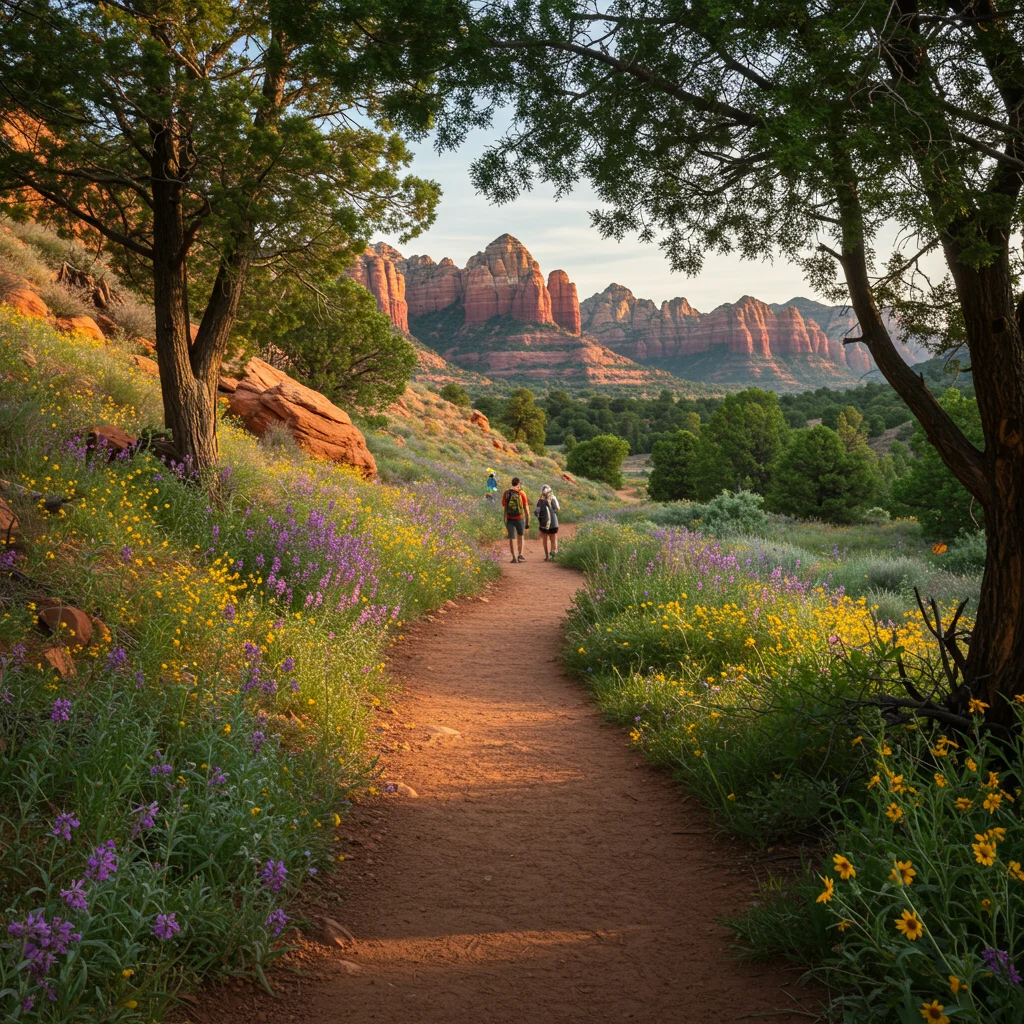


Introduction: Discover the Magic of Boynton Canyon
Boynton Canyon stands as one of Sedona’s most celebrated hiking destinations, drawing visitors from all over the world. The trail offers a unique combination of natural beauty, cultural history, and tranquil energy. Whether you are an outdoor enthusiast or a casual hiker, Boynton Canyon promises an experience that lingers in your memory.
In this comprehensive guide, we will cover everything you need to know about hiking Boynton Canyon. From practical details and historical insights to tips for mindfulness and photography, our goal is to help you plan a safe, enjoyable, and meaningful journey on this iconic trail.
Why Hike Boynton Canyon?
Boynton Canyon is more than just a scenic trail—it is a place where vibrant red rocks meet lush forests, and where history and legend intertwine. Many hikers seek out the canyon for its peaceful atmosphere, challenging but accessible path, and the sense of connection it offers with nature.
The trail’s reputation for tranquility attracts both seasoned explorers and those seeking a quiet retreat. If you are looking for a hike that balances adventure with serenity, Boynton Canyon is the perfect choice. Its unique features make it stand out among Sedona’s many outdoor offerings.
Where Is Boynton Canyon Located?
Boynton Canyon is situated in the heart of Sedona, Arizona, within the Coconino National Forest. The canyon lies northwest of Sedona’s downtown area, making it easily accessible by car. Its proximity to the city means you can enjoy the rugged beauty of the wilderness without venturing far from modern conveniences.
The trail’s location also places it near several other popular attractions, making it a convenient addition to any Sedona itinerary. Whether you are staying in town or traveling from nearby cities, reaching Boynton Canyon is straightforward and rewarding.
How Do You Get to the Trailhead?
Reaching the Boynton Canyon trailhead is a simple process, whether you are a local or visiting from out of state. The trailhead is well-marked and accessible by paved roads, ensuring a smooth start to your hike.
To get there, head west on Dry Creek Road from Sedona, then follow the signs to Boynton Canyon Road. Ample signage and GPS navigation make it easy to find your way, and parking is available near the trail entrance. Arriving early is recommended, especially during peak seasons, to secure a parking spot.
What Makes Boynton Canyon Unique?
Boynton Canyon stands apart from other Sedona trails due to its diverse landscapes and spiritual reputation. The path winds through towering red rock formations, shaded forests, and open vistas, offering hikers a changing panorama at every turn.
Another aspect that sets Boynton Canyon apart is its connection to local legends and energy vortex sites. Many visitors report feeling a unique sense of calm and inspiration here, making it a destination for those interested in both natural beauty and spiritual renewal.
The History and Legends of Boynton Canyon
Boynton Canyon is steeped in stories that stretch back centuries. Its significance goes beyond its striking scenery, drawing on deep cultural and spiritual roots that continue to shape the area’s identity.
Understanding the canyon’s past enhances the hiking experience, adding layers of meaning to every step along the trail. From ancient traditions to modern interpretations, the history of Boynton Canyon is as rich as its landscape.
Native American Heritage and Spiritual Significance
The canyon has long been regarded as a sacred site by Native American tribes, particularly the Yavapai and Apache peoples. They considered Boynton Canyon a place of ceremony and renewal, where the land itself holds spiritual power.
Artifacts and remnants of ancient dwellings still exist in the area, serving as reminders of its enduring cultural importance. Many hikers report a strong sense of peace while traversing the trail, a feeling attributed to the area’s profound heritage.
The Tale of the Vortex: Myth or Reality?
Boynton Canyon is famous for its association with energy vortexes—spots believed to emit powerful spiritual energy. Some visitors claim these vortexes enhance meditation, creativity, or personal insight.
While scientific evidence remains inconclusive, the legend of the Boynton Canyon vortex continues to attract those seeking spiritual experiences. Whether you are a skeptic or a believer, the stories add another dimension to your hike.
Best Time to Hike Boynton Canyon
Choosing the right time to hike Boynton Canyon can make your experience more comfortable and visually stunning. Seasonal changes influence not only the weather but also the trail’s scenery and conditions.
Planning your visit during the optimal season ensures you enjoy the canyon’s best features, from blooming wildflowers to vibrant autumn colors. Let’s examine what each season has to offer.
Seasonal Weather Patterns
The weather in Sedona varies throughout the year, impacting trail conditions and the overall hiking experience. Understanding these patterns helps you prepare appropriately and avoid any unpleasant surprises.
Temperature, precipitation, and daylight hours all play a role in determining the best time for your adventure. Each season brings its own advantages and challenges to the Boynton Canyon trail.
What to Expect Each Season?
Spring offers mild temperatures and clear skies, making it one of the most popular times to hike. Summer can be hot, with daytime temperatures often exceeding 90°F, so early morning hikes are recommended.
Autumn brings cooler weather and a stunning display of fall foliage, while winter offers solitude and crisp air. However, icy patches may occasionally appear during the coldest months, so proper footwear is essential.
Wildflower Blooms and Fall Colors
One of the highlights of hiking Boynton Canyon in spring is the abundance of wildflowers. The trail bursts with color as desert blooms line the path, creating a picturesque setting for your walk.
In the fall, the canyon’s trees turn brilliant shades of gold and red. This seasonal transformation provides a striking contrast to the red rock formations and is a favorite subject for photographers. Timing your visit to coincide with these natural events adds extra beauty to your hike.
Planning Your Boynton Canyon Hike
Preparation is key to enjoying a safe and rewarding hike in Boynton Canyon. Understanding the trail’s difficulty, length, and suitability for various age groups helps you plan accordingly.
Taking the time to assess your fitness level and needs ensures a more enjoyable outing. Let’s break down the essential details you should consider before hitting the trail.
How Difficult Is the Trail?
Boynton Canyon is considered a moderate hike, suitable for most adults and older children with basic hiking experience. The trail features some gentle inclines and rocky sections, but no technical climbing is required.
The path remains well-maintained, making it accessible to a wide range of hikers. Beginners may find certain stretches challenging, but the scenery and peaceful atmosphere provide ample motivation to continue.
Trail Length and Elevation Gain
The round-trip distance of Boynton Canyon Trail is approximately 6.1 miles. The elevation gain is around 800 feet, with most of the incline occurring in the final stretch toward the canyon’s end.
Most hikers complete the trail in three to four hours, depending on pace and the number of stops for photos or breaks. The manageable length and moderate elevation make it possible to enjoy the hike at your own speed.
Is Boynton Canyon Family-Friendly?
Boynton Canyon is a suitable choice for families with children who enjoy outdoor activities. The trail’s gentle gradients and shaded sections provide a comfortable environment for younger hikers.
Parents should supervise children closely, especially near rocky overlooks or steep sections. Bringing snacks, water, and extra layers ensures that everyone remains comfortable throughout the hike.
What Should You Pack for the Hike?
Packing the right gear is essential for a safe and enjoyable hike in Boynton Canyon. Even though the trail is well-traveled, preparation can make all the difference in your experience.
From essentials like water and sun protection to optional items for comfort and convenience, a well-thought-out checklist keeps you organized and ready for any situation.
Essential Gear Checklist
We recommend starting with sturdy hiking shoes or boots, as the trail includes rocky and uneven sections. A comfortable backpack, layered clothing, and a hat for sun protection are also important.
Don’t forget sunscreen, sunglasses, and a trail map or GPS device. Bringing a fully charged phone, first aid kit, and trekking poles can further enhance your safety and comfort on the trail.
Safety Tips for Hikers
Staying safe while hiking Boynton Canyon requires a combination of preparation and awareness. Always let someone know your plans and expected return time, especially if hiking alone.
Weather conditions can change quickly, so check the forecast before setting out. Carrying emergency supplies, such as a whistle and flashlight, is a smart precaution for any hike.
Water, Food, and Hydration Strategies
Hydration is critical in the dry Arizona climate, even on cooler days. Bring at least two liters of water per person, and consider using electrolyte tablets or drinks for longer hikes.
Pack energy-rich snacks such as nuts, fruit, or granola bars to maintain your energy levels. Avoid heavy meals before hiking, as they can cause discomfort during physical activity.
Navigating the Trail: Step-by-Step Guide
Understanding the layout and logistics of Boynton Canyon Trail can help you make the most of your visit. From parking to trail navigation, a little planning goes a long way.
Familiarizing yourself with facilities and trail markers ensures a smooth and enjoyable hiking experience. Let’s look at what you can expect when you arrive.
Trailhead Facilities and Parking Information
At the Boynton Canyon trailhead, you will find a designated parking area that can fill up quickly during peak times. Arriving early in the morning is the best way to secure a spot and avoid crowds.
Restroom facilities are available at the trailhead, but there are no water stations. Be sure to bring enough water for your entire hike. The parking area is well-marked and easy to locate from Boynton Canyon Road.
Is a Red Rock Pass Required?
A Red Rock Pass is required for parking at most trailheads in the Sedona area, including Boynton Canyon. You can purchase a pass at kiosks near the trailhead, local visitor centers, or online.
The pass helps support trail maintenance and preservation efforts. Display it clearly on your vehicle dashboard to avoid fines during your visit.
Trail Map Overview
Boynton Canyon Trail is clearly marked, with signs at key intersections and a map at the trailhead. Carrying a paper map or using a GPS app on your phone adds another layer of confidence as you hike.
The main trail is straightforward, but side trails and detours—such as the path to the Subway Cave—require extra attention. Taking a moment to review the map before starting helps prevent confusion along the way.
Key Landmarks Along the Trail
Boynton Canyon offers several remarkable landmarks that make the hike especially memorable. These spots provide opportunities for rest, reflection, and photography.
From spiritual sites to scenic viewpoints, knowing what to look out for enhances your journey and helps you plan your stops along the trail.
The Boynton Canyon Vortex Site
One of the most popular stops is the Boynton Canyon vortex, located just off the main trail. Visitors come here to meditate, reflect, or simply take in the atmosphere.
Look for a short side path marked by cairns. Whether or not you believe in vortex energy, the peaceful surroundings make this a perfect spot for a break.
The Subway Cave Detour: Should You Go?
The Subway Cave is a popular detour off the main trail, known for its unique rock formations and stunning light. Accessing the cave requires a bit of scrambling, so it is best suited for those with sturdy footwear and some agility.
Visiting the Subway Cave adds about 1.2 miles round-trip to your hike. The extra effort is rewarded with memorable views and photo opportunities, especially when sunlight streams through the cave entrance.
Scenic Overlooks and Photo Spots
Several overlooks along the trail offer panoramic views of the canyon and surrounding red rocks. These spots are ideal for taking photos or simply pausing to appreciate the landscape.
Keep your camera or phone handy, as the shifting light throughout the day creates ever-changing scenes. Early morning and late afternoon tend to provide the most dramatic lighting for photography.
Wildlife and Plant Life in Boynton Canyon
Boynton Canyon is home to a rich variety of wildlife and vegetation, making it a rewarding destination for nature enthusiasts. From rare birds to desert wildflowers, there is always something interesting to observe.
Learning about the local flora and fauna can add depth to your hike and foster a greater appreciation for the area’s ecological diversity.
Which Animals Might You Encounter?
Hikers may spot mule deer, javelinas, and the occasional bobcat along the trail. Smaller animals such as squirrels, lizards, and rabbits are also common, particularly in the early morning or late afternoon.
Keep a respectful distance from all wildlife, and avoid feeding or approaching animals for your safety and theirs. Observing quietly allows you to witness natural behaviors without disturbing the habitat.
Unique Flora and Cacti
Boynton Canyon’s plant life includes a mix of desert and woodland species. You will see iconic prickly pear and cholla cacti alongside juniper, pinyon pine, and oak trees.
Seasonal wildflowers add vibrant color to the landscape, especially in spring. Take care not to trample plants, as many are fragile and contribute to the canyon’s unique ecosystem.
Birdwatching Opportunities
The canyon is a favorite spot for birdwatchers, with species such as Steller’s jays, hummingbirds, and red-tailed hawks frequently seen. Early mornings are usually the best time for spotting a variety of birds.
Bringing binoculars and a field guide can enhance your birdwatching experience. Listen for birdsong as you hike, as it often signals the presence of hidden species nearby.
Experiencing Tranquility: Mindfulness on the Trail
One of the greatest attractions of Boynton Canyon is the sense of peace it offers. Many visitors use the hike as an opportunity to practice mindfulness, meditation, or simply to quiet their minds in nature.
Finding moments of stillness along the trail can help you recharge and gain new perspective, making the experience as restorative as it is physically rewarding.
Meditation and Yoga Spots
Certain areas along the trail, such as the vortex site and shaded clearings, provide ideal settings for meditation or yoga. These spots are often quiet, with soft ground and beautiful views.
Consider bringing a small mat or towel if you plan to pause for a longer session. Practicing mindfulness outdoors can deepen your connection to both the landscape and yourself.
How to Connect with Nature in Boynton Canyon?
Engaging all your senses is the key to a meaningful experience in Boynton Canyon. Listen to the rustle of leaves, feel the texture of rocks, and observe the play of light and shadow on the canyon walls.
Taking regular breaks to breathe deeply and appreciate your surroundings can turn a simple hike into a mindful journey. Leaving distractions behind, such as phones or music, allows you to be fully present in the moment.
Photography Tips for Capturing Boynton Canyon
Boynton Canyon offers endless opportunities for stunning photography. Whether you are using a professional camera or a smartphone, a few simple tips can help you capture the canyon’s beauty at its best.
Light, composition, and timing all play crucial roles in photography. Planning your shots in advance can lead to more satisfying results.
Best Times for Photos
Early morning and late afternoon provide the most flattering light, with soft shadows and warm tones. These times also tend to be less crowded, giving you more freedom to set up your shots.
Cloudy days can add drama to your photos, while clear skies highlight the red rocks and green foliage. Pay attention to weather conditions and adjust your plans accordingly for the best images.
Recommended Camera Gear
A lightweight DSLR or mirrorless camera is ideal for capturing high-quality images without weighing you down. Bring a wide-angle lens for sweeping landscapes and a zoom lens for wildlife or distant vistas.
If you prefer using your phone, consider a small tripod for stability and a lens attachment for added versatility. Extra batteries and memory cards are always a good idea, especially for longer hikes.
Rules and Etiquette for Responsible Hiking
Respecting the trail and fellow hikers is essential to preserving Boynton Canyon’s natural beauty. Following established guidelines helps protect the environment and ensures a positive experience for everyone.
Practicing responsible hiking also sets a good example for others and contributes to the long-term sustainability of the area.
Leave No Trace Principles
The Leave No Trace principles are a set of guidelines designed to minimize your impact on the environment. These include packing out all trash, staying on marked trails, and avoiding picking plants or disturbing wildlife.
By following these principles, you help preserve Boynton Canyon for future generations. Make sure to review the full list before your hike and share them with your hiking companions.
How to Respect Local Wildlife and Culture?
Give animals plenty of space, and observe quietly without attempting to interact. Do not feed wildlife, as this can disrupt their natural behavior and diet.
Respect cultural sites and artifacts by leaving them undisturbed. Remember that Boynton Canyon holds deep significance for local Indigenous communities, and treating these areas with care honors their heritage.
Accessibility: Can Everyone Enjoy Boynton Canyon?
Boynton Canyon is accessible to a wide range of hikers, but certain conditions may affect those with mobility impairments. Understanding the trail’s features and regulations helps you plan a safe and inclusive outing.
Guidelines for pets and other special considerations ensure that everyone can enjoy the beauty of the canyon while maintaining its integrity.
Trail Conditions for Mobility Impairments
The initial section of Boynton Canyon Trail is relatively flat and wide, making it accessible to those with limited mobility. However, the path becomes rockier and steeper farther in, which may be challenging for some visitors.
Wheelchairs and strollers are best suited for the first mile. Beyond that, assistance or specialized equipment may be necessary. Always assess trail conditions in advance and consult with local rangers if you have specific accessibility needs.
Pet Policies: Can You Bring Your Dog?
Dogs are allowed on the Boynton Canyon Trail, provided they are kept on a leash at all times. Owners should bring bags to clean up after their pets and carry enough water for both themselves and their dogs.
Be mindful of wildlife and other hikers, especially in narrow sections of the trail. Hot weather can be tough on pets, so plan your hike during cooler parts of the day and watch for signs of overheating.
Nearby Attractions to Explore After Your Hike
Boynton Canyon is just one highlight in the Sedona area. After your hike, you may want to visit local restaurants, scenic viewpoints, or other trails to round out your adventure.
Sedona offers a range of activities and sights for every interest, from culinary delights to historical walks. If you are interested in combining your outdoor excursion with other unique experiences, there are plenty of options nearby.
Best Restaurants and Cafés in Sedona
After a day on the trail, Sedona’s dining scene provides the perfect way to refuel and relax. Local favorites include The Hudson for American classics, Mariposa for Latin-inspired cuisine, and Indian Gardens Café for a casual bite.
Many restaurants offer outdoor seating with beautiful views of the red rocks, allowing you to continue enjoying Sedona’s scenery even after your hike. Reservations are recommended during weekends and holidays.
Other Must-See Trails and Vistas
If you are eager for more outdoor adventure, Sedona features an extensive network of hiking and biking trails. Popular options include Cathedral Rock, Devil’s Bridge, and West Fork Trail, each offering its own unique scenery and challenges.
For those interested in a different type of excitement, consider reading about ATV riding experiences in our post on ATV adventures near you. Exploring Sedona’s backcountry on an ATV offers a thrilling perspective on the region’s rugged terrain.
Where to Stay: Accommodation Options Near Boynton Canyon
Sedona offers a wide range of accommodations to suit every budget and preference. Whether you prefer luxury resorts, budget-friendly hotels, or camping under the stars, you will find a suitable option near Boynton Canyon.
Choosing the right place to stay can enhance your visit and provide easy access to the trail and other attractions.
Luxury Resorts and Spas
For those seeking a premium experience, Sedona is home to several luxury resorts and spas. The Enchantment Resort, located at the entrance to Boynton Canyon, offers upscale amenities, spa treatments, and unrivaled canyon views.
Other notable options include L’Auberge de Sedona and Amara Resort, both known for their exceptional service and tranquil settings. These resorts provide a relaxing base for your hiking adventures.
Budget-Friendly Lodging
Travelers on a budget will find numerous hotels, motels, and vacation rentals throughout Sedona. Properties such as Sedona Real Inn & Suites, GreenTree Inn, and several Airbnb listings offer comfort and convenience at a reasonable price.
Booking in advance is recommended, especially during peak hiking seasons. Look for accommodations with kitchen facilities if you prefer preparing your own meals.
Camping Near Boynton Canyon
For a closer connection to nature, camping is a popular choice in the Sedona area. Manzanita Campground and Pine Flat Campground are both located within a short drive of Boynton Canyon and offer basic amenities.
Dispersed camping is also available in designated areas of the Coconino National Forest. Be sure to follow local regulations and practice Leave No Trace principles to keep the environment pristine.
Frequently Asked Questions About Boynton Canyon
Many hikers have common questions about Boynton Canyon, from trail access to required permits. Addressing these in advance can help you plan a smoother and more enjoyable trip.
Below, we answer some of the most frequently asked questions to help you prepare for your visit.
Is the Trail Open Year-Round?
Boynton Canyon Trail is generally open throughout the year, with only occasional closures due to weather or fire risk. Checking current conditions with the Coconino National Forest or local visitor centers before your hike is always a good idea.
Seasonal weather can impact trail conditions, so adapt your plans as needed. Winter storms or summer heat may require extra caution or a change in schedule.
Are Permits or Fees Required?
The main requirement for hiking Boynton Canyon is a Red Rock Pass for parking. No special hiking permits are needed for the main trail, but some side trails or activities may have additional requirements.
Always display your parking pass clearly and check for any posted notices at the trailhead. This helps support trail maintenance and ensures continued access for all visitors.
How Long Does the Hike Take?
The average hiker completes the Boynton Canyon Trail in three to four hours, including time for breaks and photos. The pace can vary depending on your fitness level, group size, and how many detours you take.
Allowing extra time for side trips, such as the Subway Cave, or for mindfulness activities ensures a more relaxed and enjoyable experience. Start early to avoid afternoon heat and crowds.
Tips for a Safe and Memorable Hike
Preparation and awareness are the keys to a safe and enjoyable hike in Boynton Canyon. From navigation strategies to handling weather changes, a little foresight can go a long way.
Here are some practical tips to help you make the most of your time on the trail and return with great memories.
What to Do If You Get Lost?
If you find yourself off the main trail, stop and assess your surroundings before proceeding. Use a map or GPS app to reorient yourself, and retrace your steps to the last known marker if necessary.
Staying calm and conserving energy is important. If you are unable to find your way, call for assistance using your phone or a whistle. Informing someone of your plans before your hike increases your safety in case of emergencies.
How to Prepare for Changing Weather?
Sedona’s weather can shift quickly, especially in the spring and summer months. Bring extra layers, including a lightweight rain jacket, to stay comfortable in changing conditions.
Check the forecast before heading out, and be prepared to adjust your plans if storms or extreme heat are predicted. Carrying a small emergency kit with basic supplies is always a smart precaution.
Conclusion: Embark on Your Trail to Tranquility
Boynton Canyon offers a unique blend of natural beauty, cultural significance, and peaceful energy that makes it a must-see destination in Sedona. Whether you are seeking a challenging hike, a place for mindfulness, or simply a beautiful setting for photography, the canyon welcomes all visitors with open arms.
If you enjoy combining your outdoor adventures with urban exploration, you might appreciate our guides to unique Miami tours or even historical walking experiences like strolling through Old San Juan. These offer fresh perspectives for travelers with varied interests.
For those looking to expand their adventure horizons, our article on ATV rides in Houston provides insights into thrilling activities beyond hiking. Urban explorers can also check out our recommendations for touring Miami’s architectural gems.
We hope this guide inspires you to plan your own trail to tranquility. For more expert advice and travel inspiration, visit Tour Cuts and start planning your next unforgettable journey.