
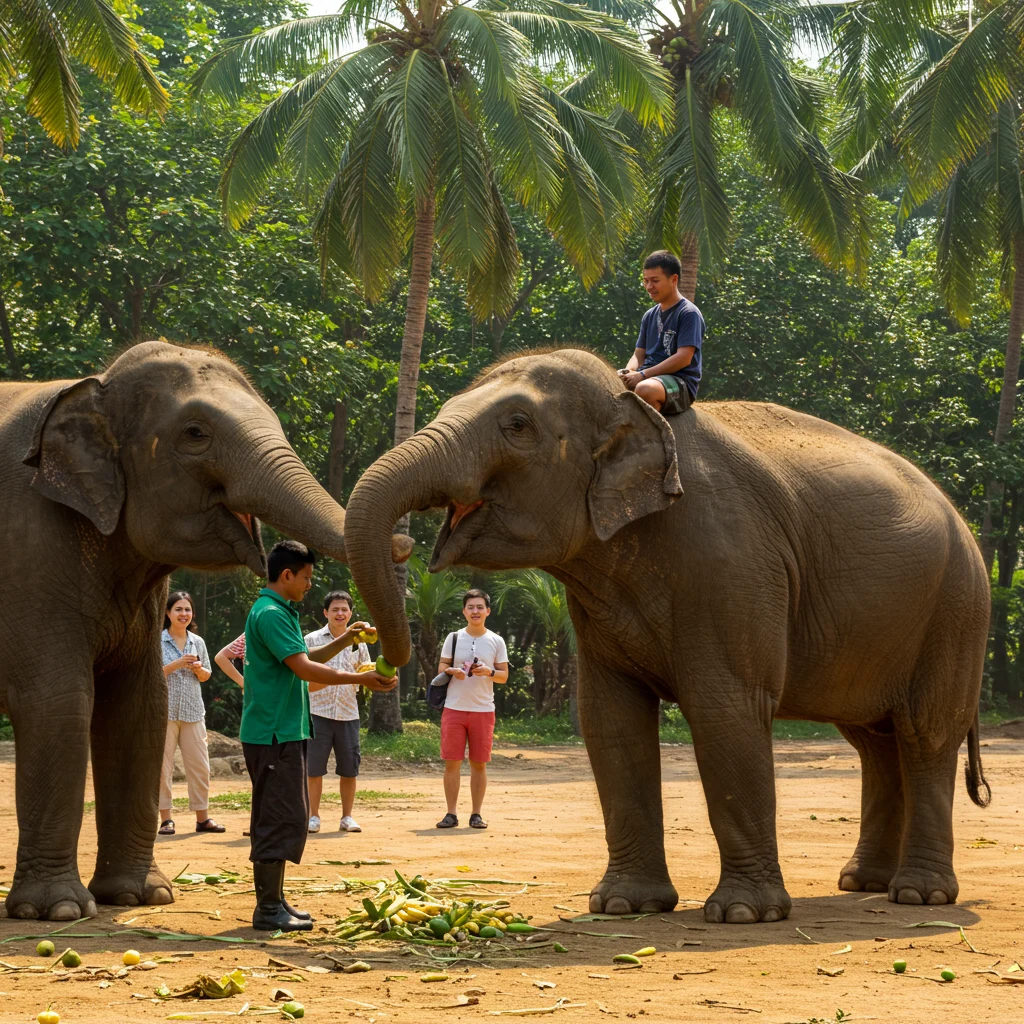


Introduction to Bangkok’s Elephant Sanctuaries
Bangkok, known for its bustling city streets and vibrant cultural scene, is also a gateway to some of Thailand’s most respected elephant sanctuaries. These sanctuaries offer a safe haven for elephants rescued from difficult circumstances, providing them with the care and dignity they deserve. For visitors, these sanctuaries present a unique chance to learn about elephant welfare and contribute positively to their future.
In this article, we will guide you through the landscape of ethical elephant tourism in and around Bangkok. We will discuss why sanctuaries matter, how they operate, and what you can expect during a visit. Our aim is to help you make informed decisions and support responsible travel that benefits both elephants and local communities.
Why Are Elephant Sanctuaries Important?
Elephant sanctuaries play a vital role in the protection and rehabilitation of Thailand’s elephants. Many elephants in Thailand have faced exploitation in logging, entertainment, and tourism industries. Sanctuaries provide a refuge from such practices, focusing on the animals’ well-being and recovery.
Supporting these sanctuaries not only helps individual elephants but also contributes to the broader movement for wildlife conservation. By visiting and supporting ethical sanctuaries, travelers can help shift the tourism industry towards more humane practices, ensuring a better future for elephants across Thailand.
The History of Elephants in Thailand
Thailand’s relationship with elephants is both deep-rooted and complex. These majestic animals have long been a symbol of strength and wisdom in Thai culture. However, their history is also marked by periods of exploitation and hardship.
Understanding the past helps us appreciate the importance of ethical sanctuaries today. Let’s look at how elephants have been treated and why they hold such a special place in Thai society.
How Have Elephants Been Treated in the Past?
Historically, elephants served as crucial partners in Thailand’s development. They were used for transportation, agriculture, and most notably, in the logging industry. Unfortunately, this labor often came at great cost to the elephants’ health and well-being.
With the ban on logging in 1989, many elephants and their handlers, known as mahouts, were left without livelihoods. Some elephants were forced into the entertainment and tourism industries, where conditions were frequently harsh and exploitative.
Cultural Significance of Elephants in Thai Society
Despite these challenges, elephants remain highly respected in Thai culture. They are featured in religious ceremonies, national symbols, and traditional art. The white elephant, in particular, represents royal power and is considered sacred.
This cultural reverence for elephants has inspired a growing movement toward protecting and caring for these animals. Sanctuaries now strive to honor this heritage by promoting ethical treatment and conservation.
What Defines a True Elephant Sanctuary?
Not all places that house elephants operate with their best interests in mind. A true sanctuary prioritizes the physical and emotional well-being of the animals, focusing on rescue, rehabilitation, and long-term care.
Understanding the principles behind ethical sanctuaries can help visitors make informed decisions and avoid inadvertently supporting harmful practices.
Key Principles of Ethical Elephant Tourism
Ethical elephant tourism is guided by a set of core values. These include providing elephants with a safe, natural environment, allowing them to express social and natural behaviors, and never forcing them to perform or carry visitors.
True sanctuaries also focus on education and advocacy, encouraging visitors to learn about the challenges elephants face and how they can help. These principles distinguish reputable sanctuaries from entertainment-focused attractions.
How to Identify Responsible Sanctuaries
Responsible sanctuaries are transparent about their operations and prioritize the well-being of their animals. They do not offer riding or performances and often limit direct contact to minimize stress for the elephants.
Visitors can look for independent reviews, accreditation from animal welfare organizations, and clear explanations of how funds are used to support the elephants. Asking the right questions before booking can make a significant difference.
Bangkok’s Top Elephant Sanctuaries: An Overview
Several outstanding sanctuaries near Bangkok are making a real difference for elephants. Each offers unique experiences and approaches to conservation, but all share a commitment to ethical care.
We will highlight some of the most respected sanctuaries, their facilities, and the initiatives they lead. This overview will help you choose a sanctuary that aligns with your values and interests.
Elephant Nature Park: Sanctuary Profile
Elephant Nature Park is one of Thailand’s most recognized elephant sanctuaries. Located a short journey from Bangkok, it is renowned for its ethical approach and comprehensive care for rescued animals.
The park provides a peaceful setting where elephants can recover from past trauma and live in social groups.
Facilities and Visitor Experience
Visitors to Elephant Nature Park can observe elephants as they bathe, forage, and interact with each other in natural surroundings. The facilities are designed to prioritize the animals’ comfort, with large open spaces and minimal human intrusion.
Guided tours focus on education rather than entertainment, allowing guests to learn about elephant behavior and conservation efforts. The park offers both day visits and longer volunteer programs for those looking to get more involved.
Conservation Initiatives
Elephant Nature Park leads several conservation initiatives, including habitat restoration and anti-poaching campaigns. They work closely with local communities to promote sustainable livelihoods that do not exploit wildlife.
Education is a key part of their mission, with programs aimed at raising awareness about the importance of ethical tourism and the challenges elephants face in Thailand.
Wildlife Friends Foundation Thailand: Sanctuary Profile
Wildlife Friends Foundation Thailand (WFFT) is another prominent sanctuary near Bangkok. While they care for a range of rescued wildlife, their elephant program is a cornerstone of their work.
WFFT provides a safe environment for elephants rescued from abuse or neglect, focusing on rehabilitation and long-term care.
Rescue and Rehabilitation Efforts
The foundation is dedicated to rescuing elephants from harmful situations, including illegal logging and street begging. Once at the sanctuary, elephants receive medical care and are gradually introduced to their new environment.
Rehabilitation is a careful process, allowing each elephant to adjust at their own pace. The goal is to give them the freedom to live as naturally as possible, surrounded by other rescued animals.
Educational Programs
WFFT offers a range of educational programs for visitors and local communities. These initiatives teach about animal welfare, conservation, and the importance of protecting Thailand’s wildlife.
Visitors can participate in guided tours, workshops, and even longer-term volunteer opportunities. These programs help foster a deeper understanding of the issues facing elephants and encourage responsible tourism practices.
Elephant Haven: Sanctuary Profile
Elephant Haven is a sanctuary dedicated to providing a peaceful retirement for elephants that have spent their lives in captivity. Located within reach of Bangkok, it offers a tranquil setting for both elephants and visitors.
The sanctuary emphasizes gentle interactions and respect for the animals’ autonomy, making it a popular choice for ethical travelers.
Volunteer Opportunities
Elephant Haven offers a variety of volunteer opportunities, from short-term stays to longer commitments. Volunteers assist with feeding, cleaning, and enrichment activities, all under the guidance of experienced staff.
These programs allow participants to make a meaningful contribution while gaining insight into the daily care and challenges of elephant conservation.
Community Engagement
Community involvement is central to Elephant Haven’s mission. The sanctuary works with local residents to create sustainable alternatives to elephant exploitation, such as handicraft production and eco-tourism.
Through outreach and partnership, they aim to improve both elephant welfare and local livelihoods, demonstrating the positive impact that ethical sanctuaries can have beyond their gates.
Other Notable Sanctuaries Near Bangkok
In addition to the sanctuaries mentioned, several other facilities near Bangkok are making important contributions to elephant welfare. These include smaller, community-based projects and larger organizations focused on rescue and rehabilitation.
Each sanctuary has its own approach, but all share a commitment to respectful, ethical care. Researching your options and reading recent visitor reviews can help you find the right fit for your interests.
What to Expect When Visiting an Elephant Sanctuary
A visit to an elephant sanctuary is a rewarding experience that offers both education and inspiration. Unlike traditional tourist attractions, sanctuaries focus on the elephants’ needs, creating a respectful environment for both animals and guests.
Knowing what to expect can help you prepare for your visit and make the most of your time at the sanctuary.
A Day in the Life at a Sanctuary
A typical day at an elephant sanctuary is structured around the animals’ routines. Visitors are invited to observe and, in some cases, participate in daily activities that support the elephants’ care.
These activities are designed to minimize stress for the elephants while maximizing educational value for guests.
Typical Activities for Visitors
Most sanctuaries offer guided walks, feeding sessions, and opportunities to watch elephants bathe or socialize. Some may invite visitors to help prepare food or assist with environmental enrichment, always under staff supervision.
Photography is usually allowed, but visitors are encouraged to remain quiet and respectful. The focus is on observing natural behaviors rather than seeking entertainment.
What Should You Bring?
When visiting a sanctuary, it’s important to dress appropriately for the weather and terrain. Light, comfortable clothing, closed-toe shoes, and a hat are recommended. Sunscreen and insect repellent can help protect you from the elements.
Bring a reusable water bottle and any necessary personal medications. Sanctuaries often provide lunch as part of the visit, but it’s wise to check in advance. Most importantly, bring an open mind and a willingness to learn.
Rules and Etiquette for Visitors
Respecting the rules of the sanctuary is essential for the safety and well-being of both visitors and elephants. These guidelines are in place to protect the animals from stress and ensure a positive experience for everyone.
Follow all instructions from staff, avoid loud noises, and never attempt to ride or touch the elephants without permission. Photography policies may vary, so always ask before taking photos.
Is Elephant Riding Still Practiced?
Despite growing awareness of animal welfare, elephant riding is still offered by some tourist operators in Thailand. However, the practice is widely discouraged by conservationists and ethical travel advocates.
Understanding the impact of elephant riding can help travelers make informed choices and support responsible tourism.
Why Is Elephant Riding Harmful?
Elephant riding is harmful because it often involves cruel training methods and puts immense physical strain on the animals. Elephants’ spines are not built to carry heavy loads, and repeated riding can cause long-term injuries.
The training process, known as “the crush,” is particularly traumatic, breaking the elephants’ spirit through isolation and deprivation. Supporting sanctuaries that reject these practices is a powerful way to promote animal welfare.
Alternatives to Elephant Riding
Ethical sanctuaries offer alternatives that allow visitors to appreciate elephants without causing harm. Guided walks, observation platforms, and educational programs provide opportunities to learn about these incredible animals in a respectful setting.
Many travelers find that simply watching elephants interact in their natural environment is far more rewarding than riding. This approach aligns with the movement toward responsible and compassionate tourism.
How Do Sanctuaries Care for Elephants?
Caring for rescued elephants is a complex task that requires expertise, resources, and dedication. Sanctuaries must meet the animals’ physical, emotional, and social needs, often for the rest of their lives.
Let’s look at the main aspects of elephant care, from medical support to nutrition and enrichment.
Medical and Veterinary Support
Elephants rescued from abusive situations often suffer from chronic health issues, including injuries and malnutrition. Sanctuaries employ skilled veterinarians to monitor the animals’ health and provide ongoing treatment.
Regular check-ups, vaccinations, and dental care are part of the routine. In some cases, sanctuaries collaborate with external specialists to address complex medical needs.
Nutrition and Diet
Proper nutrition is crucial for the well-being of elephants. Sanctuaries provide a balanced diet that includes grasses, fruits, vegetables, and supplements tailored to each elephant’s needs.
Feeding is often spread throughout the day to mimic natural foraging behaviors. Visitors may have the chance to help prepare or distribute food, gaining insight into the animals’ dietary requirements.
Environmental Enrichment and Socialization
Enrichment activities are essential for the mental and emotional health of elephants. Sanctuaries create stimulating environments with mud wallows, water pools, and varied terrain to encourage natural behaviors.
Socialization is also important. Elephants are highly social animals, and sanctuaries strive to create stable groups where they can form bonds and interact freely. These efforts are key to helping elephants recover from past trauma.
How Can You Support Elephant Conservation?
There are many ways to support elephant conservation beyond visiting a sanctuary. Donations, sponsorships, and volunteering all play a role in sustaining these vital organizations.
Every contribution helps provide food, medical care, and improved facilities for rescued elephants. Let’s look at some of the ways you can make a difference.
Volunteering at Sanctuaries
Volunteering offers a hands-on way to support elephant welfare. Many sanctuaries accept volunteers for short or long-term stays, providing training and supervision to ensure both safety and effectiveness.
Tasks may include preparing food, cleaning enclosures, or assisting with educational programs. Volunteering can be a deeply rewarding experience, giving you a behind-the-scenes look at the challenges and triumphs of elephant care.
Donations and Sponsorship Programs
Financial support is critical for sanctuaries, as the cost of caring for elephants is substantial. Most organizations offer donation and sponsorship programs that allow supporters to contribute to specific animals or projects.
Sponsoring an elephant often includes regular updates and photos, helping you feel connected to the sanctuary’s work. Even small donations can make a significant impact over time.
Responsible Travel Tips for Animal Lovers
Travelers who care about animal welfare have a responsibility to choose ethical experiences. Responsible travel not only benefits animals but also helps shift the tourism industry toward more sustainable practices.
Here are some tips for choosing an ethical sanctuary and making the most of your visit.
How to Choose an Ethical Sanctuary
Research is key when selecting a sanctuary. Look for organizations that prioritize animal welfare, are transparent about their operations, and have positive reviews from past visitors.
Avoid any facility that offers riding, performances, or close-contact photo opportunities. These are often signs of unethical practices.
Questions to Ask Before Booking
Before booking a visit, ask about the sanctuary’s policies on animal interaction, veterinary care, and funding. Reputable sanctuaries will be happy to answer your questions and provide detailed information.
You might also inquire about volunteer opportunities or educational programs, which can enhance your experience and support the sanctuary’s mission.
Reviews and Recommendations
Reading independent reviews is one of the best ways to assess a sanctuary’s reputation. Look for recent feedback from travelers who share your values and interests.
Online travel forums, social media groups, and ethical travel blogs can be valuable sources of information. Recommendations from trusted sources can help you avoid tourist traps and support truly responsible organizations.
The Impact of Sanctuaries on Local Communities
Elephant sanctuaries don’t just benefit animals—they also have a positive impact on local communities. Through employment, education, and sustainable tourism, sanctuaries contribute to economic development and social well-being.
Let’s examine how these organizations support the people living nearby.
Employment and Economic Benefits
Sanctuaries create jobs for local residents, from animal care staff to tour guides and administrative roles. This employment helps support families and reduces the economic pressure to exploit wildlife for income.
By attracting visitors, sanctuaries also generate business for local suppliers, restaurants, and accommodation providers. This ripple effect strengthens the local economy and encourages sustainable development.
Education and Awareness Initiatives
Many sanctuaries run education programs for schools and community groups. These initiatives teach children and adults about animal welfare, conservation, and the importance of protecting natural resources.
By raising awareness, sanctuaries help foster a culture of respect for animals and the environment. This long-term impact is essential for the future of elephant conservation in Thailand.
Challenges Facing Elephant Sanctuaries Today
Despite their many successes, elephant sanctuaries face ongoing challenges. Funding, legal issues, and changing tourism trends all affect their ability to provide high-quality care.
Understanding these challenges can help visitors and supporters appreciate the complexity of sanctuary work and the importance of ongoing support.
Funding and Sustainability Issues
Caring for elephants is expensive, and sanctuaries often rely on visitor fees, donations, and grants to cover costs. Fluctuations in tourism can create financial instability, making it difficult to plan for the long term.
Many sanctuaries are exploring alternative funding models, such as online sponsorships and partnerships with ethical travel organizations. These efforts help sustain their work even during challenging times.
Legal and Regulatory Hurdles
Operating an elephant sanctuary in Thailand involves navigating a complex legal landscape. Regulations around animal ownership, land use, and tourism can create significant obstacles for sanctuary founders and managers.
Advocacy and collaboration with government agencies are essential for overcoming these hurdles and ensuring that sanctuaries can continue to provide safe, ethical care for elephants.
The Future of Elephant Conservation in Bangkok
The future of elephant conservation in Bangkok and throughout Thailand depends on innovation, collaboration, and public support. New approaches are emerging that combine traditional knowledge with modern technology to improve animal welfare.
These advances offer hope for more effective, sustainable sanctuary operations in the years to come.
Innovative Approaches and Technology
Some sanctuaries are adopting technologies such as GPS tracking, remote health monitoring, and digital fundraising platforms to enhance their work. These tools help staff monitor elephant health, track movement patterns, and connect with supporters worldwide.
Innovation is also evident in education and outreach, with online resources making it easier for people to learn about elephant welfare and support conservation efforts from afar. As technology evolves, sanctuaries will continue to find new ways to care for elephants and engage the public.
How Can Tourists Make a Difference?
Tourists play a crucial role in shaping the future of elephant tourism in Thailand. By choosing ethical experiences and spreading the word about responsible travel, visitors can drive positive change throughout the industry.
Supporting sanctuaries, volunteering, and donating are all meaningful ways to contribute. Sharing your experiences with friends and on social media can inspire others to make compassionate choices as well.
If you’re interested in other adventure activities that respect animals and the environment, consider responsible water sports. For example, you can learn more about jet ski rentals and how to enjoy the water responsibly.
Traveler Stories: Memorable Sanctuary Experiences
Hearing from other travelers can provide valuable insight into what makes a sanctuary experience truly special. Many visitors describe their time at ethical sanctuaries as transformative, deepening their appreciation for elephants and the people who care for them.
Stories often highlight moments of connection, such as watching elephants play in the water or witnessing the bond between an elephant and its mahout. These experiences remind us of the importance of empathy and respect in all our interactions with animals.
For those interested in combining adventure with responsible tourism, reading about ATV riding experiences can provide inspiration for planning your next ethical adventure.
Frequently Asked Questions About Visiting Elephant Sanctuaries
Visitors often have questions about what to expect when visiting an elephant sanctuary. We’ve compiled some of the most common queries to help you prepare for your trip.
- Can I ride elephants at a sanctuary? Reputable sanctuaries do not allow riding, as it is harmful to the animals.
- Is it safe to visit an elephant sanctuary with children? Most sanctuaries welcome families and prioritize safety for both guests and animals. Check with the sanctuary for specific guidelines.
- How do I know if a sanctuary is ethical? Look for transparent policies, positive reviews, and a commitment to animal welfare. Avoid organizations that offer performances or riding.
- What should I bring for my visit? Comfortable clothing, closed-toe shoes, sunscreen, insect repellent, and a reusable water bottle are recommended.
- Can I volunteer at a sanctuary? Many sanctuaries offer volunteer programs. Contact the sanctuary directly for details and application procedures.
If you’re planning your trip and want to include other exciting activities, you might find our articles on renting a jet ski or ATV rides in Houston helpful for inspiration.
Conclusion: Why Bangkok’s Elephant Sanctuaries Matter
Bangkok’s elephant sanctuaries represent a hopeful future for Thailand’s elephants. By prioritizing animal welfare, supporting local communities, and promoting responsible tourism, these organizations set a standard for ethical wildlife experiences.
As travelers, we have the power to support these efforts through our choices and advocacy. Whether you visit, volunteer, or donate, your involvement makes a real difference for elephants and the people who care for them.
For more responsible travel tips and ethical adventure ideas, visit Tour Cuts and let us help you plan a journey that supports both animals and local communities.