
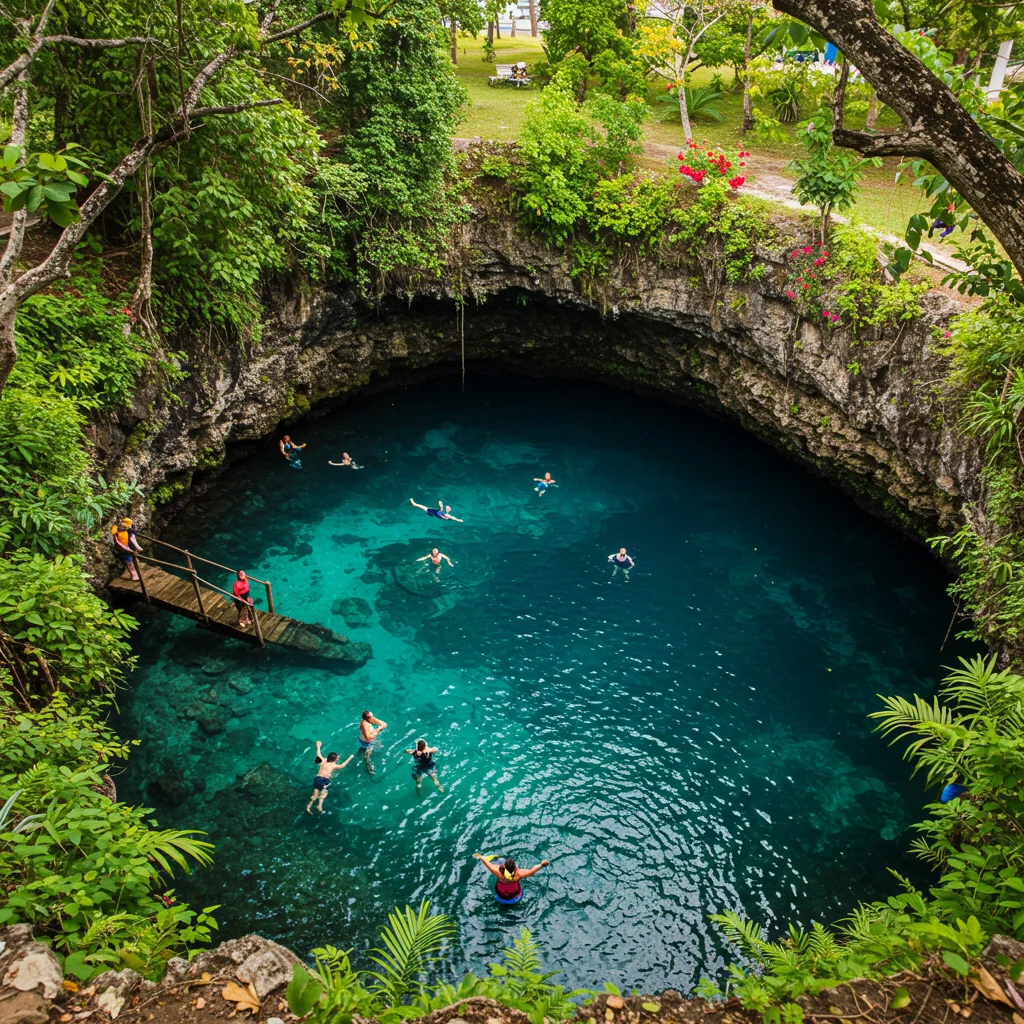


Introduction: Why Explore Jamaica’s Blue Hole?
Jamaica’s Blue Hole stands out as one of the island’s most remarkable natural attractions. This spot draws travelers with its sparkling turquoise waters, lush jungle surroundings, and sense of adventure. Whether you are a nature lover, thrill-seeker, or someone seeking tranquil beauty, the Blue Hole offers something unique.
In this guide, we will cover every aspect of the Blue Hole experience. From its fascinating history and geological features to planning tips and activity suggestions, we provide all the details you need for a memorable visit. Let us help you make the most of your journey to this spectacular destination.
What Is the Blue Hole in Jamaica?
The Blue Hole is a series of deep, natural limestone pools located in the hills outside Ocho Rios. Known for its vivid blue water, it has become a favorite spot for swimming, cliff jumping, and relaxing in a beautiful natural setting. The pools are fed by fresh mountain streams, keeping the water cool and inviting throughout the year.
Unlike some more commercialized attractions, the Blue Hole maintains a rustic charm. Visitors often comment on its unspoiled atmosphere and the sense of adventure it inspires. If you enjoy destinations that combine natural beauty with exciting activities, the Blue Hole is a must-see.
Where Is the Blue Hole Located?
The Blue Hole is situated in the hills of St. Ann Parish, just a short drive from Ocho Rios on Jamaica’s north coast. Its location, away from the main tourist areas, gives it a secluded feel while still being accessible from major towns and resorts.
Reaching the Blue Hole requires a drive along winding rural roads, adding to the sense of adventure. The journey takes you through Jamaica’s lush interior, offering glimpses of local life and natural scenery along the way. Most visitors find the trip part of the overall experience.
A Brief History of the Blue Hole
The Blue Hole’s history is closely tied to Jamaica’s geological and cultural heritage. Over the years, it has gone from being a local secret to a popular attraction for travelers seeking a more authentic Jamaican experience.
While the site now welcomes visitors from around the world, it still retains its roots as a cherished spot for Jamaicans. The Blue Hole’s story reflects the island’s dynamic relationship with tourism and natural preservation.
How Did the Blue Hole Form?
The Blue Hole was shaped by thousands of years of limestone erosion and underground water flow. Rainwater and rivers gradually carved out deep pools and caverns in the soft rock, resulting in the stunning formations we see today.
This geological process is common in karst landscapes, which are characterized by caves, sinkholes, and springs. The clarity and color of the Blue Hole’s water come from its limestone bed, which filters impurities and reflects sunlight in vibrant shades of blue.
Cultural Significance of the Blue Hole
For local communities, the Blue Hole has long been more than just a swimming spot. It has served as a gathering place for families and friends, especially during hot summer months. Stories and traditions associated with the Blue Hole are passed down through generations.
Some locals believe the pools possess healing properties due to their mineral content and cool, clean water. Today, the Blue Hole continues to play a role in local culture, even as it draws visitors from abroad.
Comparing the Blue Hole to Other Jamaican Attractions
Jamaica offers a wide range of natural attractions, from famous waterfalls to hidden swimming holes. The Blue Hole often gets compared to other popular sites, each with its own appeal. Understanding these differences can help you plan your itinerary wisely.
While places like Dunn’s River Falls attract large crowds, the Blue Hole provides a more relaxed and adventurous atmosphere. For those interested in water activities, it’s helpful to consider what each destination offers.
Blue Hole vs. Dunn’s River Falls: Which Should You Visit?
Dunn’s River Falls is one of Jamaica’s most iconic locations, known for its terraced waterfalls and organized tours. It is ideal for visitors who appreciate well-developed facilities and guided experiences. However, it can become crowded, especially during cruise ship days.
The Blue Hole, by contrast, offers a quieter, more intimate experience with fewer crowds and a stronger sense of wilderness. If you prefer a hands-on adventure and a less commercialized setting, the Blue Hole is likely to be a better fit.
Blue Hole vs. Secret Falls: What’s the Difference?
Secret Falls, sometimes referred to as Island Gully Falls, is located near the Blue Hole and is often included on the same tours. While both feature beautiful pools and waterfalls, the Blue Hole is generally larger and has more jumping points and swimming areas.
Secret Falls tends to be even less crowded and is surrounded by dense jungle. Many visitors choose to experience both in one day, enjoying the variety of landscapes and water activities available in the area.
Planning Your Blue Hole Adventure
Organizing your trip to the Blue Hole involves several key decisions, from timing your visit to arranging transportation. Proper planning helps you maximize enjoyment and minimize stress. We recommend considering factors like weather, travel routes, and what to bring along.
Whether you are traveling solo, with friends, or as a family, a bit of preparation goes a long way. Below, we outline the most important aspects of planning your Blue Hole journey.
When Is the Best Time to Visit the Blue Hole?
The Blue Hole is open year-round, but certain times of year offer better conditions. The dry season, from December to April, typically brings sunny weather and lower humidity. This is considered the peak tourist season in Jamaica.
Visiting during the rainy season, from May to November, means you may encounter brief showers, but the area is lush and vibrant. Early morning and late afternoon visits are best for avoiding crowds and enjoying cooler temperatures.
How to Get to the Blue Hole: Transportation Tips
Reaching the Blue Hole requires planning, especially if you are staying outside Ocho Rios. Most visitors arrive by car, taxi, or as part of an organized tour. The final stretch includes rural roads that can be narrow and winding, so allow extra time for travel.
For those who prefer not to drive, many local operators offer shuttle services or private transfers. Make sure to confirm pickup and drop-off details ahead of time, particularly if you are staying in Montego Bay or Kingston.
Traveling from Ocho Rios
Ocho Rios is the closest major town to the Blue Hole, making it a convenient base for visitors. The drive typically takes 20 to 30 minutes and follows a scenic route through the hills. Taxis and tour companies frequently make this trip, and some hotels can arrange transportation on your behalf.
If you are comfortable driving, renting a car provides flexibility to explore other nearby sites. The roads are generally safe, but we recommend using GPS or a reliable map to avoid getting lost.
Traveling from Montego Bay
If you are staying in Montego Bay, expect a journey of about 1.5 to 2 hours by car. Many travelers opt for private transfers or join group tours that include transportation. This option allows you to relax and enjoy the scenery without worrying about navigation.
Some tour providers combine Blue Hole visits with stops at other attractions, making for a full day of adventure. Be sure to check what is included in your package before booking.
Traveling from Kingston
Traveling from Kingston to the Blue Hole takes approximately 2.5 to 3 hours by car. The route crosses the island’s interior, offering a chance to see small towns and rural landscapes. Private drivers, taxis, and tours are all available for this trip.
Because of the longer distance, it is a good idea to leave early in the morning and plan for a full day out. Pack snacks and water for the road, and consider combining your visit with other attractions along the way.
What to Pack for Your Blue Hole Trip
Packing wisely makes your Blue Hole adventure more enjoyable and stress-free. The right gear keeps you comfortable, safe, and ready for any activity. We recommend focusing on lightweight, quick-drying clothing and essential accessories.
Remember to pack light, as you may need to walk or hike short distances between pools and waterfalls. Below, we outline what you should bring—and what is best left behind.
Essential Gear and Clothing
Swimwear is a must, as you will spend most of your time in or near the water. Water shoes or sturdy sandals protect your feet from slippery rocks and uneven ground. A quick-drying towel, sunscreen, and insect repellent are also important.
Consider bringing a waterproof bag for your electronics and a change of clothes for the ride home. If you plan to take photos or videos, pack a waterproof camera or phone case for added security.
Items to Leave Behind
We advise against bringing valuables such as jewelry, large amounts of cash, or expensive electronics that are not waterproof. The area is generally safe, but there are limited secure storage options on site.
Leave heavy backpacks and unnecessary items at your accommodation to keep your load light. This allows you to move easily between pools and enjoy the activities without worry.
Blue Hole Entrance Fees and Tour Options
The Blue Hole charges a modest entrance fee, which helps maintain the site and support local guides. Prices may vary depending on the season and whether you join a group or private tour. Most packages include access to the pools, waterfalls, and basic amenities.
Guided tours are widely available and often include transportation, entrance fees, and the services of knowledgeable local guides. These options can provide added safety and insight, especially for first-time visitors.
What to Expect During Your Visit
Arriving at the Blue Hole is an exciting moment, as the natural beauty of the area comes into view. The site is well-organized but retains a laid-back, welcoming atmosphere. Friendly guides greet visitors and explain the layout, activities, and safety rules.
During your visit, you can move at your own pace, choosing from a variety of activities or simply relaxing by the water. The experience is both invigorating and peaceful, making it suitable for all ages and interests.
Arrival and Orientation
Upon arrival, visitors typically check in at the entrance and meet local guides. After paying the entrance fee, you receive a brief orientation covering the site’s layout, available activities, and safety guidelines.
Guides offer recommendations based on your interests and answer any questions you might have. They also help organize groups for cliff jumping, swimming, and exploring the waterfalls, ensuring everyone stays safe and has fun.
Are Guided Tours Recommended?
We strongly recommend joining a guided tour, especially if you are new to the Blue Hole or unfamiliar with the terrain. Guides are experienced, knowledgeable, and passionate about sharing their local heritage.
They assist with activities like cliff jumping and rope swinging, point out the best spots for photos, and share interesting stories about the area. Guided tours also enhance safety, particularly for families or less confident swimmers.
Safety Guidelines and Tips
Safety is a top priority at the Blue Hole. While the site is generally safe for visitors, it is important to follow posted rules and listen to your guides. Simple precautions help ensure a worry-free experience for everyone.
By being prepared and attentive, you can focus on enjoying the natural beauty and exciting activities that make the Blue Hole special.
Is the Blue Hole Safe for Kids and Families?
The Blue Hole is a family-friendly destination, with activities suitable for children and adults alike. Shallow pools and calm swimming areas provide safe spots for younger visitors to play under supervision.
Parents should always keep a close eye on children, especially near deeper pools or when participating in activities like cliff jumping. Life jackets are available and recommended for kids and non-swimmers.
Swimming Safety and Lifeguard Presence
Lifeguards and guides are present throughout the site, helping to monitor activity and provide assistance as needed. They are trained in first aid and water rescue, offering peace of mind for visitors of all skill levels.
Before entering the water, listen carefully to safety briefings and follow instructions regarding which areas are safe for swimming and jumping. Respect any signs or barriers that mark off-limits zones.
Precautions for Non-Swimmers
Non-swimmers can still enjoy the Blue Hole, but extra caution is advised. Wear a life jacket at all times and stay within shallow areas. Guides are happy to assist and recommend activities suited to your comfort level.
If you are unsure about your swimming ability, let your guide know before participating in any water-based activities. They can suggest safe ways to enjoy the experience without risk.
Weather Considerations and Water Conditions
Weather in Jamaica is generally warm and sunny, but conditions can change quickly, especially during the rainy season. Heavy rains may cause water levels to rise or currents to strengthen, so always check the forecast before your visit.
Guides monitor water quality and conditions daily, sometimes closing certain areas if they become unsafe. If in doubt, ask your guide for the latest updates.
What Activities Can You Do at the Blue Hole?
The Blue Hole offers a range of activities for all ages and adventure levels. From cliff jumping and rope swinging to swimming and exploring hidden caves, there is no shortage of ways to enjoy the site.
Whether you prefer an adrenaline rush or a leisurely swim, you will find something to suit your style. Below, we highlight the most popular activities at the Blue Hole.
Cliff Jumping: What Should You Know?
Cliff jumping is one of the Blue Hole’s signature activities. Several ledges of varying heights allow visitors to test their courage in a safe, controlled environment. Guides demonstrate proper technique and help you choose a jump that matches your comfort level.
Always listen to instructions and check the water below before jumping. Never attempt a jump you are not comfortable with, and watch for other swimmers in the area. The jumps are designed to be thrilling but safe when done correctly.
Swimming and Exploring the Pools
The Blue Hole’s main pools are perfect for swimming and cooling off on a hot day. The water is fresh, clear, and surprisingly deep in places. Families and less adventurous visitors can stick to the calm, shallow sections.
Some pools are connected by small waterfalls, adding to the sense of adventure as you move from one to another. Take your time and enjoy the refreshing water at your own pace.
Rope Swing Adventure
For many visitors, the rope swing is a highlight of the Blue Hole experience. Swinging out over the water and letting go at just the right moment provides a burst of excitement and laughter.
Guides are on hand to show you how to use the swing safely and encourage even hesitant guests to give it a try. The rope swing is suitable for most ages and adds a playful element to your visit.
Exploring Hidden Caves and Waterfalls
In addition to pools and jumps, the Blue Hole features small caves and cascading waterfalls. These natural formations are fun to investigate and make for excellent photo opportunities. Some caves are large enough to enter, while others can be viewed from the water.
If you enjoy snorkeling or underwater exploration, bring a mask and look for fish and other aquatic life in the pools. While the Blue Hole is not a coral reef, it offers its own kind of underwater beauty, similar to what you might find in places like Puerto Rico’s hidden snorkeling gems.
Photography Tips for Capturing the Blue Hole
Photographing the Blue Hole is a rewarding challenge. The vibrant blue water, lush greenery, and dynamic activities create countless photo opportunities. Whether you use a smartphone or a professional camera, a few simple tips can help you capture memorable images.
Timing, lighting, and composition all play a role in getting the best shots. Below, we share advice for making your photos stand out.
Best Spots for Photos
The main pools and waterfalls are obvious choices for striking images. Elevated viewpoints, such as cliff tops or hiking trails, offer panoramic shots of the entire area. Photographing from the water can provide a unique perspective, especially if you have a waterproof camera.
For group photos, look for spots with natural backdrops and good lighting. Early morning and late afternoon provide soft, even light that enhances colors and reduces harsh shadows.
Tips for Underwater Photography
Underwater cameras or waterproof phone cases allow you to capture the Blue Hole’s crystal-clear depths. Hold your device steady and use natural light to highlight the water’s color. Focus on interesting details, like fish, rocks, or bubbles.
If you are new to underwater photography, practice in shallow water first. Experiment with angles and distances to find what works best for your equipment.
Are Drones Allowed at the Blue Hole?
Drone photography is popular at many Jamaican attractions, but rules vary by site. At the Blue Hole, drones may be restricted to protect visitor privacy and wildlife. Always check with staff or your tour guide before flying a drone.
If drones are allowed, follow local regulations and be mindful of other guests. Use your drone during less busy times to avoid disturbing swimmers and maintain a respectful atmosphere.
Wildlife and Natural Beauty Around the Blue Hole
The Blue Hole is surrounded by rich flora and fauna, making it a haven for nature enthusiasts. The area’s biodiversity adds another layer of interest to your visit, with opportunities to spot birds, insects, and tropical plants.
Respecting and preserving this natural beauty is essential for maintaining the site’s appeal for future generations.
Flora and Fauna You Might Encounter
The forests around the Blue Hole are home to a variety of plant species, including ferns, bamboo, and wildflowers. Colorful birds, such as hummingbirds and parrots, can often be seen flitting through the trees.
Look for butterflies and dragonflies near the water, and keep an eye out for small fish and frogs in the pools. While the area is largely free of dangerous wildlife, it is wise to watch your step and respect the local ecosystem.
Preserving the Blue Hole’s Ecosystem
Responsible tourism is key to protecting the Blue Hole’s natural environment. Always dispose of trash properly and avoid using soaps or chemicals in the water. Stick to marked trails to prevent erosion and damage to plant life.
By following these simple guidelines, you help keep the Blue Hole clean and beautiful for everyone. Local guides and staff work hard to maintain the site, so consider supporting their efforts by following their advice and encouraging others to do the same.
Local Guides and Their Stories
Local guides are an integral part of the Blue Hole experience. Their knowledge, enthusiasm, and personal stories bring the site to life and provide valuable insights into Jamaican culture and history.
Many visitors leave with fond memories of the connections they made with their guides, who often go above and beyond to ensure a memorable visit.
Meet the Blue Hole Guides
The guides at the Blue Hole are typically from nearby communities and have a deep connection to the land. They share stories of growing up around the pools, learning about local plants and wildlife, and developing their skills as swimmers and climbers.
Some guides are known for their acrobatic jumps and playful sense of humor, while others take pride in sharing historical and environmental facts. Getting to know your guide can enrich your understanding of the Blue Hole and its significance.
How Local Guides Enhance Your Experience
Guides not only ensure safety but also add fun and excitement to your visit. They demonstrate proper techniques for jumping and swinging, point out hidden features, and help organize group activities.
Their local knowledge extends beyond the Blue Hole itself, with tips on other attractions, dining, and travel in the area. Many visitors leave with recommendations for additional adventures, such as jet ski rentals or snorkeling excursions in other Caribbean destinations.
Nearby Attractions and Things to Do
The area around the Blue Hole is rich with other attractions, making it easy to plan a full day or weekend of activities. From waterfalls and rivers to local restaurants and markets, there is plenty to see and do nearby.
Combining your Blue Hole visit with other experiences adds variety and depth to your Jamaican adventure.
What Other Waterfalls Are Close By?
In addition to the Blue Hole, the Ocho Rios region features several other waterfalls worth visiting. Secret Falls and Dunn’s River Falls are the most famous, each with its own unique appeal. Konoko Falls and Turtle River Falls offer quieter alternatives with botanical gardens and wildlife exhibits.
Many tour operators offer combination packages that include multiple sites in one day. This is a great way to experience the area’s natural beauty and make the most of your time in Jamaica.
Dining and Food Options Near the Blue Hole
After a morning of swimming and exploring, you may want to sample some local cuisine. Roadside jerk stands, small restaurants, and cafes can be found along the route back to Ocho Rios. Popular dishes include jerk chicken, fried fish, and fresh fruit juices.
Ask your guide for recommendations on where to eat. They often know the best spots for authentic flavors and friendly service. Trying local food is an essential part of any Jamaican adventure.
Where to Stay: Accommodation Options
Choosing the right accommodation can enhance your Blue Hole experience. Options range from luxury resorts to budget-friendly guesthouses, with something for every traveler. Staying near Ocho Rios provides easy access to the Blue Hole and other attractions.
Consider your budget, travel style, and desired amenities when selecting a place to stay. Booking in advance is recommended, especially during peak season.
Best Hotels and Resorts Near the Blue Hole
Several high-end resorts and hotels are located within a short drive of the Blue Hole. These properties offer comfortable rooms, pools, and on-site dining. Many provide shuttle services to popular attractions, making transportation easy.
Some resorts are all-inclusive, while others offer à la carte options. Research amenities and guest reviews to find the best fit for your needs.
Budget Accommodation Tips
Travelers on a budget will find plenty of affordable guesthouses, hostels, and Airbnb rentals in the Ocho Rios area. These options provide a more local experience and often include kitchen facilities or breakfast.
Look for properties with good security, positive reviews, and convenient access to transportation. Booking early helps secure the best rates and availability.
Tips for a Memorable Blue Hole Experience
Making the most of your Blue Hole visit involves a mix of planning, flexibility, and a sense of adventure. Small details—like timing your arrival or choosing the right gear—can have a big impact on your enjoyment.
Here are some tips to help you create lasting memories and enjoy a smooth, rewarding experience.
How to Avoid Crowds
The Blue Hole is most popular during weekends and cruise ship days. To avoid crowds, plan your visit for early morning or late afternoon. Weekdays tend to be quieter, offering a more peaceful atmosphere.
Booking a private tour or arriving independently allows you to set your own schedule. Guides can also suggest less busy times or alternative routes to the pools.
Responsible Tourism at the Blue Hole
Respect for the environment and local communities is essential when visiting natural attractions like the Blue Hole. Follow posted rules, dispose of waste properly, and avoid picking plants or disturbing wildlife.
Support local businesses by hiring guides, buying snacks, or shopping at nearby markets. Responsible tourism helps protect the Blue Hole for future generations and benefits the people who care for it.
Frequently Asked Questions About the Blue Hole
Many travelers have questions about visiting the Blue Hole, from booking procedures to accessibility. Here, we address some of the most common inquiries to help you plan your trip with confidence.
If you have additional questions, local tour operators and guides are always happy to assist.
Do You Need to Book in Advance?
While walk-ins are welcome, booking in advance is recommended during peak season or for large groups. Advance reservations guarantee your spot, especially if you want a private tour or specific guide.
Most hotels and tour companies can arrange bookings, or you can contact guides directly online. Confirm all details before your visit to avoid disappointment.
Can You Bring Food and Drinks?
Visitors are welcome to bring snacks and drinks, but glass containers and alcohol may be restricted. There are limited picnic areas, so pack light and be prepared to carry out any trash.
Some tours include refreshments or stop at local eateries nearby. Ask your guide about the best options for food and drink during your visit.
Is the Blue Hole Wheelchair Accessible?
The Blue Hole’s rugged terrain and natural features make full wheelchair access challenging. Paths can be uneven and steep, and there are few paved walkways.
That said, some areas are more accessible than others, and guides are happy to assist visitors with mobility challenges. Contact the site or your tour operator in advance to discuss options and plan accordingly.
Personal Stories: Travelers’ Blue Hole Memories
Hearing from other travelers can inspire and inform your own Blue Hole adventure. Visitors often share stories of excitement, connection, and discovery that highlight what makes this destination so special.
Below, we share some common themes and lessons learned from those who have experienced the Blue Hole firsthand.
What Do Visitors Love Most?
Many guests rave about the Blue Hole’s natural beauty, friendly guides, and variety of activities. The combination of adventure and relaxation leaves a lasting impression, with cliff jumping and rope swings ranking among the top highlights.
Visitors also appreciate the site’s authenticity and the chance to connect with local culture. The opportunity to swim in pristine, mineral-rich water is often described as a once-in-a-lifetime experience.
Common Challenges and How to Overcome Them
Some travelers mention challenges such as slippery rocks, unpredictable weather, or crowded conditions during peak times. Wearing water shoes and checking the forecast can help mitigate these issues.
Others recommend arriving early, packing light, and being open to guidance from local experts. With a little preparation, most challenges can be easily overcome, ensuring a positive experience for all.
Conclusion: Is the Blue Hole Worth Visiting?
The Blue Hole stands out as one of Jamaica’s most captivating natural attractions. Its combination of stunning scenery, exciting activities, and welcoming guides makes it a favorite among travelers. Whether you want to swim, jump, or simply soak up the atmosphere, the Blue Hole delivers a memorable experience.
We encourage you to add the Blue Hole to your Jamaican itinerary. With thoughtful planning and an open mind, you are sure to create lasting memories at this remarkable site.
How to Plan Your Next Jamaican Adventure
Planning your Jamaican adventure goes beyond a single destination. Consider combining your Blue Hole trip with other water-based activities for a well-rounded experience. For example, jet ski rentals are available in many parts of the island, offering a different way to enjoy Jamaica’s stunning coastline. If you are interested in water sports, you might enjoy reading about jet ski rentals and water thrills or learning what it is like to rent a jet ski and explore new locations.
Other Caribbean destinations, such as Puerto Rico, offer exceptional snorkeling and underwater adventures. Those interested in marine life may find inspiration in guides to snorkeling hidden reefs or exploring new watersports. If your travels take you beyond Jamaica, consider activities like parasailing in Fort Lauderdale or jet ski adventures in Miami for more ideas.
For more information on planning, tours, and unique experiences, visit Tour Cuts. Their resources can help you create an unforgettable adventure, whether you are traveling solo, with friends, or as a family.