
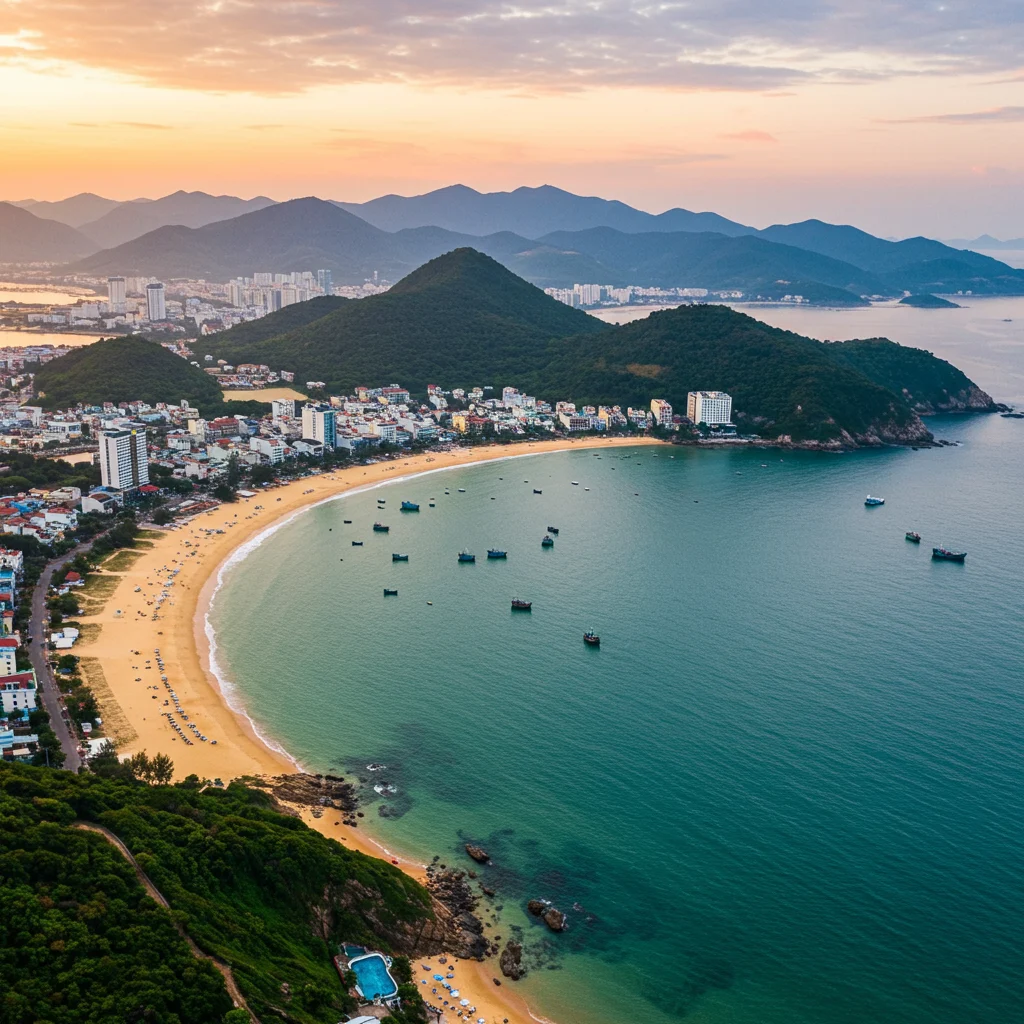


Introduction: Why Da Nang is Vietnam’s Coastal Gem
Da Nang stands out as a must-visit destination for travelers in Vietnam. This coastal city combines stunning beaches, rich history, and modern comforts, creating an inviting atmosphere for both leisure and adventure. Its location between the ancient town of Hoi An and the historic city of Hue adds to its appeal, making Da Nang a convenient base for exploring central Vietnam.
In recent years, Da Nang has seen significant growth in tourism, infrastructure, and cultural attractions. The city offers a unique mix of traditional Vietnamese charm and contemporary experiences, all set against a backdrop of mountains and sea. Whether you are seeking relaxation, culinary delights, or outdoor excitement, Da Nang has something for everyone.
Where is Da Nang? Location and Overview
Da Nang sits on Vietnam’s central coast, facing the East Sea and backed by the Annamite mountain range. It is strategically positioned between Hanoi in the north and Ho Chi Minh City in the south, making it an accessible hub for travel throughout the country. The city is the largest urban center in central Vietnam and serves as a gateway to UNESCO World Heritage sites.
With its proximity to both mountains and the ocean, Da Nang enjoys a scenic setting that appeals to a wide range of visitors. The Han River flows through the heart of the city, adding to its unique urban landscape. Da Nang’s international airport connects it to major cities across Asia, further enhancing its status as a travel hotspot.
A Brief History of Da Nang
Da Nang’s history dates back to the ancient Cham civilization, which thrived in central Vietnam for centuries. Archaeological sites and artifacts from this era can still be seen today, providing insight into the region’s early inhabitants. Over time, Da Nang became an important port for international trade, attracting merchants from China, Japan, and Europe.
During the French colonial period, Da Nang was known as Tourane and played a significant role as a commercial and military hub. In the modern era, the city has transformed into a dynamic urban center while preserving elements of its historical past. This blend of old and new is evident throughout Da Nang’s streets, museums, and landmarks.
What Makes Da Nang Unique Among Vietnam’s Cities?
Da Nang’s distinct character arises from its harmonious combination of natural beauty, cultural heritage, and modern development. Unlike many other Vietnamese cities, Da Nang has prioritized urban planning and cleanliness, resulting in wide boulevards and well-maintained public spaces. The city is also renowned for its hospitality and friendly atmosphere.
While many travelers come for the famous beaches and attractions, Da Nang’s culinary scene and lively festivals add further depth to the visitor experience. Its rapid growth has not overshadowed its cultural roots, making it a city where tradition and innovation coexist.
Getting to Da Nang: Transportation Options
Reaching Da Nang is straightforward thanks to its modern transportation infrastructure. The city’s international airport receives direct flights from major Asian cities, as well as frequent domestic flights from Hanoi, Ho Chi Minh City, and other Vietnamese destinations. This makes air travel the most popular choice for international visitors.
Travelers can also arrive by train, with Da Nang serving as a key stop on the North-South Railway line. Buses and private cars offer additional options for those coming from nearby cities. For those interested in scenic routes, the Hai Van Pass provides a memorable drive with spectacular ocean and mountain views.
How to Get Around Da Nang
Navigating Da Nang is convenient due to its organized streets and diverse transportation options. Taxis and ride-hailing services are widely available, providing a comfortable way to move around the city. Many visitors also rent motorbikes or bicycles for greater flexibility and the chance to experience the city at their own pace.
Public buses connect key districts and tourist attractions, offering an affordable alternative for budget-conscious travelers. Walking is pleasant along the riverfront and beachfront areas, where wide sidewalks and scenic views encourage exploration on foot. For those venturing further afield, car rentals and guided tours are readily accessible.
When is the Best Time to Visit Da Nang?
Da Nang enjoys a tropical monsoon climate, with distinct wet and dry seasons. The most favorable period for a visit typically runs from February to May, when temperatures are mild and rainfall is minimal. During these months, the weather is ideal for beach activities, sightseeing, and outdoor adventures.
The summer months from June to August bring higher temperatures and increased humidity, attracting families and holidaymakers. The rainy season, spanning September to December, sees occasional storms and heavier showers. While some attractions remain open year-round, visitors should plan accordingly for seasonal weather patterns.
Top Attractions in Da Nang
Da Nang is home to a variety of iconic attractions that cater to diverse interests. From pristine beaches and striking bridges to ancient temples and modern amusement parks, the city offers something for every traveler. Below, we highlight some of the must-see sights and experiences that define Da Nang’s appeal.
Exploring My Khe Beach: Da Nang’s Famous Shoreline
My Khe Beach is often recognized as one of Asia’s premier beaches, stretching several kilometers along the city’s eastern edge. Its fine white sand, gentle waves, and clear water make it a favorite for swimming, sunbathing, and water sports. Early morning and late afternoon see locals gathering for exercise and relaxation.
Facilities along My Khe Beach include restaurants, cafes, and rental shops offering surfboards, umbrellas, and loungers. Water sports enthusiasts may also want to check out our insights on jet ski rentals in Da Nang and beyond, as highlighted in the article Water Thrills Await: Find Jet Skis for Rent Now.
Discovering Marble Mountains: Nature and Spirituality
The Marble Mountains, located just south of Da Nang, are a cluster of five limestone hills named after the five elements. These mountains are dotted with caves, pagodas, and viewpoints that offer panoramic vistas of the city and coastline. Visitors can climb stone staircases or take an elevator to explore the main sites.
Within the caves, centuries-old Buddhist shrines and intricate carvings await those interested in spirituality and history. The surrounding area is also known for its stone-carving villages, where artisans craft statues and souvenirs from local marble. A visit here provides a unique glimpse into both natural beauty and cultural tradition.
What to See at the Golden Bridge (Ba Na Hills)?
The Golden Bridge at Ba Na Hills has become one of Da Nang’s most photographed landmarks. Supported by two giant stone hands, this elevated walkway offers sweeping views of the surrounding mountains and forests. The bridge is part of the larger Sun World Ba Na Hills resort, which features cable cars, gardens, and European-inspired architecture.
A trip to Ba Na Hills combines natural scenery with entertainment, making it a popular excursion for families and groups. The climate at higher elevations is noticeably cooler, providing a refreshing contrast to the coastal heat below. Plan for a full day to fully experience the attractions and activities on offer.
Han River and Its Iconic Bridges
Da Nang’s cityscape is defined by the Han River and its remarkable bridges. The Dragon Bridge, known for its dragon-shaped design and weekend fire and water displays, serves as a symbol of the city’s modern spirit. The Han River Bridge, Vietnam’s first swing bridge, allows large ships to pass and is illuminated at night.
Other notable crossings include the Tran Thi Ly Bridge with its sail-shaped tower and the Thuan Phuoc Bridge, the city’s longest suspension bridge. Strolling along the riverfront, visitors can enjoy lively parks, street food stalls, and panoramic views of Da Nang’s skyline.
Son Tra Peninsula: Nature, Views, and Wildlife
The Son Tra Peninsula, also known as Monkey Mountain, rises to the northeast of Da Nang and offers a haven for nature lovers. Its winding roads lead to secluded beaches, forested hills, and the towering Lady Buddha statue at Linh Ung Pagoda. The peninsula is home to rare wildlife, including the endangered red-shanked douc langur.
Scenic viewpoints offer breathtaking perspectives of the city and coastline, especially at sunrise and sunset. Hiking trails, picnic spots, and small fishing villages add to the area’s appeal. For those seeking tranquility and adventure, Son Tra Peninsula provides a welcome escape from the urban bustle.
Museum of Cham Sculpture: Da Nang’s Ancient Heritage
The Museum of Cham Sculpture houses the world’s largest collection of Cham artifacts, spanning over a thousand years of history. Exhibits include sandstone statues, altars, and architectural fragments that highlight the artistry and beliefs of the Cham people. Informative displays provide context for these ancient treasures.
Visitors gain a deeper appreciation for central Vietnam’s cultural legacy through the museum’s well-curated galleries. Located near the Han River, the museum is easily accessible and makes for a rewarding stop for history enthusiasts and curious travelers alike.
Da Nang Cathedral and Architectural Gems
Da Nang Cathedral, often called the Pink Church due to its pastel facade, is a striking example of French colonial architecture. Built in 1923, the cathedral features stained glass windows and a graceful bell tower, making it a popular spot for photography and quiet reflection.
Other architectural highlights in Da Nang include the modern administration center, the Cham Museum, and traditional Vietnamese pagodas. The city’s blend of old and new structures reflects its evolving identity and cosmopolitan outlook.
Best Beaches in Da Nang: Where Should You Swim?
Da Nang’s coastline stretches for more than 30 kilometers, offering a variety of beaches to suit every preference. From lively stretches with full amenities to hidden coves ideal for solitude, the city’s beaches are a major draw for both locals and tourists. Below, we detail the most popular spots and lesser-known gems.
My Khe Beach
As mentioned earlier, My Khe Beach remains the city’s most famous stretch of sand. Its convenient location near the city center, gentle waves, and clean facilities make it suitable for families, couples, and solo travelers alike. Lifeguards are present during peak hours, and water sports rentals are easy to find.
The beach’s wide expanse allows for a variety of activities, from jogging and volleyball to paddleboarding and surfing. Early mornings are especially peaceful, with calm seas and few crowds.
Non Nuoc Beach
Non Nuoc Beach, situated at the foot of Marble Mountains, is known for its soft sand and clear water. The area is quieter than My Khe, making it a favorite for those seeking a more relaxed atmosphere. Upscale resorts and seafood restaurants line the beachfront, providing excellent dining and accommodation options.
The beach is also popular for surfing, especially during the spring and autumn months when waves are most consistent. Non Nuoc’s proximity to Marble Mountains makes it easy to combine a beach visit with sightseeing.
Bac My An Beach
Bac My An Beach lies just south of My Khe and is frequented by both locals and guests of nearby resorts. Its shallow waters and gentle slope make it particularly safe for children and less experienced swimmers. The beach is lined with palm trees, small cafes, and rental kiosks.
Even during busy periods, Bac My An retains a laid-back vibe, making it a pleasant spot for sunbathing and casual strolls along the shore.
Hidden Beaches and Secluded Spots
Beyond the main beaches, Da Nang offers several hidden coves and quiet stretches of sand. Tien Sa Beach on the Son Tra Peninsula is less crowded, with clear waters and scenic surroundings ideal for picnics and snorkeling. Bai But and Bai Rang also provide peaceful alternatives away from the city’s hustle.
For those seeking privacy or a romantic setting, these lesser-known beaches deliver a more intimate experience. Always check local conditions and amenities before venturing to remote spots.
Outdoor Adventures in Da Nang
Da Nang’s natural beauty sets the stage for a wide range of outdoor activities. Whether you prefer water sports, hiking, or cycling, the city and its surroundings offer numerous opportunities for recreation and exploration. Let’s look at some of the most popular adventures available.
Water Sports and Activities
Da Nang’s warm waters and steady waves attract water sports enthusiasts year-round. Surfing, stand-up paddleboarding, and parasailing are widely available at major beaches. Jet skiing is especially popular, with several operators providing rentals and guided experiences.
If you are interested in jet ski activities, you may find practical tips and inspiration in the articles Freedom on Water: Rent a Jet Ski and Explore and Ride the Waves: Jet Ski Adventures in Miami. These guides highlight what to expect and how to make the most of your time on the water.
Hiking and Nature Trails
Da Nang offers excellent hiking opportunities, especially on the Son Tra Peninsula and around Marble Mountains. Trails range from easy walks to challenging ascents, rewarding hikers with panoramic views, lush forests, and chances to spot local wildlife. The summit of Son Tra is a favorite for sunrise hikes.
Always bring water, proper footwear, and sun protection when tackling longer trails. Some routes pass through protected areas, so it’s important to respect local regulations and wildlife habitats.
Cycling and Scooter Tours
Cycling is a great way to experience Da Nang’s coastal roads and scenic countryside. Several companies offer guided bicycle and scooter tours, covering highlights such as the Han River, local markets, and rural villages. These tours provide both exercise and cultural insight.
For independent travelers, renting a scooter allows for flexible exploration of the city and its surroundings. Helmets are mandatory, and we recommend familiarizing yourself with local traffic rules before setting out.
Day Trips from Da Nang: Where Else Can You Go?
Da Nang’s central location makes it an ideal base for day trips to nearby cultural and historical sites. Several UNESCO World Heritage locations are within easy reach, offering rich experiences beyond the city. Here are three of the most popular options for day excursions.
Hoi An Ancient Town
Just a 30-minute drive from Da Nang, Hoi An is renowned for its well-preserved architecture, lantern-lit streets, and vibrant markets. The town’s historic center is a UNESCO World Heritage site, with centuries-old merchant houses, temples, and assembly halls. Hoi An is also famous for its tailor shops and local cuisine.
Visitors can enjoy leisurely walks along the Thu Bon River and participate in traditional craft workshops. The town’s unique blend of influences from China, Japan, and Europe is evident in its architecture and cultural practices.
Hue Imperial City
Hue, the former imperial capital of Vietnam, lies about two hours north of Da Nang. The city’s main attraction is the Imperial Citadel, a sprawling complex of palaces, temples, and gardens that once housed the Nguyen Dynasty. Guided tours provide valuable historical context and access to restored sections of the citadel.
Beyond the citadel, Hue offers royal tombs, pagodas, and a unique cuisine influenced by the city’s regal heritage. The scenic drive over the Hai Van Pass between Da Nang and Hue is an experience in itself, offering spectacular coastal vistas.
My Son Sanctuary
My Son Sanctuary, a UNESCO World Heritage site, is an ancient complex of Hindu temples constructed by the Cham civilization. Located about an hour southwest of Da Nang, the site features red brick towers and intricate carvings set against a jungle backdrop. Guided tours help visitors understand the historical and spiritual significance of My Son.
Early morning visits are recommended to avoid crowds and the midday heat. The sanctuary’s remote setting enhances its sense of mystery and historical depth.
Da Nang’s Culinary Scene: What to Eat and Where
Da Nang is a paradise for food lovers, offering a diverse range of flavors and dining experiences. From bustling street food stalls to elegant restaurants, the city’s culinary scene reflects its coastal location and multicultural influences. Below, we highlight must-try dishes and where to find them.
Must-Try Local Dishes
Da Nang’s signature dishes include Mi Quang (turmeric-infused noodles with pork, shrimp, and herbs), Banh Xeo (crispy rice pancakes), and Com Hen (rice with baby clams). Seafood is abundant, with fresh catches prepared in a variety of styles, from grilled to steamed and stir-fried.
Another local favorite is Bun Cha Ca (fish cake noodle soup), known for its light yet flavorful broth. Many restaurants and street stalls serve these specialties, often accompanied by fresh greens and dipping sauces.
Best Street Food Spots
Street food is an essential part of Da Nang’s food culture. Han Market and Con Market are two popular destinations for sampling affordable and authentic dishes. Vendors offer everything from skewered meats and spring rolls to tropical fruit and sweet desserts.
Night markets along the riverfront and near the beaches also feature a wide array of snacks and local delicacies. For adventurous eaters, these markets provide a window into the city’s culinary creativity.
Top Restaurants in Da Nang
Da Nang’s restaurant scene encompasses both traditional Vietnamese eateries and international cuisine. Upscale venues along My Khe Beach and the Han River offer fine dining with ocean or city views. Many establishments focus on fresh, local ingredients and innovative presentations.
For a more casual experience, family-run restaurants in the city center serve home-style meals in a welcoming setting. Seafood lovers will find plenty of options, from simple grilled fish to elaborate seafood towers.
Vegetarian and Vegan Options
Vegetarian and vegan travelers will find an increasing number of dedicated restaurants and cafes in Da Nang. Many Buddhist-inspired eateries offer plant-based versions of local dishes, such as vegetarian pho and banh mi. Western-style vegan cafes serve smoothie bowls, salads, and baked goods.
Most restaurants are happy to accommodate dietary preferences if informed in advance. Look for the word “chay” on menus, which indicates vegetarian options.
Nightlife in Da Nang: Where to Go After Dark?
Da Nang’s nightlife is lively yet approachable, with options ranging from rooftop bars to beach clubs and night markets. Whether you prefer a relaxed evening with cocktails or energetic live music, the city offers plenty to do once the sun sets.
Rooftop Bars and Lounges
Several high-rise hotels and buildings along the riverfront feature rooftop bars with panoramic views. These venues are perfect for enjoying sunset drinks while taking in the city lights. Signature cocktails, tapas, and live DJ sets are common offerings.
Popular spots include bars atop the Novotel, Altara Suites, and A La Carte Hotel. Dress codes are generally smart-casual, and reservations are recommended on weekends.
Beach Clubs and Live Music
Beach clubs along My Khe and Bac My An beaches attract both locals and visitors with their relaxed atmosphere and music events. Many clubs host themed nights, international DJs, and live bands, creating a festive mood by the sea.
For those interested in water-based fun, some venues even offer jet ski rentals and water sport activities, similar to those discussed in our jet ski rental guide. This combination of music, food, and adventure makes for a memorable night out.
Night Markets and Local Experiences
Da Nang’s night markets, such as Helio Night Market and Son Tra Night Market, are lively centers of food, shopping, and entertainment. Visitors can browse stalls selling local crafts, fashion, and souvenirs, while sampling street food favorites.
Live performances, games, and family-friendly activities add to the vibrant atmosphere. Night markets are an excellent place to experience local culture and mingle with residents.
Where to Stay in Da Nang: Accommodation Guide
Da Nang offers a wide range of accommodation options to suit every budget and preference. From luxurious resorts to cozy hostels, the city’s hospitality sector caters to solo travelers, couples, families, and business visitors alike. Below, we outline the main types of lodging available.
Luxury Hotels and Resorts
Da Nang’s luxury resorts are primarily located along My Khe and Non Nuoc beaches, offering beachfront access, spa facilities, and gourmet dining. International brands such as InterContinental, Hyatt, and Furama provide world-class service and amenities.
These properties often feature private pools, kids’ clubs, and direct beach access, making them ideal for both relaxation and recreation. Many also offer shuttle services to city attractions and day trip destinations.
Boutique Hotels and Guesthouses
Boutique hotels and guesthouses are scattered throughout Da Nang’s city center and riverside districts. These accommodations emphasize personalized service, stylish decor, and a homey atmosphere. Many are housed in renovated colonial buildings or modern townhouses.
Boutique options appeal to travelers seeking comfort and character without the formality of larger resorts. Breakfast, bicycle rentals, and local tour arrangements are common perks.
Budget Hostels and Homestays
For those traveling on a budget, Da Nang’s hostels and homestays provide affordable and sociable lodging. Dormitory beds, shared kitchens, and communal lounges encourage interaction among guests. Some hostels organize group outings and cultural events.
Homestays, often run by local families, offer a chance to experience Vietnamese hospitality firsthand. Guests can participate in home-cooked meals, language exchanges, and neighborhood tours.
Family-Friendly Accommodation
Families visiting Da Nang will find numerous hotels and resorts catering to their needs. Family suites, children’s play areas, and babysitting services are commonly available. Many properties are located near the beach or major attractions, reducing travel time for families with young children.
Apartment-style accommodations with kitchenettes and laundry facilities provide additional convenience for longer stays.
Shopping in Da Nang: Markets and Malls
Shopping in Da Nang reflects both traditional Vietnamese markets and modern retail centers. Whether you are searching for fresh produce, handicrafts, or international brands, the city offers a variety of options. Below, we highlight the main shopping destinations and what to expect at each.
Han Market
Han Market is one of Da Nang’s oldest and most bustling markets. Located in the city center, it features stalls selling fresh seafood, fruits, vegetables, clothing, and souvenirs. The market is especially known for its dried goods and local specialties such as chili paste and fish sauce.
Bargaining is part of the shopping experience, and vendors are generally friendly and open to negotiation. Han Market is also a good place to sample street food and pick up gifts for friends and family.
Con Market
Con Market caters to both locals and tourists, offering a wide selection of food, household goods, and clothing. The food court area is particularly popular, with vendors serving authentic Vietnamese dishes at affordable prices.
The market’s lively atmosphere and variety of products make it a worthwhile stop for those interested in daily life in Da Nang.
Modern Shopping Centers
Da Nang’s modern malls, such as Vincom Plaza and Lotte Mart, provide a comfortable shopping environment with air conditioning and international brands. These centers also feature cinemas, supermarkets, and children’s play areas, making them suitable for families and rainy days.
Seasonal sales and promotions are frequent, and food courts offer a mix of local and global cuisine.
Local Handicrafts and Souvenirs
Handicraft shops throughout Da Nang sell traditional items such as marble sculptures, silk lanterns, and embroidered textiles. Many products are made by local artisans, supporting community livelihoods and preserving cultural heritage.
For unique souvenirs, look for items crafted from stone quarried at Marble Mountains or hand-painted ceramics from nearby villages.
Culture and Festivals in Da Nang
Da Nang’s cultural life is vibrant and diverse, with festivals, performances, and religious celebrations held throughout the year. These events showcase the city’s rich traditions and creative spirit, providing visitors with memorable experiences.
Major Annual Festivals
The Da Nang International Fireworks Festival is one of the city’s most anticipated events, attracting teams from around the world for spectacular pyrotechnic displays over the Han River. Tet (Lunar New Year) celebrations feature parades, dragon dances, and traditional foods.
Other notable festivals include the Mid-Autumn Festival and the Quan The Am Festival at Marble Mountains, both offering cultural performances and community gatherings.
Traditional Arts and Performances
Traditional music, dance, and theater are integral to Da Nang’s artistic heritage. Performances of Cham dance, folk music, and water puppetry can be enjoyed at cultural centers and special events. Some hotels and resorts also host regular shows for guests.
Workshops and exhibitions provide opportunities to learn about local crafts such as pottery, calligraphy, and silk weaving.
Religious and Cultural Sites
Da Nang is home to a variety of religious sites, including Buddhist pagodas, Catholic churches, and ancestral temples. Linh Ung Pagoda on Son Tra Peninsula is especially renowned for its giant Lady Buddha statue and serene setting.
Visiting these sites offers insight into the city’s spiritual traditions and architectural styles. Respectful attire and behavior are expected at all religious locations.
Travel Tips for Visiting Da Nang
A successful trip to Da Nang involves more than just booking flights and hotels. Understanding local customs, health considerations, and practicalities can help ensure a smooth and enjoyable stay. Here are some essential tips for travelers.
Safety and Health Considerations
Da Nang is generally safe for tourists, with low rates of violent crime. Petty theft can occur in crowded areas, so keep an eye on personal belongings. Tap water is not drinkable; opt for bottled or filtered water instead.
Travelers should be aware of sun exposure, especially during outdoor activities. Medical facilities are available throughout the city, and pharmacies are well-stocked with common medications.
Money, SIM Cards, and Connectivity
Vietnam’s currency is the Vietnamese Dong (VND). ATMs are widely accessible, and credit cards are accepted at most hotels, restaurants, and shops. For small purchases, cash is preferred.
SIM cards with data packages are inexpensive and available at the airport and mobile shops. Free Wi-Fi is common in hotels, cafes, and public spaces, making it easy to stay connected.
Essential Vietnamese Phrases for Travelers
Learning a few basic Vietnamese phrases can enhance your travel experience and show respect to locals. Common greetings include “Xin chào” (Hello) and “Cảm ơn” (Thank you). Asking for prices or directions is easier with terms like “Bao nhiêu?” (How much?) and “Ở đâu?” (Where?).
Phrasebooks and translation apps are helpful tools for overcoming language barriers.
Sustainable Tourism in Da Nang: How Can You Travel Responsibly?
As Da Nang’s popularity grows, responsible travel becomes increasingly important. Sustainable tourism practices help protect the city’s natural resources, support local communities, and preserve cultural heritage for future generations. Here’s how visitors can make a positive impact.
Eco-Friendly Activities
Eco-conscious travelers can participate in activities that minimize environmental impact, such as hiking, cycling, and wildlife observation. Some tour operators focus on small-group experiences and conservation education.
Beach clean-up events and responsible snorkeling tours, similar to those described in the article Puerto Rico’s Secret Reefs: Snorkel the Hidden Gems, offer ways to contribute to local ecosystems while enjoying the area’s natural beauty.
Supporting Local Communities
Shopping at local markets, dining at family-run restaurants, and choosing community-based tours help channel tourism benefits directly to residents. Purchasing authentic handicrafts and participating in cultural workshops also support traditional livelihoods.
Respecting local customs and minimizing waste, such as refusing single-use plastics, further enhances the positive impact of your visit.
Da Nang for Digital Nomads: Is It a Good Base?
Da Nang is gaining traction as a destination for digital nomads and remote workers. Its modern infrastructure, affordable cost of living, and pleasant climate make it an appealing base for those working online. Below, we assess the key factors for digital nomads in Da Nang.
Coworking Spaces and Cafés
Several coworking spaces in Da Nang offer high-speed internet, comfortable workstations, and networking events. Popular options include Enouvo Space and IoT Space, both located in central districts. Many coffee shops also provide reliable Wi-Fi and a quiet environment, catering to freelancers and remote professionals.
Some coworking venues organize workshops, language exchanges, and social gatherings, fostering a sense of community among expats and locals.
Cost of Living and Expat Life
Da Nang’s cost of living is lower than in Hanoi or Ho Chi Minh City, with affordable accommodation, food, and transportation. Monthly expenses for digital nomads are competitive compared to other Southeast Asian cities.
The expat community is active and welcoming, with regular meetups and events. English is widely spoken in coworking spaces and tourist areas, easing the transition for newcomers.
Da Nang with Kids: Family-Friendly Activities
Families traveling with children will find plenty of activities and attractions in Da Nang. The city’s safe environment, clean beaches, and range of entertainment options make it suitable for visitors of all ages. Here are some highlights for family-friendly fun.
Theme Parks and Water Parks
Asia Park, also known as Sun World Da Nang Wonders, features amusement rides, cultural exhibits, and a giant Ferris wheel. The park offers entertainment for children and adults alike, with themed zones representing different Asian countries.
Water parks such as Nui Than Tai Hot Springs Park provide pools, slides, and relaxing hot springs. These venues are popular for family outings, especially during the warmer months.
Educational and Cultural Experiences
Museums, art galleries, and cultural centers in Da Nang offer interactive exhibits and workshops for children. The Museum of Cham Sculpture, for example, hosts educational programs on local history and archaeology.
Cooking classes, traditional craft demonstrations, and language lessons provide hands-on learning opportunities for young travelers.
LGBTQ+ Travel in Da Nang: What to Know
Da Nang is considered one of Vietnam’s more open and inclusive cities, welcoming travelers from diverse backgrounds. LGBTQ+ visitors can expect a generally accepting environment, with increasing visibility of LGBTQ+ spaces and events.
Inclusive Venues and Events
Several bars, cafes, and clubs in Da Nang are known for their inclusive and friendly atmosphere. While dedicated LGBTQ+ venues are limited, most nightlife spots are welcoming to all guests. Pride events and community gatherings occasionally take place, especially during major festivals.
Online forums and social groups provide information on upcoming events and safe spaces for LGBTQ+ travelers.
Local Attitudes and Safety
Vietnam’s attitude toward LGBTQ+ individuals is generally tolerant, especially in urban areas like Da Nang. Discrimination is uncommon in tourist settings, though public displays of affection are less common than in Western countries.
Travelers should exercise the same caution as they would elsewhere, prioritizing personal safety and respecting local customs.
Da Nang’s Future: Development and Trends
Da Nang continues to evolve as a leading destination for tourism, business, and innovation in Vietnam. The city’s government and private sector are investing in infrastructure, sustainability, and cultural preservation to support long-term growth.
Tourism Growth and Infrastructure
Ongoing projects include airport expansions, new hotels, and improved transportation links. The city is also enhancing public spaces, parks, and waterfront areas to create a more attractive environment for residents and visitors.
Tourism initiatives focus on promoting Da Nang’s unique attractions and expanding its appeal to international markets. Partnerships with global travel brands, such as those offering jet ski and adventure tours, contribute to the city’s dynamic tourism landscape. Insights from articles like Miami Uncovered: Vibrant Tours Beyond the Beach offer perspectives on how cities can diversify their tour offerings.
Sustainability Initiatives
Da Nang is committed to sustainable urban development, with policies aimed at reducing pollution, preserving green spaces, and promoting eco-friendly tourism. Programs include waste reduction campaigns, renewable energy projects, and support for local artisans.
The city encourages both residents and visitors to participate in environmental protection and community development efforts. These initiatives are essential for maintaining Da Nang’s appeal as a clean, welcoming, and forward-thinking destination.
Conclusion: Why Da Nang Should Be Your Next Destination
Da Nang combines natural beauty, rich culture, and modern amenities to create a truly unique travel experience. Its central location, welcoming atmosphere, and diverse attractions make it suitable for solo travelers, families, and groups. From the pristine beaches and historic sites to the vibrant culinary and nightlife scenes, every aspect of the city invites exploration and enjoyment.
As you plan your journey to Vietnam, consider Da Nang for its convenience, hospitality, and array of activities. For more travel inspiration and expert guidance, visit Tour Cuts and start planning your next adventure with confidence.